
The first few nights with a new puppy can feel equal parts magical and exhausting. You’re tired, your puppy is confused, and everyone is learning a brand-new routine together. I still remember those quiet nighttime moments, listening for little sounds, wondering if I was doing things right, and hoping we’d all get some sleep soon.

Jump to:
- Why Crate Training at Night Is Important
- Choosing the Right Crate for Your Puppy
- Where to Place the Crate at Night
- Step-by-Step: Crate Training a Puppy at Night
- What to Do When Your Puppy Cries at Night
- Handling Overnight Potty Breaks
- How Long Does Nighttime Crate Training Takes
- Common Nighttime Crate Training Mistakes
- Tips and Tricks for Better Puppy Sleep
- When Crate Training Feels Hard
- Final Thoughts
- FAQ
- YOU MAY ALSO LIKE
That’s why learning crate training a puppy at night matters so much. Nighttime crate training isn’t about forcing independence or ignoring your puppy’s needs. It’s about creating comfort, safety, and predictability, things puppies naturally crave. When done gently, crate training at night helps your puppy feel secure and helps you rest easier, too.
Let’s walk through this step by step, calmly and realistically.
Why Crate Training at Night Is Important
Nighttime can be overwhelming for a puppy. They’ve just left their litter, their familiar smells, and the comfort of sleeping with their siblings. Suddenly, everything is different.
Crate training at night helps by:
- Giving your puppy a safe, cozy sleeping space
- Encouraging healthy sleep habits
- Supporting potty training overnight
- Reducing anxiety and nighttime wandering
I’ve noticed puppies tend to settle faster when nighttime crate training feels predictable and calm rather than rushed or emotional.
Choosing the Right Crate for Your Puppy
The crate itself plays a big role in successful puppy crate training. It should feel like a den, not a cage.
Look for a crate that:
- Is large enough for your puppy to stand and turn around
- Isn’t so big that one corner becomes a potty area
- Feels cozy with a soft but safe crate pad or blanket
A puppy crate that’s just the right size encourages rest and helps prevent overnight accidents during training night routines.
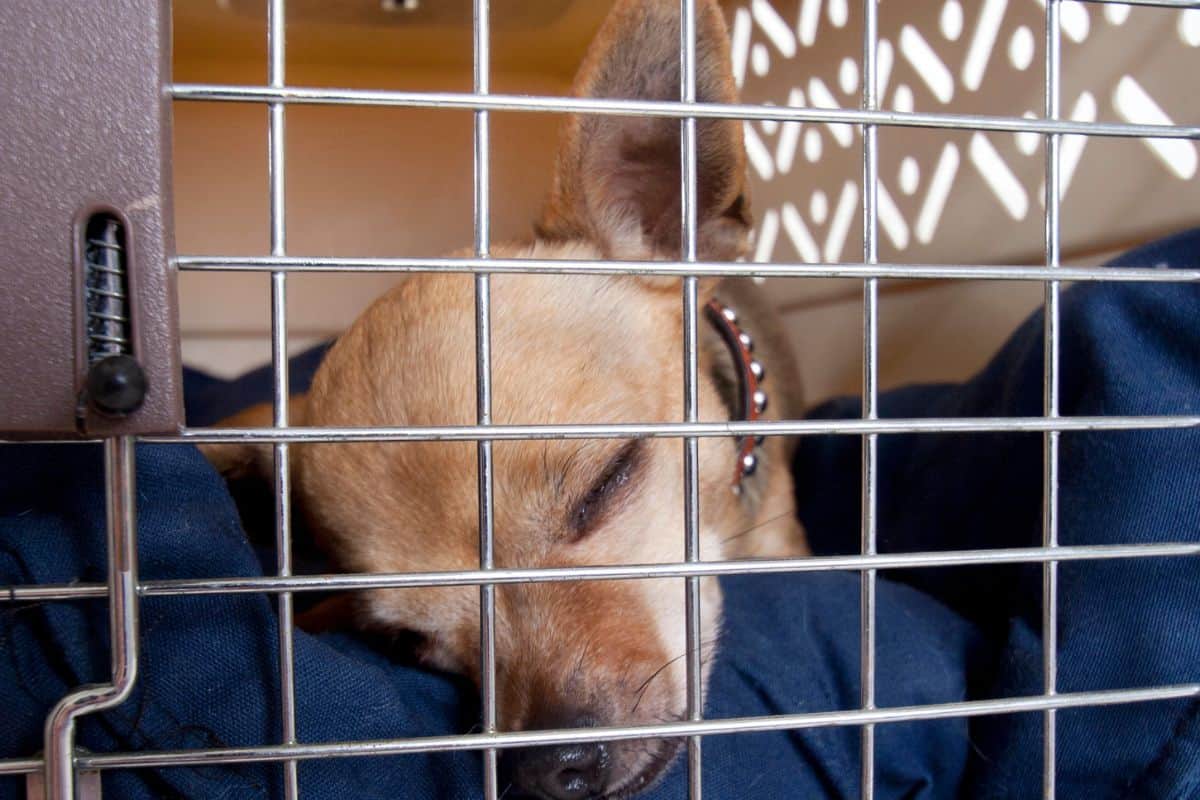
Where to Place the Crate at Night
One of the most common mistakes in crate-training night routines is placing the crate too far away.
For the first few weeks, place the crate:
- In your bedroom or nearby hallway
- Somewhere, your puppy can hear and smell you
I love how puppies relax faster when they don’t feel isolated. Being close reassures them that they’re not alone, even as they learn to sleep independently.
Step-by-Step: Crate Training a Puppy at Night
Follow these simple steps to help your puppy feel safe, calm, and secure at bedtime.
Step 1: Create a Calm Bedtime Routine
Puppies thrive on routines. About 30–60 minutes before bedtime, start winding things down:
- Short potty break
- Gentle play or cuddles
- Dim lights and quieter voices
This signals to your puppy that nighttime means rest, not excitement.
Step 2: Make the Crate Feel Inviting
Before bedtime, let your puppy explore the crate while they’re calm. Add a favorite toy or a safe chew.
I’ve noticed that puppies settle better when they choose to enter the crate rather than being placed inside abruptly.
Step 3: Last Potty Break Matters
Always take your puppy out for one final potty break right before bed. This reduces overnight accidents and sets your puppy up for success during nighttime crate training.
Keep this trip boring, no play, no excitement, just business and back inside.
Step 4: Gentle Crate Entry
Guide your puppy into the crate using a calm voice. Close the door quietly and stay nearby for a moment.
Some puppies fall asleep quickly. Others may whine a little. That’s normal.

What to Do When Your Puppy Cries at Night
Crying during puppy night crate training is one of the hardest parts for people. It’s emotional, and it tugs at your heart.
Here’s how to handle it gently:
- Pause and listen, are they settling or escalating?
- Avoid immediate removal unless you suspect a potty need
- Offer quiet reassurance with your voice if needed
I’ve noticed that many puppies cry briefly, then settle once they realize the crate is safe and predictable.
Handling Overnight Potty Breaks
Young puppies can’t hold their bladder all night. Overnight potty breaks are part of training.
Tips for overnight success:
- Set an alarm if needed during the early weeks
- Carry your puppy outside calmly
- Keep lights low and interaction minimal
This teaches your puppy that nighttime is for sleeping, not playing.
How Long Does Nighttime Crate Training Takes
Every puppy is different. Some adjust in a few nights. Others take a few weeks.
Factors that affect progress:
- Puppy age
- Prior crate exposure
- Consistency in training night routines
I love how small improvements add up: shorter crying, faster settling, longer sleep stretches. Progress often sneaks up on you.
Common Nighttime Crate Training Mistakes
Avoiding these can make a huge difference:
- Using the crate as punishment
- Letting the puppy nap all evening
- Changing routines nightly
- Giving attention to whining isn’t a need
Consistency is more powerful than perfection.

Tips and Tricks for Better Puppy Sleep
A few small tricks can improve nighttime crate training:
- Use a white noise machine or fan
- Cover part of the crate with a light blanket
- Offer a worn T-shirt that smells like you
I’ve noticed that familiar sounds and scents often help puppies relax faster and sleep longer overnight.
When Crate Training Feels Hard
Some nights will be tougher than others. That doesn’t mean crate training isn’t working.
Remember:
- Your puppy is learning
- You’re learning too
- Progress isn’t always linear
I love how patience often turns stressful nights into quiet routines sooner than expected.
Final Thoughts
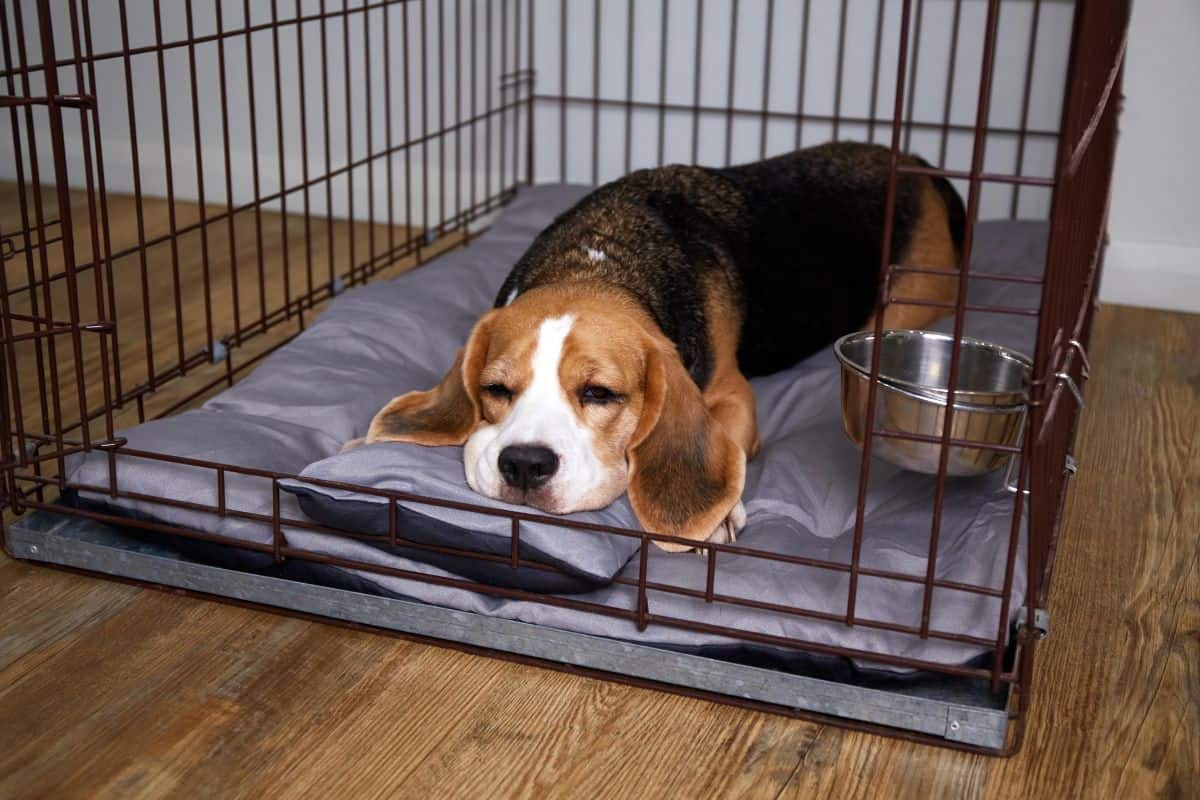
Learning crate training a puppy at night is as much about trust as it is about routine. You’re showing your puppy that bedtime can feel secure and steady. Over time, that consistency leads to better sleep, smoother training, and a stronger bond.
When crate training is handled patiently and consistently, many puppies begin to settle more easily and see the crate as their own quiet place. Those peaceful moments at night, when your puppy finally relaxes, make the effort worthwhile.
Take it one night at a time. Progress builds quietly.
FAQ
A little fussing is normal, especially in the first few nights. I’ve noticed there’s a difference between brief settling cries and true distress. If your puppy is escalating or sounds panicked, it’s okay to offer calm reassurance or check for a potty need.
Most puppies start adjusting within a few days to a couple of weeks. Some sleep through the night quickly, while others need more time. Progress often shows up in small ways, shorter crying, faster settling, and longer sleep stretches.
For young puppies, keeping the crate in or near your bedroom usually helps. Being able to hear and smell, you can make nighttime crate training feel less scary and more secure.
That’s normal, especially for younger puppies. Take them out for a quick potty break, keep things quiet and boring, and return them to the crate. This teaches that nighttime is for sleeping, not playing.
Yes, as long as you keep things relaxed. Offering a small treat or a safe chew can help your puppy see the crate as a comfortable, positive place. I’ve found this little routine often makes nights easier.
If you’ve been consistent and things still feel very difficult after a few weeks, it may help to adjust your routine or speak with a qualified trainer. Every puppy is different, and sometimes small tweaks make a big difference.




Leave a Reply