
Many dog owners begin searching for gluten-free dog food when their pet seems uncomfortable after meals or has food sensitivities. While not every dog requires a gluten-free diet, some dogs thrive when certain ingredients are removed from their bowl. I’ve noticed that when dogs switch to thoughtfully chosen foods with simpler ingredients, they often seem more comfortable and eager at mealtimes.
Jump to:
- What Is Gluten-Free Dog Food?
- Signs Your Dog May Benefit from Gluten-Free Dog Food
- Popular Gluten-Free Dog Food Brands to Consider
- Gluten Free Dog Food Recipes and Homemade Options
- Choosing the Best Gluten-Free Dog Food for Sensitive Dogs
- Gluten Free vs Grain Free Dog Foods
- Final Thoughts
- FAQ
- You May Also Like
Gluten is a protein found in grains such as wheat, barley, and rye. Some dog foods contain these grains, while others focus on alternative ingredients like rice, oats, or potatoes. For sensitive dogs, choosing a gluten-free dog food may help support overall health and digestion while still providing balanced nutrition.
Today, many top brands offer both gluten-free and grain-free formulas, making it easier to find the right dog food for your dog’s individual needs. Let’s explore what gluten-free dog food really means, which ingredients to look for, and how to choose a product that supports your dog’s well-being.
What Is Gluten-Free Dog Food?
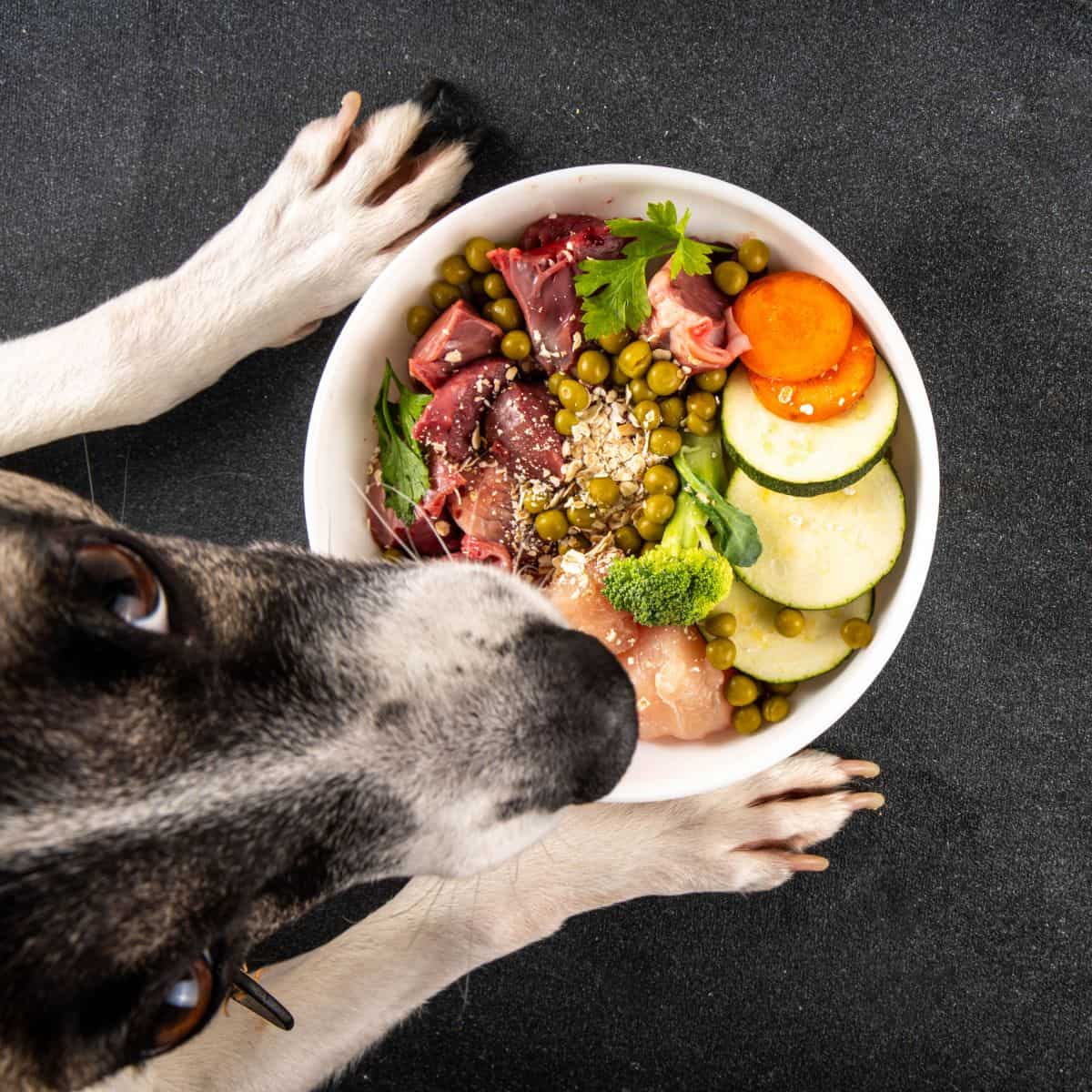
When people search for gluten-free dog food, they’re usually looking for products made without wheat, barley, or rye. These grains contain gluten, which some dogs may have difficulty digesting. Choosing a gluten-free dog food simply means selecting foods made with alternative ingredients that do not contain gluten.
It’s important to remember that gluten-free and grain-free are not always the same thing. A grain-free formula removes all grains, while gluten-free dog food with grains might still include rice, corn, or oats, which naturally do not contain gluten. In my experience, some dogs do very well with these gentle grains in their diet, while others benefit from fully grain-free, gluten-free dog food.
A balanced dog food should still provide high-quality ingredients, including protein sources like chicken, beef, or lamb, along with vegetables like pumpkin and carefully selected nutrients that support healthy digestion and energy levels.
Many modern products are designed to meet these needs while remaining simple and nourishing for dogs with sensitive stomachs.
Signs Your Dog May Benefit from Gluten-Free Dog Food
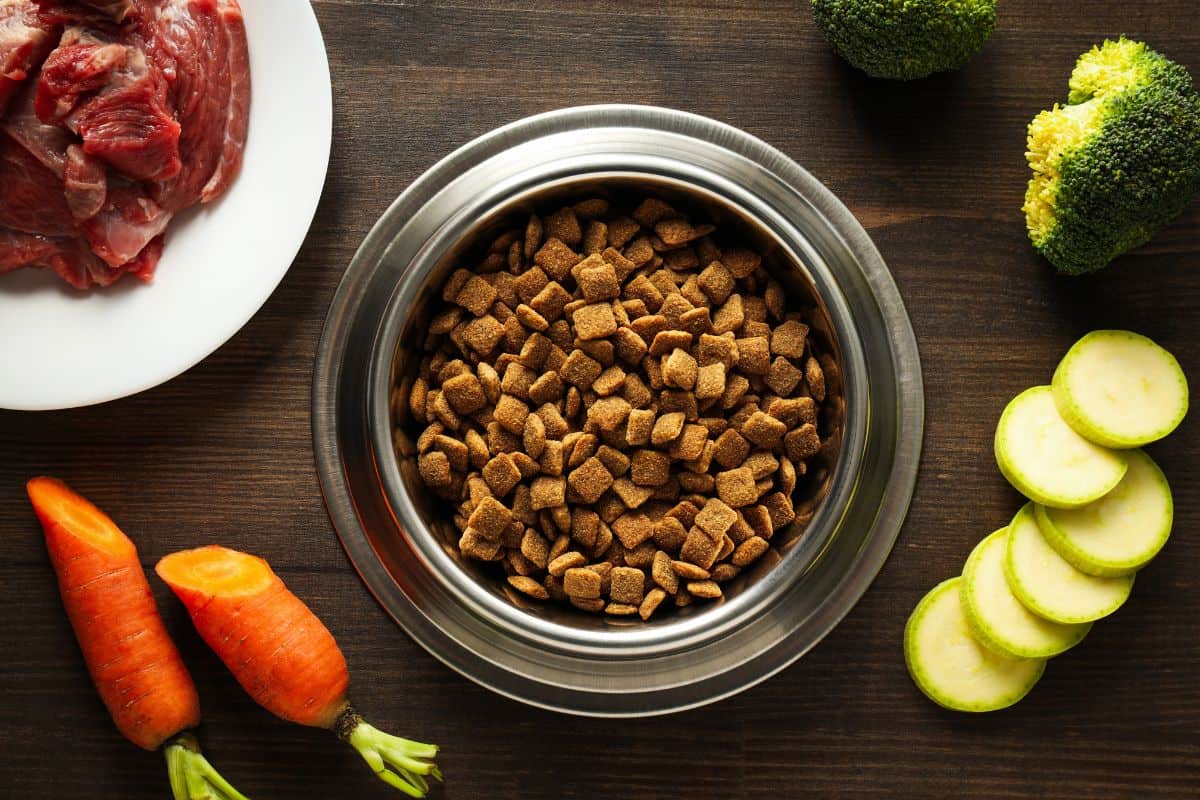
Not every dog requires gluten-free food, but some dogs may show signs that certain ingredients don’t agree with them. Pet parents often begin a search for the best gluten-free dog food when they notice ongoing digestive discomfort or changes in their dog’s eating habits.
Some dogs appear uncomfortable after eating certain foods, while others may experience occasional itching, gas, or loose stool. While these signs can have many causes, adjusting a dog’s diet to include simpler ingredients can sometimes make a noticeable difference.
I love how many pet owners today take a thoughtful approach to choosing dog food, carefully reading the ingredient list and looking for formulas designed for sensitive digestion. Selecting foods made with limited ingredients, such as lamb, chicken, or beef, and combining them with gentle additions like pumpkin may help create a more comfortable eating experience for some dogs.
If concerns continue, it’s always wise to speak with a veterinarian before making major diet changes.
Popular Gluten-Free Dog Food Brands to Consider
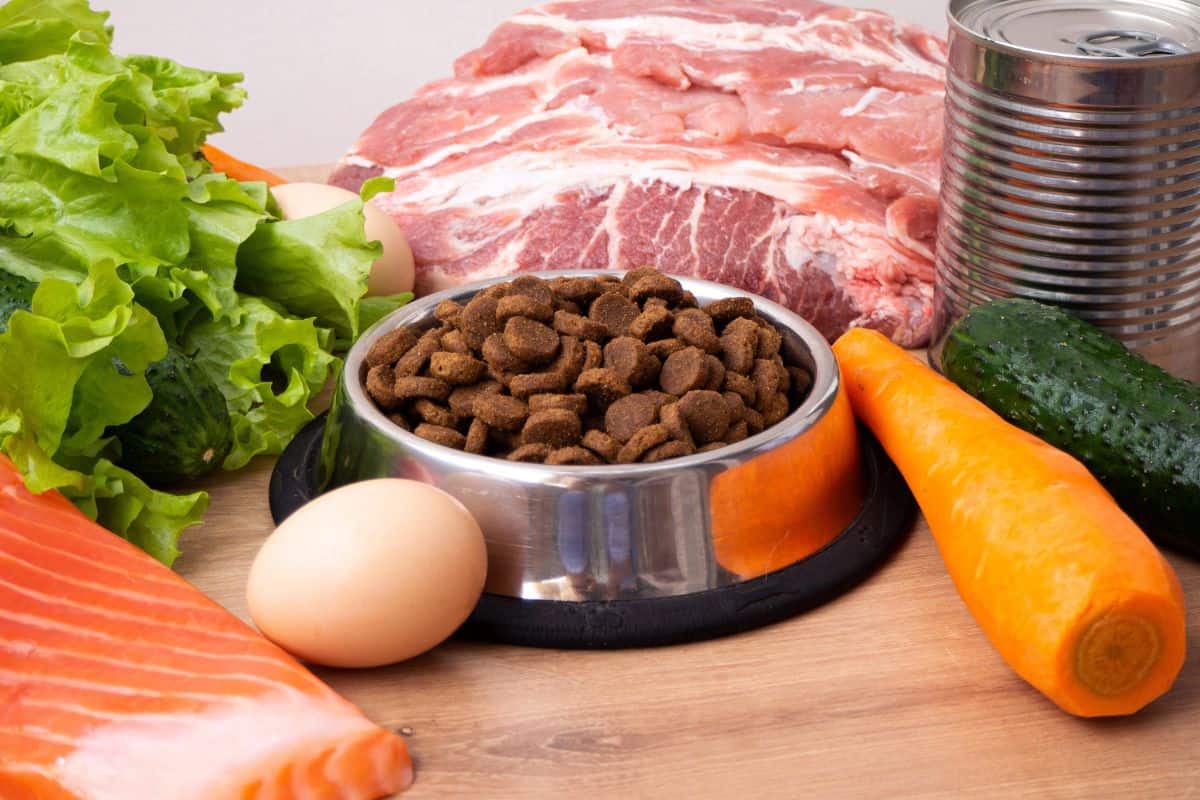
As interest in specialized diets has grown, several gluten-free dog food brands now offer high-quality options for dogs with sensitivities. Many of these products focus on simple recipes with recognizable ingredients and balanced nutrition.
Some pet owners explore options like Purina gluten-free dog food formulas, which often provide carefully tested nutrition designed to support everyday health. Others search for specialty formulas similar to Royal Canin gluten-free dog food, which are sometimes developed with specific digestive needs in mind.
In stores and online, it’s also easy to shop for gluten-free dog food Walmart carries, along with other retailers that offer a wide range of gluten-free dry dog food options. These foods are often available in different package sizes and protein varieties, so you can find something that works for your dog’s preferences.
Many trusted top brands create formulas using high-quality proteins like chicken, beef, or lamb, paired with vegetables and gentle carbohydrates. In my experience, dogs often respond well to foods with straightforward recipes that keep the ingredient list simple and nourishing.
Gluten Free Dog Food Recipes and Homemade Options
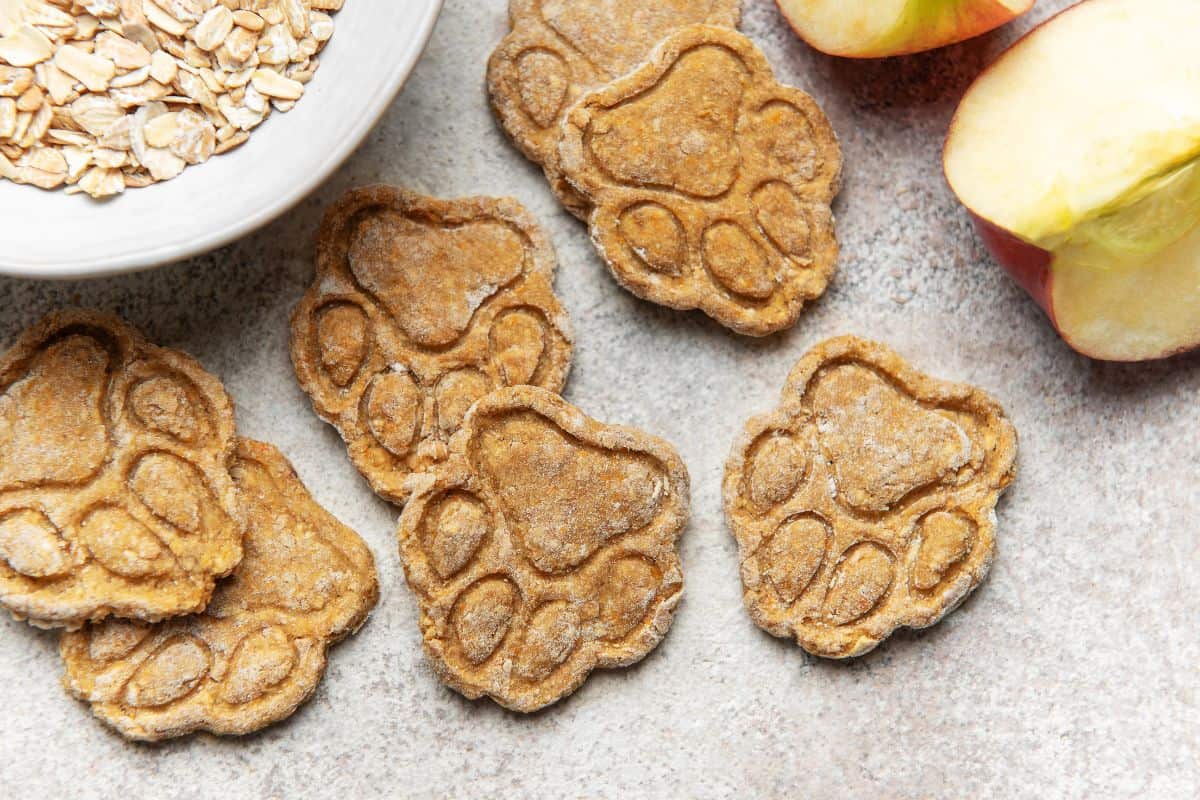
Some dog owners enjoy exploring gluten-free dog food recipes to prepare meals at home. Homemade meals can allow for complete control over the ingredients, which can be helpful when managing sensitivities.
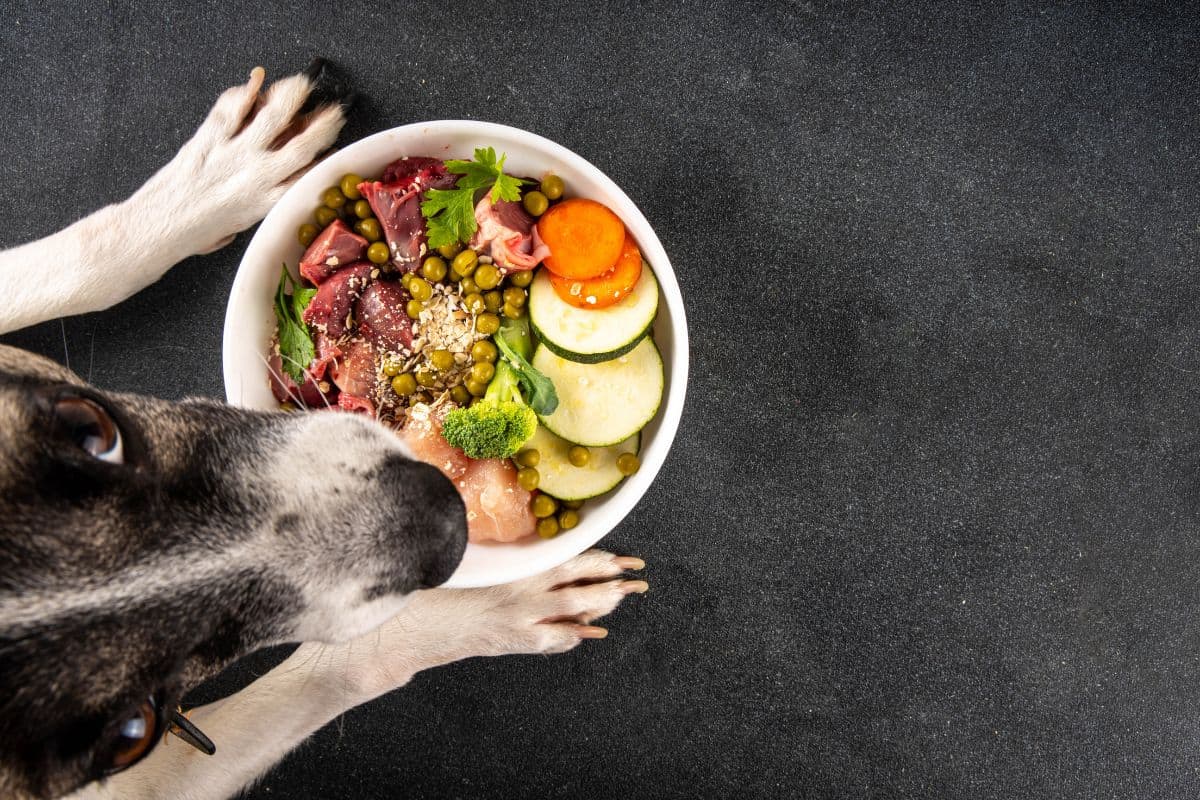
For example, simple recipes might include cooked chicken or beef, mixed with vegetables such as pumpkin, carrots, or sweet potatoes. These ingredients can create a balanced base when prepared thoughtfully.
However, homemade diets require careful planning to ensure dogs receive the right nutrients. Dogs have specific dietary needs, and a balanced diet must include appropriate vitamins and minerals. I’ve noticed that many pet parents combine home-prepared meals with high-quality gluten-free dry dog food to maintain balance and convenience.
If you’re considering cooking meals at home, it’s helpful to consult with a veterinary professional who can guide proper nutrition for your dog’s unique needs.
Choosing the Best Gluten-Free Dog Food for Sensitive Dogs
When selecting the best gluten-free dog food, the ingredient list can tell you a lot about its quality. Look for clearly named protein sources like chicken, lamb, or beef, along with whole ingredients such as vegetables or fruits.
Many dogs also do well with foods that include digestive-friendly ingredients like pumpkin, which can gently support stomach comfort. Balanced recipes should include a mix of protein, healthy fats, and other nutrients to support your dog’s overall health.
Some pet owners compare multiple dog foods before choosing a formula, reading reviews and researching trusted top brands. I’ve found that taking a little time during the search process can help you feel more confident in the products you bring home.
It’s also helpful to introduce any new dog food gradually. Slowly mixing the new food with the previous one over several days can help dogs adjust comfortably to the change.
Gluten Free vs Grain Free Dog Foods
One of the most common questions dog owners ask is whether to choose gluten-free food.
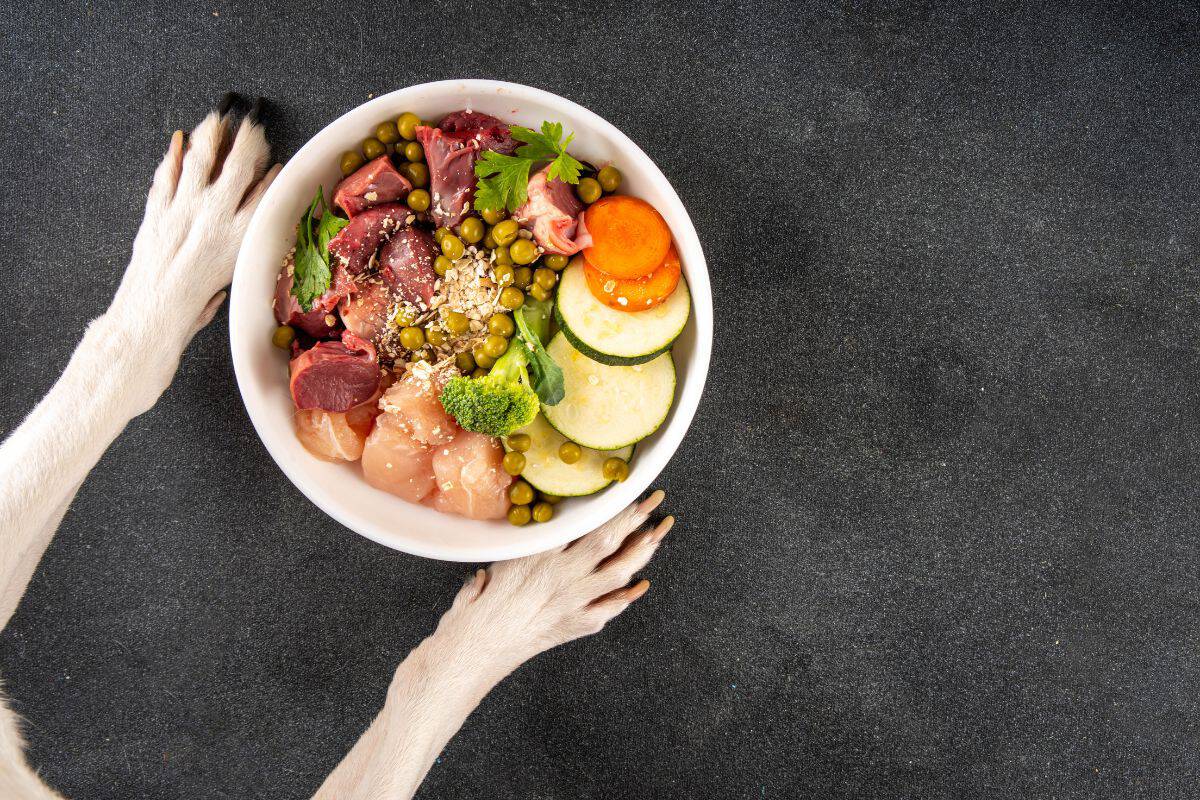
A gluten-free dog food removes gluten-containing grains but may still include other gluten-free grains. Meanwhile, grain-free gluten-free dog food removes grains entirely, replacing them with ingredients like potatoes, peas, or lentils.
Both options can work well depending on your dog’s needs. Some dogs digest rice or oats perfectly well, while others seem to do better with completely grain-free recipes.
I’ve noticed that many dogs simply benefit from dog foods made with thoughtful ingredients and balanced nutrition, regardless of whether they include grains.
Final Thoughts
Choosing the right gluten-free dog food doesn’t have to be complicated. With a little attention to your dog’s individual needs, it becomes much easier to find an option that keeps them comfortable and happy.
In my experience, dogs often do best on a simple, consistent diet that suits their digestive system and lifestyle.
As long as your dog is thriving, energetic, and feeling their best, you’re on the right track.
FAQ
The best gluten-free dog food depends on your dog’s size, age, and dietary needs. Many owners look for formulas with high-quality proteins like chicken, beef, or lamb, along with gentle ingredients such as pumpkin that help support digestion.
No. Gluten-free dog food removes gluten-containing grains like wheat, while grain-free foods remove all grains entirely. Some dogs do well with gluten-free foods that still contain grains like rice or oats.
You can shop for gluten-free dog food at many pet stores, online retailers, and large stores such as Walmart.
Most dogs do not require a gluten-free diet, but some dogs with sensitivities may benefit from gluten-free foods. Choosing high-quality dog foods with balanced ingredients can help support overall well-being.




Leave a Reply