
Socialization often sounds like something you have to rush through, but it doesn’t really work that way. Whether you’re helping a puppy or an adult dog, the goal is comfort and confidence, not forced encounters. With steady, positive experiences, dogs can learn that new people and situations aren’t something to fear.
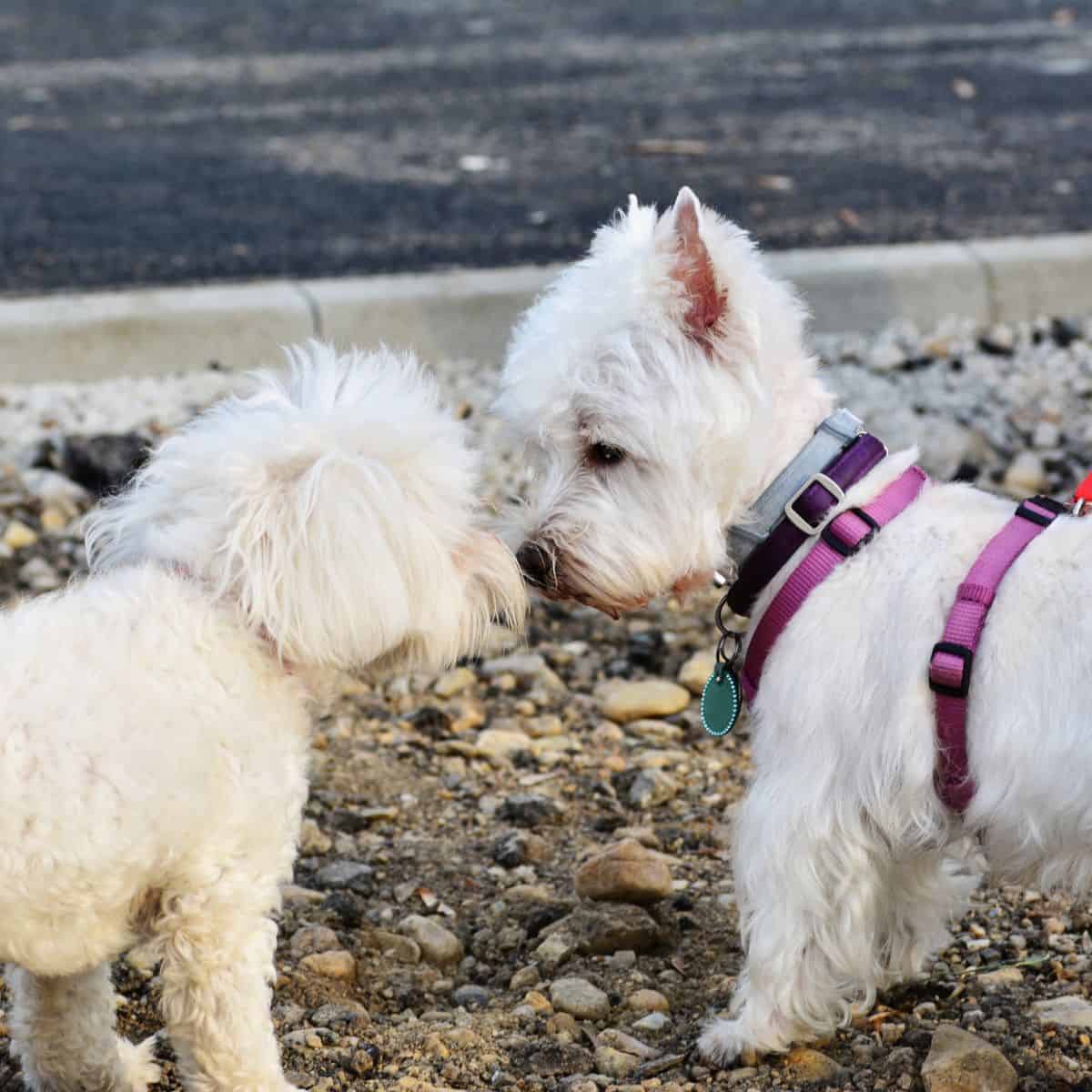
Jump to:
- What Dog Socialization Really Means
- Why Positive Training Works Best
- Socializing a Puppy vs an Adult Dog
- Reading Your Dog’s Comfort Signals
- Introducing New People the Right Way
- Helping Your Dog Be Social Around Other Dogs
- Everyday Socialization Opportunities
- Common Socialization Mistakes to Avoid
- How Long Does Socialization Take?
- Final Thoughts
- FAQ
- YOU MAY ALSO LIKE
What Dog Socialization Really Means
The goal of socialization isn’t constant engagement. It’s teaching your dog how to remain relaxed when faced with unfamiliar sights and sounds. In many cases, success shows up as quiet confidence rather than excitement.
When you socialize your dog using positive methods, you’re helping them understand what’s normal and safe. Over time, this builds trust and reduces fear-based behaviors. The right approach focuses on quality experiences, not quantity.
Why Positive Training Works Best
Positive training creates emotional safety, which is essential for social growth. I love how reward-based methods encourage dogs to make good choices instead of reacting out of fear. When dogs feel pressured or punished during social interactions, they often shut down or become reactive.
Using praise, treats, and calm encouragement helps your dog learn at their own pace. This is especially important when teaching an adult dog who may already have strong opinions about the world. Positive training shows your dog that new experiences lead to positive outcomes.
Socializing a Puppy vs an Adult Dog
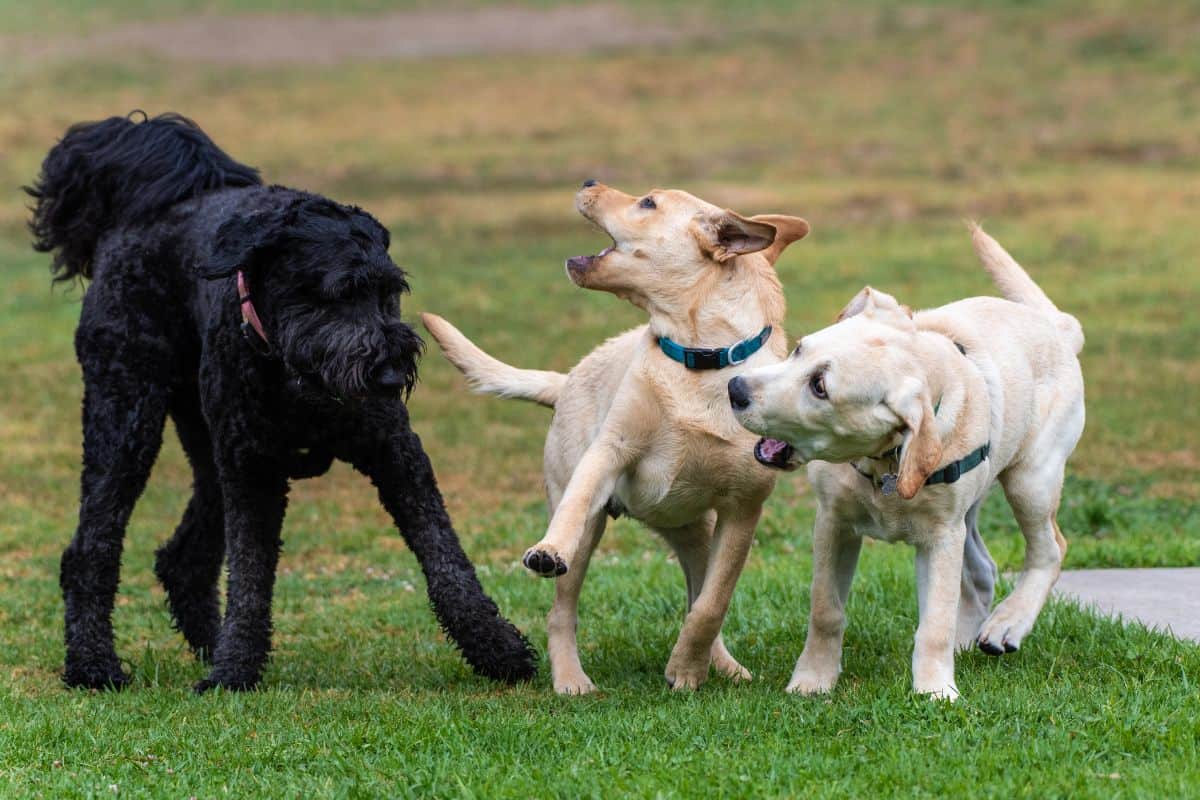
Puppies are often more flexible, but adult dogs can absolutely learn social skills, too. I’ve noticed adult dogs tend to need slower introductions and clearer boundaries. They may have had limited exposure earlier in life, but that doesn’t mean it’s too late.
When socializing an adult dog, patience is key. Start with low-pressure environments and build gradually. Let your dog choose how close they want to be to new people or dogs. Respecting their comfort level helps them feel in control, which speeds up learning.
Reading Your Dog’s Comfort Signals
Understanding your dog’s body language is one of the most important parts of socialization. I love how dogs communicate clearly once you know what to look for. Relaxed posture, soft eyes, and loose movement usually mean your dog is comfortable. Tension, freezing, or avoidance can signal that they need space.
It’s okay to pause when your dog seems overwhelmed. Socialization isn’t about forcing situations; it’s about helping your dog feel safe. Quiet observation can be just as valuable as direct interaction.
Introducing New People the Right Way
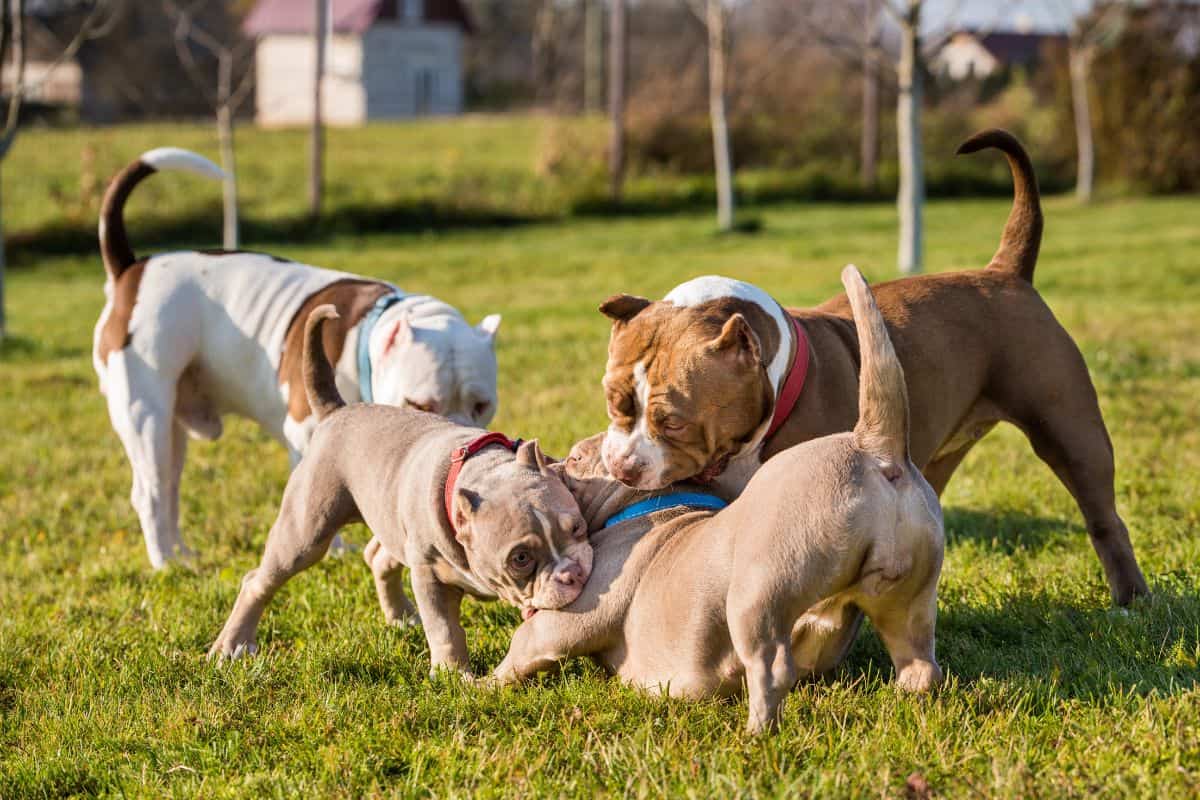
New faces can be a lot for certain dogs. Keeping introductions quiet and pressure-free often works best. Asking visitors to avoid eye contact or interaction at first allows your dog to settle and approach on their own terms. When calm behavior is rewarded, confidence tends to grow naturally.
Helping Your Dog Be Social Around Other Dogs
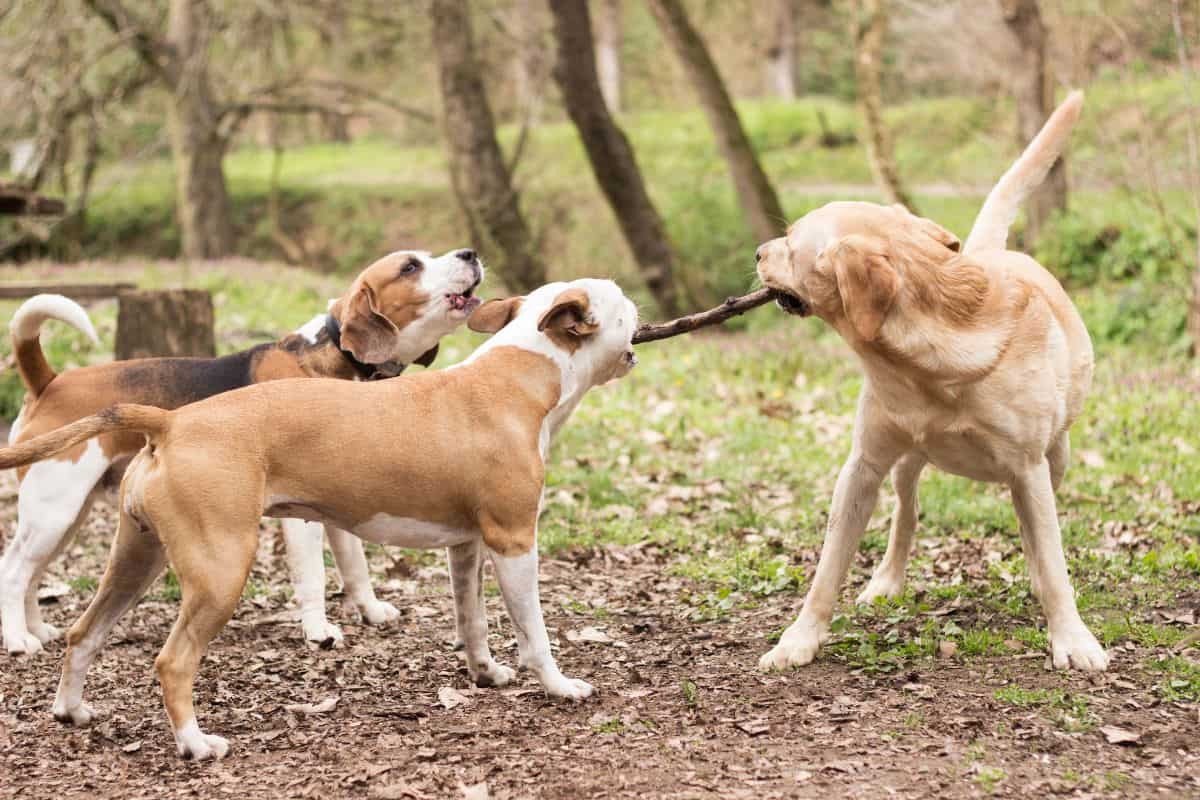
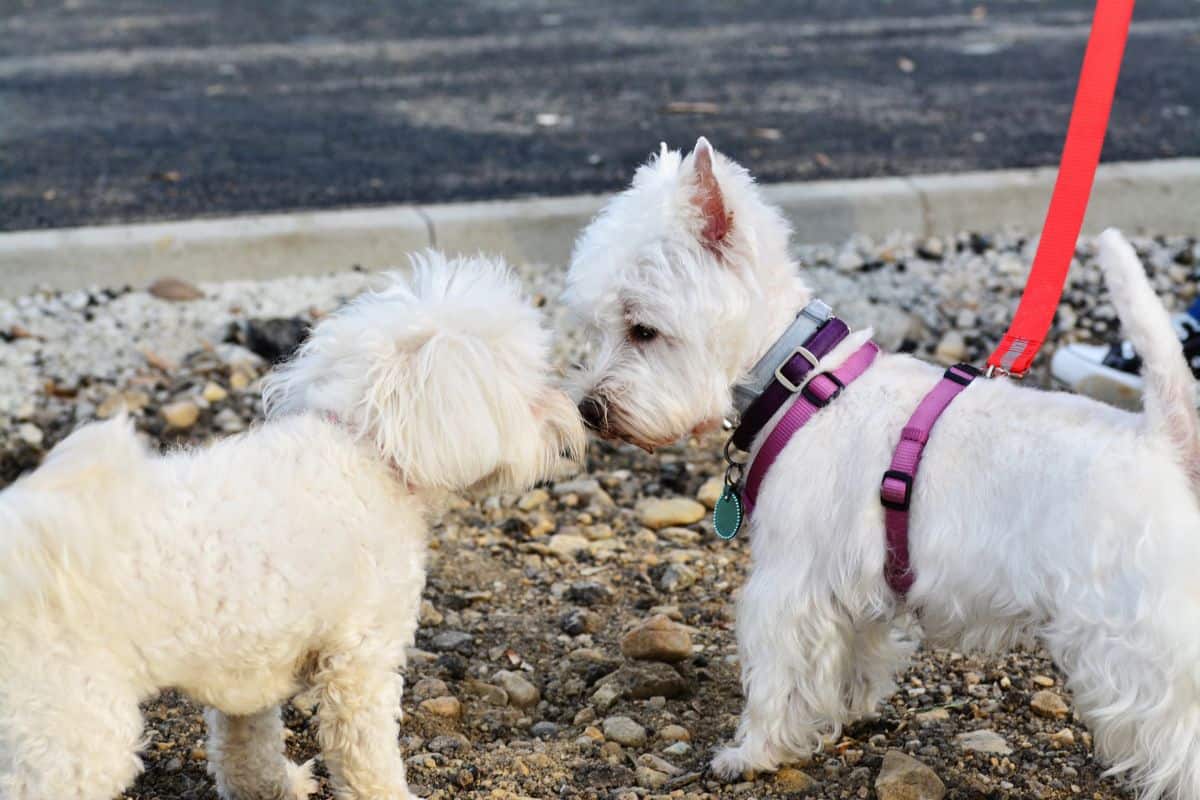
Dog-to-dog social skills don’t always come naturally. I love how some dogs enjoy parallel activities more than direct play. Walking calmly near another dog without interaction can be just as valuable as playtime.
When you socialize your dog with others, choose calm, well-mannered dogs as role models. Short, positive encounters help build confidence. If your dog feels overwhelmed, increasing distance is often the right move.
Everyday Socialization Opportunities
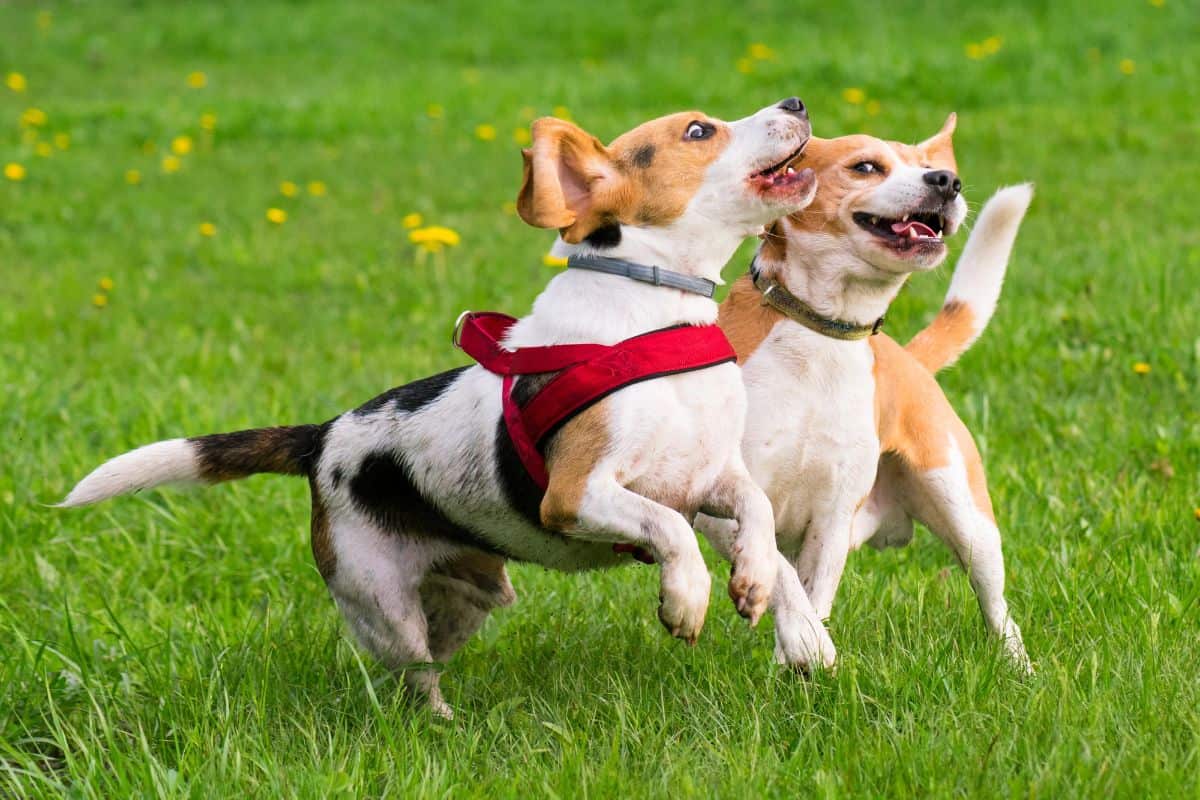
Socialization doesn’t have to mean special outings. I’ve noticed that everyday life offers countless chances for socializing. Walking past people, hearing traffic, watching kids play from a distance, these moments all teach your dog how to exist calmly in the world.
Consistency matters more than intensity. Short, positive experiences repeated over time help your dog build lasting confidence. Even sitting quietly in a park and observing can be powerful training.
Common Socialization Mistakes to Avoid
One common mistake is moving too fast. I love how slowing down often leads to quicker progress. Flooding your dog with too many experiences can backfire and create fear.
Another mistake is comparing your dog to others. Every dog has a different personality. Some are naturally outgoing, while others are reserved. The goal of socialization isn’t to change your dog, but to help them feel safe being themselves.
How Long Does Socialization Take?
Socialization is ongoing, not a one-time task. I’ve noticed that dogs continue to learn throughout their lives. Some dogs show progress quickly, while others take months to feel comfortable in certain situations.
Celebrate small wins. Choosing to stay calm, recover faster from surprises, or approach something new are all signs of growth. Trust the process and keep experiences positive.
Final Thoughts
Positive socialization focuses on building trust rather than forcing change. Whether you’re guiding a puppy or an older dog, gentle training and patience help confidence grow naturally. Progress matters more than perfection.
FAQ
Learning to socialize a dog properly means helping your dog feel calm and safe around new experiences, rather than forcing them to interact. Socialization is about exposure, building confidence, and teaching your dog to be comfortable around people, dogs, and everyday situations.
No, it’s never too late. An adult dog can absolutely learn social skills with the right approach. Socializing adult dogs often takes more time and patience, but positive training methods work well when introductions are slow and respectful.
Positive training focuses on rewards, calm encouragement, and letting your dog move at their own pace. When you socialize your dog this way, they learn that new situations lead to positive outcomes rather than stress or fear.
Socialization is an ongoing process rather than a finish line. Some dogs show progress quickly, while others need weeks or months to feel comfortable. Consistent, positive socializing over time leads to the best results.
If your dog is nervous around people, start with distance and observation. Let your dog watch calmly without being approached. Over time, they’ll learn that people don’t always mean interaction, which often builds confidence faster.
No. Forcing interaction can make fear or reactivity worse. Some dogs are more comfortable being social without direct play. Calm coexistence is a valid and healthy form of socialization.
Signs of stress include freezing, turning away, excessive panting, barking, or refusing treats. If you notice these behaviors, giving your dog more space is usually the right choice. Successful socializing respects your dog’s comfort signals.
Training teaches skills such as sit or stay, while socialization builds emotional comfort and confidence in the world. Both work best together, especially when using positive methods.
Short, frequent experiences are more effective than long, overwhelming ones. Daily walks, calm exposure to new environments, and gentle interactions help dogs learn steadily without pressure.
Yes. Many behavior challenges stem from fear or uncertainty. Proper socialization, especially when started gently, can reduce anxiety and help dogs feel more secure in everyday situations.




Leave a Reply