
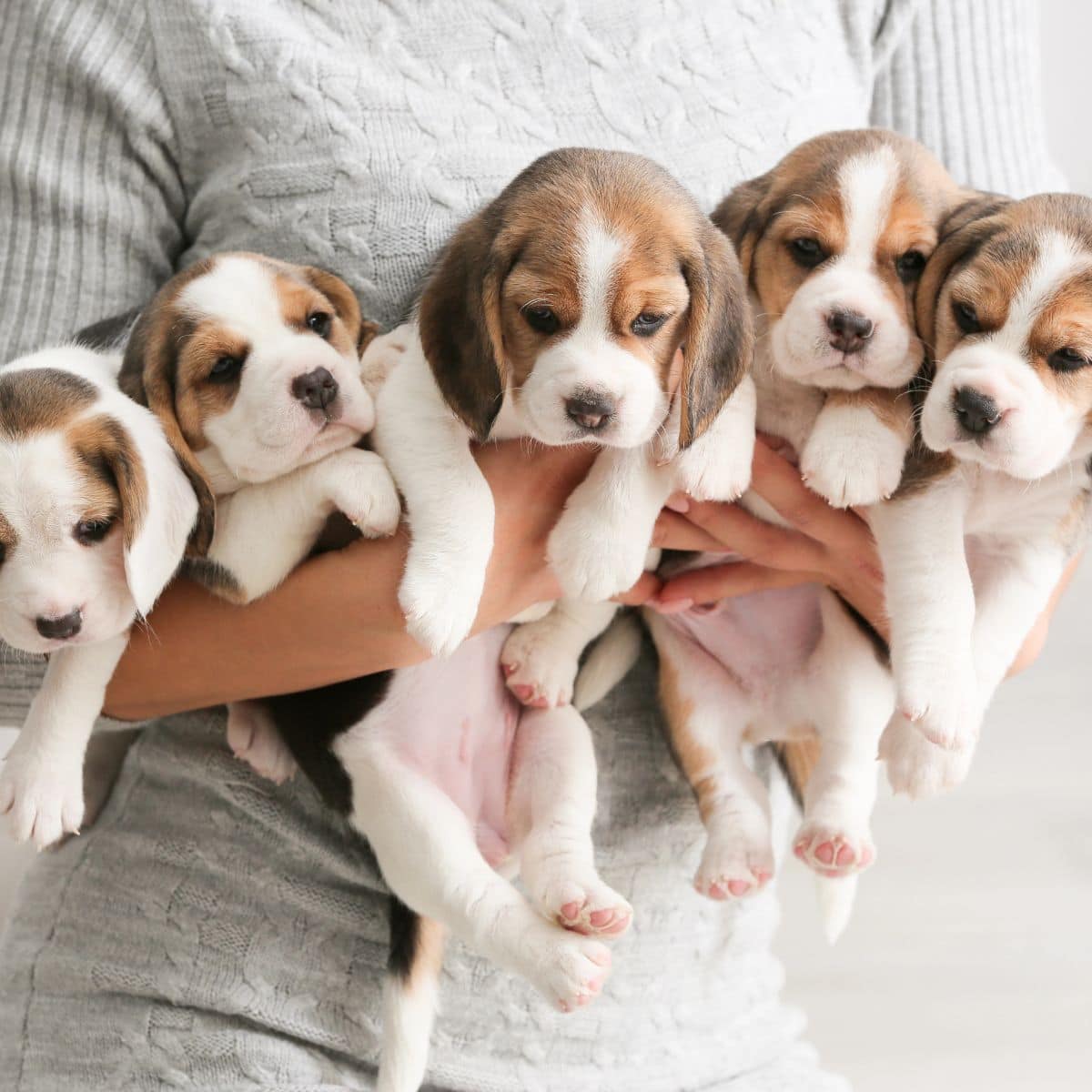
Bringing home a puppy is one of those moments that sticks with you for life. I still remember standing in front of a wiggly litter, heart racing, wondering how anyone could possibly choose one. All puppies are cute, after all. But knowing how to pick a puppy from a litter the right way goes beyond falling for the first tiny face that looks at you.
Jump to:
- Why Choosing the Right Puppy Matters
- Start With the Right Breeder
- Observe the Litter Before Picking a Puppy
- Look at Puppy Health First
- Understanding Puppy Temperament
- Match the Puppy to Your Family and Lifestyle
- How Breed Influences Your Choice
- Spend One-on-One Time With the Puppy
- Don’t Rush the Decision
- Final Thoughts
- FAQ
- YOU MAY ALSO LIKE
Choosing the right puppy is about balance, emotion, and observation. It’s about matching energy, temperament, and health with your lifestyle, your family, and the kind of life you want to build together. Over time, I’ve noticed that people who take a little extra time at this stage often feel more confident, less stressed, and more connected once that puppy comes home.
Let’s walk through what really matters, calmly and thoughtfully.
Why Choosing the Right Puppy Matters
A puppy isn’t just a short-term commitment. This is a dog who will grow with you, learn from you, and become part of your daily rhythm. The puppy you choose from a litter can influence everything, from how training goes to how your dog fits into your family life.
Different puppies, even from the same litter, can have very different personalities. Some are bold, some are sensitive, and some are perfectly content observing from the sidelines. None of these traits is “wrong,” but they may or may not be right for you.
Start With the Right Breeder
Before you even meet the litter, choosing a responsible breeder is one of the most important steps. A good breeder cares deeply about the health and temperament of their dogs and breeds with intention, not convenience.
A reputable breeder will:
- Be open about the puppy’s breed background and health history
- Allow you time with the litter and the mother
- Ask you questions about your lifestyle and experience
- Care where their puppies end up
You may even want to bring a puppy health record book to jot down vaccination details, breeder notes, and any health information shared during your visit.
I love how good breeders see themselves as matchmakers, not sellers. They understand that placing the right puppy with the right people matters.

Observe the Litter Before Picking a Puppy
When you meet the litter, resist the urge to immediately scoop up the first puppy that runs over. Instead, take a few minutes to watch.
Notice how the puppies interact with each other:
- Which puppies are confident and curious?
- Which hang back or observe quietly?
- Which puppies start play, and which one prefers calm interaction?
I’ve noticed that watching quietly often reveals more than direct handling at first. These early behaviors can hint at a puppy’s natural temperament.
Look at Puppy Health First
Health should always come before personality. A healthy puppy usually shows:
- Clear eyes and nose
- Clean ears
- A shiny coat
- Good balance and movement
- Interest in people and surroundings
A puppy that seems consistently lethargic, avoids interaction, or struggles to move comfortably may need extra attention. While no puppy is perfect, basic health signs are important when choosing from a litter.

Understanding Puppy Temperament
A dog’s personality has a big impact on daily life. Training helps, but a puppy’s natural disposition still shines through.
Ask yourself:
- Do you want an active dog or a calmer companion?
- Will this puppy be around kids or other dogs?
- Do you enjoy structured training, or prefer a more relaxed approach?
Some puppies thrive with constant engagement, while others are content with quiet time. Neither is better, just different.
Match the Puppy to Your Family and Lifestyle
Your daily routine matters more than people often realize. A puppy that’s perfect for one family may not be ideal for another.
Think about:
- Your work schedule and available time
- Whether you have children or other pets
- Your experience with dogs and training
- Your energy level
I’ve noticed that families who choose a puppy that fits their real lifestyle, not their ideal one, tend to feel happier in the long term.

How Breed Influences Your Choice
While every dog is an individual, breed traits still matter. Different breeds have different energy levels, exercise needs, and training styles.
Understanding the general tendencies of the breed helps you:
- Set realistic expectations
- Choose a puppy aligned with your activity level
- Avoid common frustration later
A good breeder will explain how the breed typically behaves and how puppies from this litter may mature over time.
Spend One-on-One Time With the Puppy
If possible, ask to interact with individual puppies. Sit down on the floor, let them approach you, and see how they respond.
Pay attention to:
- How the puppy reacts to gentle handling
- Whether they recover quickly from new sounds or movements
- Their interest in people
I love how these quiet moments often feel more telling than energetic play. Sometimes the puppy that calmly curls up beside you ends up being the perfect match.
Don’t Rush the Decision
Time is your friend here. A responsible breeder will never pressure you to choose immediately. Take a breath, ask questions, and trust the process.
It’s okay to feel emotional; this is exciting, but grounding that excitement with thoughtful observation helps you choose wisely.
Final Thoughts
Learning how to pick a puppy from a litter the right way is about more than checking boxes. It’s about connection, patience, and being honest with yourself about what fits your life. The right puppy isn’t always the loudest, the boldest, or the one that grabs your shoelaces first.
Often, the best choice feels steady and clear rather than rushed. When health, temperament, and lifestyle align, you’re not just choosing a puppy, you’re welcoming a companion who will share your home, your routines, and your daily life for years to come.
That kind of commitment deserves thoughtful care.

FAQ
Not necessarily. A calm puppy can be a great fit for some people, but others may enjoy a more playful or energetic temperament. I’ve noticed the best choice is usually the puppy whose energy feels comfortable to you, not the one that looks best on paper.
It’s sweet when a puppy runs straight over, but that alone doesn’t mean they’re the right match. Some puppies are naturally bold, while others are thoughtful observers. Both can grow into wonderful dogs; it’s more about the right fit than first impressions.
You can’t predict everything, but you can notice patterns. How a puppy reacts to people, noise, and gentle handling often gives early clues about temperament. Training will shape behavior over time, but those early tendencies still matter.
Yes, and in many cases it’s a good thing. A responsible breeder spends weeks observing the litter and understands how each puppy behaves day to day. I love when breeders help match puppies to families instead of letting people choose based on looks alone.
That fear is completely normal. The truth is, there isn’t usually just one right puppy; there are often a few good fits. With patience, training, and care, most puppies grow into the dog their people need them to be.



Leave a Reply