
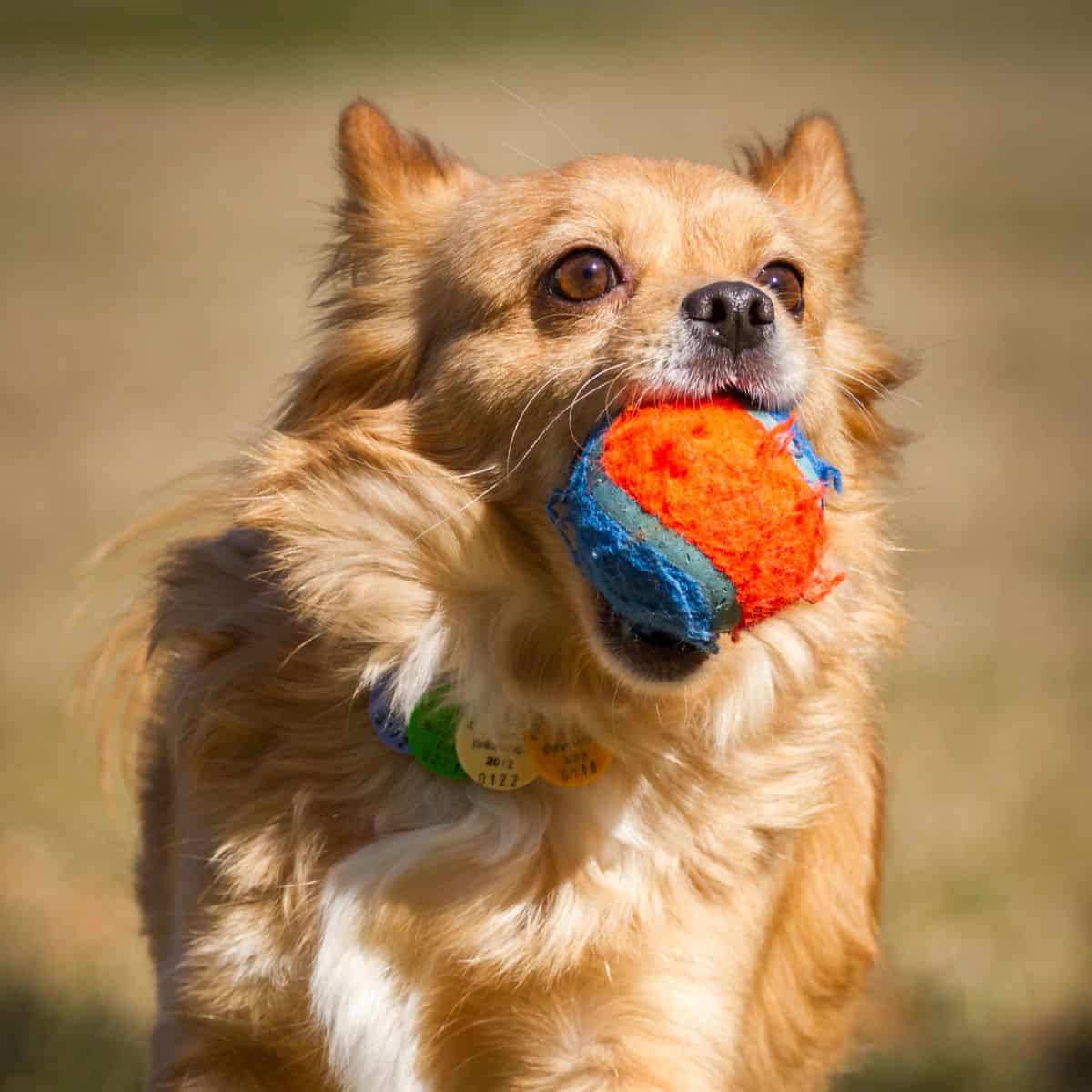
If you’ve ever watched your dog sprint across the yard after a bouncing toy, you’ve probably wondered why dogs like balls so much. From a tiny puppy discovering its first toy to older dogs that still love tennis balls, the excitement around a simple ball seems almost universal. Many dogs love tennis balls, and for pet owners, it’s easy to see how something so simple can turn into a favorite game of fetch.
Jump to:
- Why Do Dogs Like Balls? The Role of Natural Prey Drive
- Why Dogs Love Tennis Balls So Much
- The Joy of Fetch and Playing with Balls
- Fetch provides several benefits for dogs:
- Are Tennis Balls Safe for Dogs?
- Why Dogs Love Balls and Other Similar Toys
- Tips for Safe and Fun Ball Play
- Final Thoughts
- FAQ
- YOU MAY ALSO LIKE
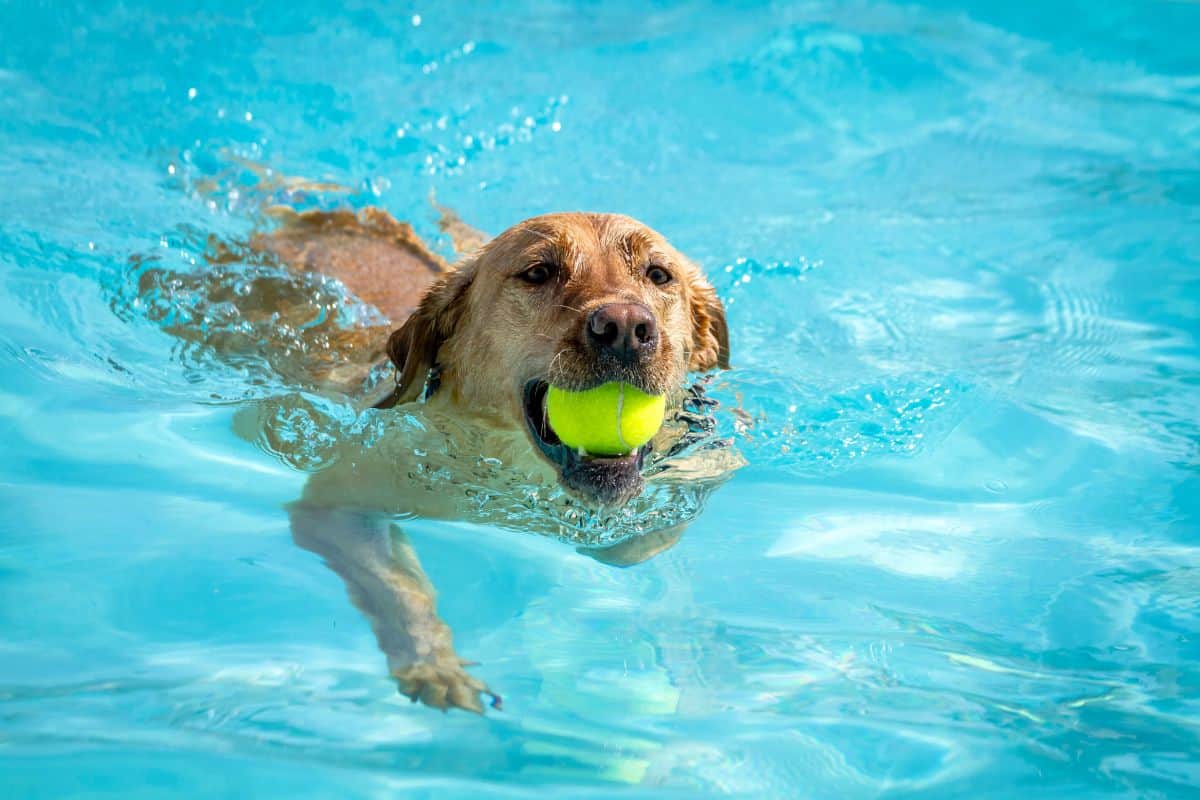
I’ve noticed that the moment a bright yellow tennis ball appears, many dogs instantly focus their attention on it. Their ears perk up, their tail starts wagging, and they’re ready to play. In my experience, this enthusiasm isn’t random.
A dog’s love of balls is connected to instinct, curiosity, and the joy of playing. Understanding why dogs love tennis balls and similar toys can help pet owners choose better toys and create more enriching playtime for their dogs.
Why Do Dogs Like Balls? The Role of Natural Prey Drive
One of the biggest reasons dogs like balls is their natural prey drive. Even the gentlest family dog carries instincts inherited from its wild ancestors. Moving objects trigger those instincts, especially when something rolls or bounces quickly across the ground.
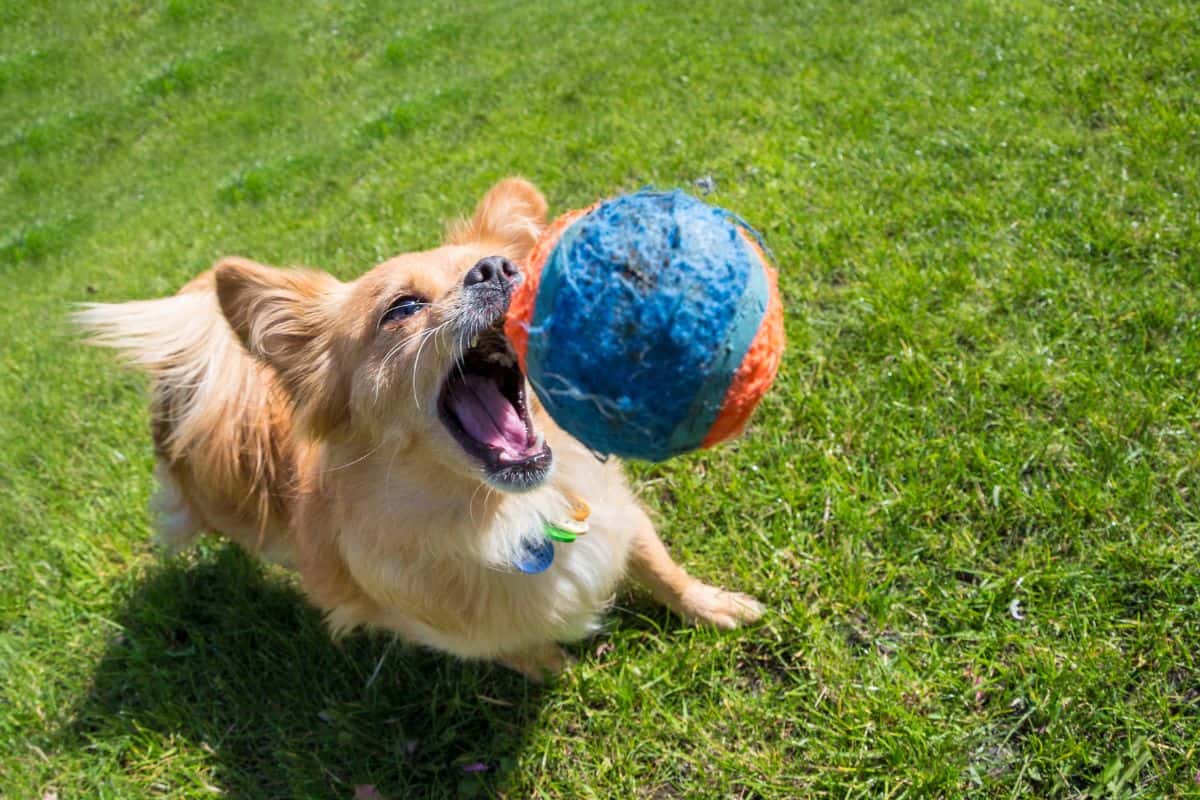
A tennis ball perfectly mimics the movement of small prey animals. When a ball rolls or bounces, dogs naturally want to chase it. That instinctive chasing behavior makes games like fetch incredibly exciting.
I love watching the moment when a dog spots a moving ball. Their body language changes instantly as they prepare to sprint after it. In many ways, the simple act of chasing a ball taps into the same instinct dogs would use when hunting in the wild.
That’s why so many dogs love tennis balls more than other toys. The size, bounce, and speed of a tennis ball make it ideal for triggering a dog’s prey instincts while still being a safe and fun activity.
Why Dogs Love Tennis Balls So Much
While dogs enjoy many different dog toys, tennis balls seem to have a special appeal. If you’ve ever had a dog that refuses to give up their tennis ball, you’re definitely not alone. Many dogs love tennis balls more than any other toy.
There are a few reasons for this. First, the bright yellow color makes tennis balls easy for dogs to spot while playing outside. Dogs don’t see colors exactly the way humans do, but bright shades still stand out clearly against grass or dirt.
Second, tennis balls are the perfect size for many dogs to carry in their mouth. They’re light enough to chase easily, but large enough for dogs to grab and bring back during fetch.
I’ve seen that dogs often become attached to their favorite tennis ball. Some will even carry it around the house like a prized possession. That attachment comes from the positive association between the ball and fun activities like playing, treats, and attention from their favorite people.
The Joy of Fetch and Playing with Balls
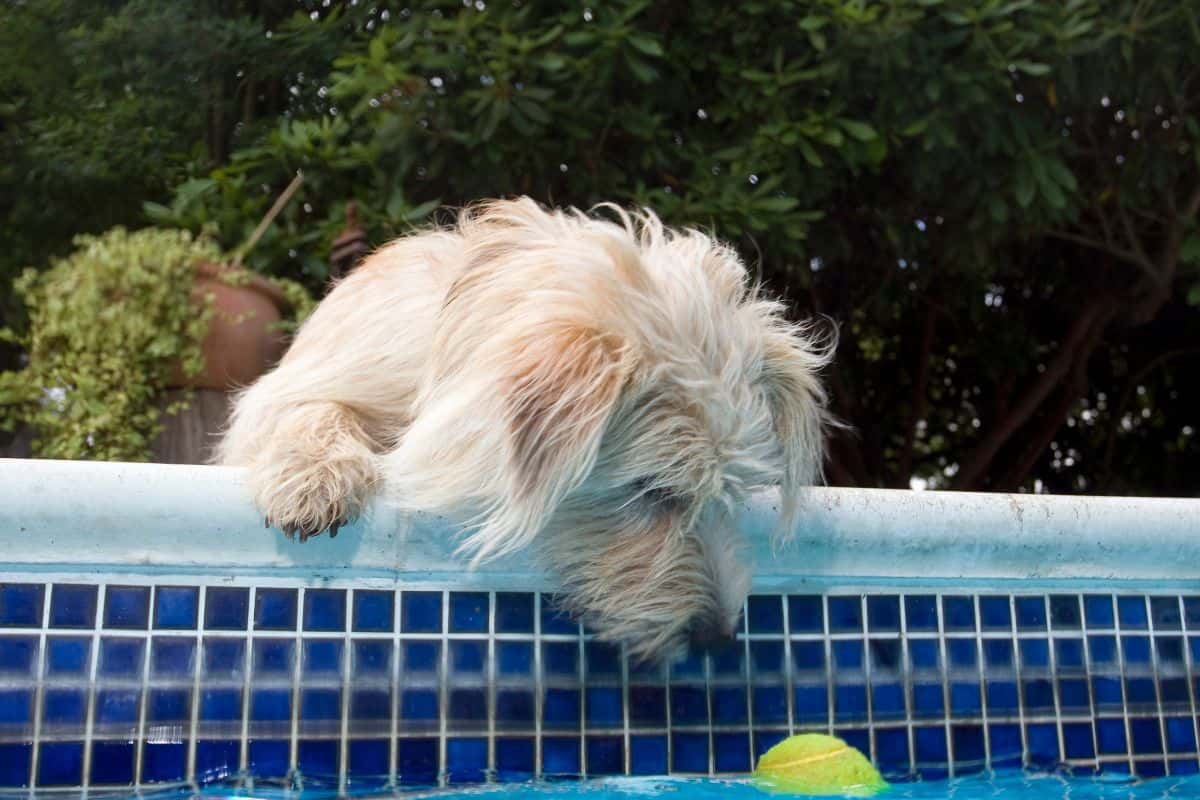
Another big reason dogs love balls is the game of fetch. Playing fetch isn’t just fun for dogs; it’s also rewarding and engaging.
When a dog chases a ball and brings it back, they receive attention, praise, and sometimes treats. Over time, the game itself becomes exciting because it connects with positive experiences.
In my experience, fetch also strengthens the bond between dogs and their people. Dogs enjoy the shared activity, the movement, and the clear purpose of the game.
Fetch provides several benefits for dogs:
- Dogs get exercise and burn off energy.
- They enjoy mental stimulation from the chase and retrieval.
- They practice problem-solving as they locate the ball.
- They receive attention and interaction from their pet owners.
All of these factors combine to make balls one of the most rewarding toys for many dogs.
Are Tennis Balls Safe for Dogs?
Many pet owners naturally wonder whether tennis balls are safe for dogs. In most cases, tennis balls can be safe and enjoyable toys when used properly.
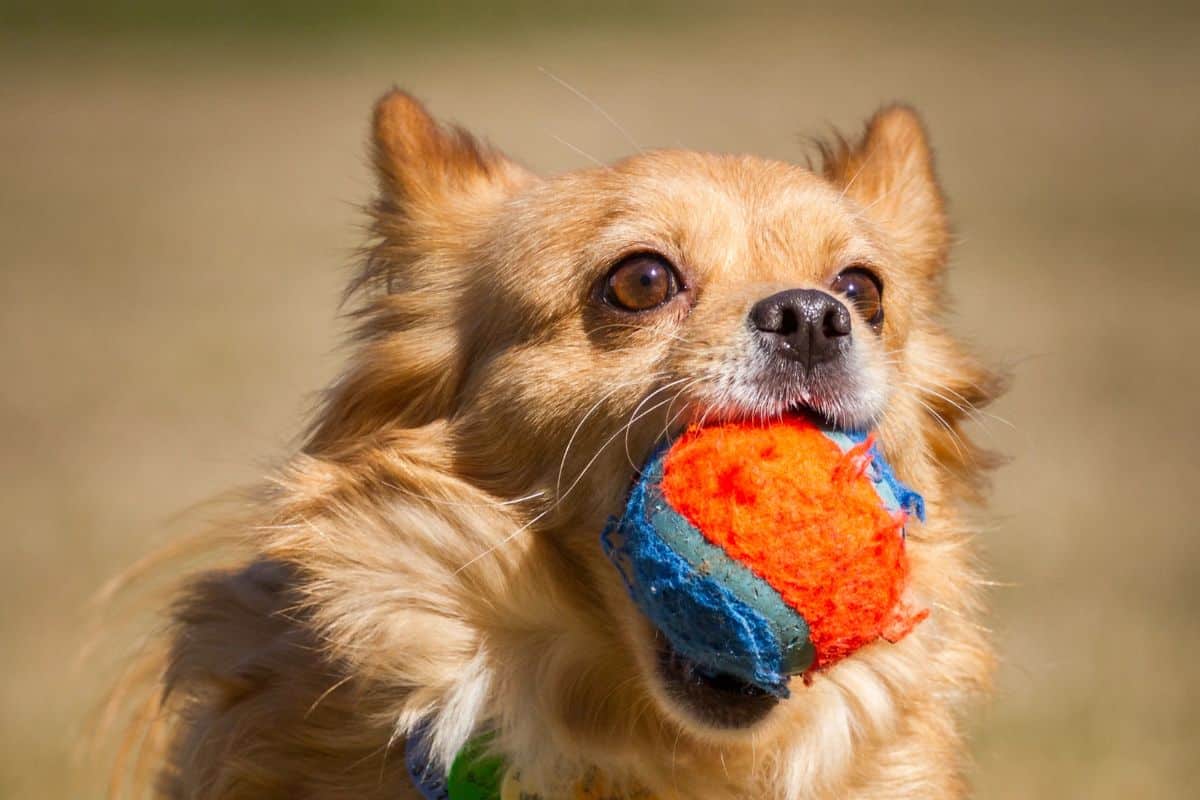
However, there are a few things to keep in mind. Some dogs love to chew their tennis balls. When a dog chews aggressively, the outer surface can wear down over time. That rough texture may eventually affect a dog’s teeth.
I always recommend supervising play time, especially if your dog tends to chew rather than simply chase the ball. Using tennis balls designed specifically for dogs can also help improve safety.
Another good tip is to regularly check your dog’s toys for damage. If a tennis ball becomes torn or flattened, it’s best to replace it.
With a little care, tennis balls can remain one of the safest and most enjoyable toys for many dogs.
Why Dogs Love Balls and Other Similar Toys
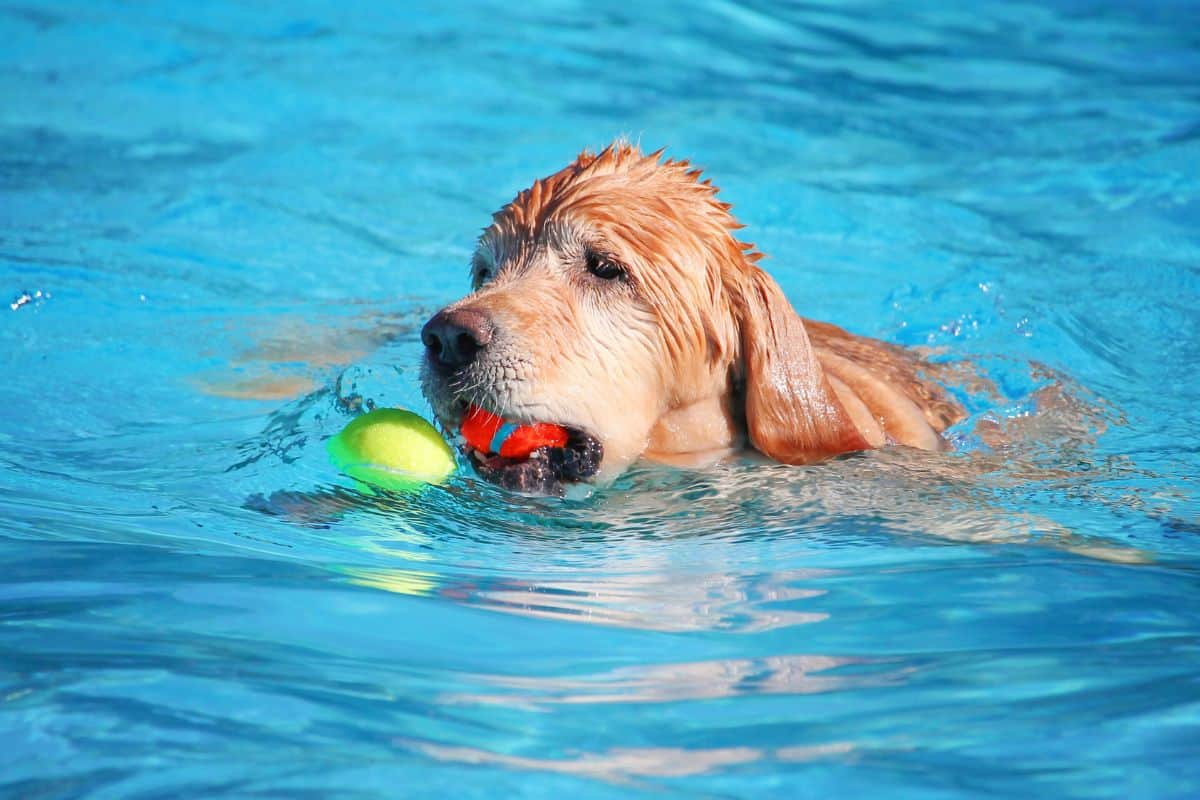
The fascination with balls also helps explain related questions, such as why dogs like squeaky balls, why they like balls and sticks, and even why they enjoy tug games.
Dogs naturally enjoy toys that move, make sounds, or involve interaction. Squeaky toys add another layer of excitement because their sound can mimic that of small animals. This is similar to how balls trigger prey instincts through motion.
You may also notice that dogs love sticks in a similar way. Sticks roll unpredictably, bounce unevenly, and encourage playful chasing behavior.
I’ve noticed that dogs often rotate between their favorite toys depending on the situation. A ball might be perfect for outdoor fetch, while tug toys are ideal for indoor playtime.
Understanding why dogs love toys in general helps pet owners provide a variety of enriching options that keep dogs engaged and happy.
Tips for Safe and Fun Ball Play
If your dog absolutely loves balls, there are a few simple tips that can make play time even better.
First, choose balls that are the right size for your dog. A ball should be large enough that it can’t be swallowed but small enough for comfortable carrying.
Second, occasionally mix up the play routine. While fetch is a favorite game, adding different toys or short training sessions during playtime can provide extra mental stimulation.
Another helpful idea is to use play time as a reward. After a short training session or a calm moment, tossing a ball can become a positive reinforcement activity.
I also like to rotate toys occasionally. When a favorite ball disappears for a while and then returns, many dogs become excited all over again.
These simple tips can keep ball play safe, engaging, and healthy for dogs of all ages.
Final Thoughts
So, why do dogs like balls so much? The answer comes down to instinct, movement, and engagement. A rolling ball taps into their natural prey drive, encourages chasing, and creates a fun shared activity with their humans.
In my experience, that excitement never really fades. From playful puppies to older dogs, the simple act of chasing a ball continues to bring energy and enthusiasm.
For pet owners, understanding this behavior helps create safer and more enriching playtime. With the right toys and a little variety, ball play can support both physical activity and mental stimulation.
Sometimes, it’s the simplest things, like the bounce of a tennis ball, that keep dogs happily engaged.
FAQ
Dogs often like squeaky balls because the sound mimics the noises made by small prey animals. This activates their natural hunting instincts and makes the toy more exciting during play.
Balls and sticks both move unpredictably, which triggers a dog’s instinct to chase. Their shape also makes them easy to carry, making them ideal toys for games like fetch.
Many dogs love tennis balls because of their bounce, texture, and bright color. The size also makes them easy to carry and retrieve, which makes them perfect for fetch.
Tug of War appeals to a dog’s natural instincts to grab and pull objects. It also creates an interactive game between dogs and their owners, which many dogs find exciting and rewarding.




Leave a Reply