
Growing up, many of us heard the same stories repeated at dog parks, family gatherings, or on the evening news. Certain dogs were labeled as aggressive, dangerous, or simply not to be trusted.
Over time, those labels stuck, shaping how people view specific dog breeds such as pit bulls, German shepherds, and chow chows. I remember hearing those same warnings over and over, long before I ever understood how complex dog behavior really is.
Jump to:
- What Does Aggression in Dogs Really Mean
- Aggression vs Protective Instincts in Dogs
- Factors That Influence Aggressive Behavior
- Dog Breeds Often Associated with Aggressive Behavior
- What Dog Bite Statistics Don’t Show
- How Early Socialization Shapes Dog Behavior
- Why Some Dog Breeds Are Misunderstood
- Final Thoughts
- FAQ
- YOU MAY ALSO LIKE
But real life with dogs is rarely that simple. Aggressive behavior in dogs is not defined by breed alone. It’s influenced by training, socialization, environment, and responsible ownership.
This guide takes a calm, honest look at dog breeds often associated with aggression, why these perceptions exist, and what truly matters when it comes to behavior, safety, and living responsibly with dogs.
What Does Aggression in Dogs Really Mean
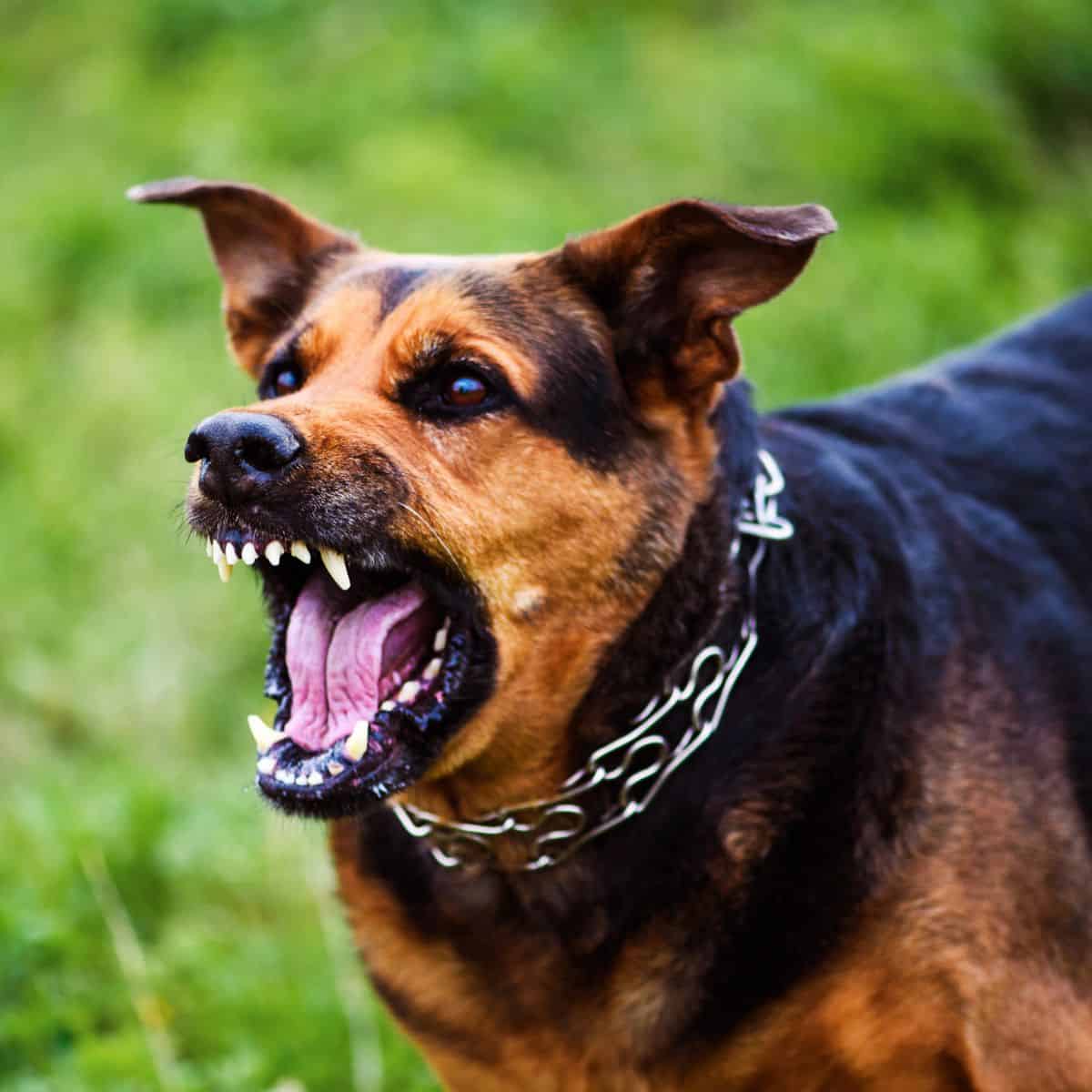
Aggression in dogs is not a single behavior. It can show up as fear-based reactions, guarding behavior, reactivity, or responses to stress and unfamiliar situations. An aggressive dog is not automatically dangerous, and aggressive behavior does not always result in dog bites or attacks.
In many cases, what people describe as aggression is actually fear, anxiety, or a lack of socialization. Understanding these differences helps owners respond more thoughtfully and reduces the risk of misunderstanding normal canine behavior.
Over time, I’ve noticed that many behaviors labeled as aggression are actually rooted in fear or confusion, especially in dogs without enough structure or guidance.
Aggression vs Protective Instincts in Dogs
Aggression and protective instincts are often confused, especially in strong or confident dog breeds. Aggression typically involves defensive or reactive behavior, while protective instincts are rooted in a dog’s natural desire to guard territory, family members, or resources.
Many dogs labeled as aggressive are actually expressing protective behavior that hasn’t been properly guided through training. Breeds developed for guarding, herding, or working closely with humans tend to be naturally alert and responsive. Without structure and clear leadership, those instincts can be misinterpreted as aggression.
Recognizing this difference shifts the conversation away from blaming breeds and toward understanding behavior development.
Factors That Influence Aggressive Behavior
Aggressive behavior in dogs is shaped by a combination of influences, including:
- Lack of proper training
- Limited early socialization
- Fear, anxiety, or chronic stress
- Environment and handling
- Owner experience and supervision
These things matter far more than breed alone. Any dog, big or small, can develop aggressive behaviors if their needs aren’t met or if it’s put into stressful situations without proper guidance or support.
Dog Breeds Often Associated with Aggressive Behavior
Some dog breeds are more frequently discussed in conversations about aggression due to their size, strength, or public perception. This does not mean these dogs are inherently dangerous, but it does mean they require thoughtful ownership, structure, and consistent training.
Pit Bull Terrier
Pit bull terriers are often at the center of discussions about aggressive dogs. Much of this reputation comes from media coverage and frequent misidentification. In reality, pit bulls are known for loyalty and people-oriented personalities.
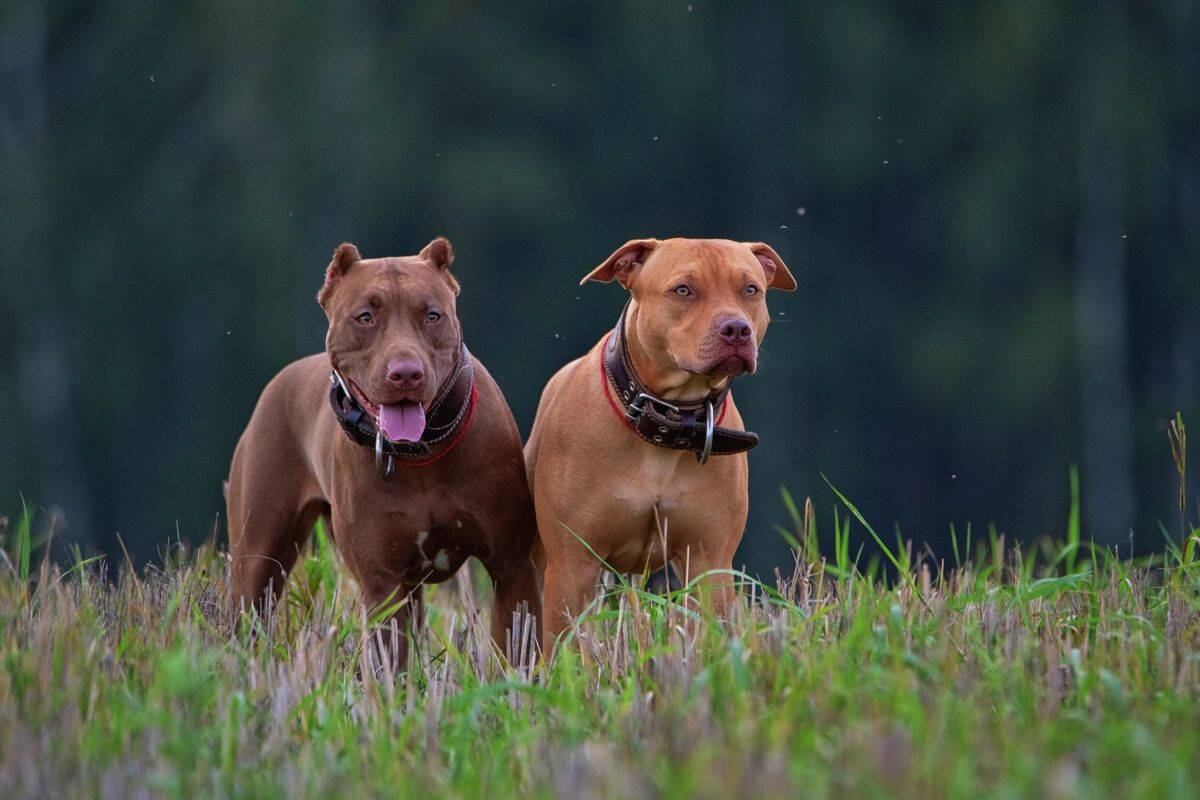
I’ve met many pit bulls that were gentle, affectionate, and far more interested in people than guarding anything at all. Like any powerful dog, they benefit from proper training, early socialization, and responsible ownership that channels their strength positively.
German Shepherd
German shepherds are intelligent, confident, and highly trainable, which is why they’re often chosen as working dogs. Their protective instincts can sometimes be misunderstood as aggression, especially when they don’t get enough mental stimulation or clear structure. With consistent training and guidance, German Shepherds usually grow into calm, focused, and dependable companions.
Chow Chow
Chow chows are naturally independent and reserved, especially around strangers. This aloof temperament is sometimes misunderstood as aggressive behavior. Early socialization and calm, consistent leadership help this breed feel secure and reduce misunderstandings in unfamiliar situations.
Jack Russell Terrier
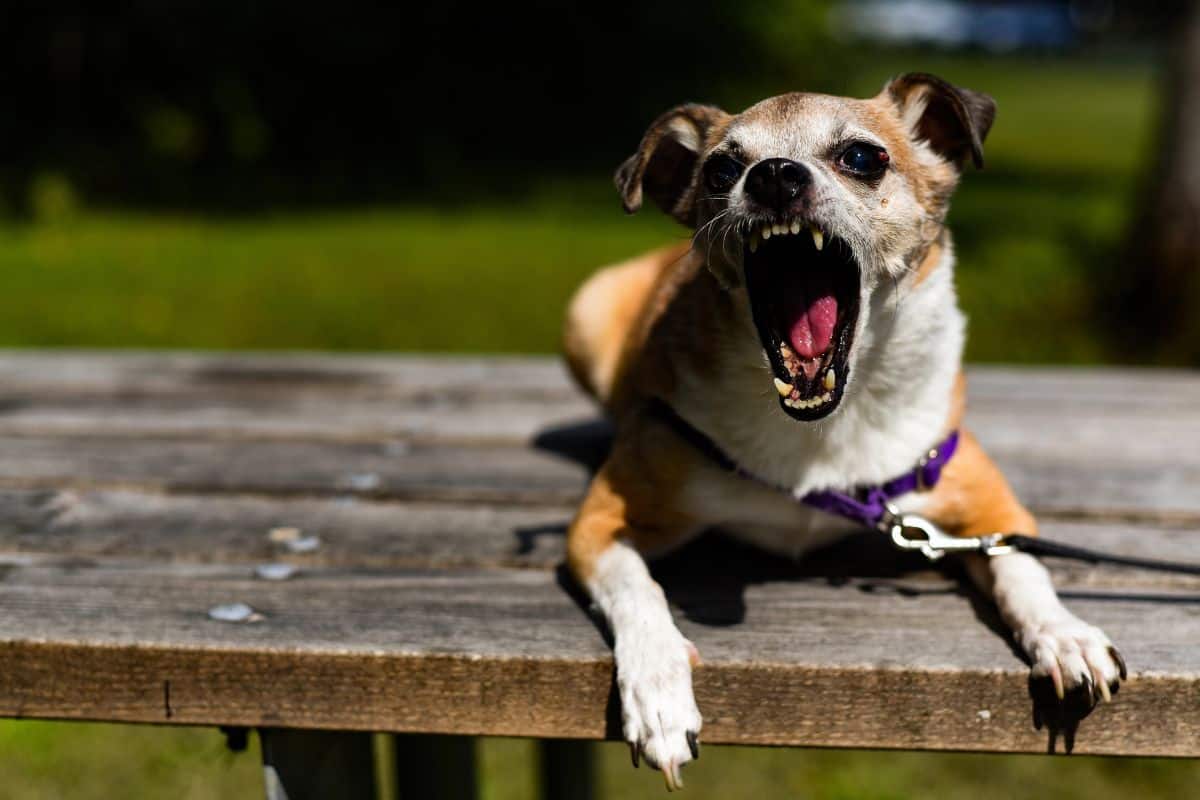
Despite their small size, Jack Russell terriers are bold, energetic, and strong-willed. Their high prey drive and intensity can lead to reactive behaviors without proper outlets. Training, structure, and mental stimulation are especially important for this breed.
Siberian Huskies
Siberian huskies are intelligent, social dogs known for independence and vocal communication. Their behaviors are sometimes misread as aggression when they are actually expressing frustration or boredom. Regular exercise, routine, and engagement help prevent unwanted behaviors.

What Dog Bite Statistics Don’t Show
Dog bite statistics are often cited when discussing aggressive dog breeds, but numbers alone rarely tell the full story. Many reports rely on visual breed identification, which can be inaccurate, especially for mixed breeds. Popular dog breeds also appear more often in statistics simply because there are more of them.
Statistics also fail to capture important context, such as whether a dog was provoked, improperly supervised, or lacking training and socialization. Fatal dog bite cases, while tragic, are extremely rare and usually involve multiple contributing factors, including neglect or irresponsible ownership.
Understanding context prevents fear-based conclusions and promotes safer, more informed discussions.
How Early Socialization Shapes Dog Behavior
Early socialization really shapes how a dog grows up. When puppies get to meet different people, spend time around other animals, and explore new places early on, they’re more likely to become confident, easygoing adults who handle life’s changes with less stress.
Socialization helps dogs learn appropriate responses to new situations, reducing fear-based reactions that may otherwise be mistaken for aggression. Combined with positive training, early experiences lay the foundation for predictable and stable behavior across all dog breeds.
Why Some Dog Breeds Are Misunderstood
Some breeds are more likely to be labeled aggressive simply because they are strong, visually intimidating, or frequently mentioned in the media. Over time, these labels become part of public perception, even when they don’t reflect individual behavior. I’ve noticed how quickly assumptions form about certain dogs before anyone even gets a chance to know them.
Breed popularity also plays a role. When a dog breed becomes common, it naturally appears more often in reports, statistics, and news stories. This visibility can create a feedback loop where certain breeds are unfairly associated with aggression, while others are overlooked.
Blaming the breed often misses the bigger picture. What really matters is responsible ownership—along with proper training and early socialization—which plays a much bigger role in how a dog behaves.
Final Thoughts
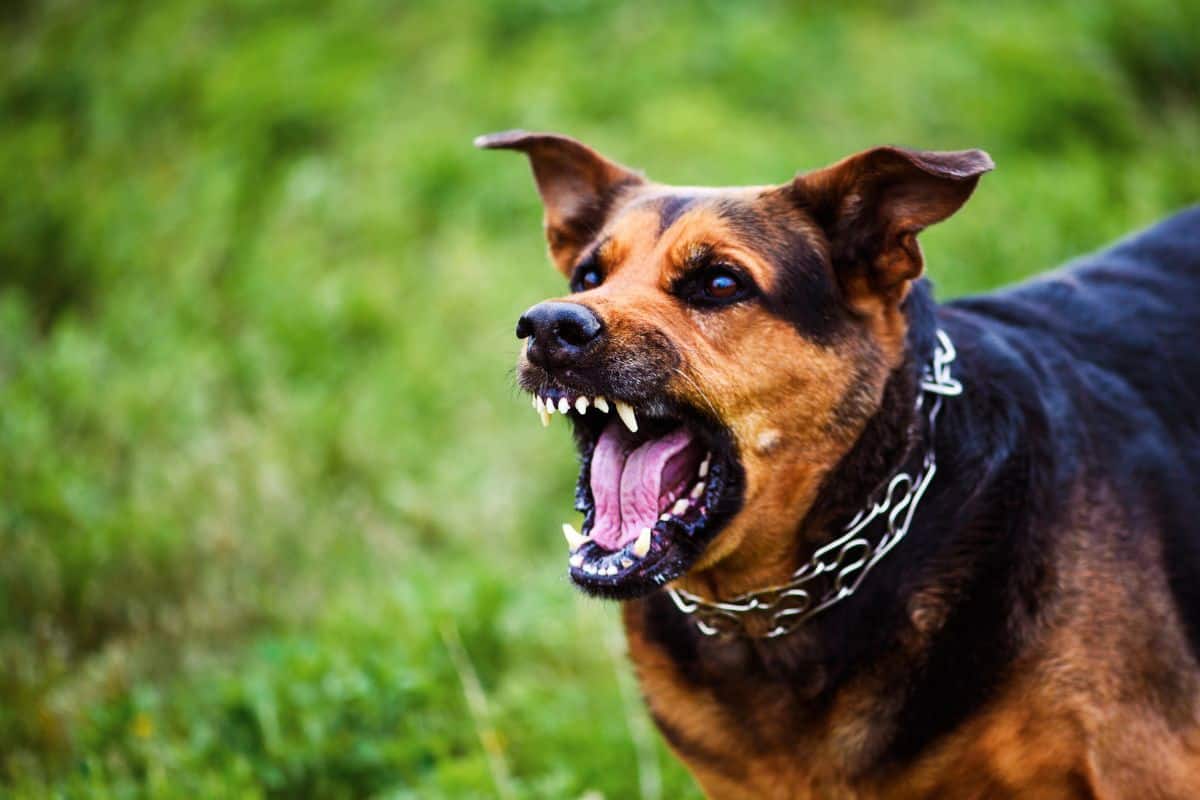
When it comes to aggression, focusing solely on dog breed misses the bigger picture. Dogs are shaped by their environment, training, and the people who care for them. Understanding behavior, promoting socialization, and encouraging responsible ownership do far more for safety than labeling certain breeds as dangerous.
Every dog deserves to be seen as an individual, not a stereotype. That belief has shaped how I look at dog behavior and why conversations like this matter.
FAQ
Pit bulls are not naturally aggressive. Like all dogs, their behavior is shaped by training, socialization, environment, and how they are raised. Responsible ownership plays a much bigger role than breed alone.
Dog bite statistics often reflect popularity, reporting bias, and misidentification rather than true aggression levels. Breeds that are more common may appear more often in bite reports, but this doesn’t mean they are inherently more dangerous.
In many cases, yes. With proper training, early socialization, and consistent handling, many dogs showing aggressive behaviors can improve significantly. Professional guidance can also help address underlying causes.
Factors like proper training, socialization, supervision, and responsible ownership matter far more than breed. A dog’s environment and experiences are often the strongest influences on behavior.



Leave a Reply