
If you’ve recently noticed a skin tag on your dog, you’re not alone. Many pet parents discover small, soft skin growths while petting or grooming their dogs, and it can raise understandable questions. Are skin tags on dogs normal? Can dogs get skin tags, and should you be concerned about your dog’s skin health?
Jump to:
In my experience, these little bumps often appear quietly and can feel surprising at first. The reassuring news is that most dog skin tags are benign. Still, understanding what they are and when it might be worth checking in with a professional can help you feel more at ease as you care for your dog.
What is a Skin Tag on a dog, and How Does It Look?
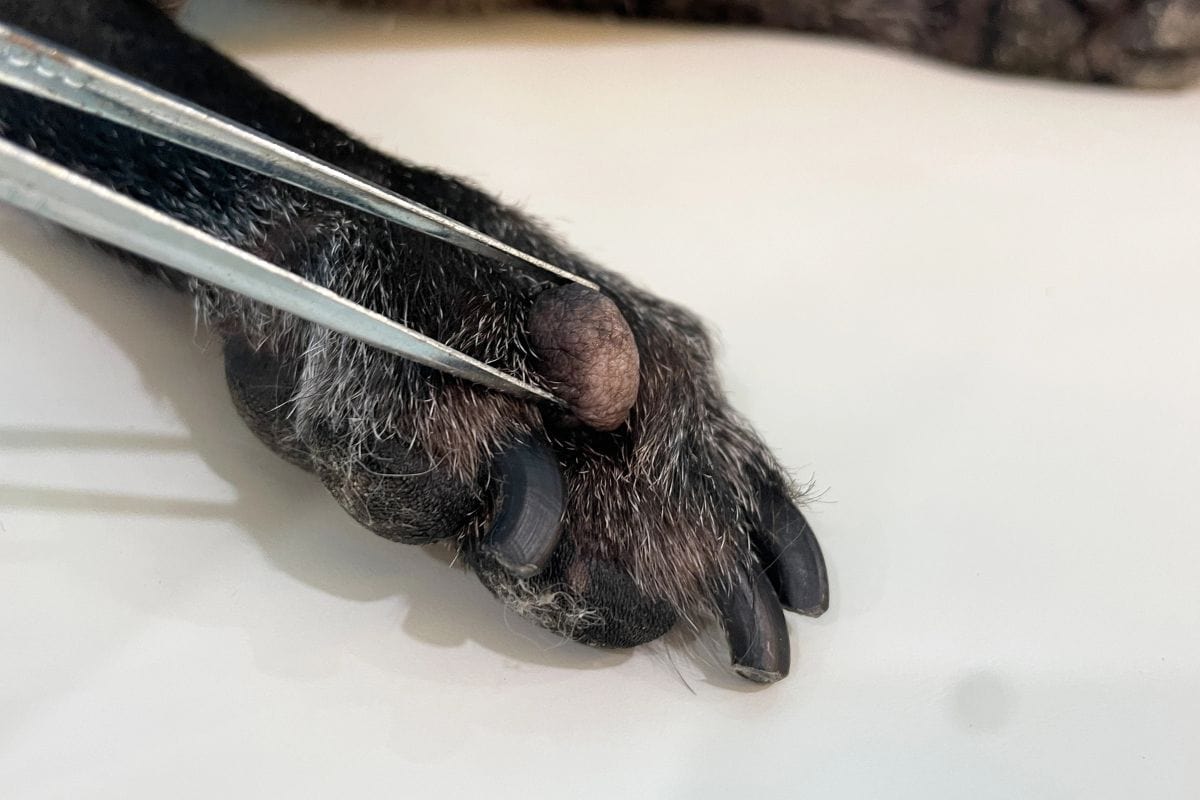
A skin tag on a dog is a small, soft growth that typically sits on the skin or hangs slightly from it. These tags are often flesh-colored, though they can sometimes appear darker depending on your dog’s natural coloring.
Many dogs develop skin tags as they get older, especially in senior dogs with looser skin. They may appear as a single small bump or multiple growths on areas such as the neck, chest, legs, or even delicate areas like the eyelid.
It’s also very common to wonder whether a dog skin tag might actually be something else. The “skin tag or wart” question comes up often. In general, skin tags tend to feel soft and flexible, while other skin growths may feel firmer or have a different texture. Even so, it’s okay not to be certain right away. Many pet parents take a little time to learn what’s normal for their dog.
Why Do Dogs Get Skin Tags? Causes Skin Tags in Dogs
You might be wondering: why do dogs get skin tags, or "Can dogs have skin tags naturally?" The answer is yes: canine skin tags are quite common and often appear as part of natural skin changes over time.
The exact cause of skin tags isn’t always clear, but gentle friction and everyday movement seem to play a role. In my experience, areas where the skin rubs, like around collars, under the legs, or in skin folds, are more likely to develop skin tags.
Aging can also influence how the skin behaves. A senior dog may be more likely to develop skin tags simply because their skin changes with time. Some dogs may also be more prone due to their natural build or coat type.
These growths are usually benign, and many stay the same for long periods without causing any issues. Still, it’s helpful to stay aware of any new changes, especially if your dog has recently developed a new skin bump.
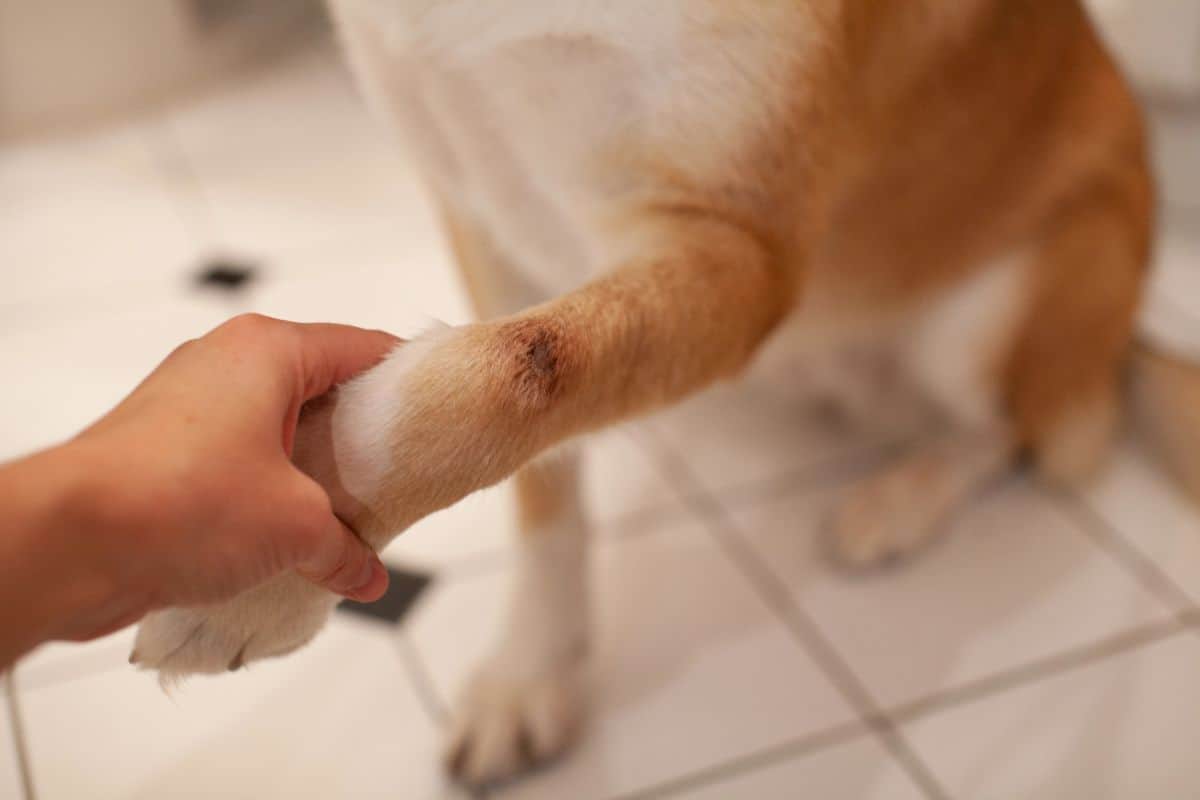
Skin Tag or Something Else? When to Check Skin Growths
One of the more common concerns is whether a skin tag on a dog could be something else. While most skin tags in dogs are harmless, it’s completely reasonable to keep an eye on any skin growth.
If you find yourself thinking, “My dog has a skin tag, but it looks a bit different,” it’s okay to observe it over time. Noticing changes in size, color, or texture can help you decide whether you’d like a professional opinion for peace of mind.
Sometimes, other things like a small tick, different types of growth, or even benign tumors can look similar at first glance. This doesn’t mean something is wrong; it simply means that dogs can develop a variety of skin features over time.
If a dog skin tag growing quickly or becoming irritated catches your attention, reaching out to a veterinary clinic can help clarify what you’re seeing.
Occasionally, simple checks like a fine needle aspiration may be suggested to better understand the growth, but this is just one of several ways professionals gather information when needed.
Skin Tag on Dog Treatment and Removal Options
When it comes to the treatment of skin tags, many skin tags don’t need to be removed at all. If the tag is small, not bothering your dog, and staying the same over time, gentle monitoring is often enough.
There are times, though, when treatment options may be considered. For example, a large skin tag on a dog or one located in a spot that rubs, like a skin tag on the dog's eyelid, leg, or collar area, might become irritated.
In those situations, some pet parents explore dog skin tag removal through a trusted veterinary provider. Options such as surgical removal are sometimes used when a tag needs to be taken off in a safe and controlled way.
Many people also look for ways to remove skin tags on dogs, but I’ve found it’s best to avoid trying to do so at home. Keeping your dog comfortable and avoiding unnecessary irritation is usually the gentlest approach.
If you’re curious about the cost of skin tag removal, it can vary based on the tag’s size, its location, and whether other tests are being performed at the same time. A quick conversation with a professional can give you a clearer idea if you ever need it.
Everyday Care for Dogs with Skin Tags
Caring for a dog with skin tags is often simple and relaxed. Most of the time, these tags are just another part of your dog’s unique body.
I’ve noticed that regular grooming or petting is a great opportunity to stay familiar with your dog’s skin health. Areas like the belly, ears, and elbows, or even spots like a skin tag on a dog's belly, ear, or elbow, can be checked gently without making it a big task.
If you notice a long skin tag or multiple tags on a dog's skin, keeping track of their appearance over time can be helpful. Many stay stable and don’t require any changes in your dog’s routine care.
Final Thoughts
Finding a skin tag on your dog can feel a little surprising at first, but in many cases, these small growths are harmless and fairly common as dogs age. Paying attention to changes in size, color, or texture can help you better understand what’s normal for your dog over time.
I’ve always found that a calm, observant approach works best. There’s usually no need to panic or rush into treatment. Simply keeping the area clean, monitoring for changes, and checking with a veterinary professional when something seems unusual can help support your dog’s comfort and overall skin health.
FAQ
“Can dogs get skin tags naturally?” is a common question. Many dogs, especially senior dogs, may develop them over time.
If your dog has a skin tag and you notice any changes in its size, color, or texture, you may choose to have it checked for reassurance.
It’s usually best not to remove skin tags at home. Keeping the area clean and comfortable is often enough unless you decide to explore removal with a professional.
They can appear in many places, including the leg, belly, ear, or even near the eye, such as a skin tag on a dog's eye or head.
Most skin tags are not related to cancer and are considered benign, though many pet parents choose to keep an eye on any growth for peace of mind.




Leave a Reply