
There’s something deeply comforting about having a dog by your side as life slows down a little. I’ve noticed that as we get older, companionship matters more than ever, quiet mornings, familiar routines, and a warm presence that makes a house feel like home. For many seniors, dogs bring structure, joy, and a sense of purpose without needing an overly busy lifestyle.

Jump to:
Choosing the best dog breeds for seniors isn’t about picking the “cutest” puppy or the trendiest breed; it’s about finding a dog that fits your energy level, your time, and your living situation. Whether you’re in a cozy home, an apartment, or a senior living community or assisted living setting, the right dog can make everyday life feel fuller and more connected.
In this guide, I’ll walk through what makes a dog senior-friendly, plus some of the most beloved dog breeds known for being calm, affectionate, and relatively low maintenance.
What Makes a Dog a Good Fit for Seniors?
Before jumping into specific breeds, it helps to think about lifestyle first. I love how the best matches usually come down to a few simple things.
Energy level matters
Lower or moderate energy levels are often easier for older adults. Dogs that enjoy short play sessions and relaxed daily walks tend to fit better than high-energy breeds that need hours of exercise.
Grooming and care needs
Some breeds require regular grooming, while others are much more wash-and-go. Grooming, vet visits, and general care should feel manageable, not stressful.
Temperament and size
Calm, affectionate dogs with gentle personalities usually adapt well to senior living environments. Smaller breeds are often easier to handle, especially in homes with limited floor plans or shared community spaces.
Health and longevity
A dog’s overall health, common breed issues, and lifespan are also worth considering. Many seniors prefer breeds known for stable health and predictable needs.
Best Dog Breeds for Seniors Needing Low Maintenance
The following breeds are especially well-suited for seniors seeking a loving companion that requires minimal exercise, minimal grooming, and minimal training.
Cavalier King Charles Spaniel
The Cavalier King Charles is often one of the first breeds recommended for seniors, and for good reason. I love how gentle and emotionally tuned-in this King Charles spaniel tends to be. Cavaliers are affectionate without being demanding, and they thrive on companionship rather than constant activity.
They enjoy daily walks, but their energy level stays fairly moderate. This makes them ideal for older adults who want a dog that’s happy curling up on the couch just as much as strolling through the neighborhood. Their friendly nature also helps them adapt well to assisted living or shared community spaces.

Shih Tzu
Shih tzus have a reputation for being loyal little shadows, and I’ve noticed they bond deeply with their owners. This dog breed was bred as a companion, making it a natural fit for seniors who value closeness over constant activity.
Shih Tzus do need regular grooming, but they’re not very demanding when it comes to exercise. A bit of indoor play and a short walk each day is usually plenty. For seniors who enjoy a slower pace and don’t mind brushing or the occasional trip to the groomer, Shih Tzus can be wonderfully sweet and comforting companions.

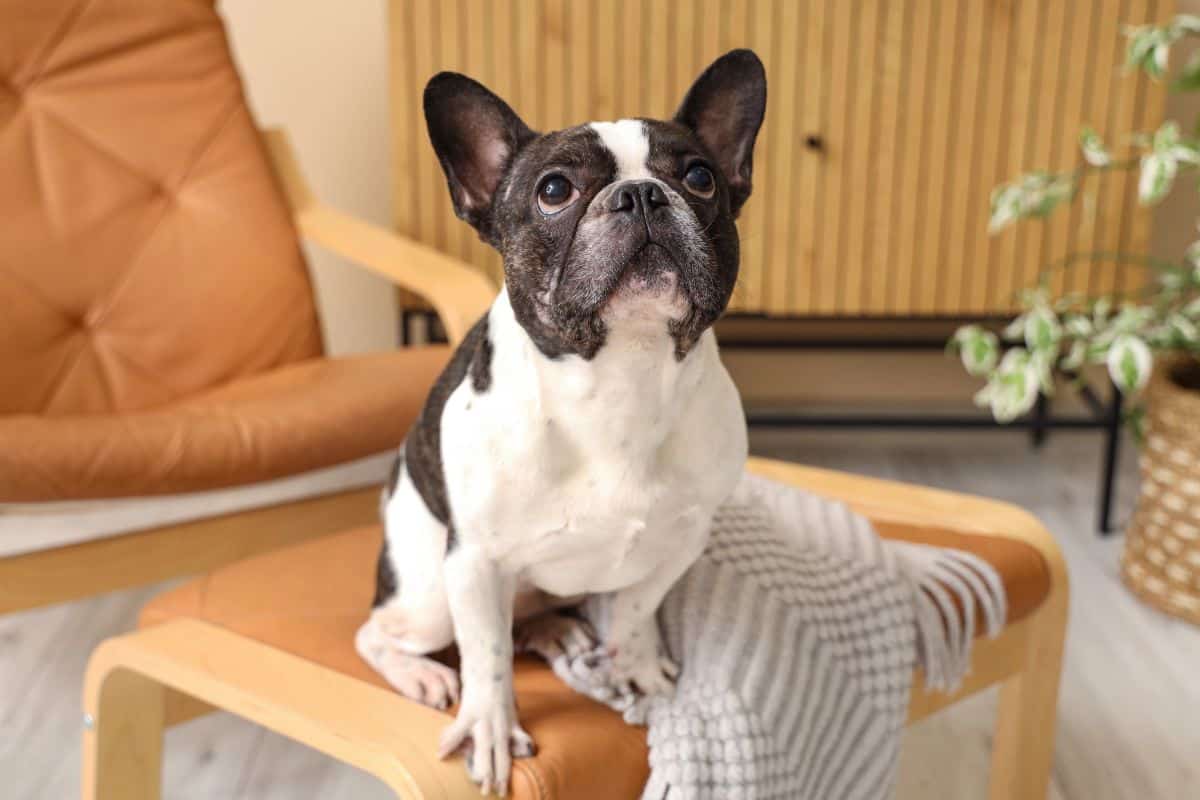
French Bulldog
The French bulldog is another favorite among seniors, especially those living in apartments or senior living communities. I love how expressive and funny these dogs are. There’s something about their personalities that keeps everyday life lighthearted.
Frenchies have low to moderate energy levels, rarely need intense exercise, and don’t require extensive grooming. Their sturdy build and easygoing temperament make them suitable for older adult households seeking companionship with minimal upkeep.
Why Low-Energy Breeds Are Often Best for Seniors
As we age, routines naturally change. High-energy dogs can be wonderful, but they often require more time, physical exercise, and structured training than many seniors are willing to commit to. Low- or moderate-energy breeds are more flexible; they adapt to slower mornings and shorter walks. They’re also calm, easygoing, and not known for excessive barking.
I’ve noticed that dogs with calmer temperaments also tend to settle more easily into new homes, whether that’s a downsized house, condo, or assisted living setting. They’re less likely to become anxious or destructive when routines shift.
Dogs in Senior Living and Assisted Living Communities
Many senior living and assisted living facilities welcome dogs, though policies can vary. Breed size, weight, and behavior are often more important than breed labels themselves.
Dogs that are:
- Quiet and non-aggressive
- Comfortable around strangers
- Adaptable to smaller floor plans
usually the best fit. Companion breeds such as the Cavalier King Charles Spaniel, the Charles Spaniel, and the Shih Tzu often meet these expectations naturally.
Beyond companionship, dogs offer real benefits, routine, emotional support, and even gentle motivation to stay active. For many members of senior communities, dogs become social bridges, sparking conversations and connections.

Choosing a Breed with Confidence
Organizations like the American Kennel Club (AKC) provide reliable information on topics such as temperament, grooming, and energy levels. That said, breed guides are really just a starting point—every dog is different, and adopting can be just as meaningful and rewarding as buying from a breeder.
I always suggest spending time with a dog before making a decision. Watch how they move, how they respond to touch, and how they handle quiet moments. The right match should feel comfortable, not overwhelming.
Final Thoughts
Finding the best dog breeds for seniors really comes down to balance, having companionship without feeling overwhelmed, staying active while still enjoying plenty of rest, and taking on responsibility that truly feels rewarding.
I love how the right dog can quietly fit into everyday life, bringing comfort and warmth without asking for more than you can give.
Whether you choose a cavalier king charles, a gentle shih tzu, or a charming french bulldog, the goal is the same: a dog that fits your home, your energy level, and your vision for this season of living. With the right breed, dogs don’t just fill time; they enrich it, one calm, loyal moment at a time.

FAQ
Not always, but they’re often a good fit. I’ve noticed that smaller dog breeds are usually easier for older adults to handle, especially in apartments or senior living communities. They’re often easier to lift, groom, and manage day-to-day. That said, energy level matters more than size; some small dogs are surprisingly active, while others are perfectly content being calm companions.
Many assisted living and senior living communities do allow dogs, though the rules can vary. Size, behavior, and how well a dog handles shared living spaces often matter more than the breed itself. I’ve noticed that calm, friendly dogs tend to adjust best and become a welcome part of the community.
Most senior-friendly breeds don’t need a lot of exercise. A couple of short daily walks, light movement around the home, and gentle play are usually enough. Dogs with lower energy often do best with simple, predictable routines rather than long or demanding activities.
Grooming is worth planning. Some dogs need regular grooming, while others are much easier to maintain. For example, Shih Tzus require more coat care, while French bulldogs are pretty low-maintenance. I’ve found it helps to choose a dog whose grooming needs fit comfortably into your lifestyle, so it never feels like too much.



Leave a Reply