
If you’ve ever caught your pup licking a plate or sneaking a bite off the counter, you might have wondered: Can dogs eat butter? It’s a common question, especially since butter shows up in so many everyday foods like toast, popcorn, and baked treats.
I’ve noticed that many dog owners don’t think twice about a small lick here and there, but it’s worth taking a closer look at what butter actually means for your dog’s health.

Jump to:
While butter isn’t considered toxic, that doesn’t necessarily make it a good choice for your dog’s diet. Understanding the fat content, potential health risks, and what is too much can help you make calm, confident decisions if your dog eats or shows interest in butter.
Is Butter OK for Dogs? Understanding What Butter Contains
When asking if butter is ok for dogs, it helps to look at what butter really is. Butter contains a high level of saturated fat and, in many cases, added salt, especially in salted butter. These ingredients may be fine for humans in moderation, but dogs process fats differently.
A dog’s digestive system isn’t designed to handle rich, fatty foods regularly. Even though butter is technically a dairy product and not toxic, its fat content can quickly become problematic. In my experience, dogs that regularly eat butter or similar foods tend to develop digestive discomfort over time.
It’s also important to remember that butter doesn’t provide any meaningful nutritional value for dogs. Unlike balanced dog food or even dog-safe treats like peanut butter (in moderation), butter adds calories without providing nutritional value.

What Happens If a Dog Eats Butter?
If your dog ate butter, especially unexpectedly, it’s natural to feel concerned. The good news is that small amounts usually don’t cause serious harm. However, the effects depend on how much was consumed and your dog’s size.
If a dog eats butter in small amounts, you might not notice anything beyond mild digestive upset. Some dogs may experience loose stools or slight discomfort. I’ve seen many cases where a quick lick of buttered toast didn’t lead to lasting problems.
However, if your dog ate a stick of butter or large amounts, things can be different. The high fat content can overwhelm their system and may lead to symptoms like abdominal pain, vomiting, or diarrhea.
In more serious situations, eating butter can contribute to pancreatitis, a condition that requires veterinary attention.
Health Risks Associated with Eating Butter
The risks associated with dogs eating butter mainly stem from its fat and salt content. While butter isn’t toxic, it can still lead to several health issues over time or in larger quantities.
One of the primary concerns is pancreatitis. This condition occurs when the pancreas becomes inflamed, often triggered by fatty foods. Dogs that eat butter regularly or consume large amounts at once may be more at risk.
Another concern is weight gain. Because butter is calorie-dense, frequent feeding, even in small amounts, can lead to unhealthy weight gain. Over time, this may contribute to broader health problems.
Salted butter adds another layer of concern. Too much salt can lead to dehydration or, in extreme cases, more serious complications. If your dog ate too much salt along with butter, it’s worth keeping a closer eye on their symptoms.

Dog Ate Butter: When Should You Worry?
If your dog ate butter, try to stay calm and assess the situation. The size of your dog and the amount consumed are key factors.
If a small dog eats a large amount of butter, they may be more likely to show symptoms quickly. Signs to watch for include vomiting, diarrhea, lethargy, and abdominal pain. These symptoms may appear within hours of eating butter.
If your dog ate a stick of butter, especially with the wrapper, it’s a good idea to monitor them closely. The wrapper can pose an additional risk of blockage, which may require veterinary care.
In my experience, most mild cases resolve with rest and hydration, but it’s always wise to contact your vet if symptoms seem severe or persistent.
Can Dogs Eat Bread and Butter or Buttered Foods?
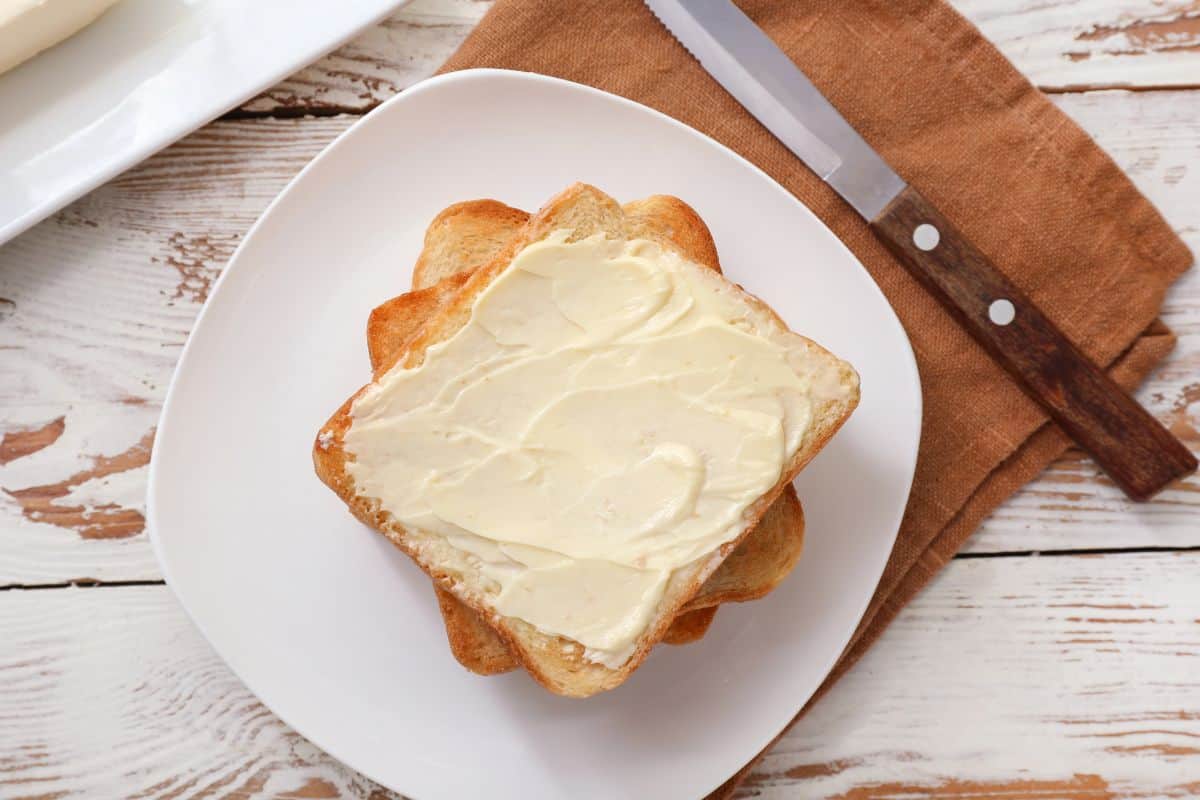
Many people also wonder, can dogs eat bread and butter or similar foods like buttered popcorn or toast? While plain bread in small amounts is generally safe, adding butter changes the picture.
Buttered foods combine extra fat with additional ingredients that may not be ideal for dogs. For example, buttered popcorn often contains salt and flavorings, while buttered toast adds unnecessary calories.
Even though bread alone may not be harmful, pairing it with butter makes it less suitable as a treat. I love how simple whole foods tend to be gentler on a dog’s system than rich, processed combinations.
Better Alternatives to Butter for Dogs
If your dog enjoys tasty treats, there are better options than butter. Many dog owners turn to peanut butter, and for good reason. When unsweetened and free of harmful additives, it can be a safer and more enjoyable treat.
You might also wonder about other spreads, such as almond or cashew butter. While some of these can be safe in moderation, it’s always important to check ingredients and introduce them slowly.
Choosing treats that support your dog’s health, rather than just adding fat, can make a meaningful difference over time. A balanced diet built around quality kibble and occasional safe treats is usually the best approach.

Final Thoughts
So, can dogs eat butter? Technically, yes, but it’s not something that benefits their diet. While butter isn’t toxic, its high fat content can make it difficult for some dogs to tolerate, especially in larger amounts.
An occasional small lick is usually harmless, but frequent exposure may contribute to digestive upset, weight gain, or other health concerns over time. I’ve always found that keeping treats simple and balanced tends to work best for long-term comfort and overall well-being.
When in doubt, choosing dog-friendly alternatives can help you avoid unnecessary issues while still giving your dog something enjoyable.
FAQ
Yes, small amounts are generally not harmful, but butter isn’t recommended as a regular treat because of its fat content and lack of nutritional value.
Monitor your dog for symptoms like vomiting, diarrhea, or abdominal pain. If symptoms appear or your dog seems uncomfortable, contact your veterinarian.
Regular consumption can lead to health issues such as weight gain and pancreatitis, so it’s best to avoid feeding butter consistently.
Plain popcorn may be safe in moderation, but buttered popcorn is not recommended due to added fat and salt.
Yes, peanut butter (without added sugar or harmful ingredients) is generally a safer and more nutritious treat when given in moderation.




Leave a Reply