
If you’ve ever noticed your dog making tiny rhythmic movements or soft “hic” sounds, you might have wondered: Can dogs get hiccups? The short answer is yes, dogs can get hiccups, and it’s actually more common than many pet owners realize.
Jump to:
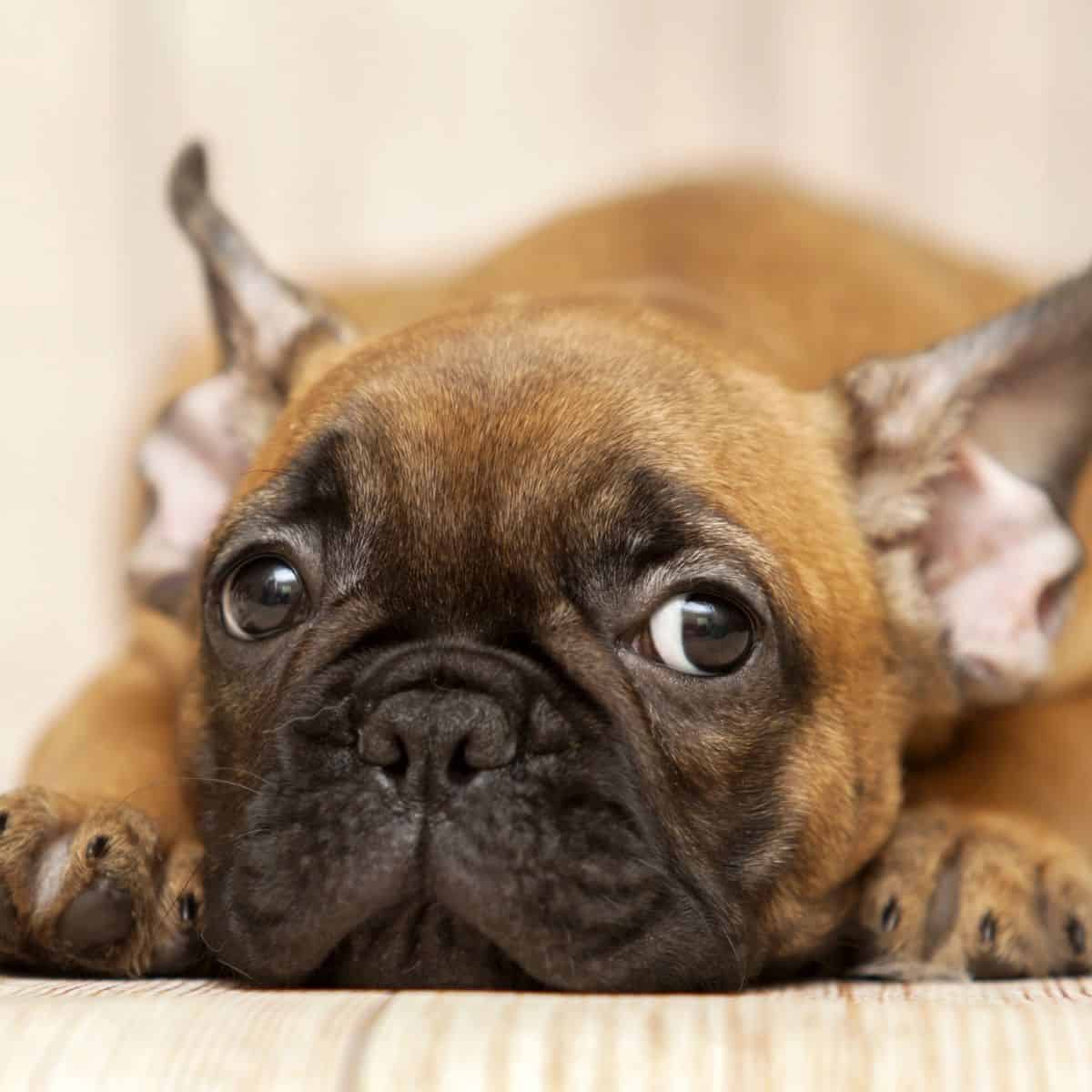
Dog hiccups usually look a lot like the hiccups humans experience. Your dog may have small spasms in their chest or belly, and you might hear a quiet hiccup sound every few seconds. The first time it happens, it can be a little surprising. I’ve noticed that many dogs seem slightly puzzled by the sensation themselves, pausing for a moment before continuing whatever they were doing.
Fortunately, dog hiccups are usually harmless and short-lived. In many cases, they appear in puppies or after everyday activities such as eating or playing. Understanding why dogs get hiccups, what they look like, and how you can gently help your pup through them can make the experience much less worrying for both of you.
In this guide, we’ll explore what causes hiccups in dogs, how to tell if your dog has hiccups, and a few calm, practical ways to help them settle.
Can Dogs Get Hiccups and What Causes Them?
Just like people, dogs can get the hiccups when their diaphragm—the muscle that helps control breathing- spasms briefly. When this happens, the vocal cords close quickly, creating the familiar hiccup sound.
There are several everyday situations that can trigger hiccups in dogs. One of the most common causes is eating or drinking too quickly. If your dog gulps down food or water, they may swallow air along with it. I’ve noticed this especially in enthusiastic eaters who treat every meal like a race.
Another common cause is excitement or bursts of play. After a lively game of fetch or a few zoomies around the living room, some dogs get hiccups simply because their breathing has changed rapidly.
Temperature shifts can also play a role. Drinking cold water or moving from warm indoor air to cooler outdoor air may occasionally trigger hiccups in some dogs.
While the exact reason hiccups occur isn’t always clear, most cases are temporary and pass within a few minutes.
What Do Dog Hiccups Look Like?
For new pet owners, it’s natural to wonder how to tell if a dog has hiccups. The signs are usually quite recognizable once you know what to look for.
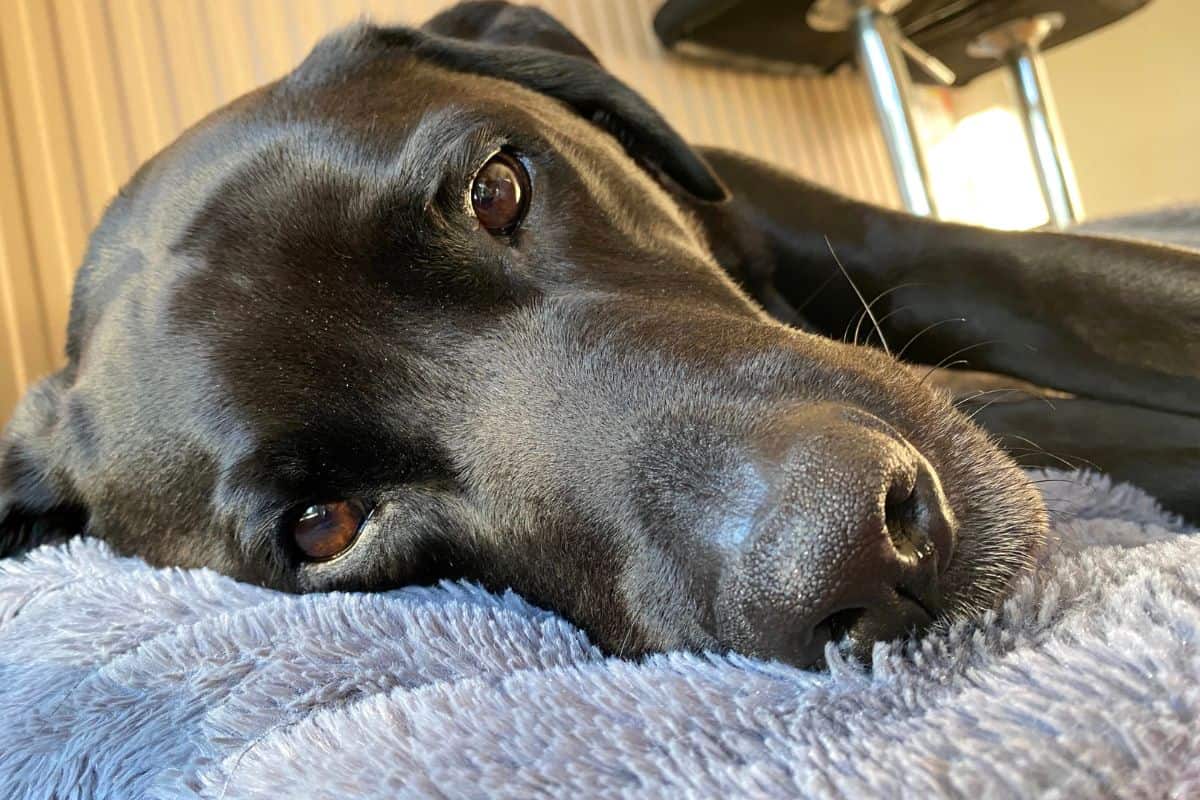
Dog hiccups often appear as small, rhythmic spasms in the dog’s chest or abdomen. These movements usually happen every few seconds and may be accompanied by a soft hic sound.
Some dogs briefly pause or tilt their head as if they’re trying to figure out what’s happening. I love how curious dogs can be in these moments; it’s almost as though they’re surprised by their own hiccups.
You might also notice:
- A gentle twitch in the belly
- Short, repeated inhalations
- A faint hiccup noise
If you’ve ever searched for a “can dogs get hiccups video,” you’ll probably recognize the pattern right away. The movements are typically light and repetitive rather than intense or distressing.
In most cases, dogs continue to behave normally while the hiccups occur.
Why Do Puppies Get Hiccups So Often?
Many pet owners notice that puppies get hiccups more frequently than adult dogs. This is completely normal and often linked to their growing bodies and energetic behavior.
Young dogs tend to eat quickly, play enthusiastically, and breathe rapidly during excitement. All of these things can increase the chances of hiccups.
It’s also common for people to ask, “Why do puppies get hiccups at night?” In many cases, the answer is simple: puppies often experience bursts of activity before settling down to sleep. After an evening of play, their breathing patterns can change, which may trigger hiccups.
I’ve noticed that puppies often seem completely unbothered by the experience. They might hiccup for a minute or two, then curl up and drift off to sleep.
Because their bodies are still developing, occasional hiccups are generally considered a normal part of puppy life.
Can Dogs Get Hiccups While Sleeping?
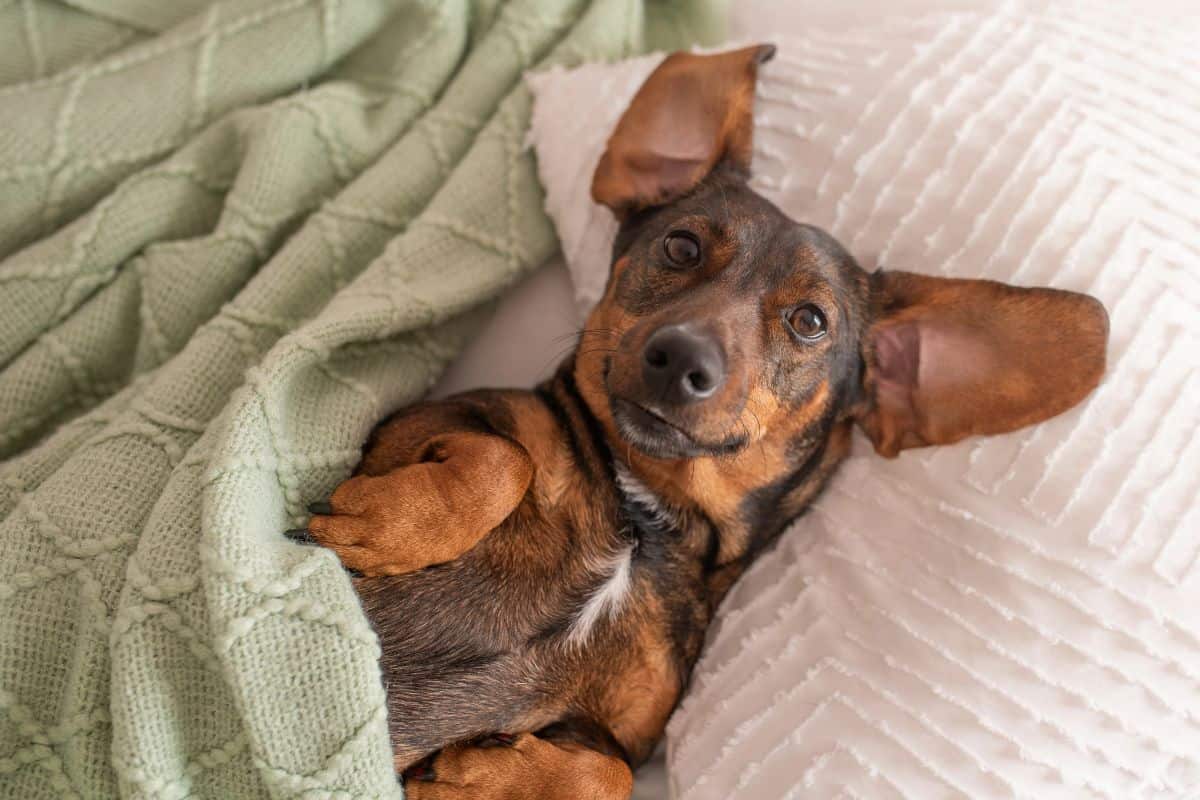
Some owners are surprised to learn that dogs can get hiccups while sleeping. You might notice tiny belly movements or quiet hic sounds while your dog is resting.
Yes, can dogs get hiccups while sleeping? Absolutely. The diaphragm can still experience small spasms even while a dog is relaxed or dreaming.
This sometimes leads people to wonder why my dog gets hiccups at night. Evening hiccups may simply be related to dinner, late-night playtime, or excitement before bedtime.
In most situations, sleeping hiccups pass quickly and don’t disturb the dog for long. I’ve seen dogs briefly hiccup in their sleep and continue resting peacefully moments later.
Can Dogs Get Hiccups After Eating?
Another common question is whether dogs can get hiccups after eating. The answer is yes—this is one of the most frequent triggers.
When a dog eats quickly, they often swallow extra air along with their food. That air can irritate the diaphragm and lead to hiccups.
Some dogs are naturally fast eaters, especially in multi-dog households where meals feel competitive. Slowing down mealtimes can sometimes help reduce episodes of hiccups.
Providing smaller portions, encouraging calmer feeding routines, or using puzzle feeders can gently encourage slower eating. In my experience, when dogs eat at a relaxed pace, hiccups after meals tend to happen less often.
How to Stop Hiccups in Dogs
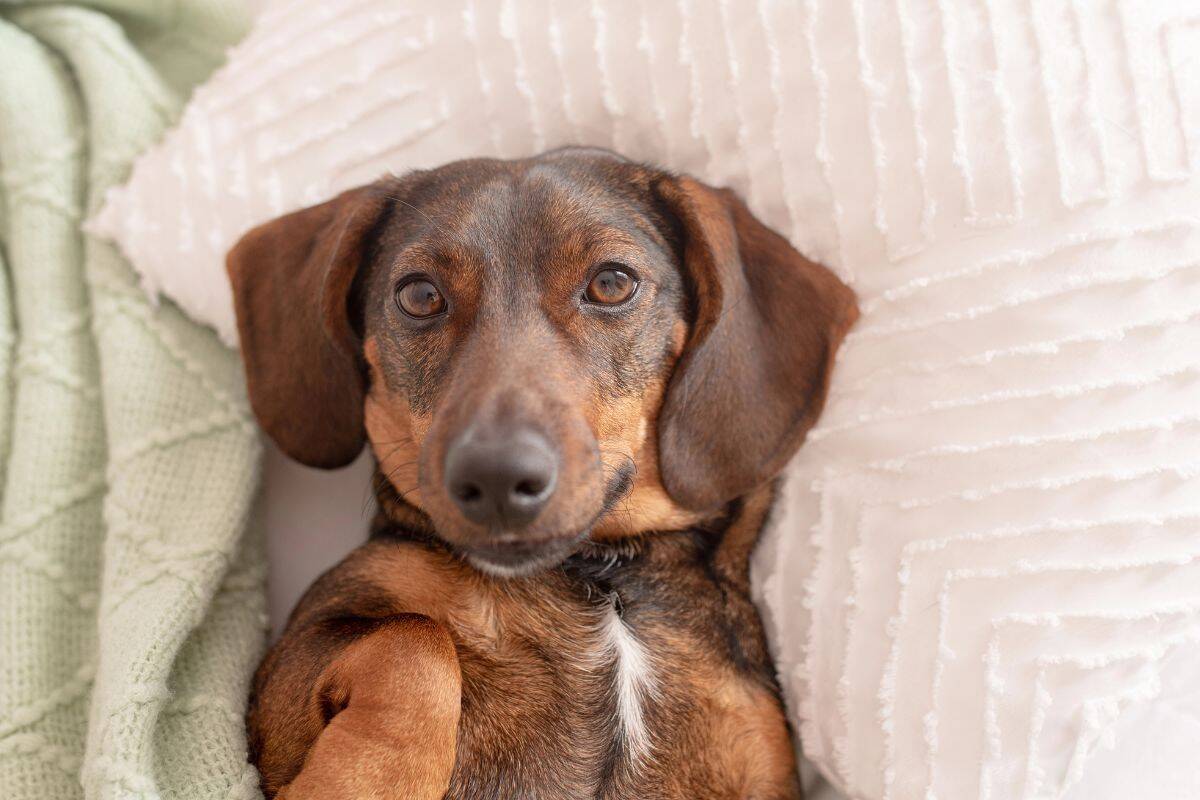
Most of the time, dog hiccups resolve on their own within a few minutes. However, if you’d like to help your pup settle more comfortably, there are a few gentle approaches that may help.
Calm breathing is often the simplest solution. Encouraging your dog to relax for a moment can help their breathing return to a normal rhythm.
Offering a small sip of water may also help reset the diaphragm. Just a little water is usually enough.
Lightly stroking your dog’s chest or belly can also promote relaxation. I’ve noticed that many dogs calm down quickly with a bit of quiet attention and reassurance.
If you’re wondering how to stop hiccups in dogs, the key is patience and calmness. Most hiccups pass naturally without intervention.
When Should You Worry About Dog Hiccups?
Most dog hiccups are harmless and go away on their own, but there are a few situations where it’s worth paying closer attention. If your dog’s hiccups last for an extended period, happen very frequently, or are paired with symptoms like coughing, difficulty breathing, or unusual lethargy, it may be a good idea to check in with your vet.
In my experience, occasional hiccups are just part of normal dog behavior. However, sudden changes in patterns or discomfort are always worth noticing. Trusting your instincts and observing your dog’s overall behavior can help you decide when something might need a closer look.
Final Thoughts
So, can a dog get hiccups? Yes, and in most cases, it’s completely normal.
Just like humans, dogs may experience hiccups from time to time due to small diaphragm spasms, often after eating, excitement, or even while resting. Puppies, in particular, tend to get them more often as they grow.
Most hiccups pass quickly on their own, and a calm environment is usually all your dog needs to settle back into their usual rhythm.
I’ve always found these little hiccup moments to be a charming reminder of how wonderfully quirky our dogs can be.
FAQ
Yes, dogs can get hiccups. They occur when the diaphragm experiences brief spasms, creating the familiar hiccup sound and small belly movements.
Dog hiccups usually appear as rhythmic chest or belly spasms every few seconds. You may also hear a soft hic sound while your dog breathes.
Puppies often get hiccups at night because of excitement, rapid breathing during play, or eating before bedtime.
Yes, dogs can get hiccups in their sleep. The diaphragm can spasm even while a dog is resting, though it usually resolves quickly.
Most dog hiccups last only a few minutes. In many cases, they stop naturally once the dog’s breathing returns to a normal rhythm.


Leave a Reply