
Few features make a dog stand out quite like a curly tail. Whether it's tightly curled over the back or forming a loose, fluffy loop, these distinctive tails give many breeds an alert, confident appearance.
If you've been searching for dog breeds with curly tails, you've probably noticed that many of them belong to the ancient Spitz family, although a few hunting and companion breeds also share this charming trait.
Jump to:
- Why Do Some Dog Breeds Have Curly Tails?
- Small Dog Breeds With Curly Tails
- Medium Sized Dog Breeds With Curly Tails
- Large Dog Breeds With Curly Tails
- Other Dog Breeds With Naturally Curly Tails
- What Does a Dog's Curled Tail Mean?
- Dog Breeds With Curly Tails and Floppy Ears
- Dog Breeds With Curly Tails and Short Hair
- What About Curly Ears, Wavy Hair, or Labrador Tail Curl?
- Choosing the Right Curly-Tailed Dog
- Final Thoughts
- FAQ
- You May Also Like
I've always loved how a curled tail can completely change a dog's silhouette. It's one of those small details that makes certain breeds instantly recognizable, and in many cases, the tail isn't just for looks; it has an interesting purpose rooted in the breed's history.
In this guide, we'll explore the most popular dog breeds with curly tails, explain why some dogs have naturally curled tails, and help you understand what this feature may tell you about a particular dog breed.
Why Do Some Dog Breeds Have Curly Tails?
A curly tail is usually the result of genetics rather than training or environment. Many northern and ancient dog breeds developed curled tails over thousands of years. In cold climates, a tightly curled tail could even help a resting dog cover its nose for warmth.
Many Spitz breeds also carry their tails high over their backs because of their skeletal structure. This upright, confident posture became a defining characteristic of the group.
It's important to remember that not every dog with a curled tail belongs to one specific breed. Mixed-breed dogs, including a Basenji mix dog, may inherit this feature from either parent.
Small Dog Breeds With Curly Tails
If you're looking for small dog breeds with curly tails, several wonderful options fit the description.
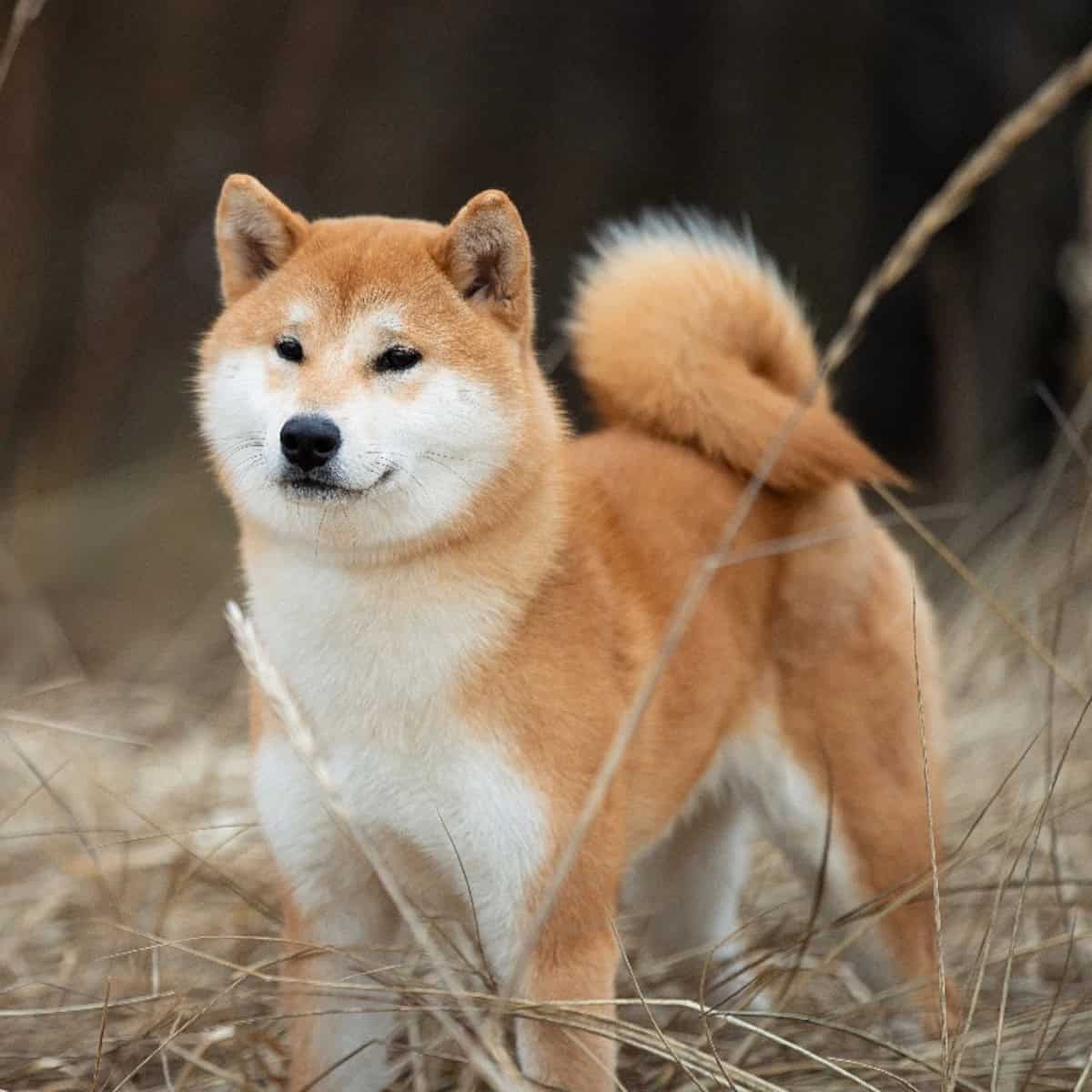
Shiba Inu
The Shiba Inu is one of the most recognizable breeds with a tightly curled tail. Originally developed in Japan as a hunting dog, the Shiba combines independence, intelligence, and confidence in a compact package.
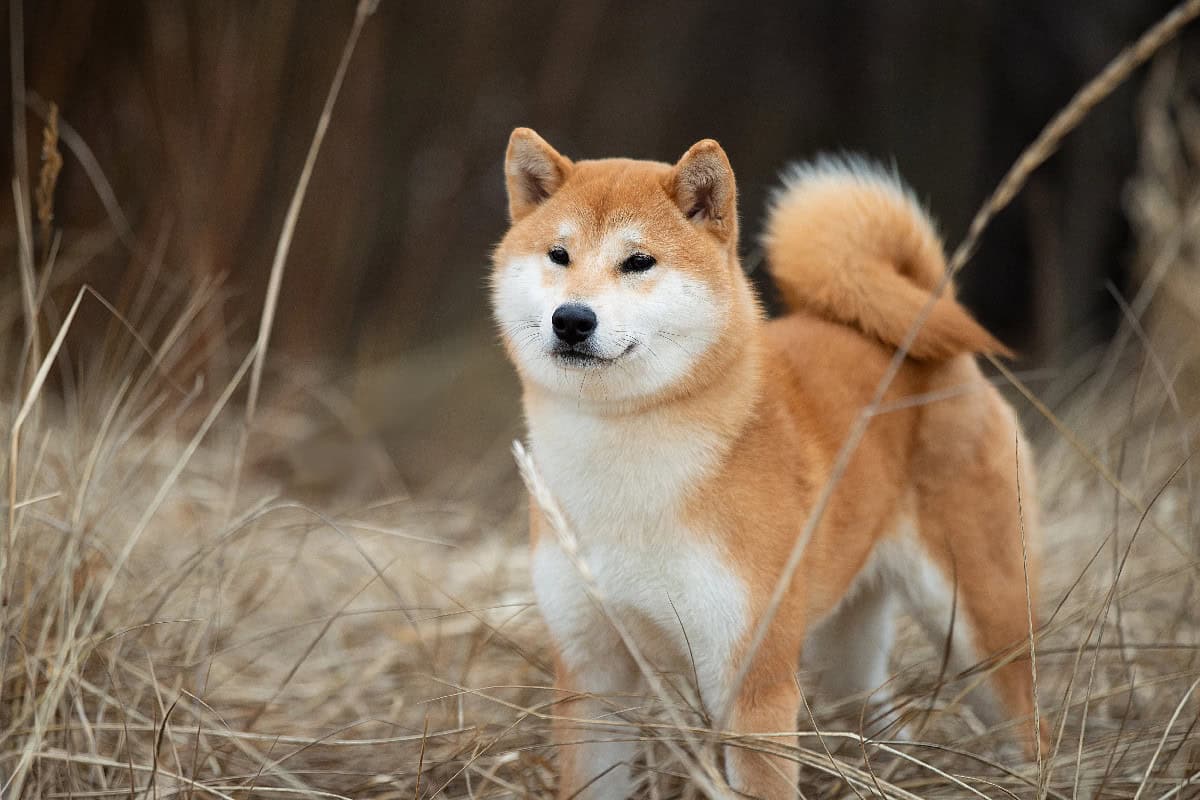
Their plush double coat, fox-like face, and naturally curled tail make them one of the world's most recognizable Spitz breeds. While independent, many Shibas form deep bonds with their family.
Pug
Although not a Spitz breed, the Pug is famous for its corkscrew-style tail. Some Pugs even have a double curl, which many breed enthusiasts admire.
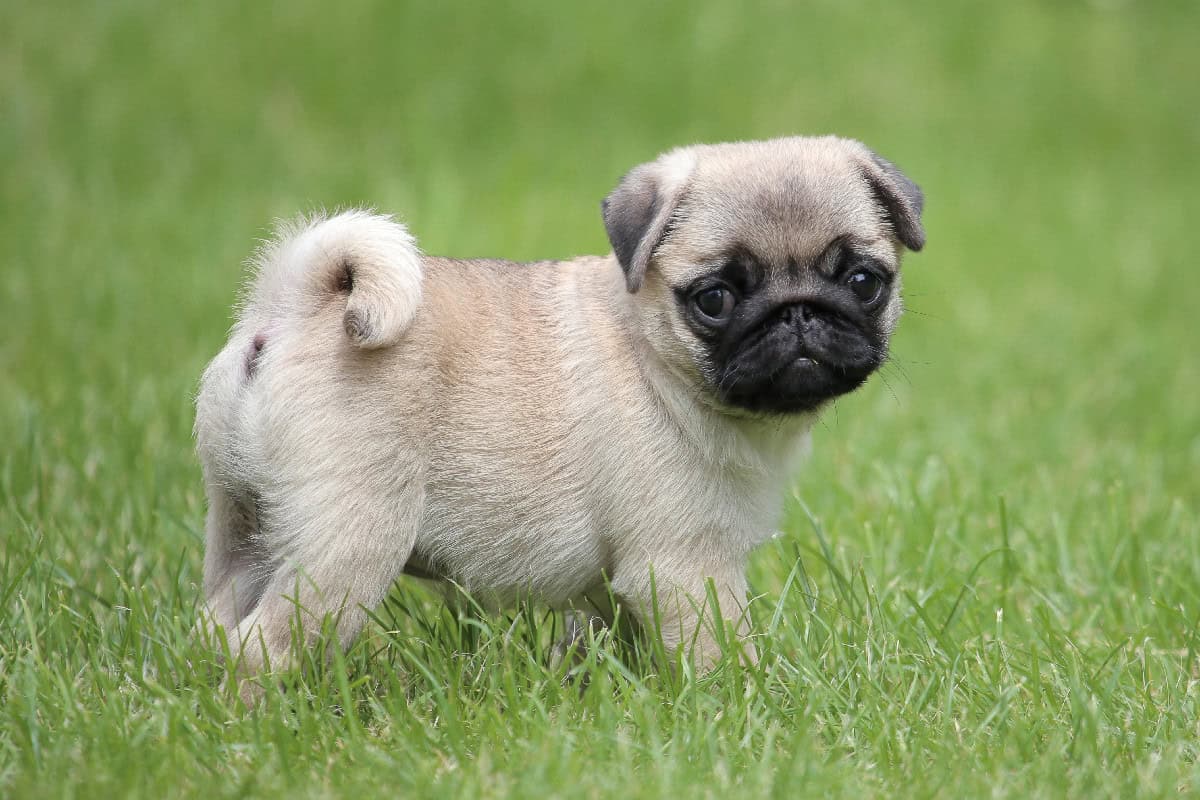
Their affectionate personalities and adaptable nature make them popular pets for apartments and families alike.
Basenji
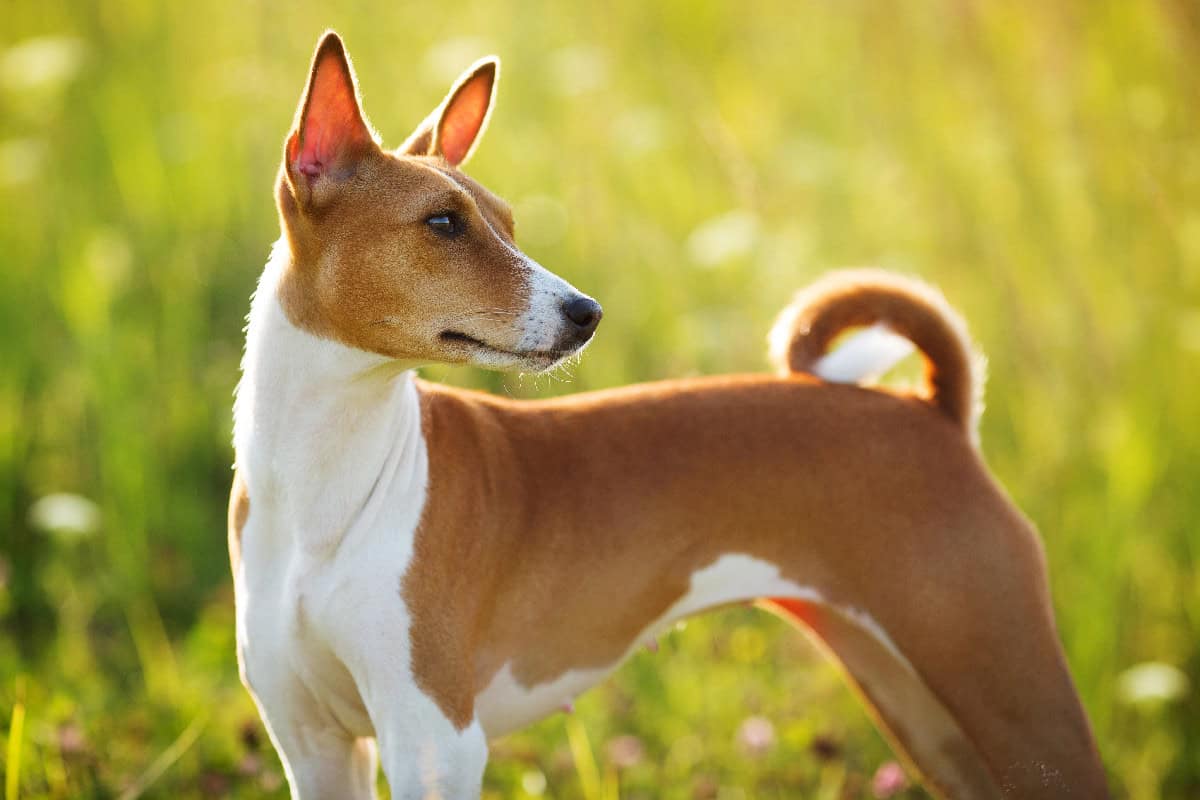
The Basenji is another small dog breed known for its elegant, tightly curled tail. Originally bred for hunting in Africa, this intelligent breed is famous for being unusually quiet, often described as "barkless."
Medium Sized Dog Breeds With Curly Tails
Several medium-sized dog breeds with curly tails offer an excellent balance of athleticism and companionship.
Norwegian Buhund
The Norwegian Buhund is an energetic farm dog with a thick weather-resistant coat and a tightly curled tail carried over its back.
Originally used for herding livestock, this loyal Norwegian breed enjoys staying active and spending time with its family.
Finnish Spitz
The Finnish Spitz combines a fox-like appearance with a beautiful fluffy curly tail.
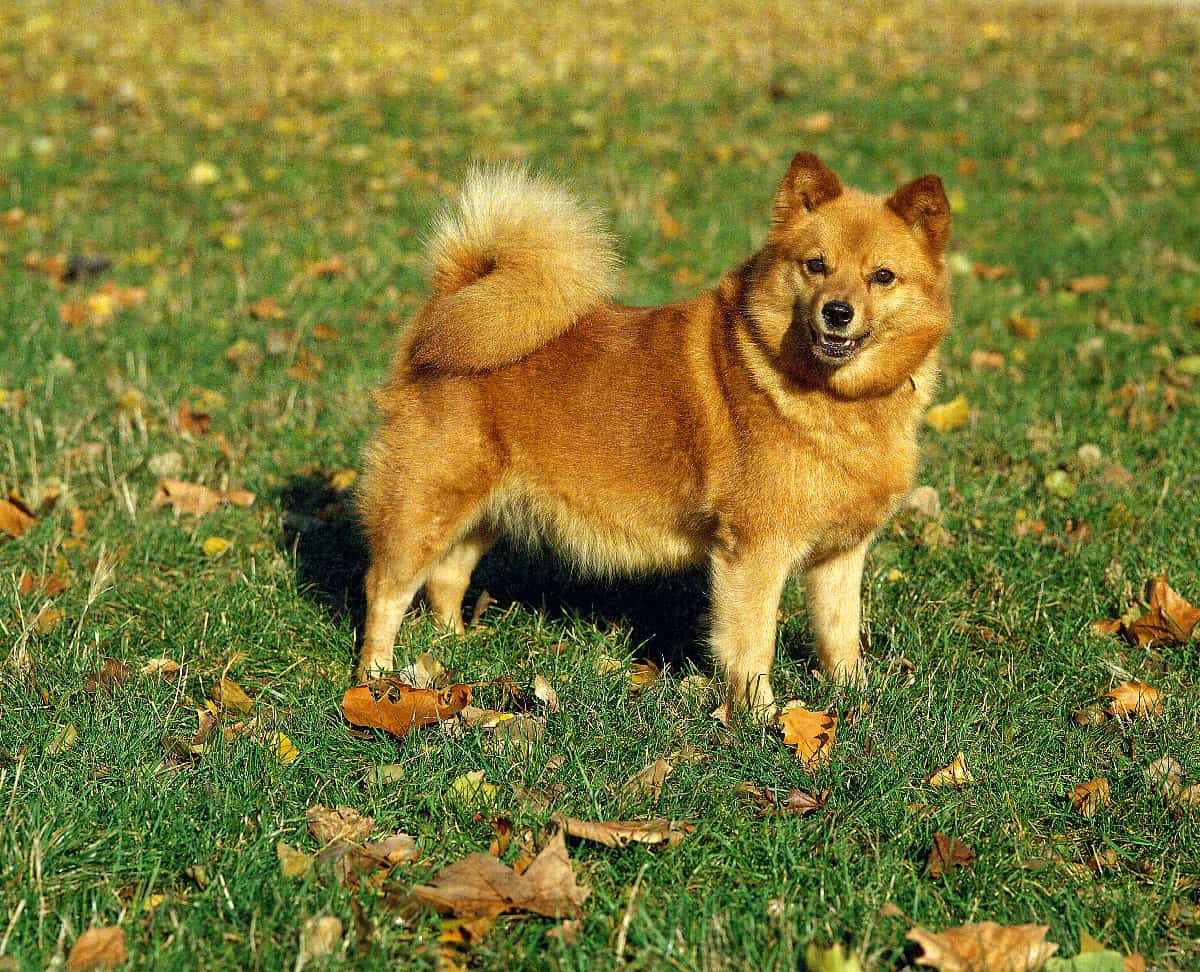
Originally developed as a bird hunting dog, the Finnish Spitz is alert, vocal, and energetic. Their striking red-gold coat and naturally curled tail make them one of the most attractive Spitz breeds.
Icelandic Sheepdog
Another medium-sized Spitz breed, the Icelandic Sheepdog carries a fluffy tail that curls naturally over its back. They are friendly and social and tend to thrive in active households.
Large Dog Breeds With Curly Tails
If you prefer bigger companions, there are several impressive large dog breeds with curly tails.
Alaskan Malamute
The Alaskan Malamute is one of the oldest Arctic working dogs. Their large size, thick double coat, and fluffy curled tail helped them survive freezing temperatures.
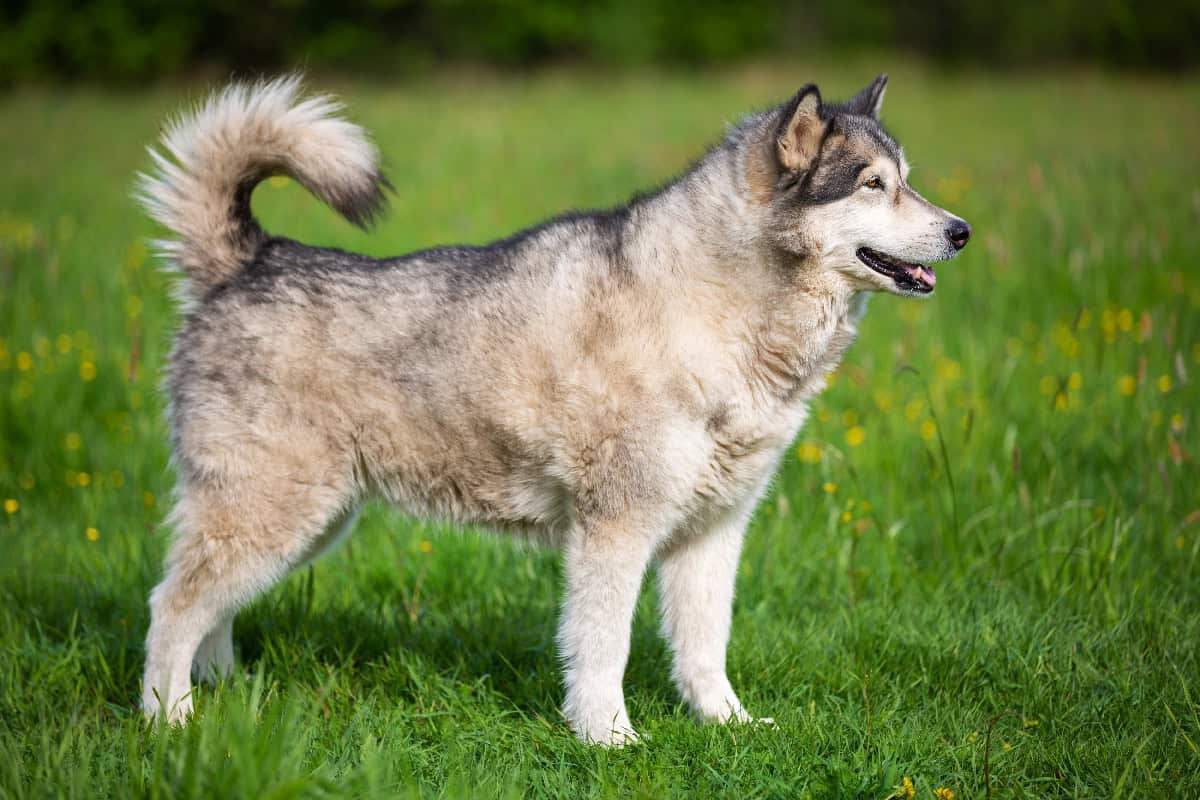
Unlike some breeds, the Malamute's tail often rests gently over the back rather than forming a tight spiral.
Chow Chow
The Chow Chow combines a lion-like mane with one of the most recognizable curled tails in the dog world.
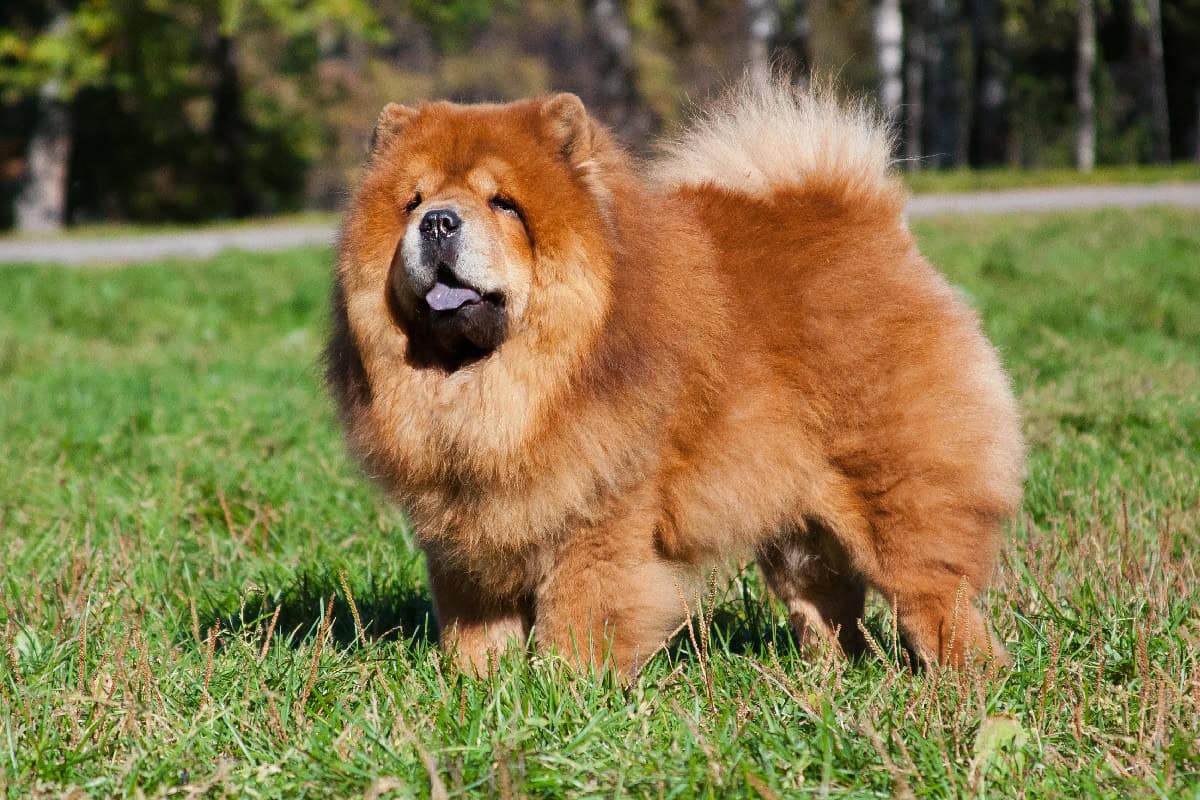
Originally developed in China, the Chow Chow has a long history as a guard dog, hunter, and companion. Their dignified personality pairs beautifully with their thick fluffy coat.
Akita
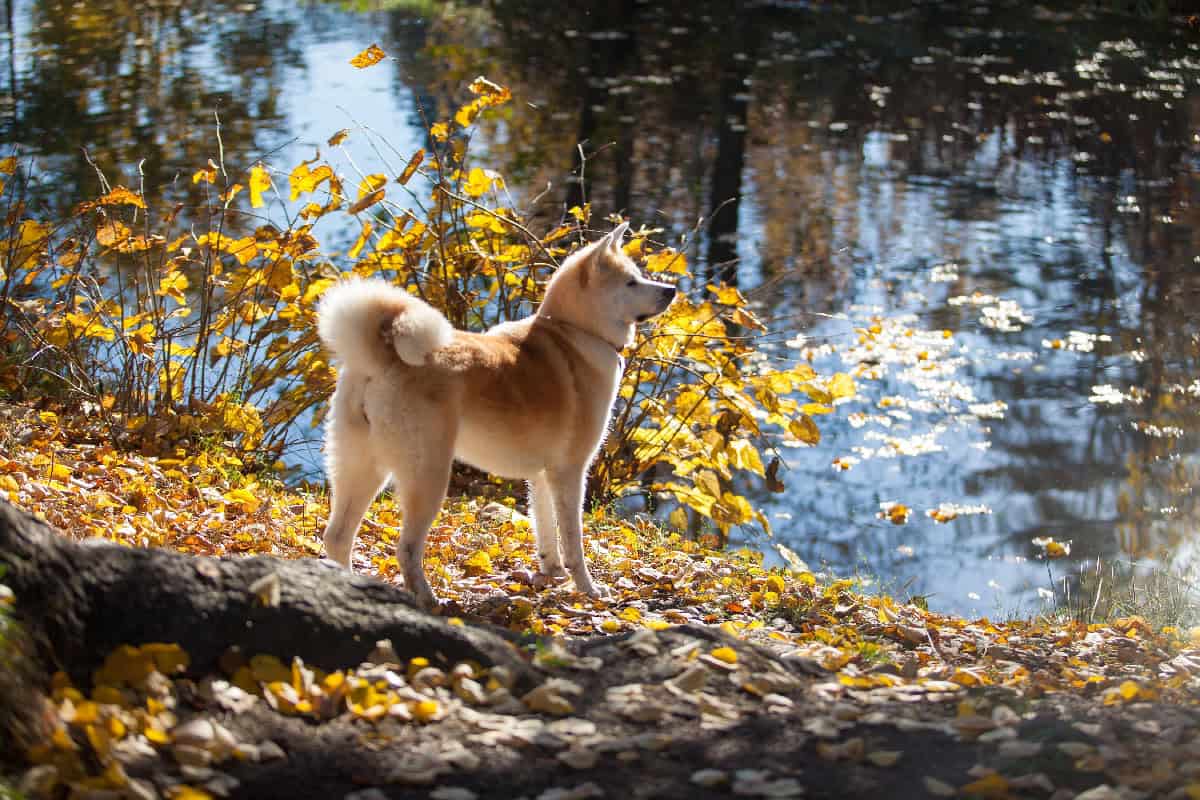
Both Japanese and American Akitas naturally carry their tails curled over their backs. Their loyal temperament and confident posture make them a favorite among experienced owners.
Other Dog Breeds With Naturally Curly Tails
Several additional breeds deserve mention.
The Keeshond carries a full, plume-like tail curled tightly across its back. The Samoyed's famous smiling expression is matched by its elegant fluffy tail. Eurasiers, Swedish Vallhunds, and Jindos also belong to the broader Spitz family and naturally carry curled tails.
Even mixed-breed dogs may inherit this beautiful feature.
What Does a Dog's Curled Tail Mean?
Many owners wonder what a dog's curled tail means.
For breeds that naturally have curled tails, the position is simply part of their anatomy. It doesn't automatically indicate a particular mood.
Instead, watch the entire body language. A relaxed dog may carry its curly tail loosely, while an excited dog often holds it higher with wagging movement. If a normally curled tail suddenly hangs limp or appears painful, it's worth contacting your veterinarian to rule out injury.
Dog Breeds With Curly Tails and Floppy Ears
While many curly-tailed breeds have upright ears, some owners specifically search for dog breeds with curly tails and floppy ears.
There are relatively few purebred examples because curly tails are most common among Spitz breeds, which usually have erect ears. However, several mixed breeds may inherit both traits.
Examples include:
- A Basenji mix dog crossed with a spaniel or retriever.
- Certain hound and Spitz mixes.
- Some village dogs with mixed ancestry.
If you're looking for large dogs with curled tails and floppy ears, you'll most often find them among mixed-breed dogs rather than established pure breeds.
Dog Breeds With Curly Tails and Short Hair
Many people also search for dog breeds with curly tails and short hair.
Several excellent choices include:
The Shiba Inu, Basenji, Akita (short double coat), and Pug all have relatively short coats compared to fluffier Spitz relatives.
These breeds still shed seasonally, but regular brushing usually keeps their coats healthy.
What About Curly Ears, Wavy Hair, or Labrador Tail Curl?
Searches such as dog breeds with curly ears, dog breeds with wavy hair on back, deer head Chihuahua curly tail, or Labrador Retriever tail curl often refer to unusual individual traits rather than recognized breed standards.
For example, Labradors naturally have a straight "otter tail." If a Labrador develops a noticeable curl, it may simply reflect genetics, excitement, or mixed ancestry rather than a breed characteristic.
Likewise, curly ears are uncommon in dogs. Long, feathered ears may appear slightly curled because of the hair, but true ear curling isn't considered a defining trait in most breeds.
Choosing the Right Curly-Tailed Dog
A curly tail can certainly catch your eye, but it's only one piece of the puzzle when choosing a dog.
Consider each breed's exercise needs, grooming requirements, temperament, size, and compatibility with your lifestyle. Some, like the Norwegian Buhund and Finnish Spitz, enjoy active outdoor adventures, while others, such as the Pug or Chow Chow, may prefer a more relaxed pace.
In my experience, the happiest matches happen when owners focus on personality and daily care rather than appearance alone.
Final Thoughts
There are many beautiful dog breeds with curly tails, ranging from the compact Shiba Inu to the powerful Alaskan Malamute and the dignified Chow Chow. Their distinctive tails reflect centuries of selective breeding and, in many cases, fascinating working histories.
Whether you're drawn to a fluffy Spitz, an ancient hunting dog, or a lovable mixed breed, understanding the purpose behind a curled tail helps you appreciate these remarkable dogs even more. And while a curly tail is undeniably eye-catching, choosing a dog whose energy level, temperament, and care needs fit your home will always matter most.
FAQ
Yes. Curly tails are especially common among Spitz breeds, although several non-Spitz breeds, such as the Pug and Basenji, also have naturally curled tails.
Most Spitz breeds inherited their curled tails through generations of selective breeding. The tail may also have helped protect the nose from cold weather while resting.
Absolutely. Many mixed-breed dogs inherit a curly tail from one parent, especially if breeds like the Shiba Inu, Basenji, Akita, or Chow Chow appear in their ancestry.
No. For breeds with naturally curled tails, the shape is part of their anatomy. To understand how a dog feels, look at their overall body language, facial expression, ears, posture, and movement rather than focusing only on the tail.

Leave a Reply