
If your puppy won't pee outside, you’re not alone, and you’re definitely not doing anything wrong. I love how bringing home a new furry friend feels exciting and full of hope, but I’ve noticed that potty training can quickly become the most confusing part of those early weeks.

Jump to:
- Why Puppies Refuse to Pee Outside
- Understanding Potty Training From a Puppy’s Perspective
- Creating a Consistent Potty Schedule
- Timing Matters More Than You Think
- The Role of Crate Training
- Handling Accidents Without Stress
- Helping Your Puppy Feel Safe Outside
- When Behavior or Health Might Be Involved
- Final Thoughts
- FAQ
- YOU MAY ALSO LIKE
One minute you’re standing patiently in the yard waiting for a miracle, and the next minute your puppy comes back inside and has an accident on the rug. It’s frustrating, exhausting, and very normal.
This post is here to help you understand why this happens and how to gently train your puppy to feel comfortable using the bathroom outside.
Why Puppies Refuse to Pee Outside
When a puppy won't pee outside, it’s often about comfort and familiarity. Puppies are creatures of habit, and if your dog has already learned that home feels safe, quiet, and predictable, they may prefer to dog pee there instead. I’ve noticed many puppies get distracted by sounds, smells, or movement when they’re outside, making it hard for them to relax enough to go.
In some cases, the issue can be tied to behavior rather than stubbornness. Puppies may feel unsure about new surfaces, weather, or unfamiliar places. Occasionally, medical conditions can also play a role, especially if your puppy seems uncomfortable or strains when trying to pee. If accidents feel excessive or sudden, a vet check is always a good idea.
Understanding Potty Training From a Puppy’s Perspective
To us, a potty break is simple. To a puppy, it’s a whole learning process. Your puppy doesn’t automatically know that peeing outside is the goal. They’re learning where it’s safe, expected, and rewarded to go. I love how this reminds us that training isn’t about forcing behavior, it’s about teaching patterns over time.
Puppies don’t generalize well at first. Just because they went potty outside once doesn’t mean they understand that every bathroom trip should happen there. That’s why repetition and consistency matter so much during potty training stages.
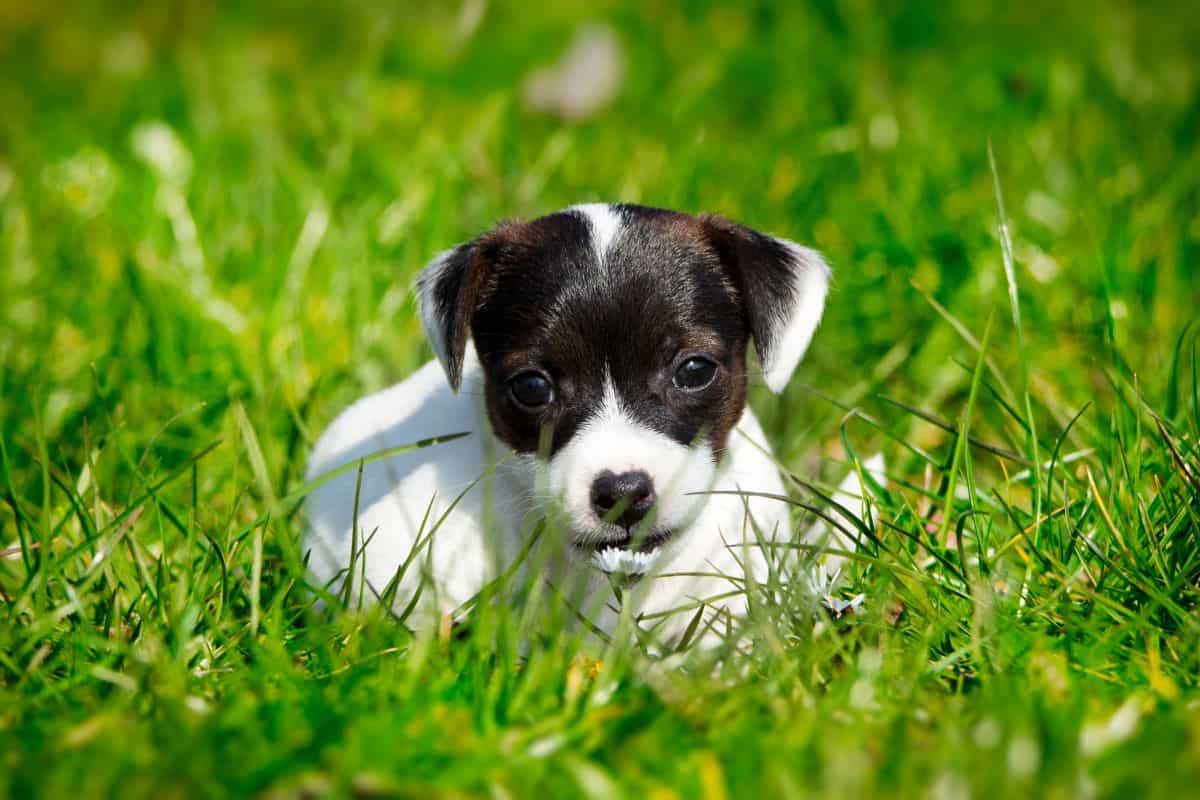
Creating a Consistent Potty Schedule
A reliable potty schedule is one of the most helpful tools when a puppy won't pee outside. Puppies thrive on predictability. I’ve noticed that when dogs go out at the same time every day, accidents decrease more quickly. Take your puppy out first thing in the morning, after meals, after naps, after playtime, and before bed.
Keep potty time boring and focused. Choose one place outside and return to it every time so your puppy associates that spot with doing their business. Using the same routine helps your puppy understand what’s expected during each break.
Timing Matters More Than You Think
Many puppies simply don’t have full bladder control yet. If you wait too long between trips, accidents are almost guaranteed. I’ve noticed that young puppies often need a potty break every 30–60 minutes when awake. Waiting until they’re desperate can backfire and cause them to pee the moment they get back inside.
Short, frequent trips outside are more effective than long waits. Even if your puppy doesn’t go right away, calmly bring them back home, supervise closely, and try again in a few minutes.
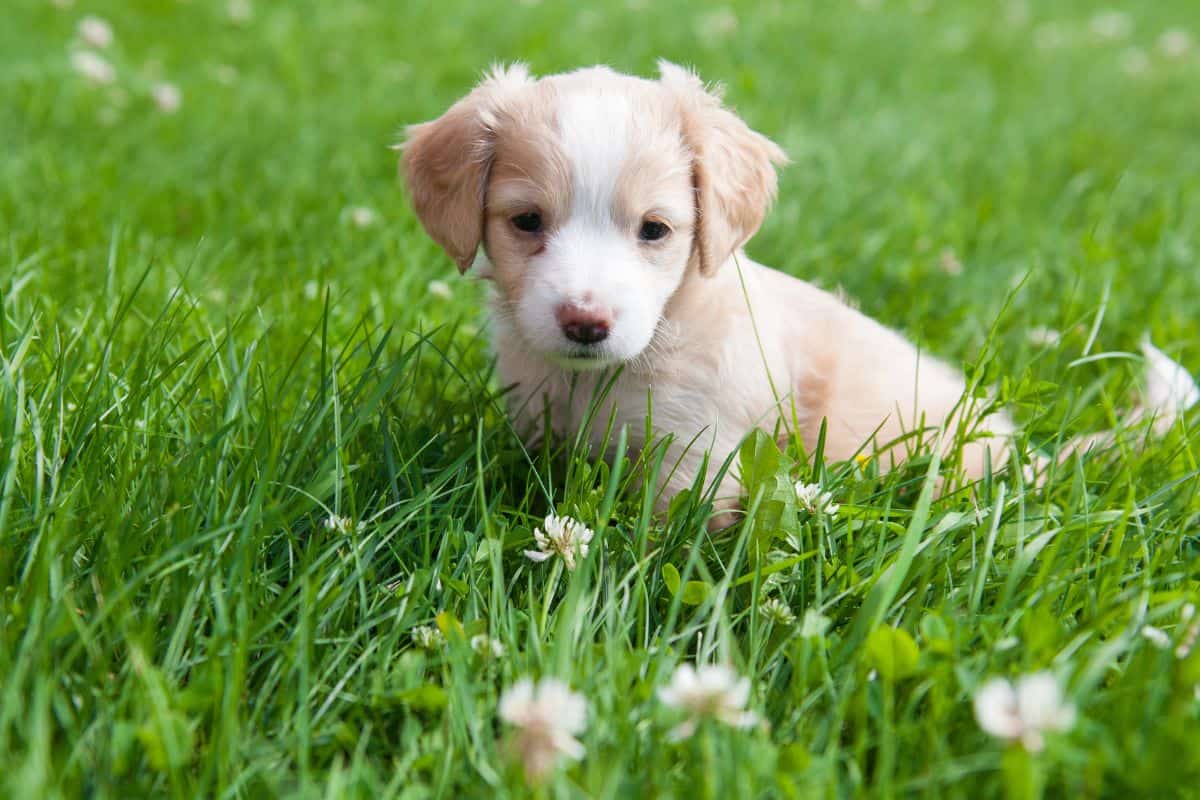
The Role of Crate Training
Crate training can be incredibly helpful when your puppy won't pee outside. Most puppies instinctively avoid soiling their sleeping area, which helps them learn bladder control. A properly sized crate gives your puppy a safe space while preventing roaming accidents around the house.
I love how crates can create structure without punishment. When used correctly, the crate supports your potty training routine by teaching your puppy to hold it briefly until the next potty break. Just remember that puppies should never stay crated longer than they can reasonably hold their bladder.
Handling Accidents Without Stress
Accidents are part of the process, even when you’re doing everything right. I’ve noticed puppies often have accidents during growth spurts or when their schedules change. When this happens, stay calm. Scolding doesn’t teach your puppy where to go; it only teaches them to fear making mistakes.
Clean accidents thoroughly to remove lingering smells that might encourage repeat behavior. Then refocus on your schedule, supervision, and routine. Every accident is feedback, not failure.
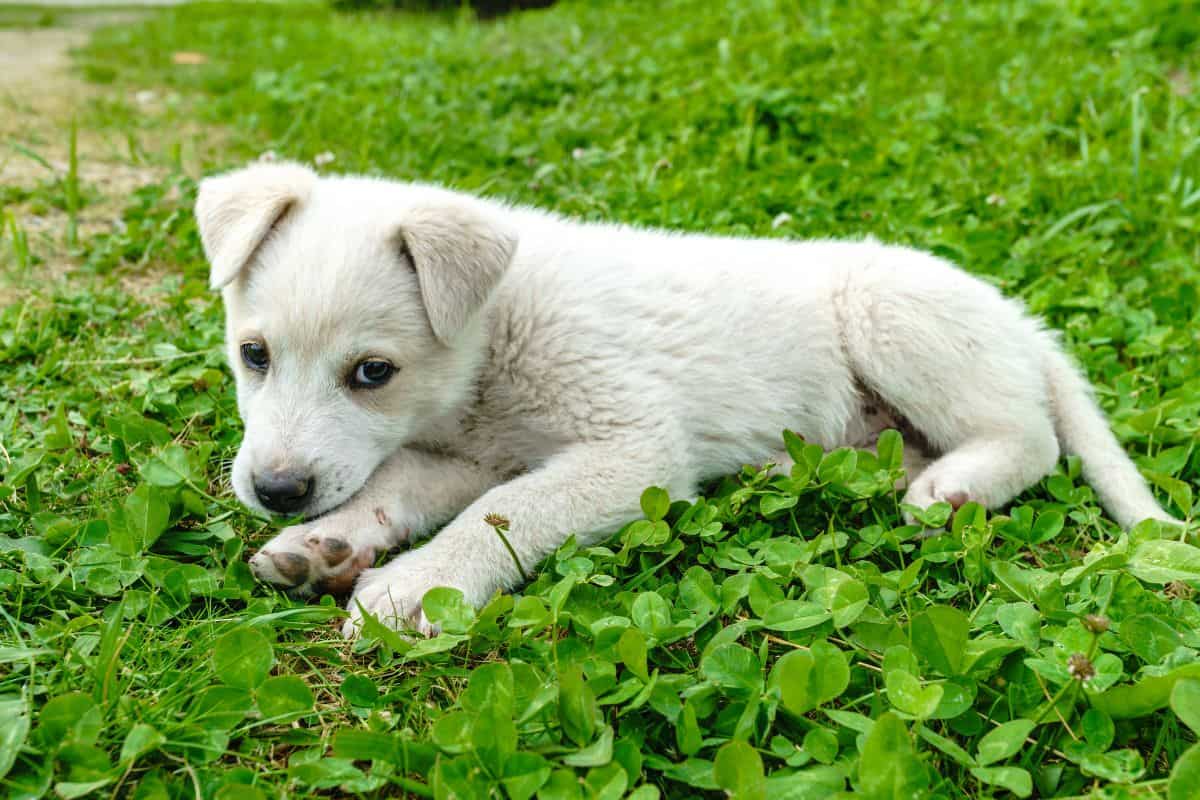
Helping Your Puppy Feel Safe Outside
Some puppies hesitate to poop outside or pee because the environment feels overwhelming. Cars, neighbors, wind, or even birds can interrupt their focus. I love how slowing things down helps. Stand quietly, avoid pulling the leash, and give your puppy time to sniff and settle.
Using gentle praise and rewards right after your puppy pees outside helps connect the dots. Over time, your puppy learns that going potty outdoors leads to good things.
When Behavior or Health Might Be Involved
If your puppy consistently refuses to pee outside but goes immediately once inside, it may be a learned behavior rather than defiance. In rare cases, medical conditions like urinary discomfort can cause hesitation. If training feels stalled or your puppy shows signs of pain, checking with a vet can rule out underlying issues.
Final Thoughts
If your puppy won’t pee outside yet, remember that learning takes time, patience, and consistency. Small wins, one successful potty trip, one accident-free day, gradually build into real progress. With a steady schedule, calm guidance, and supportive routines, your puppy will learn where to go.
Every puppy develops at their own pace. Stay gentle, stay consistent, and trust that your pup is trying. Before long, going potty outside will feel natural for both of you.
FAQ
When a puppy won't pee outside, it’s usually because they feel more comfortable or familiar going inside the home. Puppies are still learning where it’s safe to do their business, and outdoor sights, sounds, or new surfaces can feel distracting or overwhelming at first.
Every puppy is different, but potty training often takes several weeks to a few months. Consistency with a potty schedule, frequent potty breaks, and calm reinforcement help most puppies learn faster over time.
Young puppies usually need a potty break every 30 to 60 minutes when awake, as well as after meals, naps, and play. Going outside often reduces accidents and helps your puppy learn when and where to pee.
This is very common. If your puppy doesn’t use the bathroom outside during potty time, bring them inside, supervise closely, and try again in a few minutes. Over time, they’ll start to connect peeing outside with the routine.
Yes, when used gently, a crate can support potty training by helping puppies learn to wait until scheduled outdoor trips.
Yes, some puppies learn to poop outside before they learn to pee outside. Peeing requires relaxation, which can be harder for puppies in new environments. Consistent routines and patience usually solve this issue.
Occasionally, medical conditions such as urinary discomfort can affect bathroom behavior. If accidents seem excessive or your puppy appears uncomfortable, a vet visit can help rule out health issues.
Stay calm and clean the area thoroughly. Accidents are part of training, not misbehavior. Redirect your focus back to supervision, schedule, and taking your puppy outside more frequently.
Choose one place outside for bathroom breaks, keep the routine consistent, and reward your puppy immediately after they pee outside. Gentle praise helps your puppy understand they did the right thing.
Yes. With patience, a steady potty schedule, and positive training, most puppies learn where to go. If your puppy won't pee outside right now, it doesn’t mean it won’t happen; it just means they’re still learning.



Leave a Reply