
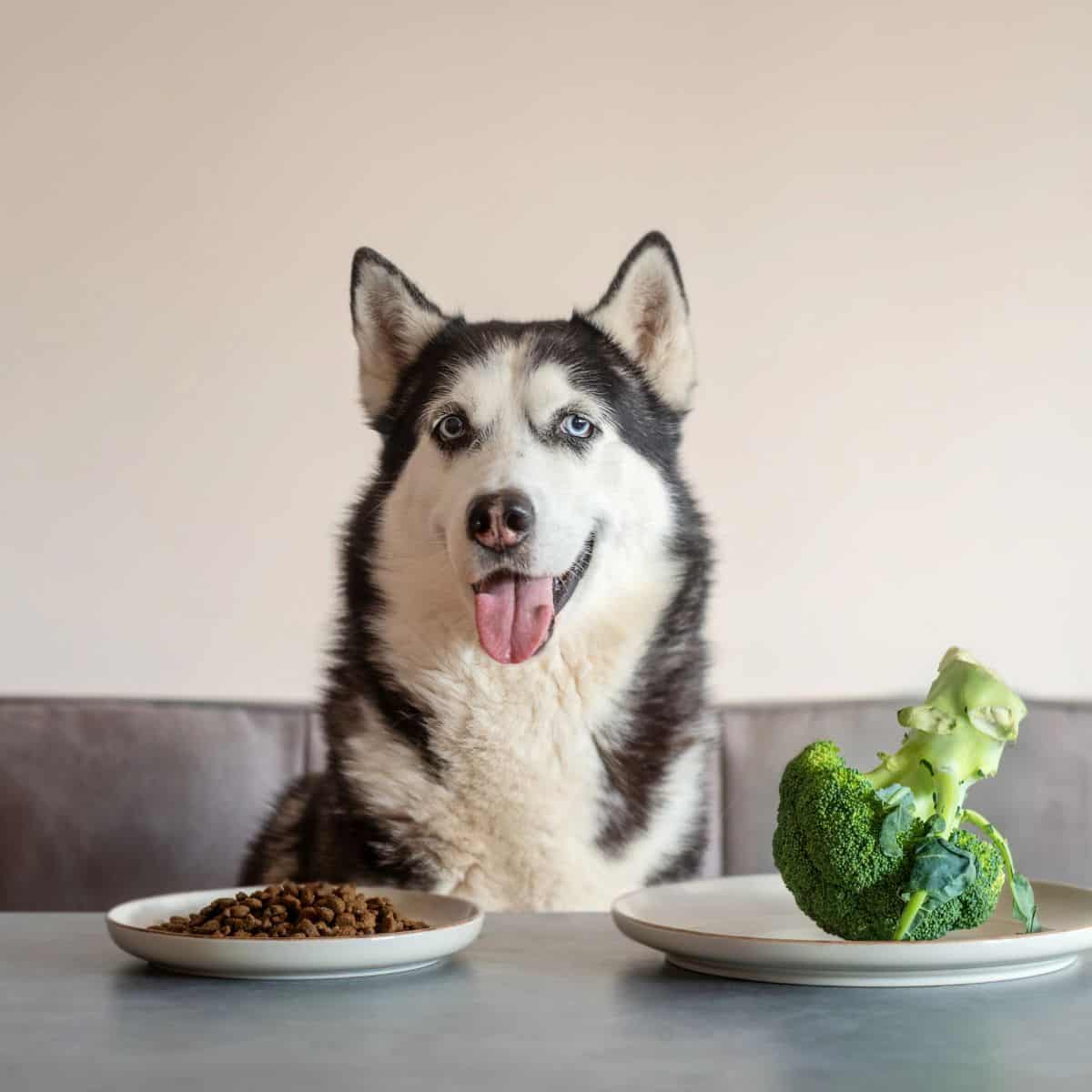
If you’ve ever found yourself preparing vegetables and wondered, " Can dogs eat broccoli, you’re certainly not alone. Many dog owners today are exploring healthier options to complement their dog food and add variety to their pet’s diet.
Jump to:
When looking for wholesome, natural treats, questions often come up, like, "Can I give my dog broccoli?" or "Is raw broccoli good for dogs?" The good news is that broccoli can be a safe and healthy addition when offered thoughtfully.
In my experience, introducing a new food like broccoli can feel a little uncertain at first, but with the right approach, it can become a gentle and nourishing part of your dog’s menu.
Can Dogs Eat Broccoli Safely?
Yes, dogs can eat broccoli, and in most cases, it is considered safe. However, like many human foods, it’s best enjoyed in small portions. Broccoli contains beneficial nutrients, but it also contains compounds that may cause gastric irritation when consumed in large amounts.
I’ve noticed that dogs tend to respond well when broccoli is introduced slowly. Their digestive systems are sensitive to sudden changes, so offering just a few small pieces at first allows you to observe how they react. For a small dog, even a tiny portion is enough, while a large dog may tolerate it slightly more.
The key is moderation. Broccoli should never replace a balanced dog food diet, but can serve as an occasional healthy treat.
Health Benefits of Broccoli for Dogs
Broccoli offers several health benefits that can support your dog’s overall health when fed properly. This vegetable is rich in fiber, which can help support digestion, and it also contains vitamins that contribute to a balanced diet.
In my experience, I love how adding vegetables like broccoli can gently support a dog’s diet without relying solely on processed treats. The fiber content may help maintain regular digestion, and the natural nutrients can complement your dog’s existing feeding routine.
That said, while broccoli contains many benefits, it’s not meant to be a primary food source. Think of it as a fresh, healthy addition rather than a staple.

Can Dogs Eat Broccoli Cooked or Raw?
A common question is whether dogs can eat broccoli cooked or raw. The answer is yes to both, but there are a few important differences to consider.
Raw broccoli is safe in small pieces, but it can be harder for some dogs to digest. If your dog eats raw broccoli, make sure it’s cut into small pieces to reduce the risk of choking and to make it easier on their digestive systems.
Cooked broccoli, especially when steamed or boiled without added seasoning, is often gentler. I’ve noticed that lightly cooked broccoli is easier for dogs to handle, especially when they’re trying it for the first time.
Avoid oils, salt, or spices when preparing broccoli for your dog. Plain and simple is always the safest approach.
Can Dogs Eat Broccoli Stems and Stalks?
Many people ask whether dogs eat broccoli stems or broccoli stalks. These parts are also safe, but they require a bit more care. Broccoli stems are tougher and can pose a choking risk if given in large chunks.
If you choose to feed broccoli stems, be sure to cut them into very small pieces. This is especially important for a small dog, as their size makes them more vulnerable to choking hazards.
In my experience, the softer florets are often the easier choice, but stems can still be included occasionally when prepared properly.

How Much Broccoli Can Dogs Eat?
When it comes to feeding broccoli, portion size matters more than anything else. Even though broccoli is healthy, too much of it can cause an upset stomach or digestive discomfort.
A good rule is to keep broccoli as a small percentage of your dog’s overall diet. Small portions a few times a week are usually enough. Overfeeding can overwhelm their digestive systems and lead to signs of discomfort.
I’ve found that treating broccoli as an occasional addition, rather than a daily food, helps keep things balanced and enjoyable for your dog.
Potential Risks of Feeding Broccoli to Dogs
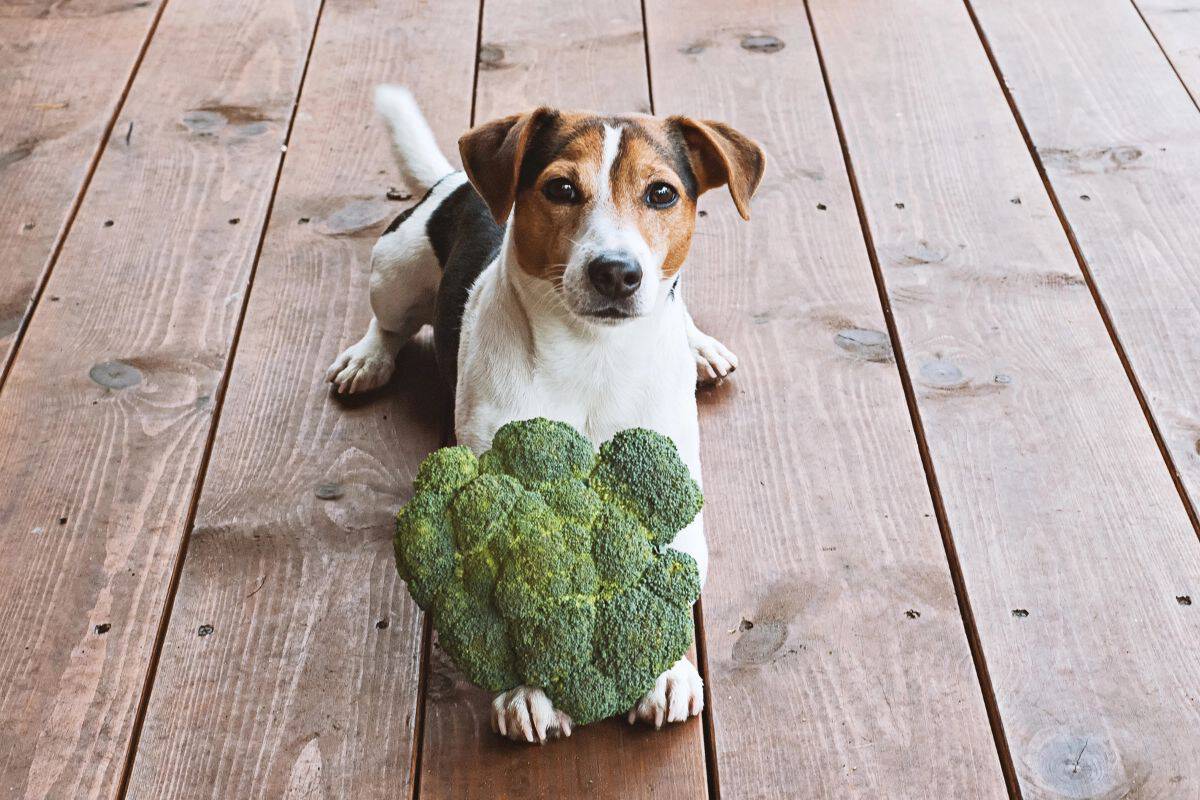
While broccoli is generally safe, there are a few things to watch for. Eating too much broccoli may cause gastric irritation, leading to mild digestive upset.
Dogs with more sensitive digestive systems may react even to small amounts, so it’s always wise to start slowly. Signs of discomfort might include changes in appetite or mild stomach upset.
I always recommend observing your dog closely after introducing any new food. Every dog is different, and what works well for one may not suit another.
Can Dogs Eat Broccoli Every Day?
A common question is how often dogs can eat broccoli. While it’s tempting to add healthy foods daily, broccoli is best given in moderation rather than every day.
Dogs thrive on consistency, especially with their main dog food. Adding too many extra foods, even healthy ones, can disrupt that balance. Offering broccoli occasionally keeps it as a special, healthy treat without overwhelming their system.
In my experience, variety works best when it’s gentle and spaced out over time.

Final Thoughts
So, can dogs eat broccoli? Yes, they can when it’s served in moderation and prepared properly. Whether you offer it raw or cooked, cutting broccoli into small pieces and introducing it slowly can help make it easier for dogs to enjoy it safely.
I like simple foods like this because they add a little variety without overcomplicating a dog’s diet. As with any treat, balance matters most, and broccoli works best as an occasional addition alongside a consistent, well-rounded feeding routine.
FAQ
Yes, dogs can eat raw broccoli, but it should be cut into small pieces to make it easier to digest and safer to chew.
Cooked broccoli is often easier on a dog’s digestive system, especially when steamed or boiled without seasoning.
Yes, but broccoli stems should be cut into very small pieces to reduce the risk of choking.
Broccoli is best given occasionally in small portions rather than as an everyday food.
Yes, dogs can eat broccoli and carrots as part of a healthy treat combination, as long as both are prepared simply and served in moderation.




Leave a Reply