
Many dog owners wonder, " Can dogs eat raw chicken, especially as raw feeding becomes more popular among pet families looking for a more natural approach to nutrition.
I’ve seen that questions about raw chicken for dogs often come from caring owners who simply want to give their pets wholesome, high-quality food. From raw chicken breast to raw chicken bones, there’s a lot of information online, and it can quickly feel overwhelming.
Jump to:
- Can Dogs Eat Raw Chicken Safely?
- Is Raw Chicken Good for Dogs in a Balanced Diet?
- Can Dogs Eat Raw Chicken Bones?
- Can Puppies Eat Raw Chicken?
- What Happens if Dogs Eat Raw Chicken Accidentally?
- Can Dogs Eat Different Parts of Raw Chicken?
- Tips for Feeding Dogs Raw Chicken More Safely
- Final Thoughts
- FAQ
- You May Also Like
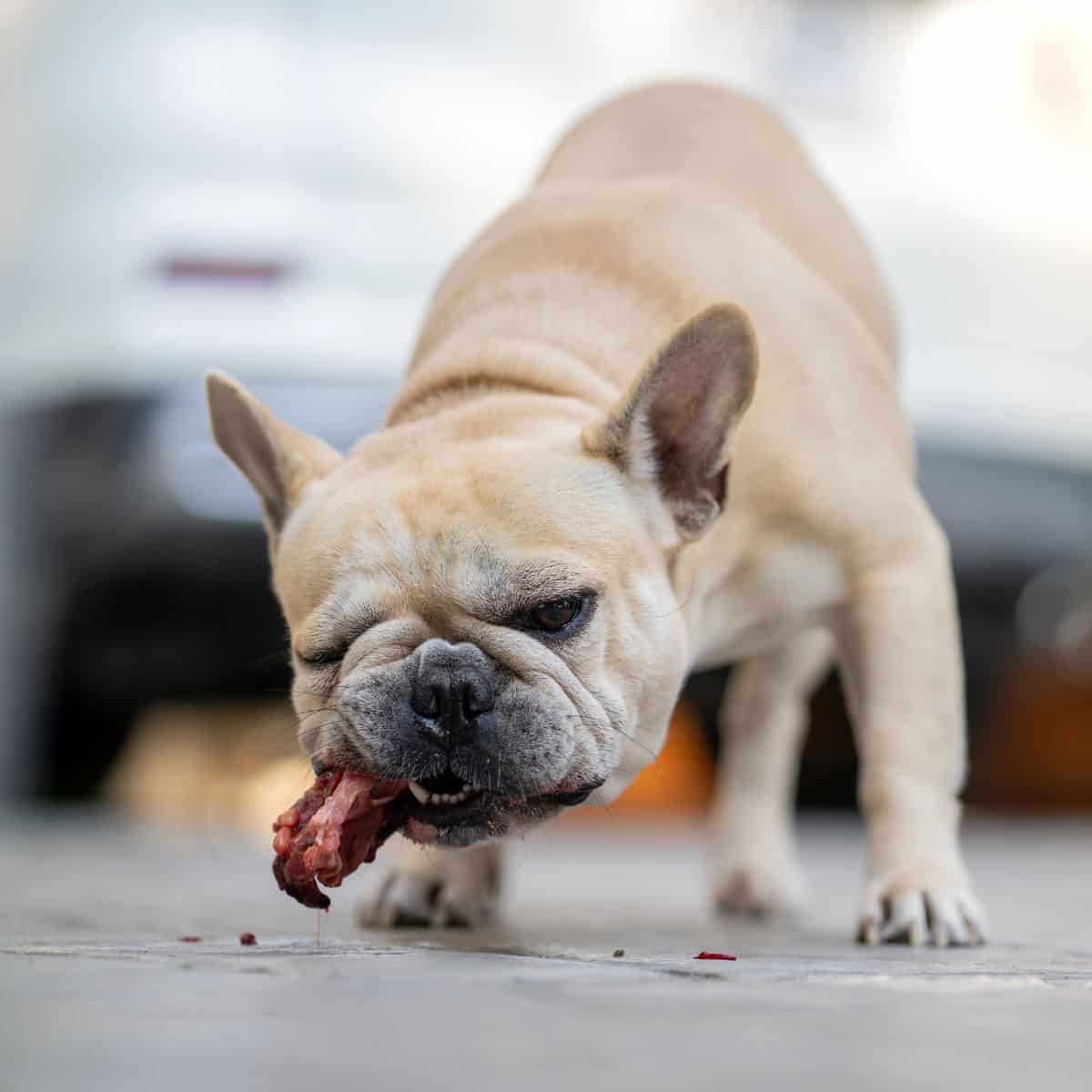
The truth is that dogs can eat raw chicken in some situations, but there are important risks and considerations to understand before changing your dog's food routine.
Whether you are curious about a raw diet, considering feeding dogs raw chicken occasionally, or wondering if your puppy can safely eat raw meat, learning the potential benefits and drawbacks can help you make thoughtful choices for your dog’s health and nutrition.
Can Dogs Eat Raw Chicken Safely?
The question “Can my dog eat raw chicken?” does not always have a simple yes-or-no answer. Dogs are biologically able to digest raw meat, and many people who follow a raw feeding lifestyle believe it supports natural nutrition and feeding habits.
I think some dogs do very well with carefully planned raw food meals, while others may have sensitive stomachs or specific health needs that make raw feeding less suitable.
Raw chicken contains protein, fats, vitamins, and minerals that contribute to a balanced diet when properly prepared. Some owners choose to feed raw chicken as part of a dog raw feeding plan that includes organ meat, bones, and other nutritious foods. Others may simply give raw chicken as occasional treats.
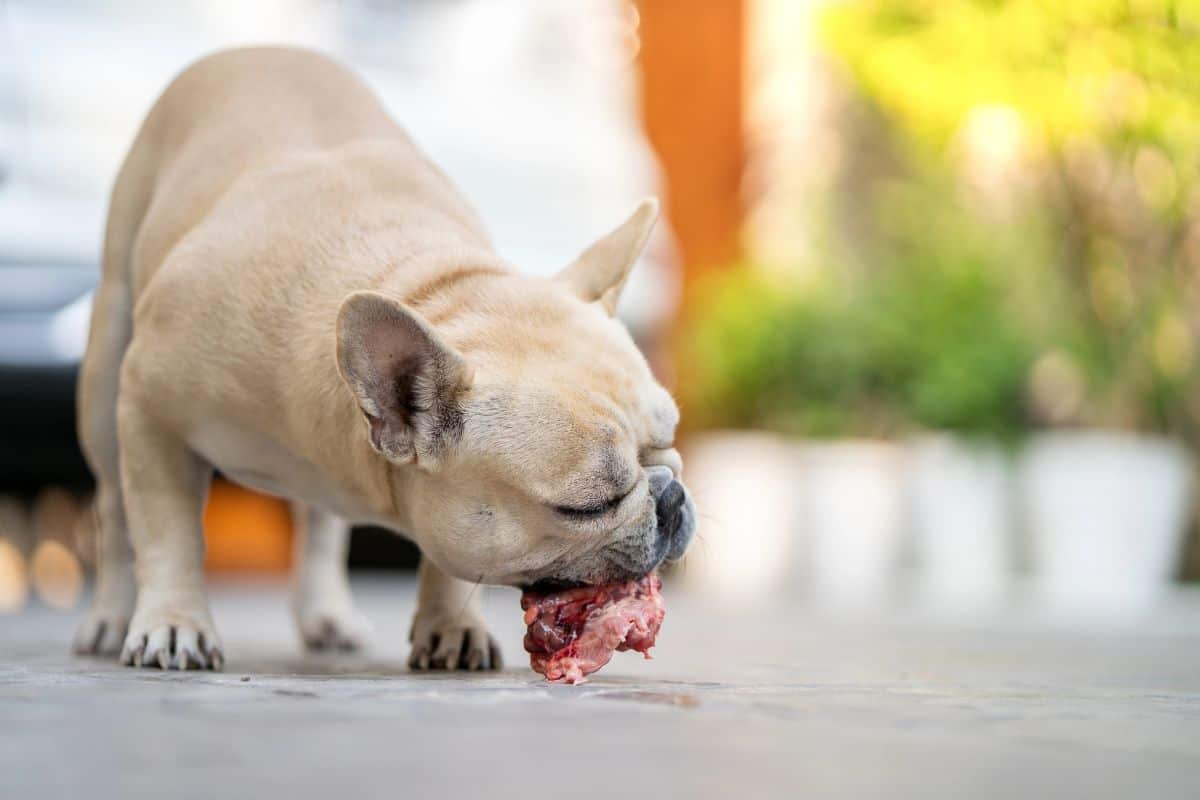
However, feeding raw chicken to dogs also carries risks. Bacteria such as Salmonella and Campylobacter can be present in raw meat. While some dogs tolerate these bacteria better than humans do, contamination can still affect both pets and family members if food is handled carelessly.
If you are asking, “Can I feed my dog raw chicken?” it is important to consider your dog’s overall diet, age, health, and nutritional needs before making any changes.
Is Raw Chicken Good for Dogs in a Balanced Diet?
Many people ask, “Is raw chicken good for dogs?” because they want to offer a more natural feeding option. Raw chicken can provide quality protein and healthy fats that support muscle development, energy, and overall nutrition. I love how simple ingredients sometimes feel closer to what dogs would naturally eat in the wild.
Still, raw chicken alone is not a complete or balanced diet. Dogs need a variety of nutrients, including calcium, vitamins, minerals, and fatty acids. Feeding only chicken without balancing the diet properly may lead to nutritional gaps over time.
A carefully designed raw diet often includes:
- Raw meat from different protein sources
- Raw chicken bones or edible bones for calcium
- Organ meat for vitamins and minerals
- Vegetables or supplements, depending on the feeding plan
Balanced raw feeding requires planning. Simply giving raw chicken to dogs every day without considering overall nutrition may not meet all of a dog’s health needs.
If you want to feed raw food regularly, it may help to speak with a veterinarian or canine nutrition professional who understands feeding raw diets.
Can Dogs Eat Raw Chicken Bones?
One of the most common concerns is whether dogs can safely eat raw chicken bones. Many raw feeding advocates believe that raw chicken bones are softer and less likely to splinter than cooked bones. Cooked chicken bones are generally considered more dangerous because heat changes their structure and makes them brittle.
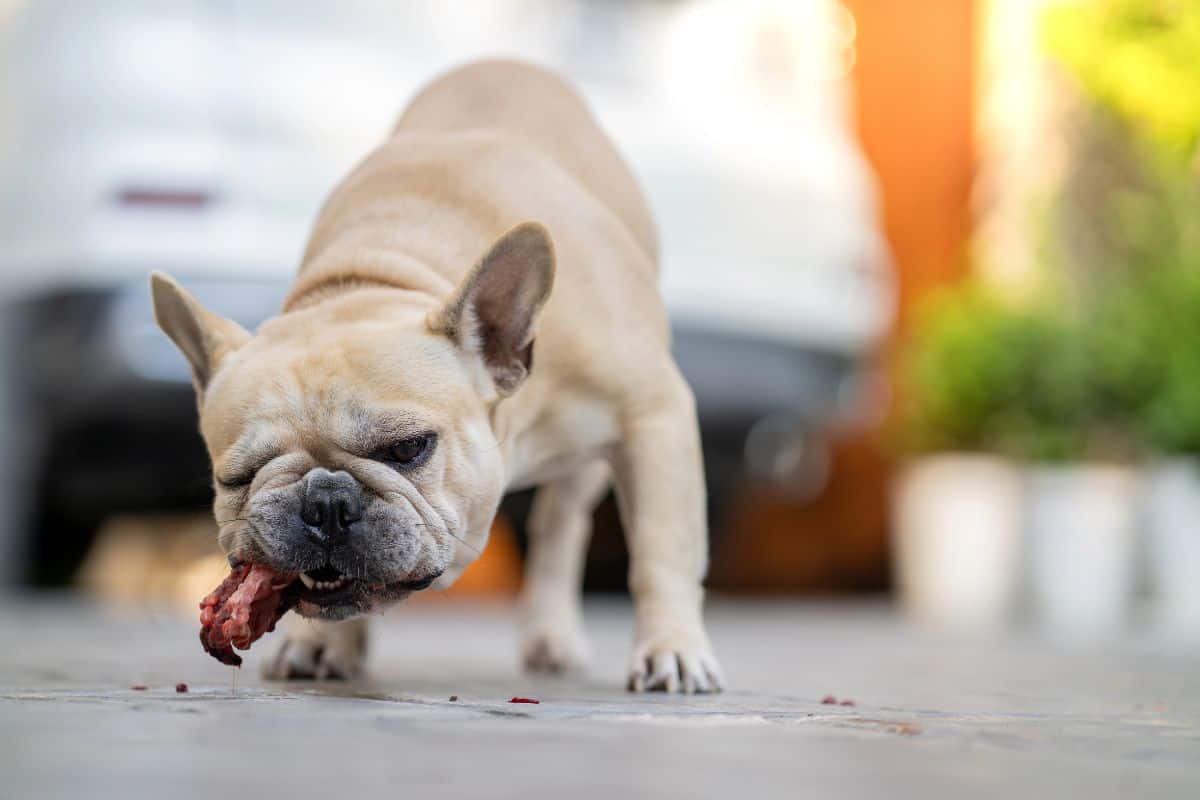
Some dogs eat raw chicken wings, necks, or thighs without problems, especially when introduced gradually as part of a raw diet. Raw chicken necks and raw chicken feet are often included in raw food diets because they contain connective tissue and natural sources of calcium.
Still, there are risks with any bones. Dogs that eat too quickly may choke or experience digestive blockages. Larger bone fragments can also create issues for some pets.
If your dog has never eaten raw chicken bones before, supervision matters. I’ve noticed that slower, calmer eaters often handle raw bones more comfortably than dogs that gulp food immediately.
Puppies, senior dogs, and dogs with dental issues may need extra caution when eating bones.
Can Puppies Eat Raw Chicken?
Many owners also ask, “Can puppies eat raw chicken?” Puppies have growing bodies and very specific nutritional needs. While some breeders and raw-feeding enthusiasts introduce puppies to raw meat early, balance becomes especially important during the growth stages.
Puppies need carefully measured calcium and phosphorus levels to support healthy bone development. Feeding a puppy only raw chicken breast or random raw meat portions may not provide complete nutrition.
If you are considering feeding your dog raw chicken during puppyhood, it helps to ensure the meals are balanced for growth and development. Puppies also tend to have more sensitive digestive systems, so sudden diet changes can lead to stomach upset.
I think gradual transitions tend to work more smoothly than sudden switches in food. Starting slowly allows you to monitor how your puppy responds to raw food.
What Happens if Dogs Eat Raw Chicken Accidentally?
Sometimes, dogs sneak food from the kitchen counter or the trash, leaving owners worried after their dog unexpectedly eats raw chicken. In many cases, healthy dogs may digest small amounts of raw chicken without major problems. Dogs have relatively strong stomach acid compared to humans.
However, there are still situations to watch closely. Symptoms such as vomiting, diarrhea, lethargy, or loss of appetite may indicate digestive upset or exposure to bacteria.
If your dog ate raw chicken bones, monitor carefully for choking, constipation, or signs of discomfort. Contact your veterinarian if your dog seems distressed or unable to eat comfortably.
I’ve heard many owners panic immediately after their dogs accidentally eat raw chicken, but calm observation is usually the best first step. Most mild stomach issues will pass quickly, though serious symptoms should never be ignored.
Can Dogs Eat Different Parts of Raw Chicken?
Dog owners often search for questions like “can dogs eat raw chicken liver,” “can dogs eat raw chicken heart,” or “can dogs eat raw chicken thighs.” Different chicken parts offer different nutritional benefits.
Raw chicken liver contains vitamins such as vitamin A and iron, but too much liver can upset the nutritional balance. Chicken hearts provide protein and taurine, while chicken feet and necks contain cartilage and connective tissue.
Raw chicken breast is lean and easy to portion, though it lacks some nutrients found in organ meat and bones. Many raw feeding plans rotate different cuts to support balanced nutrition.
When feeding raw chicken to dogs, variety often matters more than repeatedly relying on a single ingredient.

Tips for Feeding Dogs Raw Chicken More Safely
If you decide to feed raw chicken, food safety and preparation are very important. Raw meat should be stored properly, frozen when needed, and handled carefully to reduce the risk of contamination.
Clean bowls, counters, and feeding areas thoroughly after meals. Some owners prefer to freeze raw chicken before serving because freezing may reduce certain parasites, though it does not eliminate all bacteria.
Quality also matters. Choosing high-quality meat from trusted sources may help reduce risks associated with raw food.
Portion size is another consideration. Feeding too much fat or too many bones at once can upset digestion. I’ve noticed that moderation and consistency usually help dogs adjust more comfortably to dietary changes.
Final Thoughts
So, can a dog eat raw chicken? In many cases, yes, dogs can eat raw chicken as part of a carefully balanced diet. Raw chicken may provide natural protein, healthy fats, and nutritional benefits that some dogs enjoy. However, raw feeding also comes with important responsibilities involving food safety, balanced nutrition, and careful monitoring.
Whether you choose commercial dog food, homemade meals, or a raw diet, every dog has unique nutritional needs. What works well for one pet may not be ideal for another, so it's important to make feeding decisions based on your dog's age, health, and lifestyle.
I love how much care dog owners put into learning about feeding choices. Asking thoughtful questions about nutrition is one of the best ways to help dogs live healthy, happy lives.
FAQ
Yes, dogs can eat raw chicken breast in moderation, but it should not be the only food in their diet because it does not provide complete, balanced nutrition on its own.
Some dogs can safely eat raw chicken wings as part of a raw diet, though supervision is important because bones may pose choking or digestive risks.
Dogs can eat raw chicken liver in small amounts. Liver contains valuable nutrients, but too much may upset the nutritional balance.
Raw chicken necks are commonly used in raw feeding because they contain soft bones and connective tissue, though they should always be fed carefully and appropriately sized for the dog.
Yes, raw chicken feet are often used as natural treats in raw feeding plans because they contain collagen and cartilage.
Dogs can eat both raw and cooked chicken, depending on the feeding approach. Cooked chicken should always be plain and free of harmful seasonings, while raw chicken requires careful food-safety handling.




Leave a Reply