
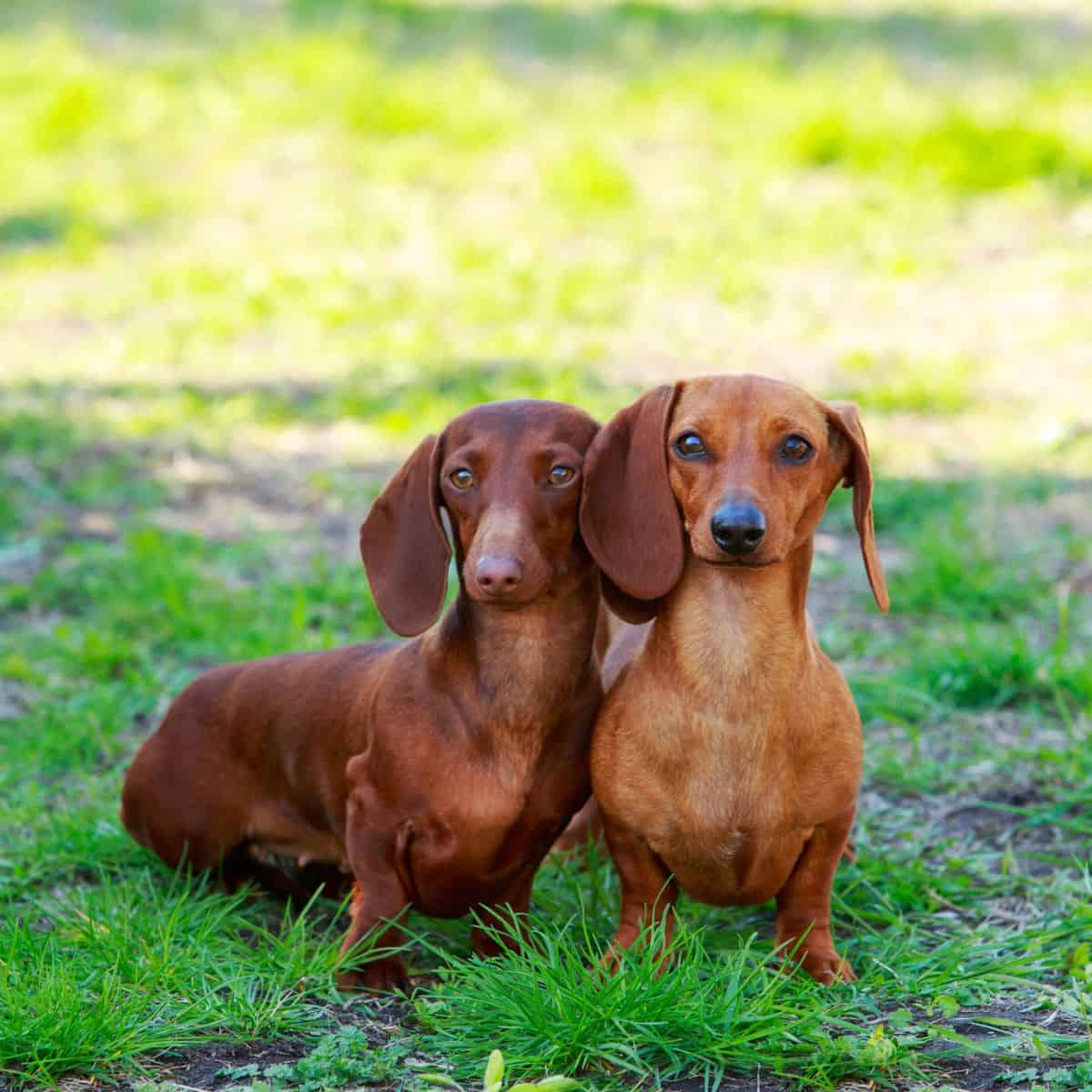
If you’ve ever found yourself smiling at a dachshund trotting by with those short legs and long body, you’re not alone. I love how dachshunds have such big personalities packed into such small frames. But once you start looking into bringing one home, a common question pops up fast: dachshund vs mini dachshund, what’s the real difference?
Jump to:
At first glance, they look almost the same. Same long body, same expressive eyes, same stubborn-sweet charm. But size, lifestyle fit, and care needs can feel very different once you live with one day to day. I’ve noticed that many new owners assume the miniature dachshund is just a smaller version of the standard, but there’s more nuance than that.
This cozy guide walks through the key differences between dachshunds and miniature dachshunds, covering size, temperament, training, health, and what life at home can really feel like with each breed.
Dachshund vs Mini Dachshund: Size Differences
The most obvious difference is size, and it’s usually the first thing owners think about.
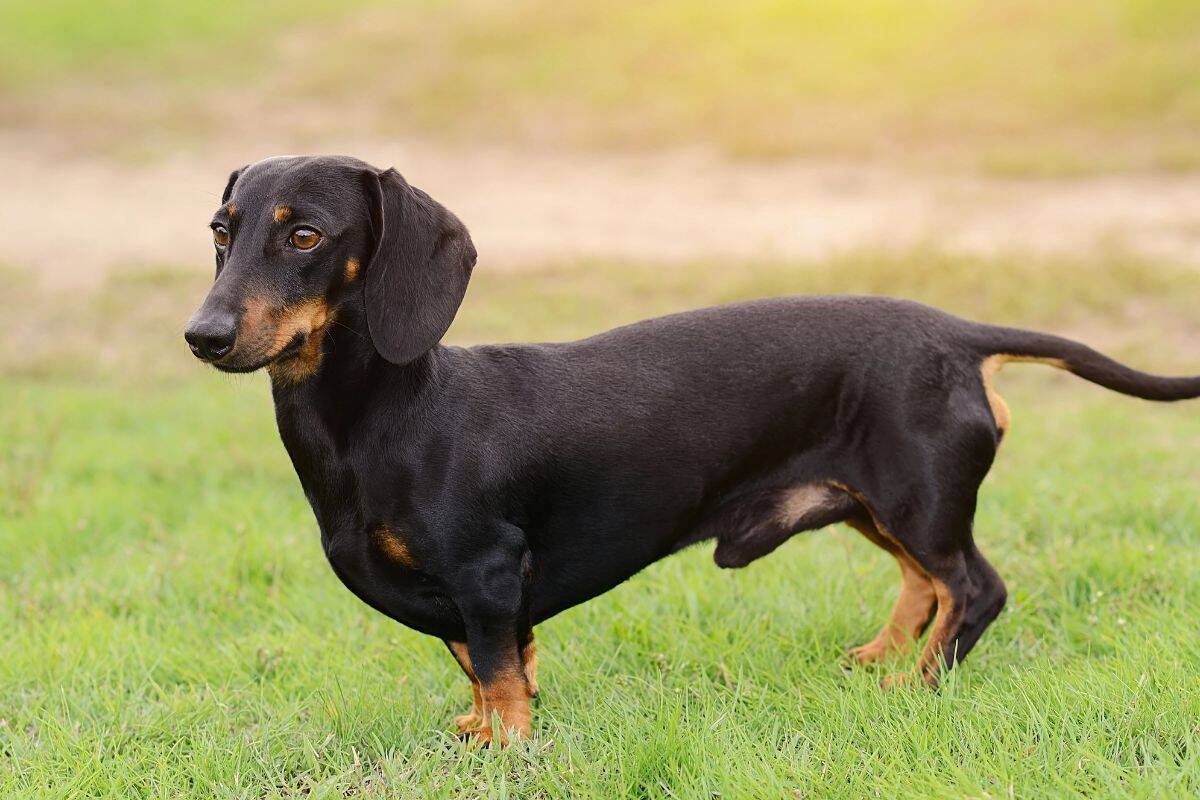
A standard dachshund typically weighs between 16 and 32 pounds. They feel sturdy in your arms and take up more space on the couch than you might expect from their short height. A miniature dachshund usually weighs 11 pounds or less, making them noticeably lighter and easier to carry.
That size difference matters more than people realize. Smaller dogs fit more easily into apartments, travel carriers, and laps. Larger dachshunds may still be small dogs, but they’re not quite as portable. I’ve noticed people with miniatures tend to describe them as “purse-sized,” while standard owners talk more about their dog’s surprising strength.
Temperament and Personality Traits
Both dachshunds and miniature dachshunds share that classic bold, curious personality the breed is known for. They were originally bred to hunt, and that confidence still shows up today.
Standard dachshunds often come across as a little more grounded. They can be calm indoors but alert and watchful, especially around strangers. Miniature dachshunds tend to be more energetic and more clingy, especially as puppies. I love how miniatures often bond intensely with one person and follow them from room to room like a shadow.
Neither version is shy. Both can be vocal, opinionated, and surprisingly brave for their size. Owners who enjoy dogs with personality usually adore this trait, while those wanting a quiet, laid-back breed may feel overwhelmed.

Training and Everyday Behavior
Training can be a mixed experience with both sizes. Dachshunds are smart, but they’re also independent thinkers. I’ve noticed they don’t always ask, “What do you want me to do?” but rather, “Why should I do that?”
Miniature dachshunds can feel slightly easier to manage during puppy training simply because they’re smaller. Accidents, pulling on the leash, and jumping behaviors are less physically demanding for owners. Standard dachshunds may require a bit more consistency, especially during leash training.
Positive reinforcement works best for both. Harsh training methods usually backfire, leading to stubbornness or anxiety. Short, patient training sessions and lots of praise tend to get better results.
Health Considerations to Know
Health is a key consideration in the dachshund vs. mini dachshund discussion. Both are prone to similar issues, especially back problems due to their long spine.
Intervertebral Disc Disease (IVDD) is the most well-known concern. Keeping dogs at a healthy weight, limiting jumping, and using ramps instead of stairs can make a real difference. I’ve noticed that owners who establish these habits early tend to feel less stressed about their long-term health.
Miniature dachshunds may face dental issues more often due to smaller mouths, while standard dachshunds can be more prone to joint strain simply because they weigh more. Regular veterinary visits, balanced nutrition, and mindful exercise are important for both sizes.
Home and Lifestyle Fit
Picking between a dachshund and a miniature dachshund usually depends on which one fits your home and day-to-day life a little better.
Miniature dachshunds adapt well to apartment living. Their small size makes them easier to manage in tight spaces, though they still need daily walks and mental stimulation. Standard dachshunds can also live happily in apartments, but they benefit from a bit more room to stretch out.
Both dogs love comfort. Blankets, warm beds, and cozy corners are practically required. I love how dachshunds burrow like little creatures of habit, turning any home into a snug retreat.

Care, Grooming, and Daily Needs
Care routines are similar across both sizes. Feeding portions differ slightly, but grooming, exercise, and mental enrichment needs remain largely the same.
Dachshunds come in smooth, long-haired, and wire-haired coats. Grooming needs depend more on coat type than size. Miniature dachshunds may feel easier to bathe and brush simply because there’s less dog to handle.
Daily walks, gentle play, and interactive toys help keep both sizes happy and healthy. Skipping exercise often leads to boredom, barking, or mischief.
Which Breed Is Better for New Owners?
There’s no universal answer, but there are patterns. Miniature dachshunds often appeal to first-time dog owners because they’re easier to lift, travel with, and manage physically. Standard dachshunds may suit owners who want a sturdier dog with the same personality but a bit more presence.
Both require patience, consistency, and a sense of humor. If you enjoy dogs that think for themselves and keep life interesting, either size can be a wonderful choice.
Final Thoughts
Choosing between a dachshund and a mini dachshund isn’t really about which one is better; it’s about which one fits your life, your home, and your daily routine.
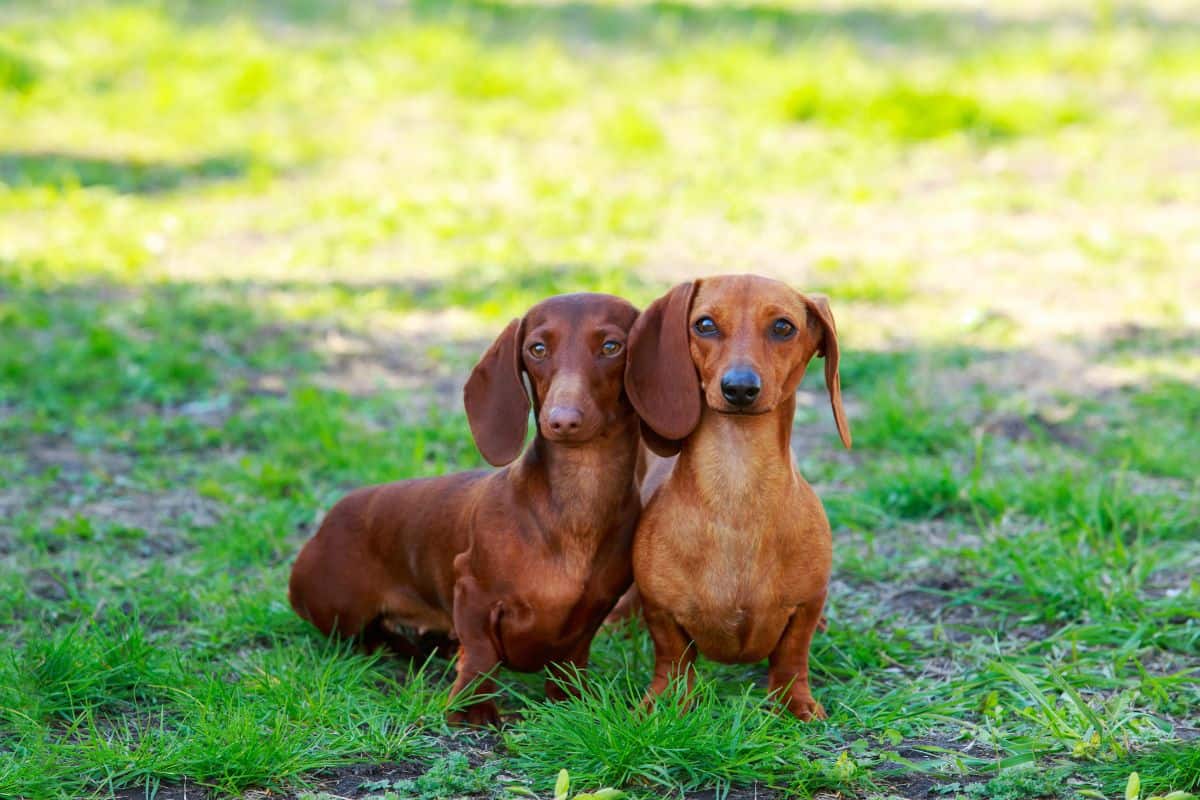
I’ve noticed that when people choose thoughtfully, they tend to fall completely in love with the dog they bring home. Whether it’s the compact charm of a miniature dachshund or the sturdy presence of a standard dachshund, both sizes bring loyalty, personality, and plenty of small moments that make a house feel full.
At the end of the day, they’re more than just dogs. They’re companions with strong opinions, long memories, and hearts that always seem bigger than their bodies.
FAQ
Not exactly. Miniature dachshunds are the same breed, but they were selectively bred to stay smaller in size. In everyday life, that difference can affect things like space, handling, and even how confident they feel in new situations.
Many first-time owners find miniature dachshunds easier to manage simply because they’re smaller and lighter. That said, both dachshunds and miniature dachshunds need patience, consistency, and gentle training to really thrive at home.
Miniature dachshunds don’t necessarily have more health problems, but they can face slightly different ones. Dental care tends to matter more with smaller mouths, while back health is important for all dachshunds regardless of size.

Leave a Reply