
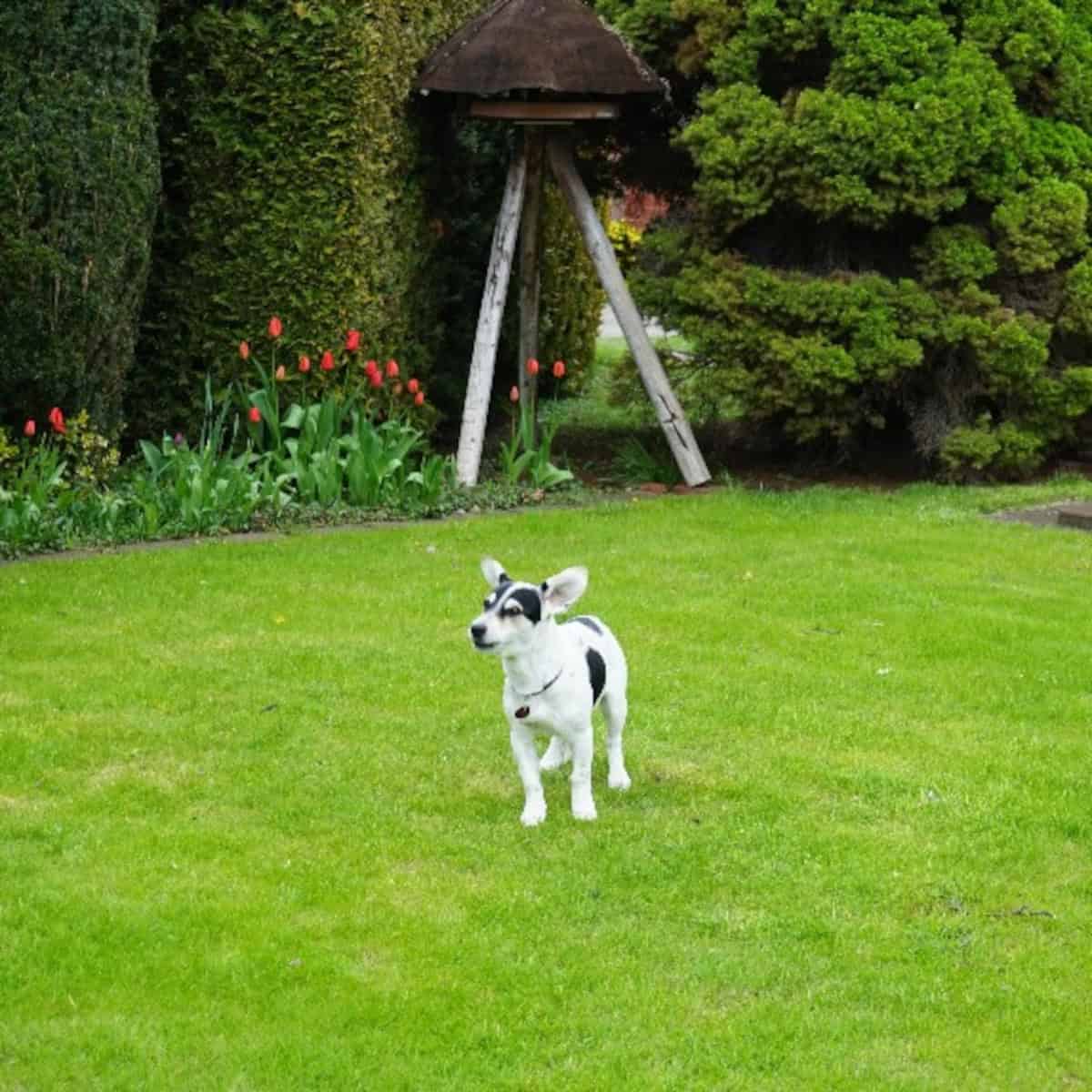
If you're tired of muddy patches, yellow grass, or your dog choosing a different spot in the yard every day, creating a dedicated dog potty area can make life much easier. A designated potty space helps keep your yard cleaner, simplifies house training, and gives your dog a consistent place to relieve themselves.
Jump to:
- Why Create a Dog Potty Area?
- Choosing the Best Location for a Dog Potty Area
- Best Materials for an Outdoor Dog Potty Area
- How to Build an Outdoor Dog Potty Area
- Dog Potty Area DIY Ideas
- Backyard Dog Potty Area Ideas
- Outdoor Dog Potty Area for Winter
- How to Train Your Dog to Use the Potty Area
- Keeping the Area Clean and Odor-Free
- Common Mistakes to Avoid
- Final Thoughts
- FAQ
- You May Also Like
I've noticed that dogs thrive on routine. Once they understand where they're supposed to go, many naturally head to the same spot without much prompting. Whether you have a large backyard, a compact patio, or a small garden, there's an outdoor potty solution that can work for your space.
In this guide, we'll cover how to choose the best location, the best materials for an outdoor dog potty area, DIY ideas, maintenance tips, and common mistakes to avoid.
Why Create a Dog Potty Area?
A dedicated dog bathroom area benefits both dogs and their owners. Instead of cleaning waste from multiple locations around the yard, everything stays contained in one easy-to-maintain space.
A designated potty place for dogs can also:
- Make potty training easier for puppies.
- Protect your lawn from urine damage.
- Reduce muddy paws after rain.
- Keep children’s play areas cleaner.
- Create a predictable routine for your dog.
For multi-dog households, a dedicated potty zone often helps reduce accidents elsewhere in the yard.
Choosing the Best Location for a Dog Potty Area
Location is one of the biggest factors in whether your dog actually uses the space.
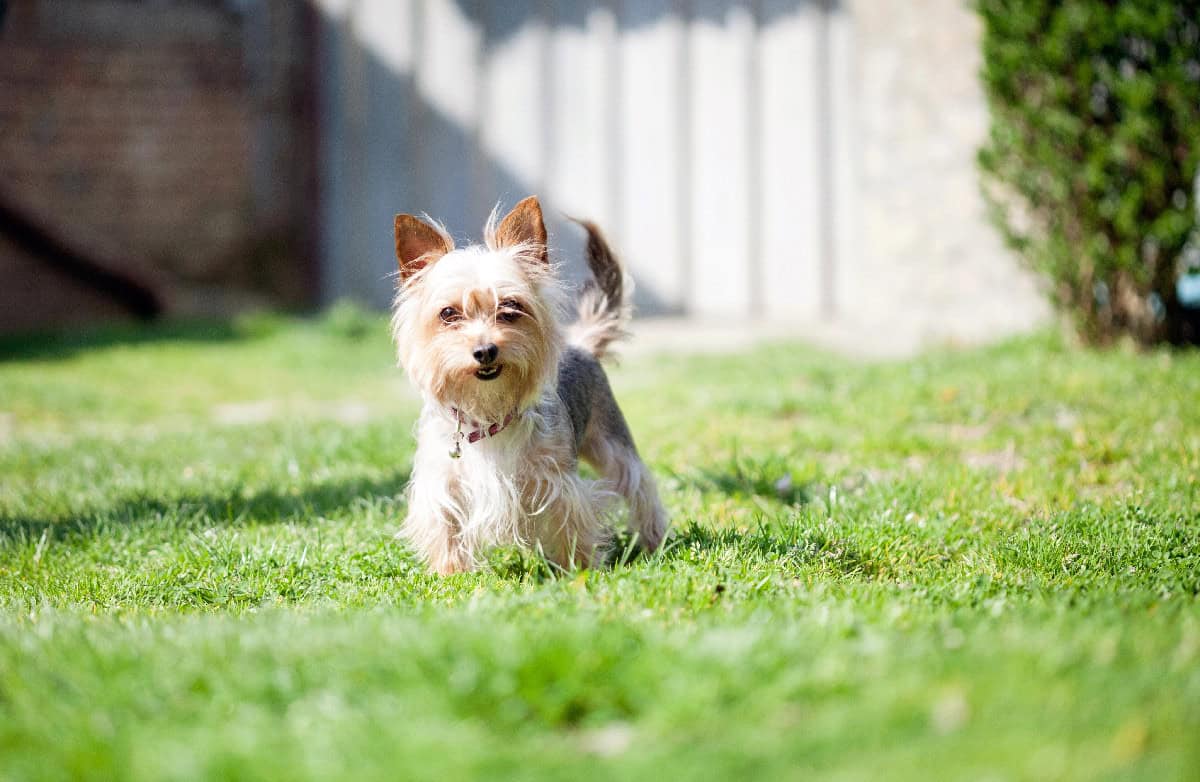
Ideally, your dog potty area in the yard should be easy for your dog to reach while still being away from outdoor seating, gardens, and play areas. Most dogs prefer a quiet location with a little privacy but not somewhere completely isolated.
Avoid placing the area where water collects after rain, as standing water can create odors and make the space unpleasant. Good drainage is essential no matter which material you choose.
If you're working with limited space, a dog potty area for a patio can work surprisingly well, especially with artificial turf or a portable dog potty system.
Best Materials for an Outdoor Dog Potty Area
One of the most common questions owners ask is about the best material for an outdoor dog potty area. The answer depends on your budget, climate, maintenance preferences, and your dog's habits.
Pea Gravel
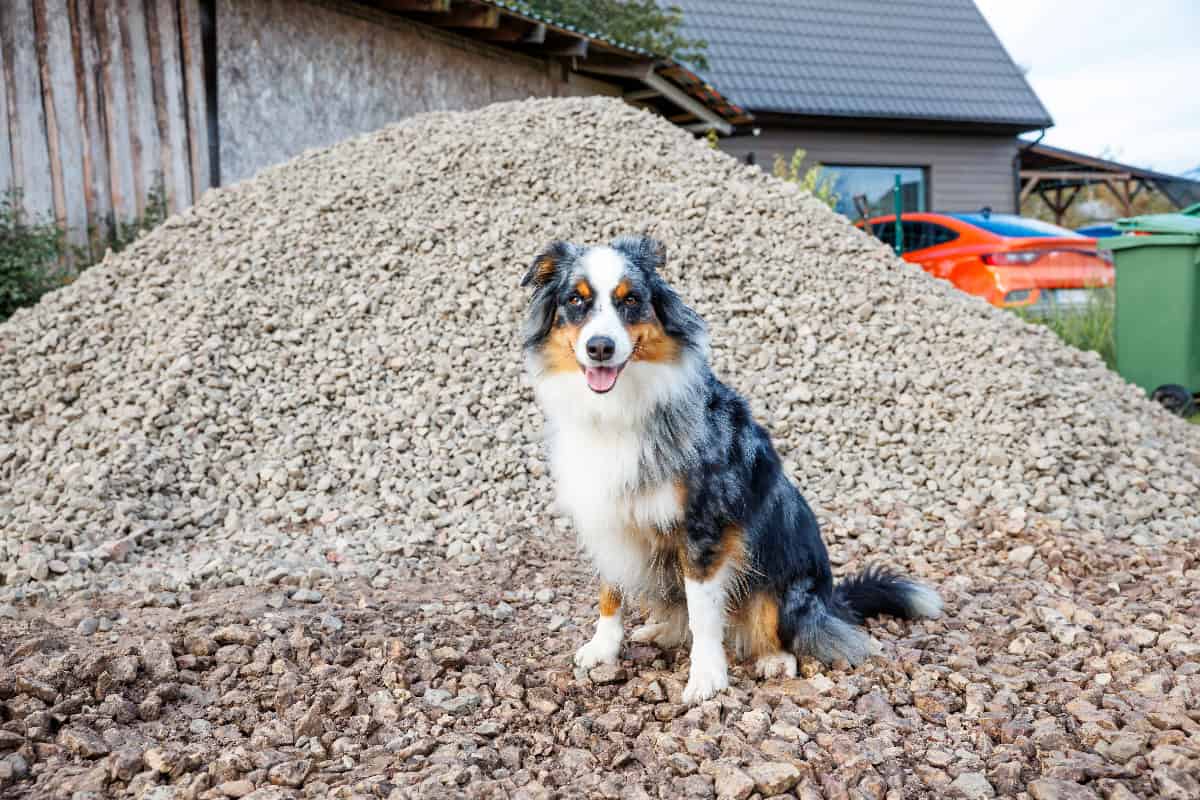
Pea gravel remains one of the most popular choices because it drains extremely well, is affordable, and is comfortable on most dogs' paws.
Many dogs naturally enjoy using gravel since it stays relatively dry after rain. Just make sure to use rounded pea gravel rather than sharp decorative rock.
Artificial Grass
Artificial turf creates a natural-looking outdoor dog bathroom that works especially well for patios and small yards.
Quality pet turf includes drainage layers that allow urine to pass through while making cleanup easier. Regular rinsing helps prevent odors.
Natural Grass
Some owners prefer using real grass, especially if their dog already enjoys eliminating on lawns.
The downside is that repeated urine can kill grass, creating yellow or muddy patches that require reseeding or replacement.
Mulch
Certain untreated mulches can work, although they generally require more frequent replacement and may retain moisture longer.
Avoid cocoa mulch, as it can be toxic to dogs if ingested.
Potty Rock
A potty rock is designed to encourage male dogs to lift their leg in a specific location while helping direct urine into the designated area. While not every dog needs one, many owners find it useful for keeping nearby fences, shrubs, or outdoor furniture cleaner.
How to Build an Outdoor Dog Potty Area
If you're wondering how to build an outdoor dog potty area, the project is much simpler than many people expect.
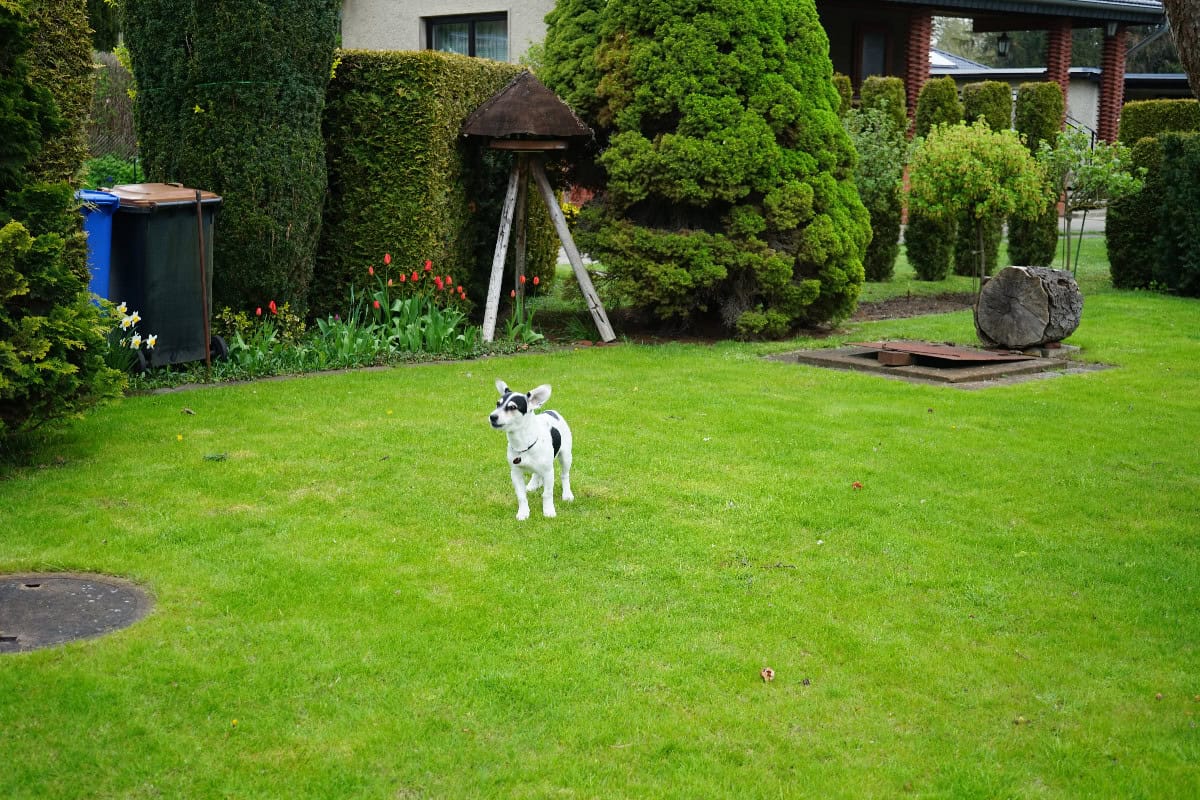
Start by marking out the size of the area. A small dog may only need a few square feet, while a large dog potty area should provide plenty of room to turn comfortably.
Remove grass and weeds before leveling the ground. Adding landscape fabric underneath helps reduce weed growth while allowing drainage.
Next, install edging to keep the chosen material contained. Fill the area with gravel, turf, or your preferred surface.
Finally, introduce your dog to the new space by taking them there consistently during regular potty breaks. Praise and rewards help build the association quickly.
In my experience, consistency during the first week makes the biggest difference.
Dog Potty Area DIY Ideas
A dog potty area DIY project doesn't need to be expensive.
Many owners successfully build one using simple landscaping materials from a local home improvement store.
Ideas include:
- A gravel rectangle bordered with pavers.
- Artificial turf installed over a drainage base.
- A small fenced corner of the yard.
- A patio potty station using turf and a drainage tray.
- A garden dog potty area separated by decorative edging.
The best design is one that's easy to clean and fits naturally into your outdoor space.
Backyard Dog Potty Area Ideas
If you have a larger yard, there are many creative dog potty area backyard ideas that blend into your landscaping.
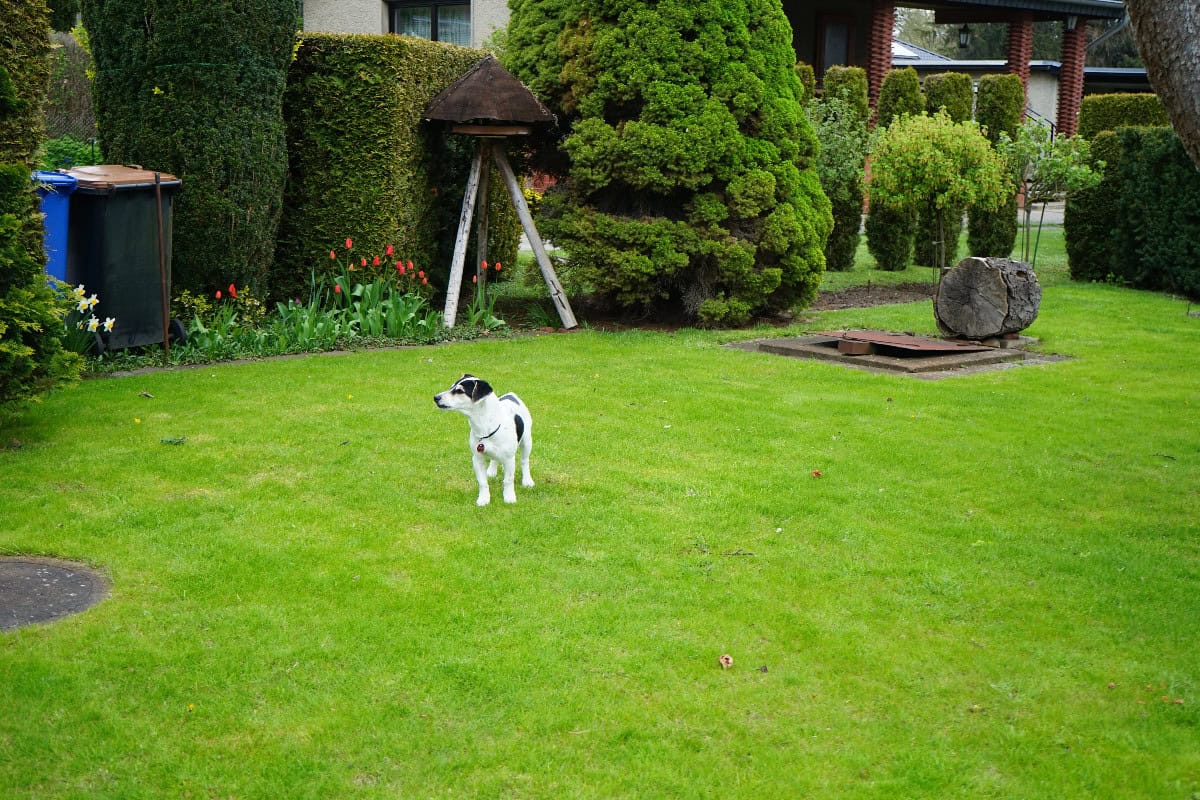
Some homeowners create a dedicated garden dog toilet area tucked behind shrubs for privacy. Others install stepping stones leading to the potty space, making it easy to access during wet weather.
You can also incorporate low fencing, decorative borders, or shrubs to visually separate the area without making it feel enclosed.
The goal is to create a functional space that still complements the rest of your yard.
Outdoor Dog Potty Area for Winter
Cold climates present unique challenges.
An outdoor dog potty area for winter should stay as accessible as possible after snowfalls. Keeping a path shoveled encourages dogs to continue using their designated spot.
Pea gravel generally performs better than grass during freezing weather because it drains well and doesn't become a muddy mess during thaw cycles.
Artificial turf also remains usable throughout winter with occasional snow removal.
How to Train Your Dog to Use the Potty Area
Even the best-designed potty area won't help unless your dog understands its purpose.
Take your dog directly to the area every time they need a potty break. Use the same cue word each trip, then immediately reward successful potty behavior with praise or a small treat.
Avoid allowing your dog to wander the yard before they eliminate. Once they've used the designated spot, you can let them enjoy the rest of the yard as a reward.
Puppies typically learn quickly with repetition, while older dogs may need a little more patience if they're used to eliminating anywhere.
Keeping the Area Clean and Odor-Free
Regular maintenance keeps your outdoor dog pee area pleasant for everyone.
Pick up solid waste daily whenever possible. Rinse gravel or artificial turf regularly to wash away urine residue. Pet-safe enzymatic cleaners can also help reduce lingering odors.
If you're using gravel, replacing or topping it off every year or two helps maintain drainage and appearance.
I've found that spending just a few minutes each week on maintenance prevents much larger cleanup jobs later.
Common Mistakes to Avoid
One of the biggest mistakes is placing the potty area too far from the house. If it's inconvenient for you, it's less likely you'll consistently guide your dog there during training.
Another mistake is choosing materials with poor drainage. Standing water quickly leads to unpleasant smells and muddy paws.
Some owners also make the area too small. Dogs need enough room to sniff, circle, and position themselves comfortably before going potty.
Finally, avoid changing the location repeatedly. Dogs learn routines best when the potty area stays consistent.
Final Thoughts
Creating a dedicated dog potty area is one of the simplest improvements you can make for a cleaner yard and a more predictable potty routine. Whether you choose gravel, artificial grass, natural turf, or another surface, the best setup is one that's easy to maintain and comfortable for your dog.
I love how a thoughtfully designed potty area benefits everyone in the household. Dogs quickly learn where to go, cleanup becomes much easier, and your lawn stays in better condition. With a little planning and consistent training, your dog can develop a reliable potty routine that lasts for years.
FAQ
Pea gravel is one of the most popular options because it drains well, is affordable, and stays relatively clean. Artificial turf is another excellent choice for patios and smaller yards. The best material for a dog potty area depends on your climate, budget, and maintenance preferences.
Small dogs can often use an area around 4 x 4 feet, while medium and large breeds generally appreciate at least 6 x 6 feet or more. Larger spaces make it easier for dogs to sniff and circle comfortably.
Yes. A dog potty area for a patio works well with artificial grass, portable dog toilet systems, or specially designed drainage trays. Just make sure the area can be cleaned and drained easily.
Consistency is key. Always take your dog directly to the designated potty area, reward successful use immediately, and supervise outdoor time until the habit becomes routine.
A potty rock can encourage many male dogs to urinate in one specific location, helping protect fences, plants, and landscaping. While it isn't necessary for every dog, many owners find it a useful addition to an outdoor potty setup.


Leave a Reply