
Potty training a stubborn puppy can feel like one long game of patience, especially when you’re doing “everything right” and still cleaning up accidents. I love how puppies come with huge personalities packed into tiny bodies, but I’ve noticed that a stubborn puppy tends to test every boundary, especially when it comes to house training.

Jump to:
- Why Some Puppies Are More Stubborn Than Others
- Start With the Right Potty Training Mindset
- Create a Predictable Potty Routine
- Timing Is More Important Than Willpower
- The Role of Crate Training
- Handling Accidents the Right Way
- Teaching Your Puppy That Outside Is the Bathroom
- Supervision Inside the Home
- Adjusting Expectations for a Stubborn Puppy
- When to Ask for Extra Help
- Final Thoughts
- FAQ
- YOU MAY ALSO LIKE
One day, they seem to understand the rules, and the next day, it feels like you’re starting from scratch. The good news is that stubbornness doesn’t mean untrainable. It usually means your puppy needs a clearer structure, better timing, and a little more consistency to learn what’s expected.
This step-by-step approach focuses on building habits, not fighting your puppy’s personality, so you can finally feel confident that potty training is moving in the right direction.
Why Some Puppies Are More Stubborn Than Others
A stubborn dog isn’t being difficult on purpose. Puppies have different temperaments, and some simply like doing things their own way. I’ve noticed that confident, independent puppies often question routines more than eager-to-please ones. That doesn’t make them bad; it just means training needs to be very clear and predictable.
For many puppies, confusion can lead to accidents. If your puppy doesn’t fully understand where the bathroom should be, they’ll choose the place that feels safest, which is often the house. Consistency helps stubborn puppies feel secure enough to follow the rules.
Start With the Right Potty Training Mindset
When potty training a stubborn puppy, mindset matters as much as technique. I love how progress speeds up once you stop expecting perfection and start watching patterns instead. Puppies don’t generalize well, so one successful trip outside doesn’t mean the lesson is locked in.
Your goal isn’t to rush the process but to teach your puppy what to do every single time. Calm repetition, not pressure, is what helps a stubborn puppy finally connect the dots.
Create a Predictable Potty Routine
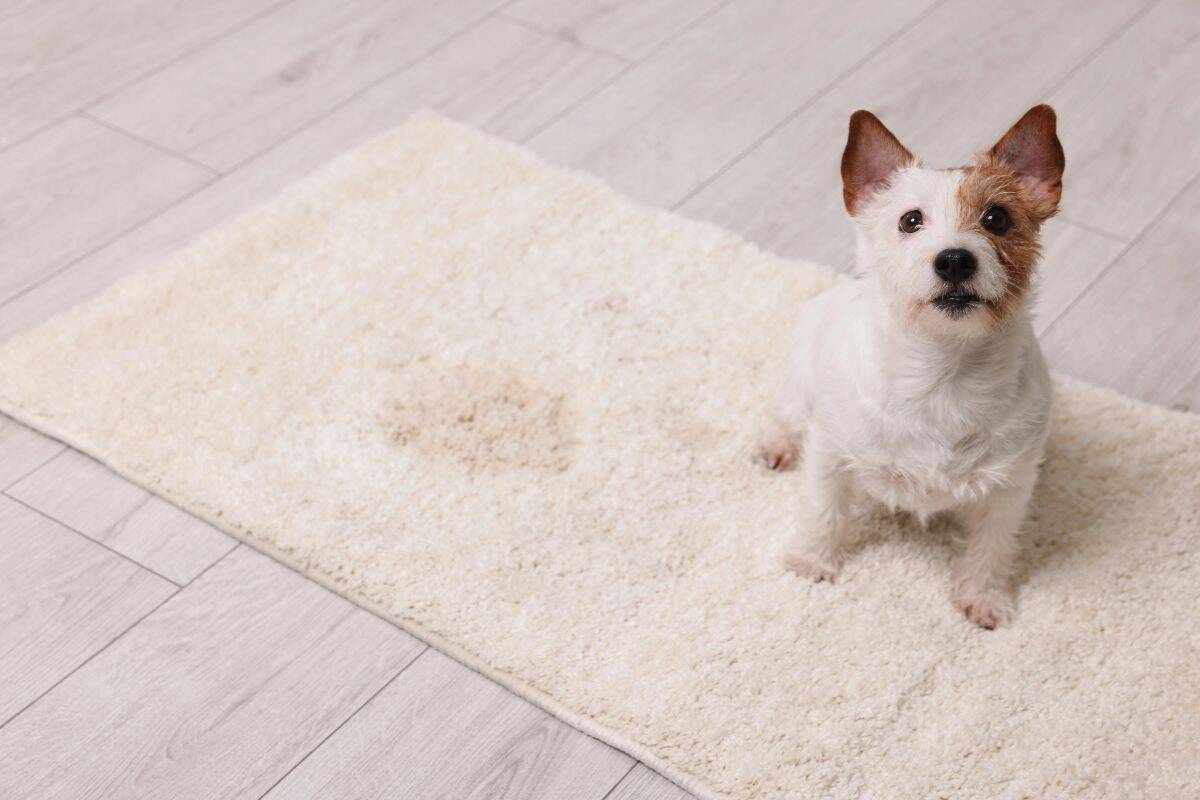
Routine is everything when it comes to house training. I’ve noticed stubborn puppies thrive when life feels predictable. Take your puppy outside first thing in the morning, after meals, after naps, after playtime, and right before bed. These are the moments when puppies are most likely to need to use the bathroom.
Select a single outdoor spot for bathroom breaks and use it consistently. Going back to the same place helps your puppy figure out what that area is for.
Timing Is More Important Than Willpower
Many accidents happen because timing is off, not because your puppy is defiant. Young puppies have limited bladder control, and stubborn ones may ignore early signals. I’ve noticed that shorter, more frequent trips outside work better than waiting too long and hoping for success.
If your puppy doesn’t go within a few minutes, calmly bring them back home, supervise closely, and try again soon. This teaches that potty time happens on your schedule, not theirs.
The Role of Crate Training
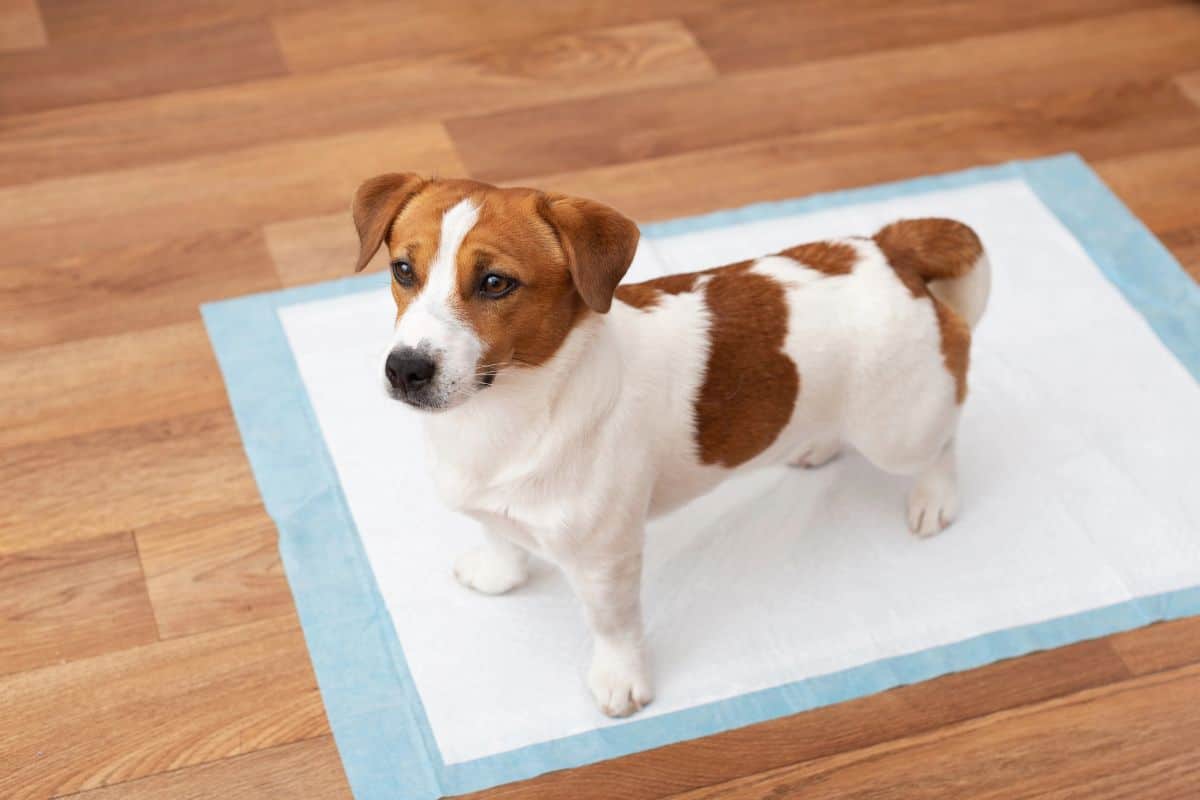
Crate training is one of the most helpful tools for potty training a stubborn puppy. Dogs naturally avoid soiling their sleeping area, which encourages them to hold it until the next potty break. A properly sized crate gives your puppy a safe, calm space while preventing wandering and accidents around the house.
I love how crate training creates structure without punishment. When used correctly, the crate supports learning by teaching your puppy that there’s a right time and place to go potty. Just remember that puppies can only hold their bladder for short periods, so the crate should never be used for too long.
Handling Accidents the Right Way
Accidents are part of the process, even with perfect routines. I’ve noticed that stubborn puppies often backslide during growth spurts or changes in schedule. When accidents happen, stay calm. Scolding only teaches your puppy to hide, not to learn where to go.
Clean accidents thoroughly to remove lingering smells, then focus on prevention. More supervision, better timing, and consistent training will reduce future mistakes. Every accident is feedback, not failure.
Teaching Your Puppy That Outside Is the Bathroom
Some stubborn puppies hesitate to go outside because the environment feels distracting or unfamiliar. Sounds, smells, and movement can pull their focus away from the task. I love how simply slowing down helps here. Stand still, keep potty trips boring, and avoid playing until after your puppy goes.
Reward immediately when your puppy uses the bathroom outside. Over time, this builds a strong association that the outside is the correct place, and the house is not.
Supervision Inside the Home
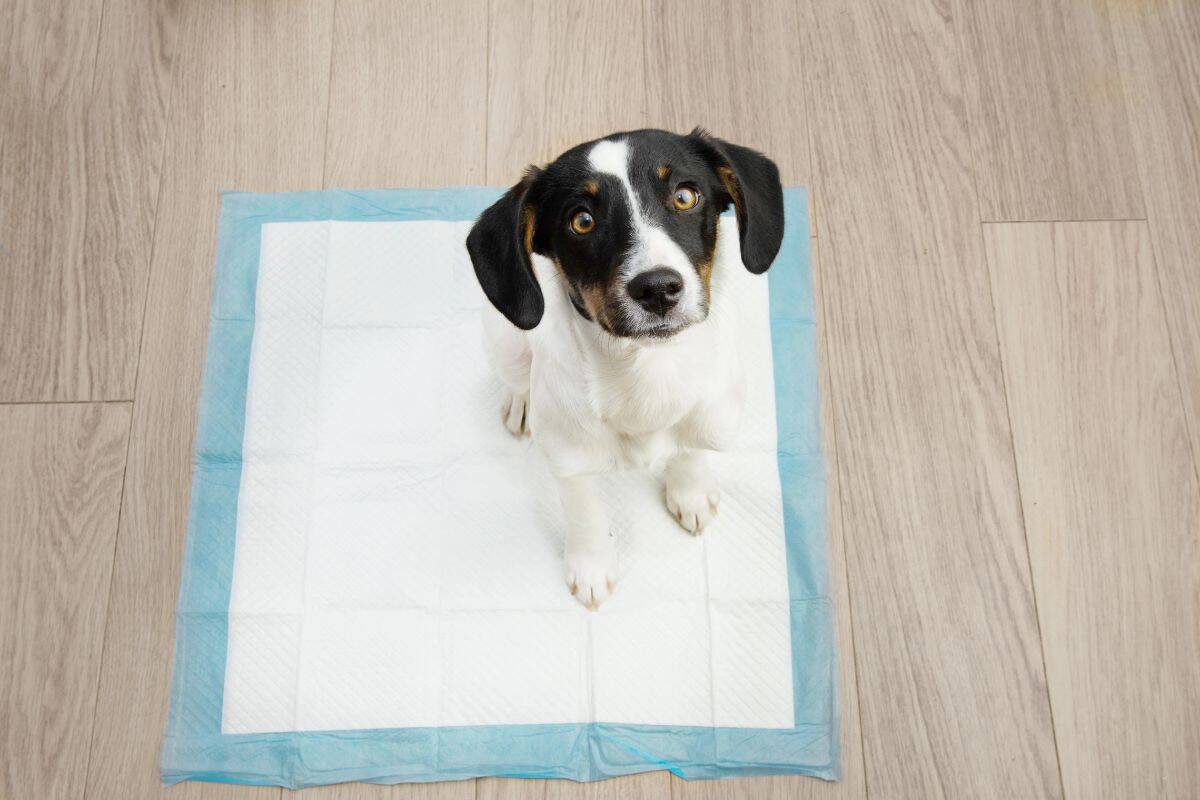
Until your puppy is reliable, freedom should be limited. I’ve noticed that most house training setbacks happen when puppies have too much unsupervised time. Keep your puppy in the same room with you or use baby gates to limit access.
If you can’t watch your puppy closely, use the crate. This isn’t about control; it’s about setting your puppy up to succeed instead of giving them opportunities for accidents.
Adjusting Expectations for a Stubborn Puppy
A stubborn puppy often learns more slowly but more solidly once they understand the routine. I love how patience pays off here. Instead of asking, “Why won’t my puppy get it?” try asking, “What pattern am I teaching right now?”
Celebrate small wins. One accident-free afternoon matters. One successful potty trip at the right time matters. These moments add up faster than you think.
When to Ask for Extra Help
If potty training feels stuck after weeks of consistency, it may help to consult a trainer or veterinarian. Occasionally, underlying issues can interfere with house training, and getting guidance can bring peace of mind.
Final Thoughts
Potty training a stubborn puppy isn’t about winning a battle; it’s about building trust, routine, and clarity. Progress often appears quietly: fewer accidents, quicker potty trips, calmer routines. With consistent training, thoughtful crate use, and patience at home, even stubborn puppies learn where to go.
Every puppy learns at their own pace. Stay steady and kind, and remember your puppy isn’t being difficult; they’re learning your world. With time and consistency, potty training does click.
FAQ
A stubborn puppy isn’t trying to be difficult. Many puppies are independent thinkers and need extra clarity and consistency to learn new routines. During potty training, confusion or inconsistent timing often causes setbacks, not stubbornness.
Potty training a stubborn puppy can take several weeks to a few months. Progress depends on routine, supervision, and your puppy’s age. With consistent house training, most puppies improve steadily over time.
Young puppies usually need to go outside every 30–60 minutes when awake, plus after meals, naps, and play. Frequent trips reduce accidents and help your puppy understand the right time and place to go.
While not required, crate training is one of the most effective tools for house training. A properly sized crate helps your puppy learn bladder control and prevents accidents when you can’t supervise.
Accidents are part of the learning process. Clean the area thoroughly, then focus on improving supervision, adjusting your potty schedule, and taking your puppy outside more often. Avoid punishment, as it can slow training.
No. Punishment doesn’t help puppies learn where the bathroom should be. Calm redirection and consistent routines are far more effective for potty training a stubborn puppy.
Take your puppy to the same place outside each time, keep potty trips boring, and reward immediately after success. Over time, this builds a clear association that the outside is the correct bathroom location.
Most puppies gradually have fewer accidents as training becomes consistent. Even stubborn puppies improve once routines are clear and expectations remain consistent at home.
If your puppy won’t go outside, shorten potty trips, increase frequency, and supervise closely when back inside. Many puppies need repeated exposure to feel comfortable using the bathroom outdoors.
Yes. With patience, structure, and consistent house training, even the most stubborn puppy can learn. Progress may feel slow at first, but it adds up with the right approach.



Leave a Reply