
Choosing the right high-protein puppy food can make a meaningful difference during your puppy’s early months of growth. Puppies grow quickly, and their bodies rely on balanced nutrition to support developing muscles, bones, and an active immune system.
When I talk with fellow dog owners, one topic that comes up often is how much protein puppy food a young dog truly needs and which dog foods offer the best nutritional balance.

Jump to:
In my experience, the best puppy food provides more than just high protein numbers. It also contains quality protein, balanced amino acids, and thoughtfully selected ingredients that support a puppy’s overall health. Whether you’re raising a tiny companion or one of the many energetic large breed puppies, understanding how puppy protein works in a growing dog’s diet can help you choose confidently.
Many trusted pet nutrition resources highlight the role of high-protein diets in early development. Still, not every high-protein puppy food is the same. The right option should support steady growth, provide balanced nutrients, and match your puppy’s specific breed, size, and activity level.
Why High-Protein Puppy Food Supports Healthy Growth
A puppy’s body is constantly developing. Muscles, tissues, and organs all require protein to grow properly, which is why protein puppy food plays such an important role during the first year of life.
Protein contains essential amino acids that support muscle formation and tissue repair. These nutrients also help maintain a strong immune system, which is especially important as young puppies encounter new environments and experiences.
I’ve noticed that when a puppy eats a high-protein puppy food made with recognizable ingredients like chicken, fish, or other animal-based proteins, they often maintain consistent energy levels throughout the day. Balanced protein diets help support healthy development without unnecessary fillers.
It’s also important to consider how protein is measured. Many dog food reviews mention dry matter analysis, which allows owners to compare the protein content of different dog foods more accurately. Looking at dry dog formulas through this lens helps ensure that a protein dog diet truly provides enough nourishment.
Still, protein should always be part of a balanced diet. Puppies also benefit from healthy fats, vitamins, and minerals that support overall health and proper growth.
Choosing the Best High-Protein Puppy Food
When searching for the best high-protein puppy food, I like to focus first on ingredient quality rather than simply looking at the protein percentage on the label.
A well-made puppy food typically begins with a named protein source such as chicken, turkey, lamb, or fish. These ingredients provide the quality protein that supports healthy development. Many trusted dog foods also include wholesome additions like vegetables, healthy grains, or grain-free alternatives, depending on the recipe.
It’s also worth reading reviews and trusted review sources before selecting a food. Resources such as dog food advisors often evaluate formulas based on ingredient quality, safety standards, and nutritional balance.
Another factor I pay attention to is how the food supports different life stages. While puppies need more protein than adult dogs, their food should still be carefully balanced so that growth happens at a healthy pace. Once a puppy becomes an adult dog, their nutritional needs shift, and they may transition to food formulated for adult dogs.
Some puppy foods offer specialized formulas that address specific needs, such as sensitive digestion, grain-free recipes, or higher-calorie formulas for energetic breed puppies.
High-Protein Puppy Food for Large Breeds
Puppies from large breeds have unique nutritional needs compared with smaller dogs. Breeds like Labradors, German Shepherds, and Great Danes grow quickly, so their diet must support steady development without promoting overly rapid growth.
A carefully balanced high protein large breed puppy food usually includes controlled levels of protein and calories along with minerals that support joint and bone health. This helps large breed puppies grow strong while protecting their developing skeletal system.
In my experience, foods designed specifically for large breed puppies often include thoughtfully balanced protein puppy formulas that provide the right amount of nourishment without excess calories. Many of these dog foods also include glucosamine and other nutrients that help support mobility as the puppy grows.
When looking through dog food reviews, you’ll often see brands offering special recipes tailored to large breeds. These formulas are designed to provide steady growth while maintaining healthy weight and energy levels.
Wet vs Dry High-Protein Puppy Food
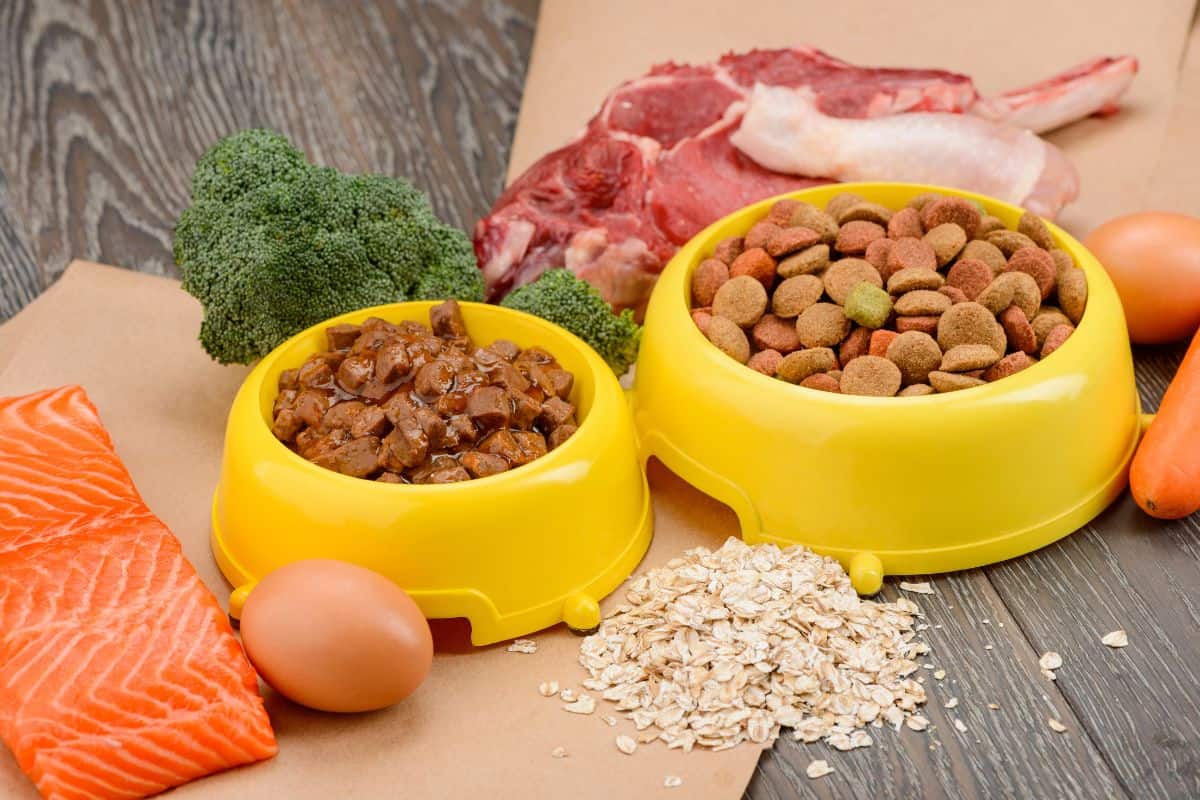
Both dry dog food and high-protein wet puppy food can offer excellent nutrition, and many owners choose one or combine them.
Dry puppy foods are convenient, easy to store, and often support dental health due to their crunchy texture. Many high-quality dry dog formulas provide strong protein levels using ingredients such as chicken meal or fish meal.
On the other hand, high-protein puppy wet food tends to contain more moisture, which some puppies find especially appealing. Wet foods can also be helpful for puppies transitioning from milk to solid food, or for picky eaters.
I love how mixing a small amount of high-protein wet puppy food with a dry recipe can create a flavorful meal that still maintains balanced nutrition. This approach allows puppies to enjoy variety while still receiving a consistent protein diet.

When High-Protein Puppy Food Helps with Weight Gain
Some puppies naturally burn more energy than others, particularly active working breeds or fast-growing breed puppies. In these situations, high-protein puppy food for weight gain can help maintain a healthy body condition.
Protein supports muscle development rather than excess fat, which is why balanced protein diets are often recommended for active dogs. When paired with healthy fats and nutrient-rich ingredients, these foods help puppies maintain energy while supporting overall health.
However, it’s always helpful to monitor portion sizes and growth patterns. Puppies should gain weight gradually as they mature, and their diet should always be appropriate for their age and breed.
In my experience, a thoughtful feeding routine paired with quality protein sources can help puppies thrive without unnecessary weight fluctuations.

Reading Dog Food Reviews and Labels
Before choosing any high-protein puppy food, it’s helpful to read both the ingredient label and trusted dog food reviews. This allows you to compare protein sources, ingredient quality, and nutritional balance.
Look for formulas where real animal protein appears near the top of the ingredient list. These sources often provide the amino acids that help support muscle development and immune health.
Review sites like Dog Food Advisor and other food advisor platforms can also provide useful insights into different dog foods. While every puppy is unique, these resources can offer a helpful starting point when comparing formulas.
Paying attention to serving guidelines, dry matter protein percentages, and ingredient transparency can make it easier to choose the best food that dog owners feel comfortable feeding every day.

Final Thoughts
Finding the right high-protein puppy food may feel overwhelming at first, but it becomes much simpler once you understand what to look for. Focusing on quality ingredients, balanced nutrition, and the right protein sources can make a meaningful difference in your puppy’s development.
Whether you choose dry food, wet food, or a mix of both, consistency and ingredient quality tend to matter most. A well-balanced diet can support steady energy levels, a healthy coat, and strong overall development.
Ultimately, selecting a formula that matches your puppy’s breed, size, and activity level will help set the foundation for a happy, thriving dog.
FAQ
The best high-protein puppy food typically contains real animal protein, such as chicken, lamb, or fish, as the first ingredient. It should also provide a balanced nutrient profile that supports healthy growth, immune function, and overall health.
Yes, but large breed puppies often benefit from formulas specifically designed for their size. High protein puppy food for large breeds supports muscle development while maintaining controlled growth to protect joints.
The highest protein puppy food usually includes concentrated animal protein sources and carefully balanced amino acids. Checking dog food reviews and dry matter protein percentages can help you compare options.
In some cases, high-protein puppy food for weight gain can help active puppies maintain a healthy body condition. A balanced protein diet combined with healthy fats and proper portion sizes often supports steady weight gain during early development. 🐾



Leave a Reply