
There’s something quietly magical about large white dog breeds that are white in color. Maybe it’s the way their bright coat seems to glow against green grass, or how their calm presence fills a room without ever trying too hard. These dogs often feel nostalgic, like characters from childhood books or old family photos where a loyal, large dog sat patiently at someone’s feet.
Jump to:
Whether originally bred to work, guard, or protect livestock, many white large dog breeds today are cherished companions who bring warmth, strength, and steady affection to a family home.
In this guide, we’ll explore some of the most beloved white dog breeds, their personalities, care needs, and why these gentle giants continue to capture hearts across generations.
Why White Large Dog Breeds Stand Out
White dogs tend to symbolize purity, calm, and quiet confidence. When paired with a large frame, the effect is even more striking. Many of the largest white dog breeds look powerful yet peaceful, strong enough to protect, but gentle enough to lounge beside you on a slow afternoon.
Many white breeds were originally bred as working dogs or livestock guardians, which explains their intelligence, independence, and loyalty. While some fall into the category of large white fluffy dog breeds with soft, cloud-like coats, others have sleek, muscular builds that reflect their serious heritage. Either way, white breeds often balance strength with a surprisingly calm demeanor.
Great Pyrenees: The Gentle Guardian
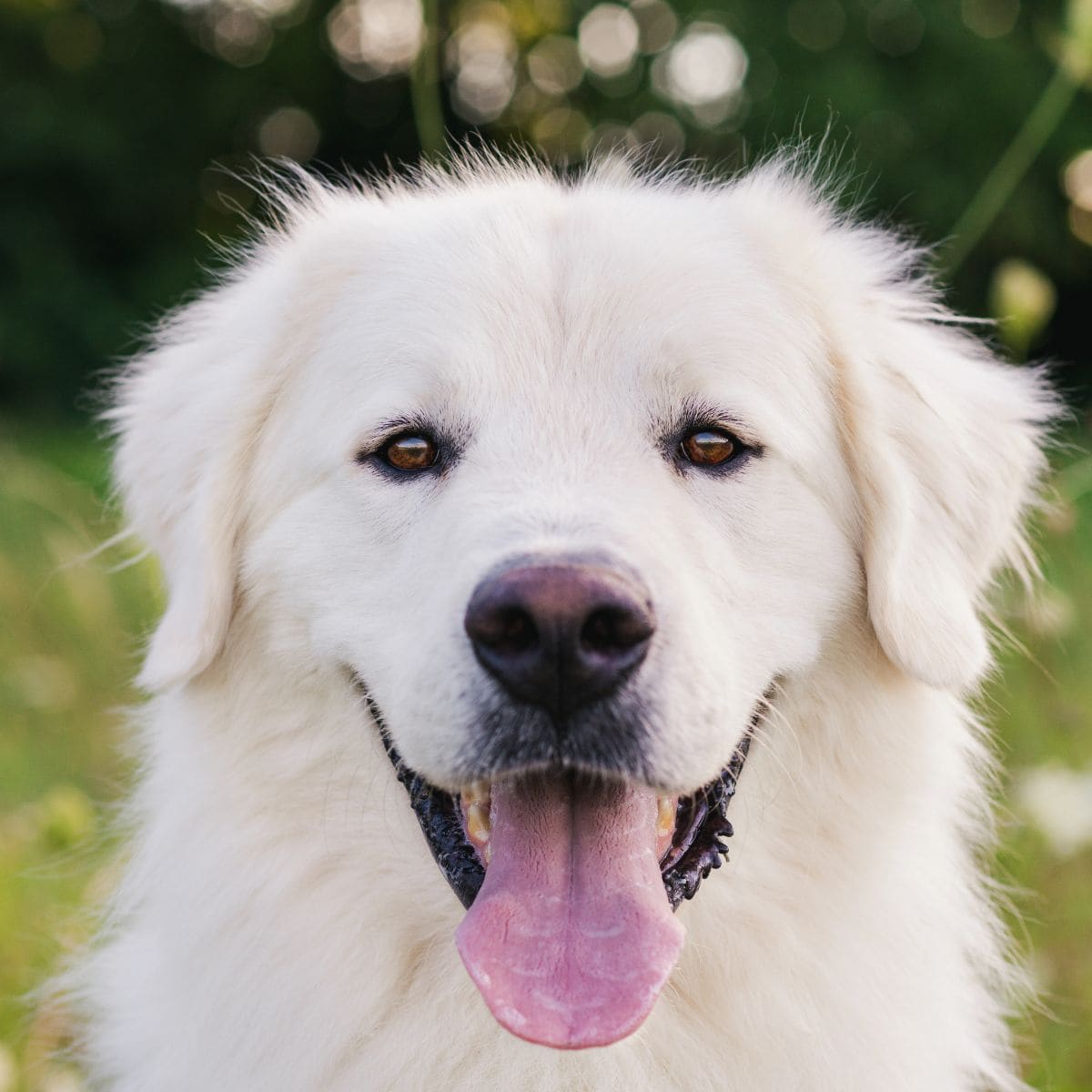
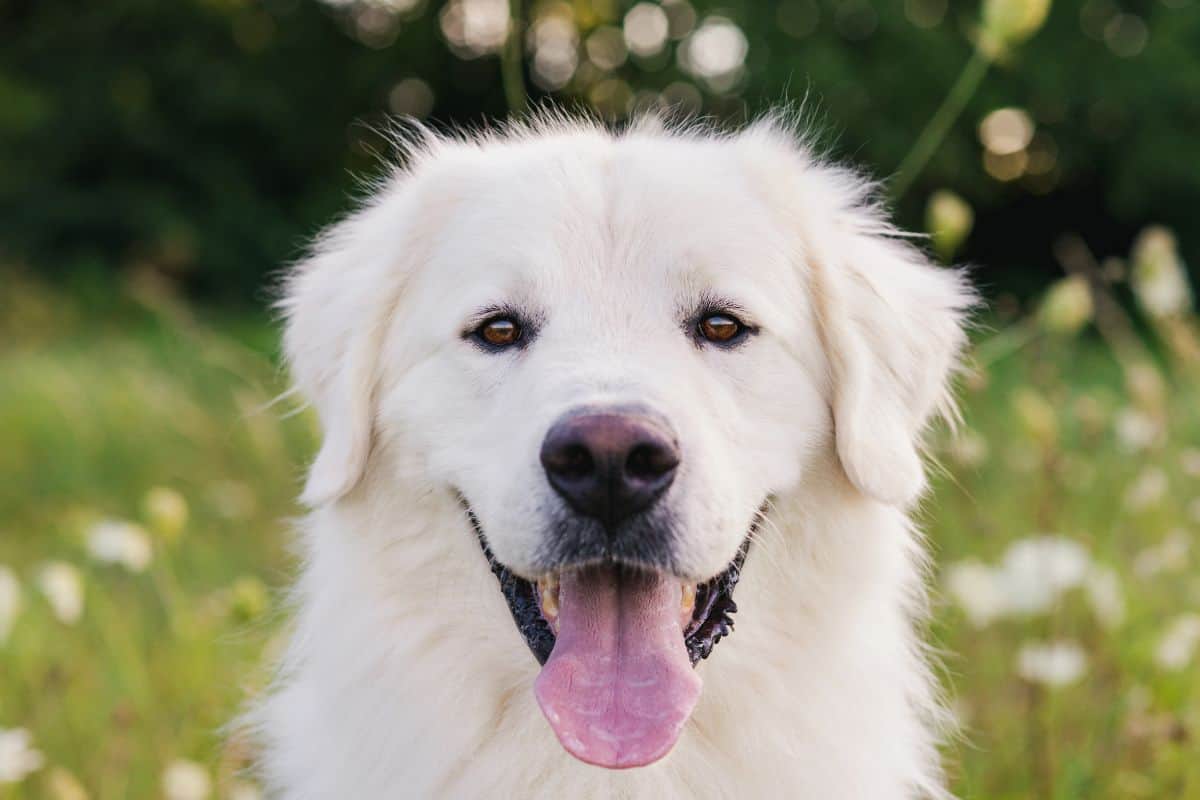
The Great Pyrenees is often the first breed people think of when discussing large white dog breeds. With a thick, fluffy double coat and a dignified expression, this shepherd dog was originally bred to guard sheep in mountainous regions.
Despite their size, Pyrenees are known for being gentle with family, especially children. They are natural guard dogs, quietly observant rather than reactive. While they don’t demand intense daily exercise, they do benefit from regular walks and mental stimulation. Their independent nature means training requires patience, but their loyalty runs deep.
Dogo Argentino: Powerful Yet Devoted
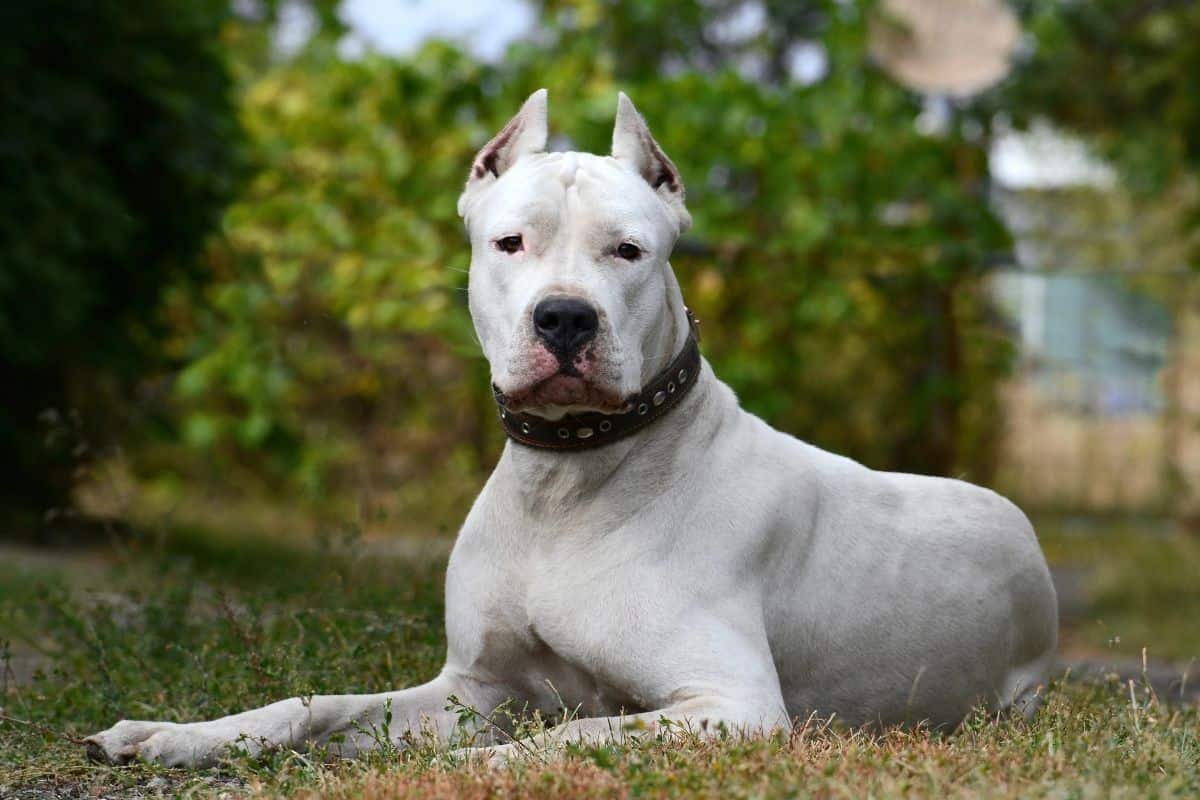
The Dogo Argentino is a striking American breed with a short, white coat and athletic build. This large dog was originally bred for big-game hunting and protection, making it both strong and alert.
Though powerful, a well-raised Dogo Argentino can be deeply affectionate with its family. This breed thrives with consistent training, clear boundaries, and plenty of exercise. Because of their strength and confidence, they’re best suited for experienced owners who understand working breeds and value structure.
Central Asian Shepherd: Ancient Strength
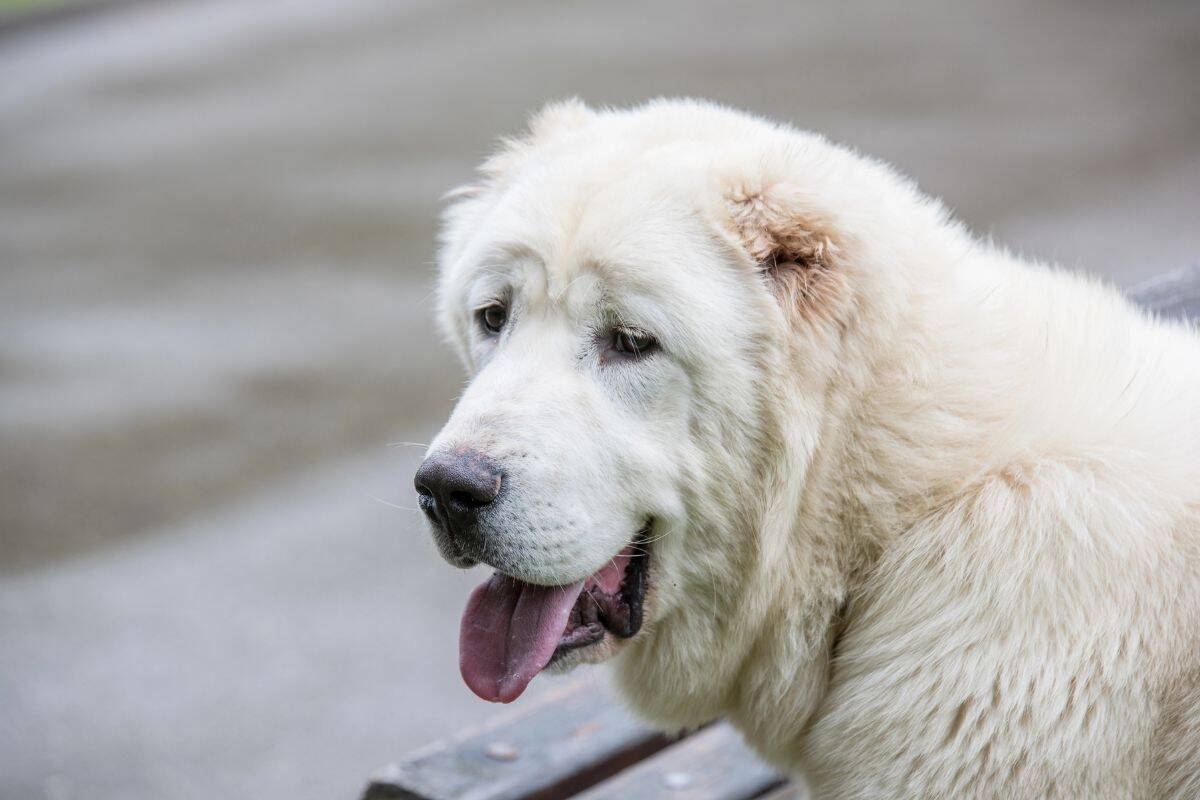
The Central Asian Shepherd, also known as the Asian Shepherd, is one of the oldest dog breed lineages in the world. This Central Asian shepherd dog was originally bred to protect livestock from predators across vast regions.
Large, imposing, and incredibly resilient, this breed is not overly affectionate but deeply loyal. They are naturally calm, confident, and independent. While not overly fluffy, some have dense coats suited for harsh climates. They require space, purpose, and regular but moderate exercise, making them better suited for rural or spacious environments.
White German Shepherds: Elegant and Intelligent
The white German Shepherd is a variation of the classic German Shepherd dog, known for intelligence and versatility. Though not officially recognized by all kennel clubs, white shepherds are admired for their elegance and steady temperament.
These dogs excel in training, thrive on mental challenges, and form strong bonds with their family. They require daily exercise and structured activities, whether it’s obedience training, hiking, or advanced work roles. Their white coat does require upkeep, but their loyalty makes it worthwhile.
Irish Wolfhound (White Variations): Quiet Companions
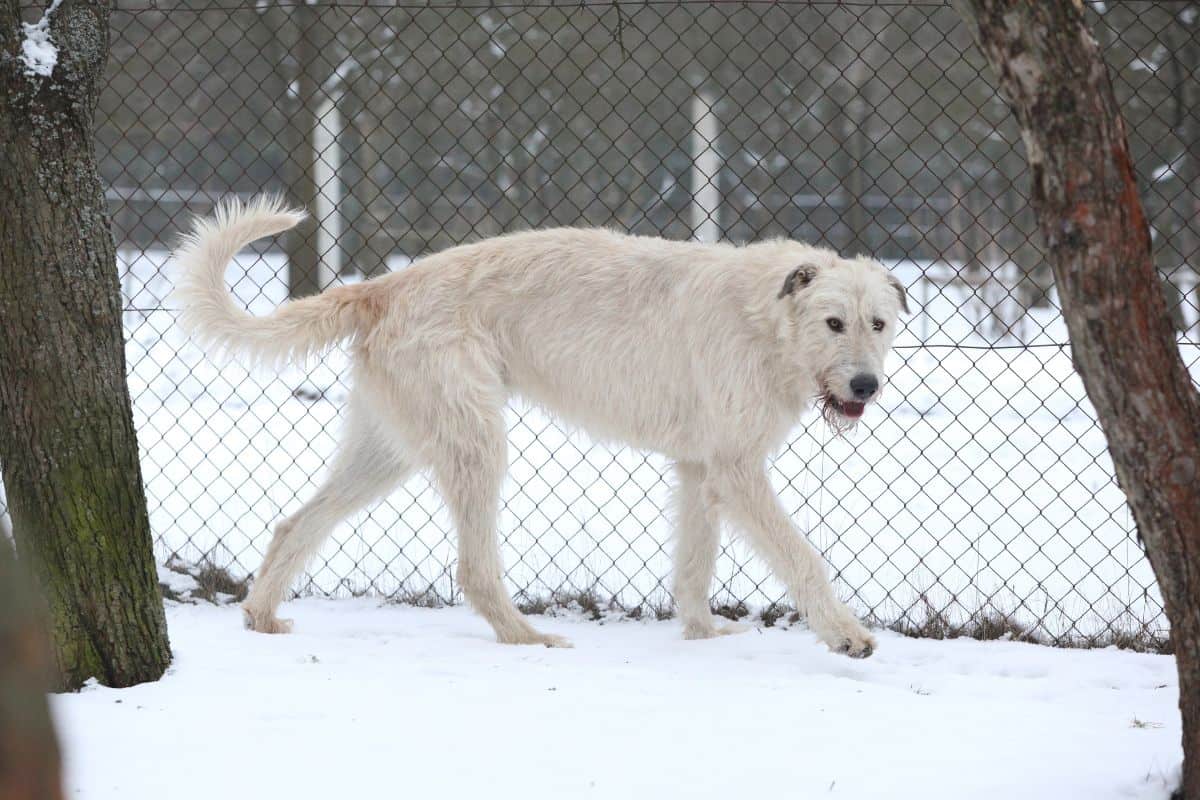
While not always pure white, Irish wolfhounds can appear in pale shades that fit beautifully within this category. Towering yet gentle, this large dog is known for its serene nature.
Despite their size, they are famously calm indoors and deeply affectionate with loved ones. They don’t require intense exercise, but regular walks are important for joint health. Their history as hunters contrasts with their modern role as peaceful companions.
Small White Breeds People Often Confuse with Large Dogs
It’s worth noting that some smaller white breeds are often mentioned alongside large dogs simply because they're popular. For example, the Bichon Frise and West Highland White Terrier aren’t large dogs, but their signature white coats make them instantly recognizable.
Unlike large white dog breeds, these terrier types are more energetic and compact. Still, they highlight how timeless white dogs are across sizes and roles.
Coat Care, Exercise, and Lifestyle Needs
White coats require regular grooming to stay bright and healthy. Dirt, shedding, and even sun exposure are more noticeable on lighter fur. Many fluffy dog breeds benefit from weekly brushing, while short-coated dogs still need routine care.
Most large white dog breeds need regular exercise, though intensity varies. Some require daily exercise and structured training, while others are content with steady walks and quiet companionship. Understanding whether a breed is primarily working, guarding, or companion-oriented helps match them to the right lifestyle.
Final Thoughts
There’s a reason large white dog breeds continue to hold such a special place in our hearts. From the ancient strength of the Central Asian shepherd to the gentle presence of the Great Pyrenees, these dogs carry history, loyalty, and calm confidence in every step.
They are more than just beautiful animals; they are protectors, companions, and quiet witnesses to everyday life. With proper training, exercise, and care, a large white dog can become not just a pet, but a lifelong friend who feels like part of the family from the very first day.
If you’ve ever dreamed of sharing your home with a gentle giant wrapped in a soft white coat, one of these remarkable breeds might be exactly what you’re looking for. 🐾
FAQ
Many large white dog breeds are known for being loyal, gentle, and protective with their family. Breeds like the Great Pyrenees and white German Shepherds often do well in family homes when properly socialized. As with all dogs, temperament depends on the individual breed, training, and environment.
Most large dogs need regular exercise, but the intensity varies by breed. Some working and shepherd breeds enjoy daily exercise and mental stimulation, while others are calmer and content with long walks and relaxed outdoor time. Matching a dog’s activity level to your lifestyle is key.
White coats can show dirt more easily, but they aren’t necessarily harder to care for. Fluffy dog breeds may need more brushing, while short-coated breeds are easier to maintain. Consistent grooming and regular care help keep white fur looking clean and healthy.
No dog breed is inherently aggressive. Some breeds were originally bred to guard or protect, which can make them more alert or reserved with strangers. With proper training, socialization, and structure, most white large breeds are stable, confident, and even-tempered.
Shedding varies by breed and coat type. Double-coated breeds like the Great Pyrenees shed seasonally, while others shed moderately year-round. Regular brushing helps manage loose fur and keeps shedding under control.
Some are, but not all. Breeds that are calmer and people-focused may suit beginners better, while strong working or guardian breeds often need experienced handling and consistent training. Researching the specific breed before choosing is always recommended.



Leave a Reply