
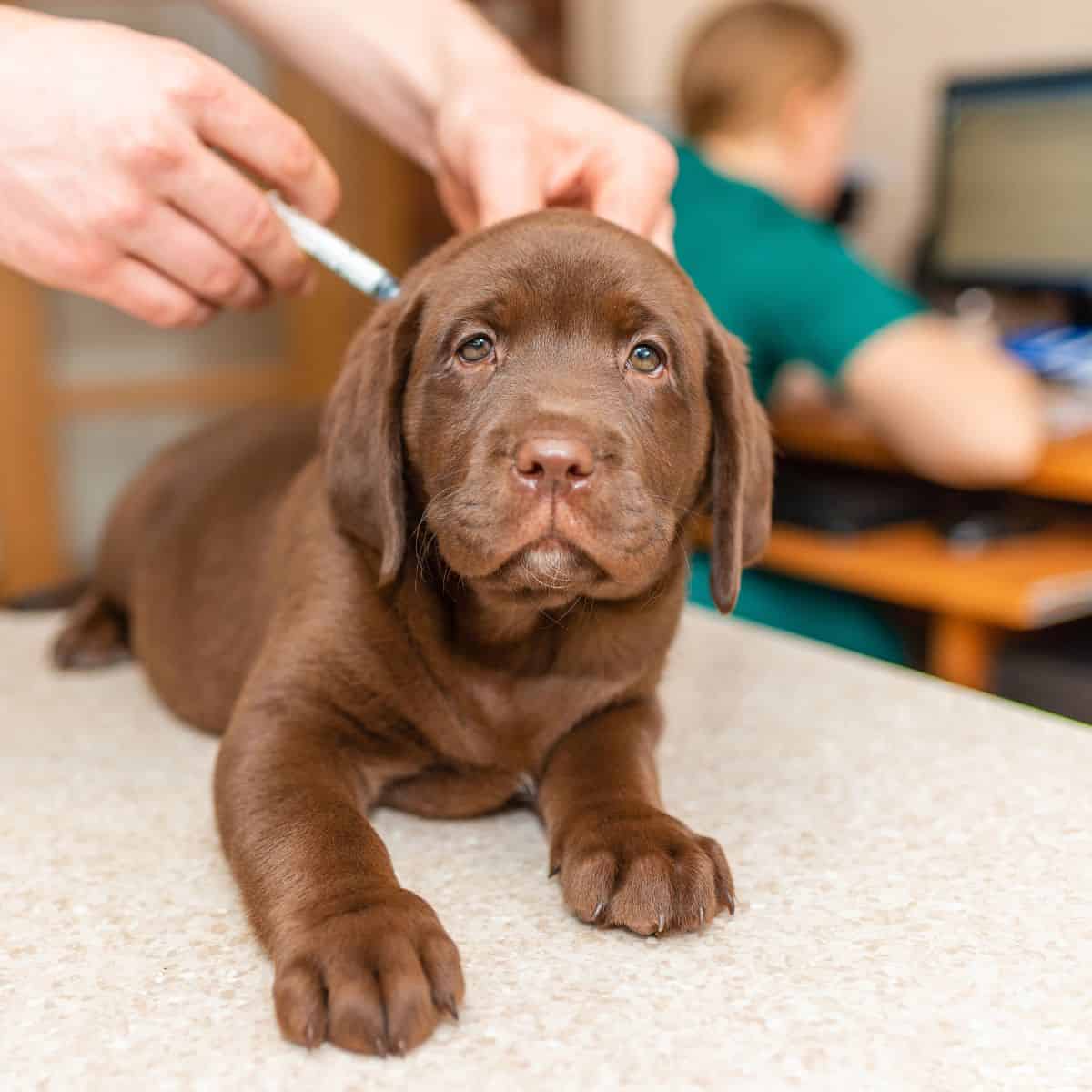
Bringing home a puppy is filled with sweet moments, playful energy, and a long list of important firsts. One of the biggest milestones for many dogs is receiving their first vaccine and starting a vaccination schedule designed to support long-term health.
Still, it can feel upsetting when you notice your puppy crying after vaccine appointments, especially if your usually happy companion suddenly seems uncomfortable, tired, or extra clingy afterward.
Jump to:
- Why Puppy Crying After Vaccine Appointments Happens
- Puppy Crying After Shots and Other Mild Vaccine Reactions
- When Puppy Crying After Vaccine Could Be Serious
- Puppy Shaking After Vaccine and Other Symptoms to Watch
- Pet Care Tips for Puppies Recovering After Vaccinations
- Why Vaccinations Remain Important for Puppies
- Core Care Vaccinations and Lifelong Pet Care
- Final Thoughts
- FAQ
- You May Also Like
In my experience, many puppies have mild reactions after vaccinations, with a little soreness or whining for a short time. A puppy crying after shots may simply be feeling tender around the injection site or slightly tired from the appointment itself. At the same time, there are certain symptoms that deserve closer attention from vets or an emergency veterinary clinic.
This guide will walk through common vaccine reactions, signs of a more serious reaction, gentle pet care tips for recovery, and when it may be important to book a visit with your hospital or veterinary team.
Why Puppy Crying After Vaccine Appointments Happens
A vaccine helps your puppy’s immune system learn how to respond to certain illnesses safely. During core care vaccinations and other dog vaccinations, the body begins building protection against disease. Because of this immune response, some puppies feel temporarily uncomfortable afterward.
A puppy crying after vaccine visits often happens because of soreness at the injection site. Some dogs may also feel tired, extra sleepy, or less interested in activity for a day or two. I’ve noticed that many puppies become more cuddly after vaccinations, almost as if they simply want quiet reassurance and rest.
Common reactions dogs may experience include:
- Mild swelling near the injection site
- Temporary tiredness
- Whining or crying when touched
- Reduced appetite
- Mild shaking or trembling
- Sleeping more than usual
These reactions dogs experience are generally short-lived and tend to improve within 24 to 48 hours.
Puppy Crying After Shots and Other Mild Vaccine Reactions
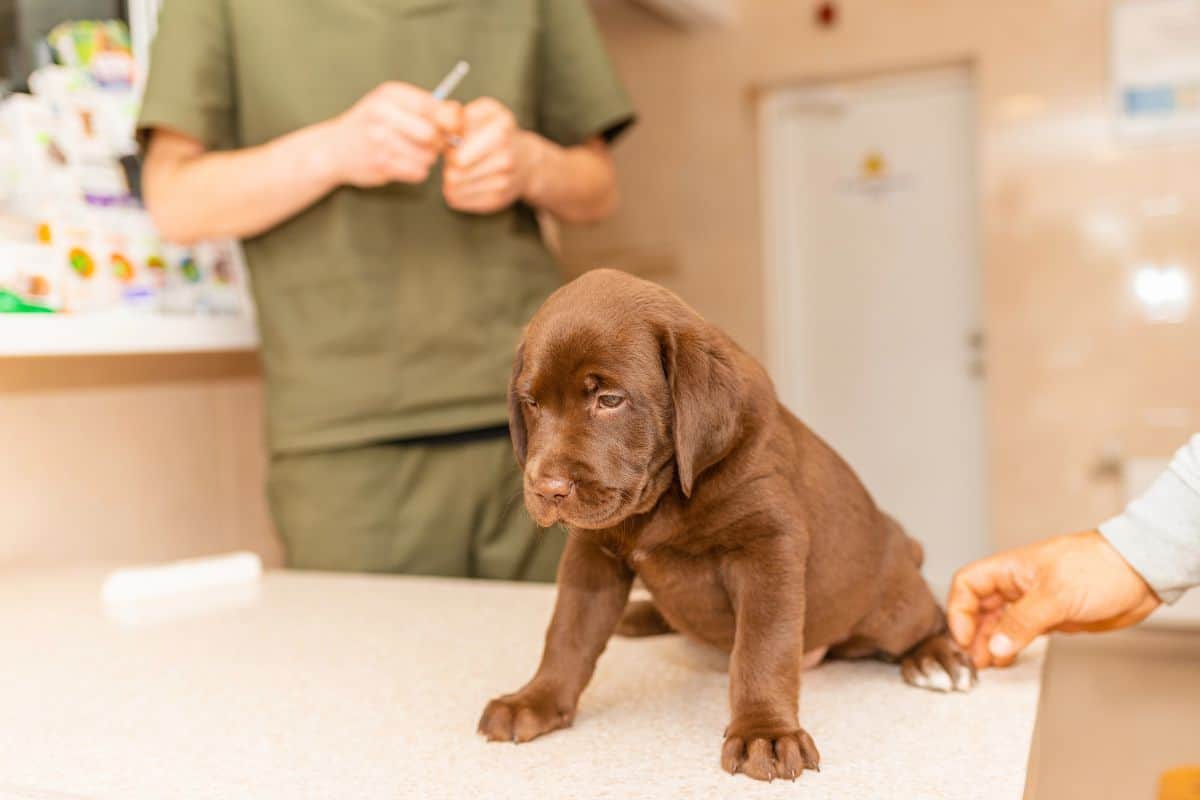
When people search for “puppy crying after shots,” they are often worried that something went wrong during vaccination. Thankfully, most vaccine reactions are mild rather than severe.
Your puppy may cry when lying down, jumping, or being picked up because the muscles around the vaccine area feel sore. This is similar to how people sometimes feel after vaccines. Mild symptoms can also include slight lethargy, temporary fussiness, or a desire for extra comfort.
Some puppies may also show related behaviors such as:
- Puppy shaking after vaccine appointments
- Puppy coughing after vaccine visits due to mild throat irritation if an intranasal vaccine was used
- Puppy yelping after vaccine injections when pressure is applied near the sore area
While these reactions can feel alarming, they are often part of the normal recovery process. Gentle pet care and quiet rest usually help puppies feel better quickly.
When Puppy Crying After Vaccine Could Be Serious
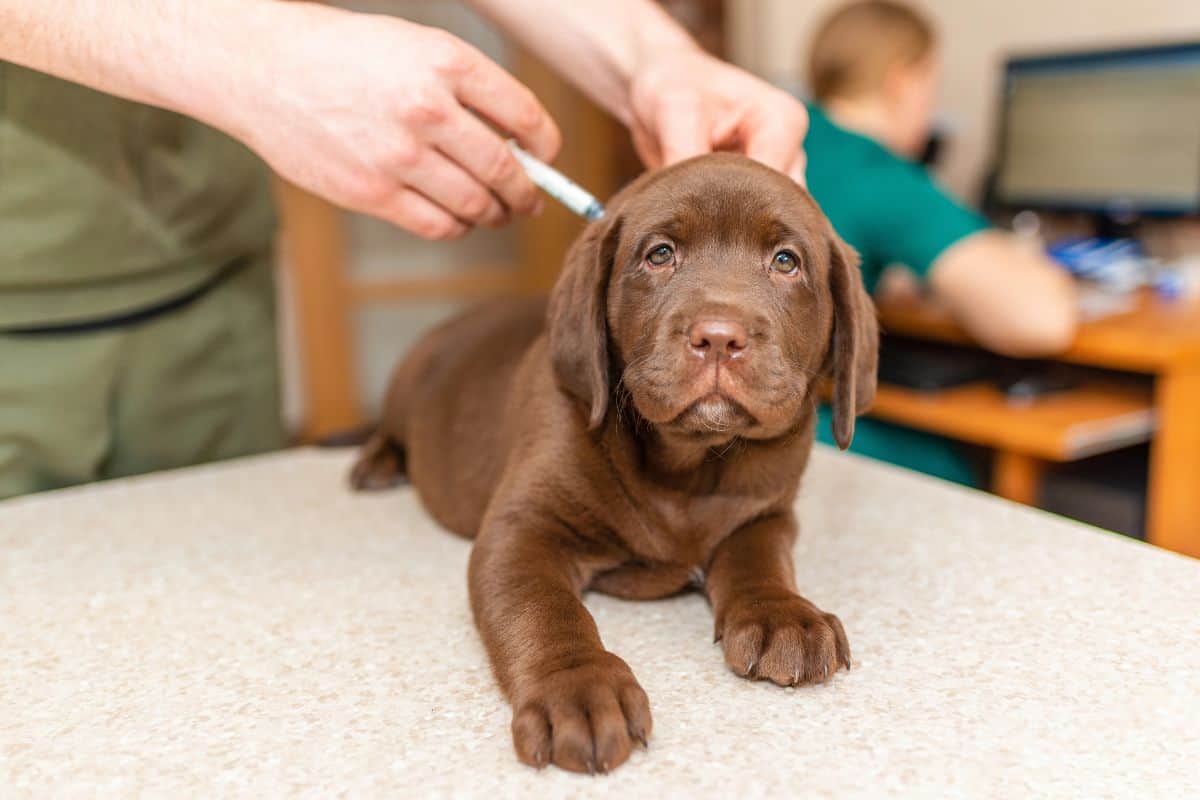
Although most reactions are mild, it is important to watch for signs of a severe allergic reaction or another serious problem. A severe reaction usually develops within hours after vaccination and requires prompt medical attention.
Contact your vets or an emergency veterinary clinic immediately if your dog is:
- Having trouble walking
- Struggling to breathe
- Vomiting repeatedly
- Experiencing facial swelling
- Collapsing or becoming extremely weak
- Showing pale gums
- Having seizures
A puppy puking after a vaccine appointment once may not always signal danger, but repeated vomiting combined with weakness or swelling increases the risk of a more serious reaction.
If your puppy is crying constantly, cannot settle, or appears to be in significant pain, it is always important to call your veterinary hospital for advice on caring for pets recovering from vaccinations. Even though online articles can offer general pet care tips, they do not constitute medical advice regarding your individual patient.
Puppy Shaking After Vaccine and Other Symptoms to Watch
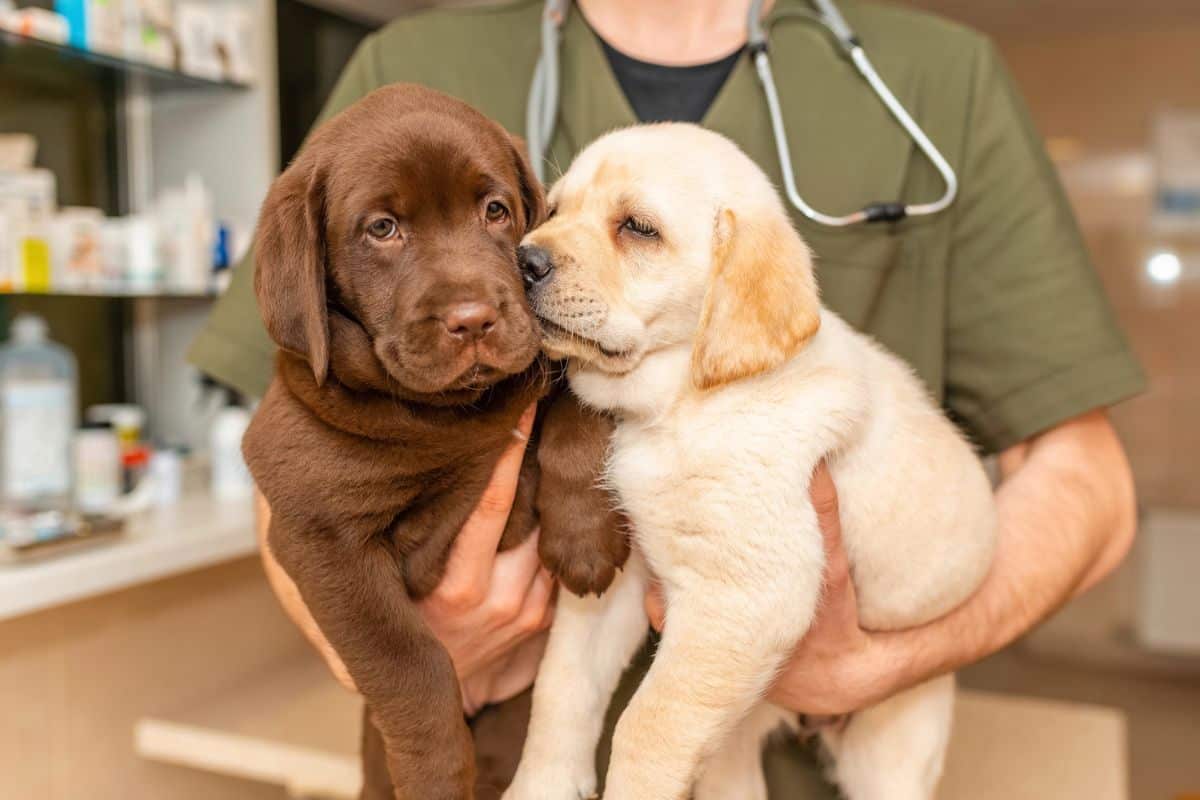
Some puppies tremble or shake after receiving shots. Puppy shaking after vaccine visits can be due to stress, soreness, fever, or temporary discomfort. Puppies are still developing physically and emotionally, so even routine care and vaccinations may feel overwhelming.
Keep an eye on the timing and severity of symptoms. Mild shaking that improves with rest is usually less concerning. However, severe shaking combined with vomiting, breathing changes, or weakness should be treated seriously.
It is also helpful to monitor eating and drinking habits. Some puppies lose interest in food briefly after vaccinations. Others may experience puppy crying after eating if their body still feels sore or tired.
I love how many puppies bounce back quickly after a calm evening of rest and comfort. Soft bedding, limited activity, and gentle reassurance often make a big difference.
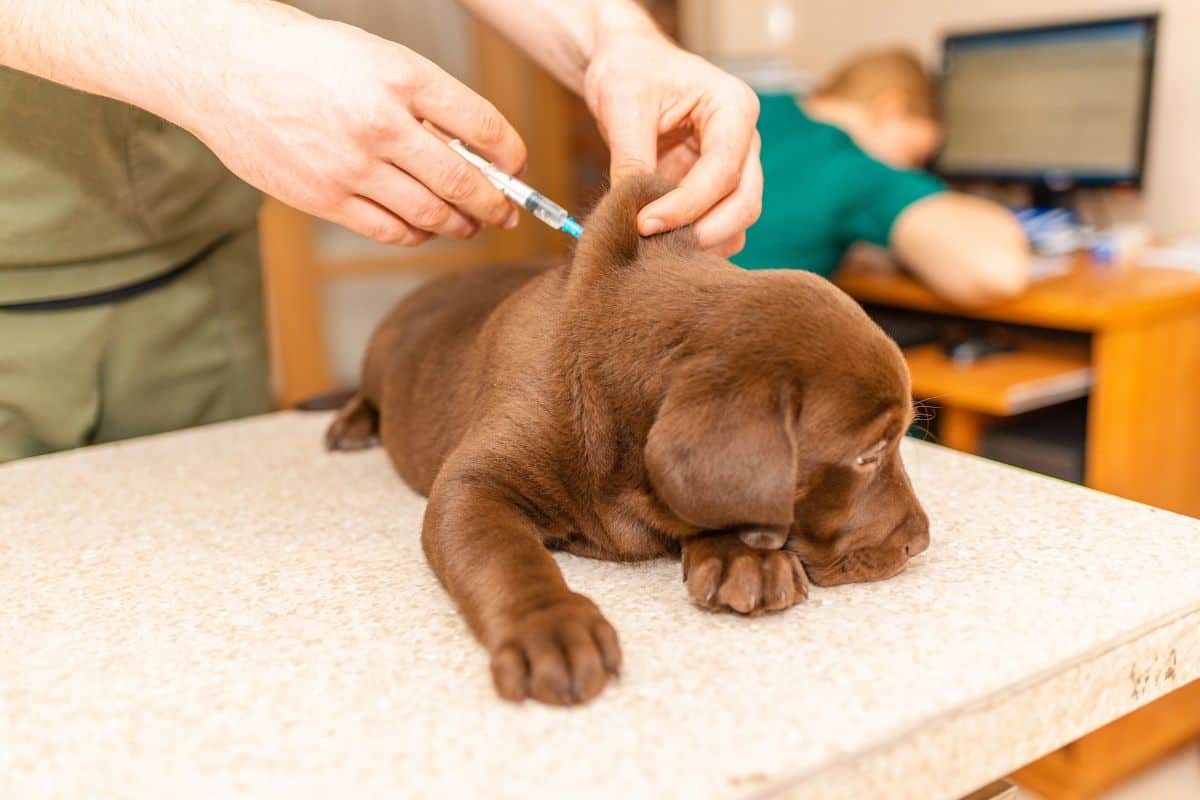
Pet Care Tips for Puppies Recovering After Vaccinations
Simple pet care steps can help your puppy recover more comfortably after vaccines. Keeping the environment quiet and relaxing allows the body to rest while building protection from disease.
Offer fresh water regularly and encourage small meals if your puppy seems hesitant to eat. Avoid rough play, long walks, or intense exercise for the first day after vaccinations. Many vets also recommend watching the injection area for swelling or tenderness.
Helpful care tips include:
- Providing a warm, quiet resting space
- Avoiding unnecessary handling if the injection site is sore
- Monitoring symptoms for changes
- Giving your puppy time to sleep and recover
- Contact your hospital if symptoms worsen
Many pet vet care centers and care center network locations also offer wellness plans that help new patients stay on schedule with preventive wellness exams, dental care exams, and core care services throughout puppyhood.
Why Vaccinations Remain Important for Puppies
Even though vaccine reactions can happen, vaccinations remain one of the most important ways to protect dogs from dangerous illnesses. Core care vaccinations are designed to reduce the risk of serious diseases that can become life-threatening for puppies.
During early visits, your veterinary team may also discuss wellness exams, dental care, surgical care options, dental care needs, and future geriatric care puppies may require later in life. Preventive care often includes preventive wellness exams, core care surgery discussions, and guidance tailored to your puppy’s age and breed.
Many clinics ask owners to complete a new patient form or a patient form before appointments. These forms help vets understand your puppy’s history, symptoms, and vaccination schedule. Whether you are bringing in a new patient or continuing care for long-term patients, keeping accurate information helps improve care.
Some hospitals also offer financing options, or a limited time offer, like a wellness package for vaccinations and routine visits. If cost is a concern, it may help to ask your veterinary team about available wellness plans.
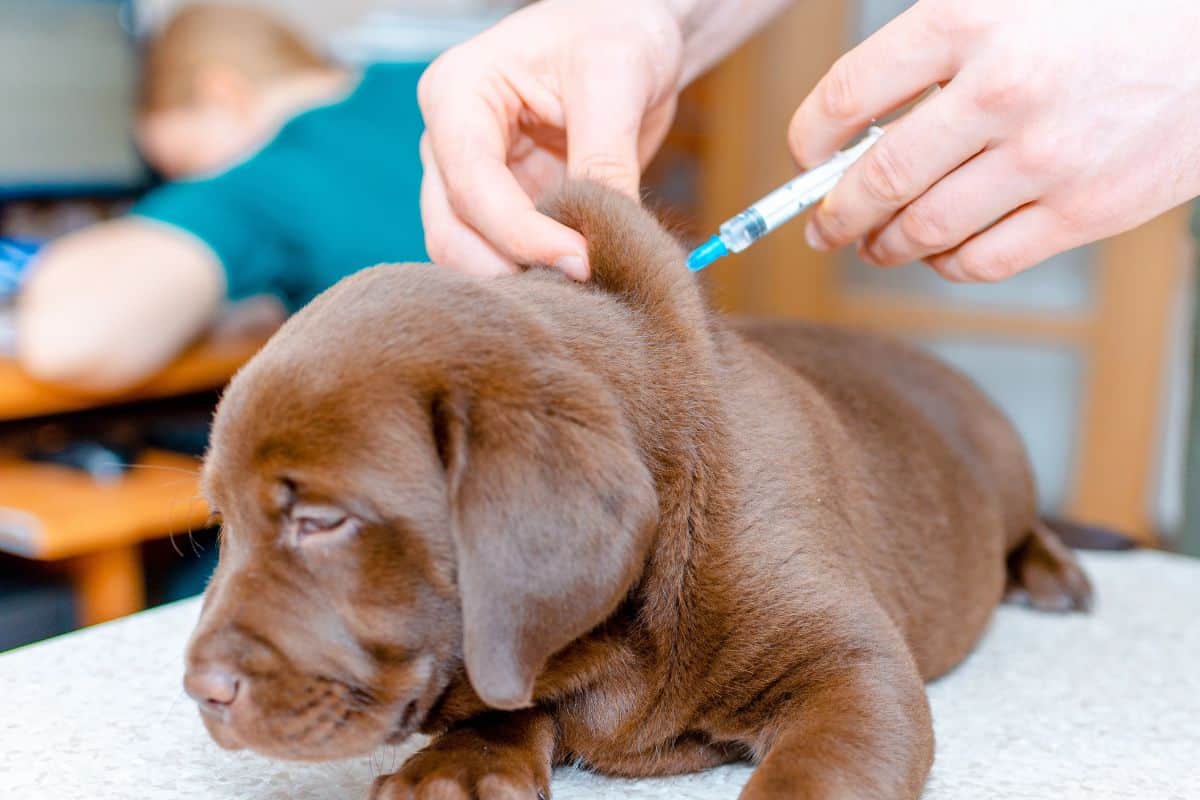
Core Care Vaccinations and Lifelong Pet Care
Puppyhood vaccinations are only one part of lifelong pet care. As dogs age, their needs continue to change. Veterinary teams may eventually discuss geriatric care, geriatric care support, dental care, geriatric services, and ongoing monitoring for senior dogs.
Routine exams, dental appointments, and regular vaccinations help support overall wellness through every stage of life. In many hospitals, lab patients are monitored carefully during routine wellness visits to help detect problems early.
I think that owners often feel more confident once they understand what mild reactions look like versus severe symptoms. That knowledge can make the vaccination process feel much less stressful.
Final Thoughts
Puppy crying after shots can be concerning, but mild discomfort is usually temporary and improves within a day or two. Providing a quiet place to rest, plenty of water, and extra comfort can help your puppy recover more comfortably.
While most vaccine reactions are mild, it's always important to watch for unusual symptoms and contact your veterinarian if you have concerns. Staying up to date on vaccinations is one of the best ways to protect your puppy's long-term health and well-being.
FAQ
Yes, mild crying after a vaccine can be normal. Many puppies feel sore or tired for a day or two after shots.
Most mild vaccine reactions improve within 24 to 48 hours. Severe symptoms should be evaluated immediately by a veterinary professional.
A puppy yelping after a vaccine appointment may be due to soreness near the injection site. Gentle handling and rest usually help.
Mild shaking can happen temporarily after vaccinations. However, severe shaking, weakness, or trouble breathing should be treated as serious symptoms.
Yes, puppy coughing after vaccine visits can occasionally happen, especially after intranasal vaccines. Persistent coughing or breathing trouble should be discussed with your vets.
Seek emergency care if your puppy develops facial swelling, repeated vomiting, collapse, breathing difficulty, seizures, or trouble walking after receiving vaccines.



Leave a Reply