
If you’re anything like me, you love filling your home and yard with beautiful green plants. I’ve noticed that a cozy house just feels warmer when there’s a little bit of nature in every corner.
But as a dog parent, there’s something important we all need to keep in mind: many toxic plants to dogs look harmless but can actually be dangerous for our pets.
Jump to:
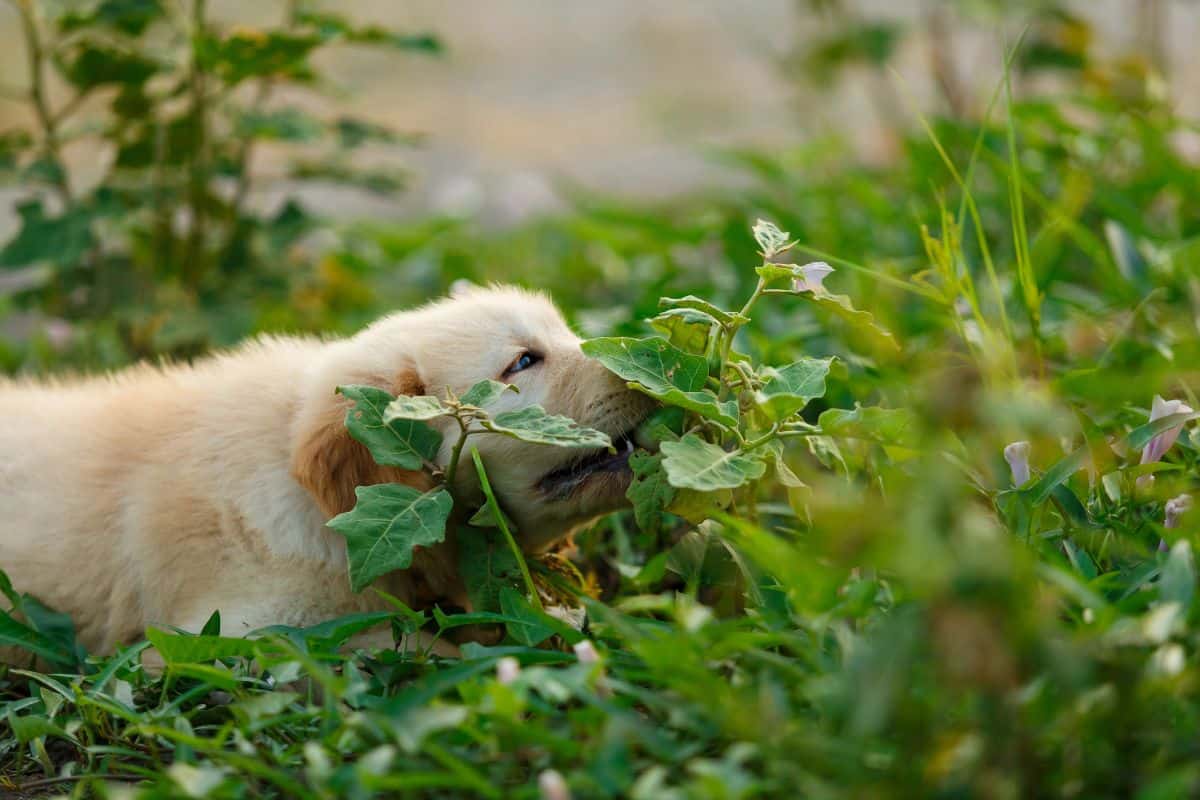
Dogs are curious by nature and love to investigate everything around them with their nose and mouth. They often taste or chew on things without knowing if they’re safe. This is why certain plants can become a real risk.
Some only cause minor stomach issues, while others can be much more dangerous. Being aware of which plants are safe and which ones aren’t can go a long way in protecting your dog.
In this guide, I’ll walk you through the most toxic plants to dogs, the symptoms to watch for, and how to protect your home and garden. I love how a little knowledge can go a long way toward keeping our pets safe.
Why Toxic Plants Are Dangerous for Dogs
Not all greenery is friendly. Some plants poisonous to dogs contain natural chemicals that irritate the stomach, affect the heart, or damage organs. When dogs chew on a toxic plant, it can release these compounds into their system.
I’ve noticed that dogs don’t always stop when something tastes bad. A curious pup might keep chewing just out of boredom or habit. That’s why toxic plants can be so risky, even when they seem harmless, sitting on a windowsill or in your yard.
Common reactions include vomiting, diarrhea, drooling, and an overall upset stomach. In more severe cases, dogs may become weak, shaky, or have trouble breathing. If this happens, it’s important to contact poison control or seek veterinary care right away.
Common Toxic Plants to Dogs
There are many plants toxic to dogs, and some of them are surprisingly common. Here are a few that show up in many homes and gardens.
Sago Palm
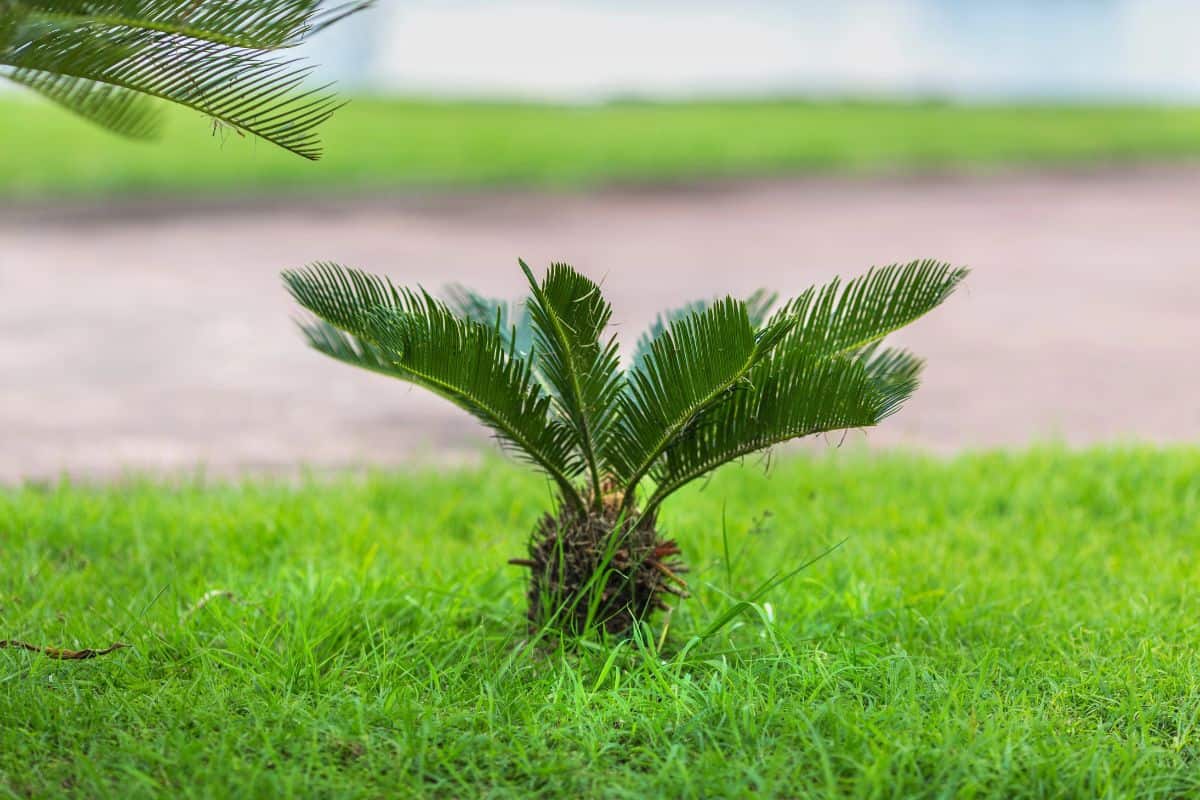
Sago palms may look harmless, but they’re extremely dangerous for dogs. Every part of the plant is toxic, with the seeds being the most dangerous. Even a small bite can seriously damage a dog’s liver. If your dog ever gets into a sago palm, treat it as an emergency right away.
Lily

While lilies are often discussed for their toxicity to cats, some types can also make dogs sick. They can upset your dog’s stomach and cause vomiting or diarrhea. To stay on the safe side, it’s best not to keep lilies in a home with pets.
Aloe Vera
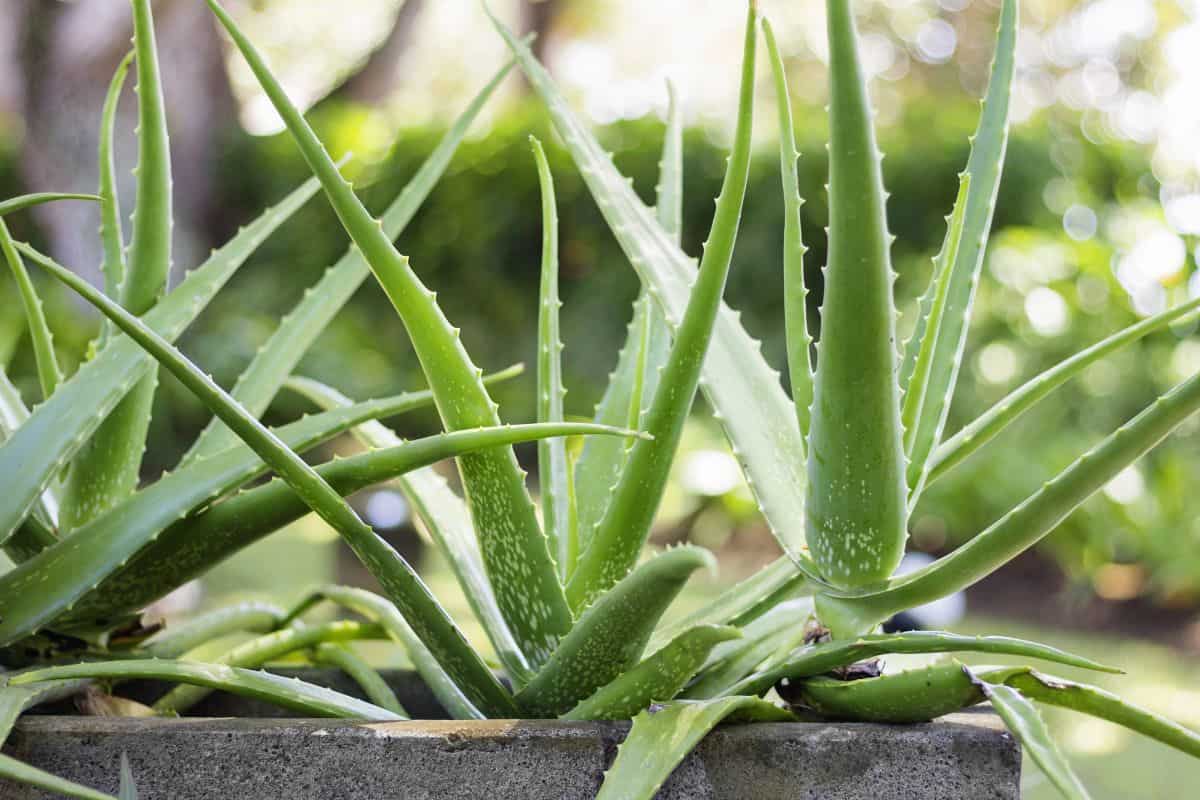
Aloe is soothing for people, but it’s toxic to dogs. If ingested, it can cause drooling, vomiting, and an upset stomach.
Azalea
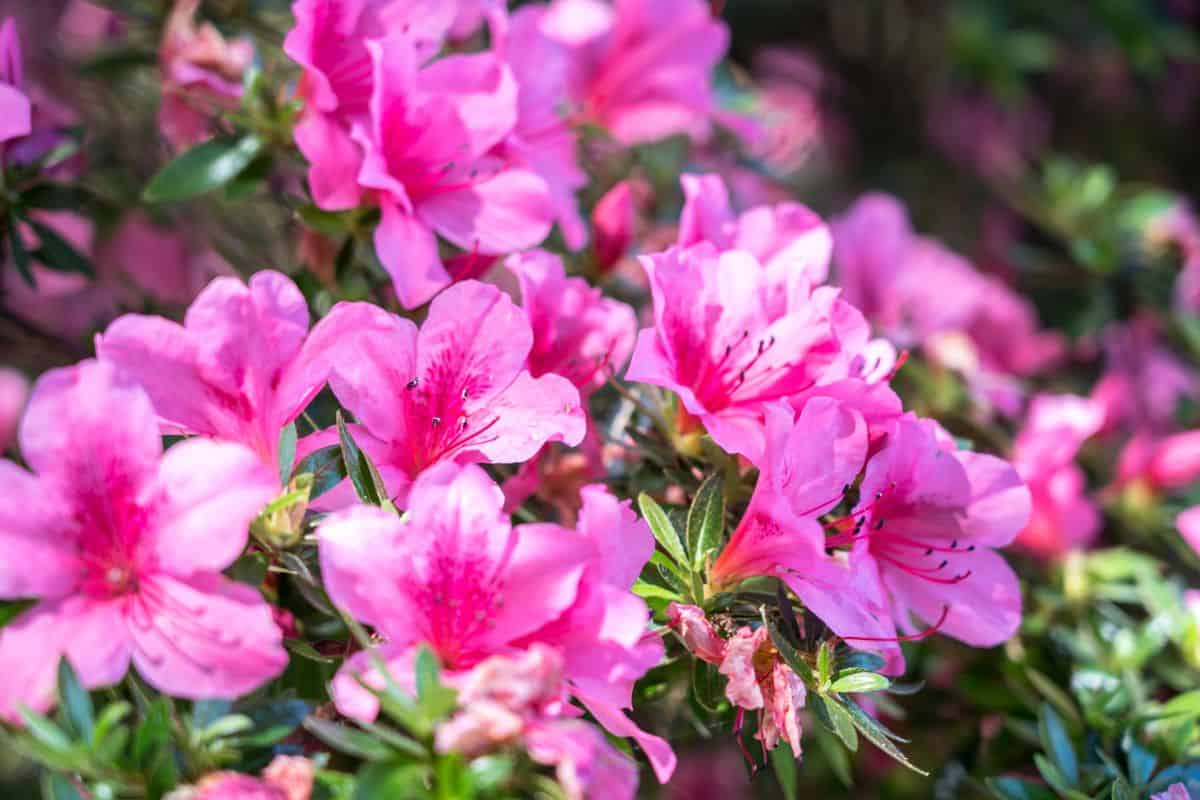
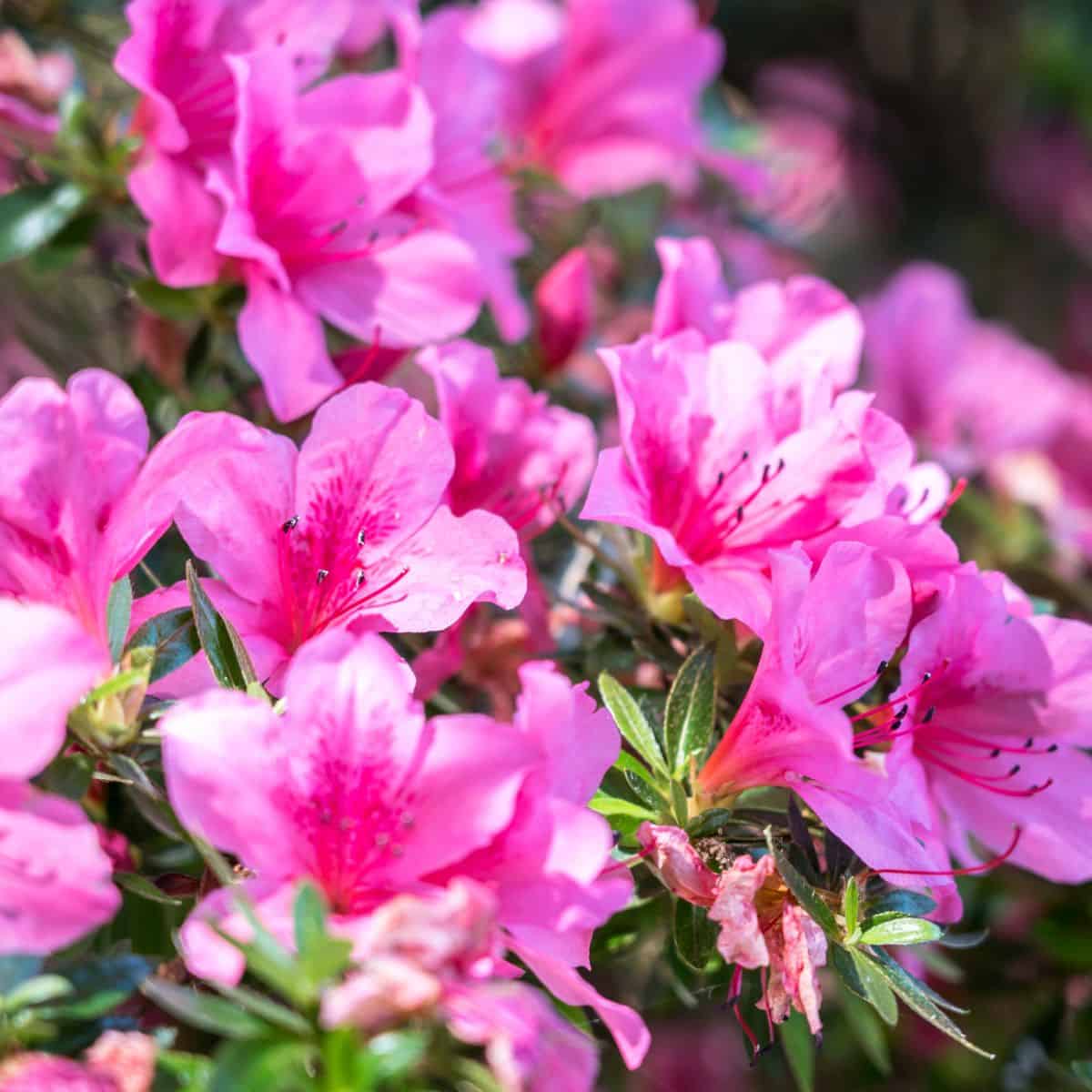
Azaleas are beautiful, but they are among the most poisonous plants for pets. Eating even a small amount can lead to serious symptoms, including weakness and heart problems.
These are just a few examples, but there are many other toxic plants you should be aware of when decorating your home or planting your garden.
Symptoms of Plant Poisoning in Dogs
Knowing the symptoms of plant poisoning can help you act quickly. I’ve noticed that early signs are often easy to miss, especially if your dog seems mostly normal at first.
Watch for:
- Vomiting
- Diarrhea
- Drooling
- Lethargy
- Loss of appetite
- Pawing at the mouth
- Trouble walking
If you see any of these after your dog has been around a suspicious plant, don’t wait. Call poison control or your vet. You can also use the ASPCA Animal Poison Control Center, which is a trusted resource for pet safety.
What to Do If Your Dog Eats a Toxic Plant
If you think your dog has eaten a toxic plant, stay calm but act fast. Remove any remaining plant from their mouth if you can do so safely. Then call your vet, a local emergency clinic, or poison control.
The ASPCA Poison Control line can guide you through what to do next. They may ask what plant was eaten, how much, and what symptoms your dog is showing. This information helps them decide the best next steps for care.
Never try to make your dog throw up unless a professional tells you to. Some plants poisonous to dogs can cause more damage on the way back up.
How to Make Your Home and Garden Safer
One of the easiest ways to protect your pets is by being mindful of the plants you bring into your home. I love how a few safe plants can still make a space feel bright and fresh without the risk.
Here are a few tips:
- Search plant names before buying or planting.
- Keep harmful plants out of reach of your dog, or skip them altogether.
- Pick plants that are safe for pets whenever you can.
- Supervise dogs when they’re in the yard.
You can also keep a list of toxic plants to dogs handy or bookmarked on your phone. It makes it easier to check if something new is safe.
Dogs, Cats, and Plant Safety
It’s worth remembering that some plants affect dogs and cats differently. A lily, for example, is especially dangerous for cats, but still risky for dogs. That’s why homes with multiple pets need to be extra careful.
Keeping your indoor and outdoor spaces pet-friendly helps every animal in your household stay safe and comfortable.
Final Thoughts
I love how caring for dogs often brings us closer to our surroundings, even the little plants we decorate with. Learning about toxic plants to dogs might not be the most exciting topic, but it’s one of the most important for pet safety.
By knowing which plants are poisonous to dogs to avoid, recognizing symptoms like vomiting, diarrhea, and drooling, and keeping poison control and the ASPCA handy, you can protect your furry family member from harm.
A cozy, green home and a safe dog can absolutely go together. With a little awareness and thoughtful care, you can enjoy both, and that’s something I’ve noticed always makes life feel just a little bit better. 🐾
FAQ
A dog may feel sick to their stomach, stop wanting to eat, or seem more tired than usual. You might also notice extra drool, messy stools, or your dog acting a bit unsteady or uncomfortable around the mouth.
If you think your dog has eaten a poisonous plant, contact your vet, an emergency animal clinic, or poison control right away. The ASPCA Animal Poison Control Center can help guide you through what to do next.
Symptoms can show up within minutes or take several hours, depending on the plant and how much was eaten. That’s why it’s best to get help as soon as you notice a problem.
No, not all plants are toxic. Many pet-safe plants can brighten your home without putting your dog at risk. It’s always a good idea to check a plant’s safety before bringing it inside.
Yes, many dogs recover fully when they receive fast treatment. The sooner you contact a vet or poison control, the better the outcome is likely to be.




Leave a Reply