
If you’ve ever wondered, “Can dogs eat dates?” you’re not alone. Many dog owners become curious about sharing naturally sweet foods like dates with their pets, especially when looking for healthier treat options. The question of whether dogs can have dates or whether dates are safe for dogs comes up often, particularly as more people explore whole, natural foods in their dogs’ diets.

Jump to:
In my experience, it’s always comforting to pause before offering any new food and ask whether it truly supports your dog’s health. Dates may seem harmless, but their sugar content and texture mean they should be approached thoughtfully. This guide will walk you through the health benefits, potential risks, and the right way to offer dates as an occasional treat.
Can Dogs Eat Dates Safely?
The short answer is yes, dogs eat dates safely when they are prepared properly and given in small amounts. If you’re asking whether dates are safe for dogs or bad for dogs, the answer depends largely on portion size and preparation.
Dates aren't toxic to dogs, which is reassuring. However, they are naturally high in sugar, and that’s where moderation becomes important. I’ve noticed that many pet parents assume fruit is automatically healthy, but even natural sugars can affect a dog’s diet if overfed.
When considering dogs and dates, always remove the pit first. Date pits are not edible and can pose a choking hazard or even lead to an intestinal blockage. This is especially important for small dogs, who are more at risk due to their size.

Health Benefits of Dates for Dogs
When given thoughtfully, offering dates as treats can have some gentle health benefits. Dates contain fiber content, vitamins, and minerals that can support digestive health.
I love how dates provide a quick energy boost thanks to their natural sugars. For active dogs, a tiny piece can be a satisfying reward. The fiber content may also help with mild digestive support. Some owners even ask whether dogs can eat dates for constipation, and while fiber can help regulate digestion, dates should not replace proper veterinary guidance.
Dates also contain antioxidants, which contribute to overall health. While dogs don’t need dates to stay healthy, offering a small, occasional treat like this can add variety to their diet in a gentle way.
Still, it’s worth remembering that these benefits also come with a downside: high sugar content. Even though it’s natural sugar, it can contribute to weight gain if you feed your dog dates too often.
Risks of Feeding Dates to Dogs
While dates are not toxic, there are a few risks to be aware of. Understanding these helps you make the right choice for your dog’s care.
One of the main concerns is sugar. Dates are full of sugar, which can lead to weight gain over time. In my experience, even healthy treats need to be balanced within a dog’s overall diet to avoid unnecessary health issues.
Another risk is the choking hazard posed by the pit or even large pieces of dried dates. Always cut dates into small pieces before offering them. This is especially important for small dogs or dogs that tend to gulp their food.
There’s also the possibility of digestive upset. Introducing any new food too quickly can lead to symptoms like diarrhea or stomach discomfort. That’s why it’s best to start with very small amounts and observe how your dog responds.
In rare cases, swallowing a pit could lead to an intestinal blockage, which would require veterinary attention. Keeping dates properly prepared eliminates most of this risk.

How to Feed Dates to Dogs the Right Way
If you decide to feed dates, preparation and portion size make all the difference. The goal is to offer a safe, enjoyable treat without disrupting your dog’s health.
Start by choosing plain dates, no added sugar or coatings. Dried dates are fine, but they should be soft and easy to chew. Always remove the pit completely before serving.
Cut the date into small, manageable pieces. This reduces the risk of choking and makes it easier for your dog to digest. I’ve found that offering just one or two small pieces is more than enough for most dogs.
When introducing dates as a new food, go slowly. Watch for any digestive symptoms and adjust accordingly. Not every dog reacts the same way, so a gentle approach is always best.
Dates should remain an occasional treat rather than a regular part of your dog’s diet. There are many other low-sugar treats that may be better suited for daily use.
Can Dogs Eat Different Types of Dates?
You might also wonder about variations like whether dogs can eat dried dates, Medjool dates, or red dates. In general, the answer is the same across types, yes, but in moderation.
Medjool dates, for example, are larger and often higher in sugar, so portion size becomes even more important. Dried dates are more concentrated, meaning their sugar content is higher per bite.
Some combinations, like whether dogs can eat dates and coconut or dates and walnuts, should be approached with extra caution. While coconut in small amounts can be safe, walnuts may not be suitable for dogs, depending on the type. It’s always best to keep treats simple and avoid mixing ingredients unless you’re sure they are dog-safe.
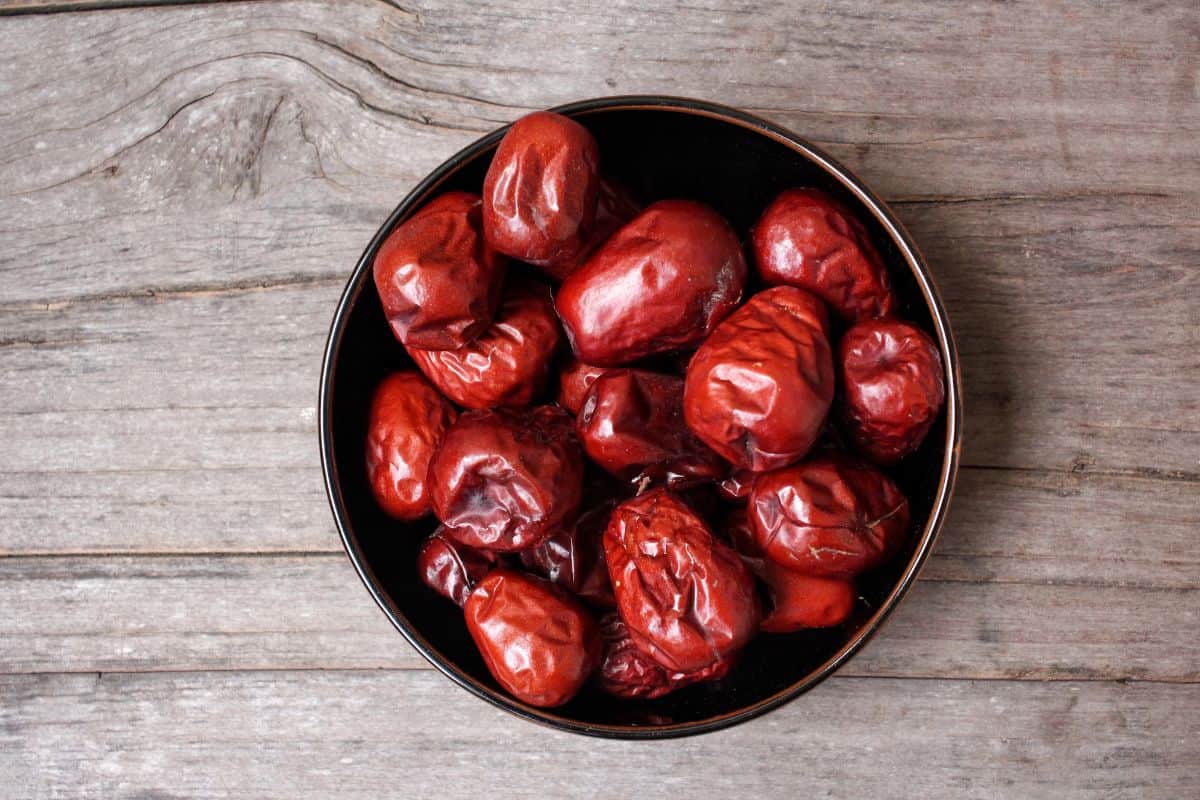
Are Dates Good or Bad for Dogs Overall?
So, are dates good or bad? The answer sits somewhere in the middle. Dates can offer small health benefits when given occasionally, but they are not essential to a dog’s diet.
If you’re comparing options, dates fall into the category of “sometimes treats.” They’re not harmful when prepared correctly, but they shouldn’t replace more balanced, dog-specific treats.
I’ve noticed that keeping things simple often leads to the best outcomes. A well-balanced diet supported by occasional, mindful treats helps maintain long-term health without unnecessary risks.

Final Thoughts
When it comes to dogs eating dates, moderation matters most. While dates are not considered toxic to dogs, they should only be offered occasionally and in small amounts. Removing the pit and cutting the fruit into smaller pieces can help make it easier and safer for dogs to eat.
I’ve found that simple treats often work best when they stay occasional rather than becoming part of an everyday routine. Many dogs enjoy the natural sweetness of dates, but balance is still important when introducing sugary foods.
As with any new treat, paying attention to your dog’s individual reactions can help you decide whether dates are a good fit for their diet.
FAQ
It’s best not to feed dates daily due to their high sugar content. Occasional treats are a healthier approach.
Yes, removing the pit makes dates much safer and reduces the risk of choking or intestinal blockage.
Only small amounts, typically one or two small pieces, depending on your dog’s size.
The fiber content may help mildly, but dates should not be relied on as a solution. Consult a veterinary professional for ongoing digestive concerns.
Yes, as long as they are plain, pitted, and given in small, sized pieces.
Yes, dates contain high levels of natural sugars, which is why moderation is important to avoid weight gain and maintain a healthy diet.




Leave a Reply