
If you’re living with a new puppy, chances are you’ve asked yourself, sometimes through clenched teeth, when do puppies stop biting? One minute, they’re sweet and cuddly, the next, they’re grabbing ankles, fingers, sleeves, and anything else within reach. I’ve noticed this is one of the most common worries new puppy owners have, and honestly, it can feel overwhelming in the moment.
Jump to:
- Why Puppies Bite in the First Place
- When Do Puppies Stop Biting Naturally?
- What Is Bite Inhibition (And Why It Matters)
- How to Stop Puppy Biting During Play
- Puppy Temper Tantrums Are Real
- Teething and Pain-Based Biting
- Positive Reinforcement Works Best
- What Not to Do When Puppies Bite
- When to Get Professional Help
- How Long Until It Gets Better?
- Final Thoughts
- FAQ
- YOU MAY ALSO LIKE
The good news? Puppy biting is normal. Even better news? It doesn’t last forever. With time, patience, and the right training, puppies learn how to use their mouths more gently and eventually stop biting altogether.
Let’s walk through why puppies bite, when their behavior usually improves, and what actually helps (without harsh corrections or frustration).
Why Puppies Bite in the First Place
Before focusing on how to stop puppy biting, it helps to understand why it happens.
Puppies explore the world with their mouths. Biting, mouthing, and chewing are how they:
- Learn about objects and people
- Play with littermates
- Relieve sore teeth during teething
- Communicate excitement or frustration
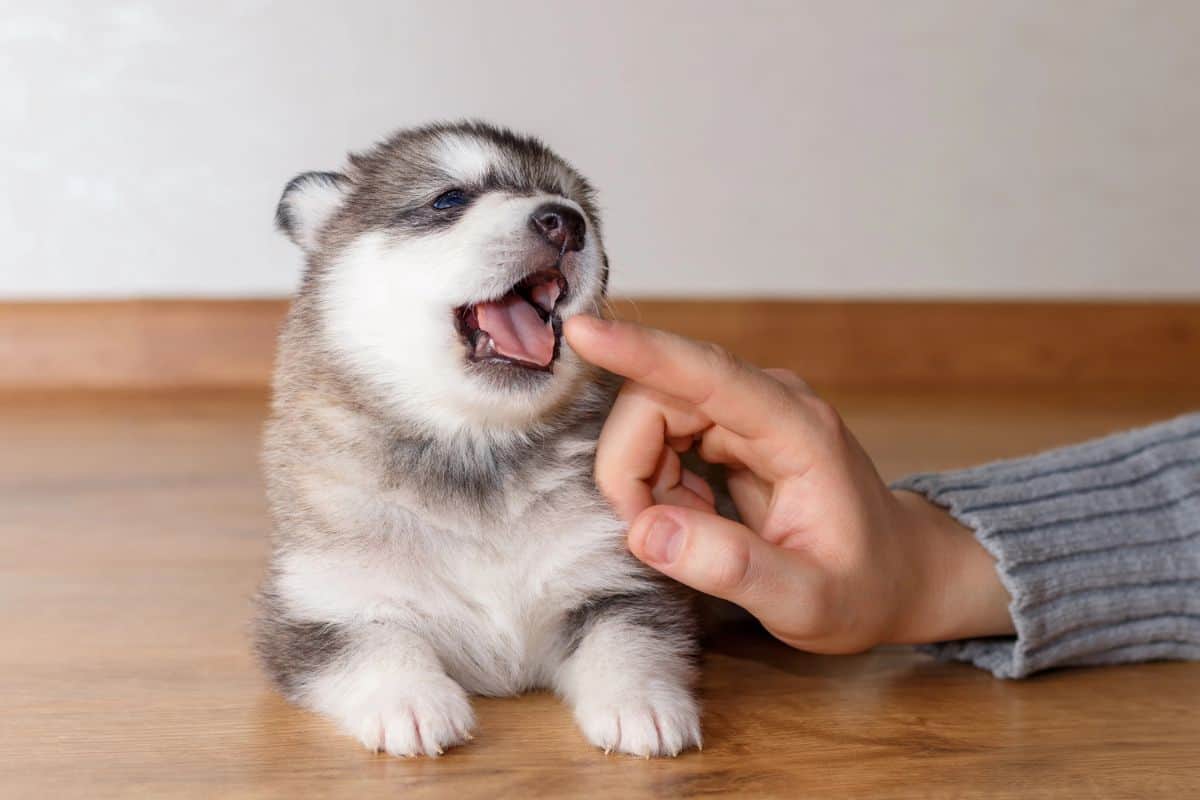
A playful puppy doesn’t know that human skin is more sensitive than another puppy’s fur. That’s why puppies bite during play; it’s not aggression, it’s learning.
I love how puppies throw their whole heart into everything they do. Unfortunately, that enthusiasm often comes with sharp little teeth.
When Do Puppies Stop Biting Naturally?
So, when do puppies stop biting on their own?
For most dogs:
- Biting peaks between 8–16 weeks
- Improves noticeably by 4–6 months
- Continues to soften as adult teeth come in
This timeline depends on consistency, environment, and whether your puppy gets help learning appropriate behavior. Puppies don’t magically wake up one day knowing how to be gentle; they learn bite inhibition through experience.
What Is Bite Inhibition (And Why It Matters)
Bite inhibition is a puppy’s ability to control how hard they bite. Puppies normally learned bite inhibition while playing with littermates. When they bite too hard, play stops.
When puppies come home early or don’t get enough feedback, they need humans to teach that lesson gently.
This is one of the most important skills your puppy will ever learn. A dog that understands bite inhibition is far safer, calmer, and easier to live with in the long term.
How to Stop Puppy Biting During Play
When your puppy bites during play, the goal isn’t punishment; it’s clear communication.
Here’s what works best:
Instantly Stop Moving
If your puppy bites too hard, instantly stop moving your hands or body. Freeze. Movement excites puppies and fuels rough play.
End the Play Briefly
Stand up or step away for a few seconds. This teaches your puppy that biting makes fun stop.
Redirect With a Tug Toy
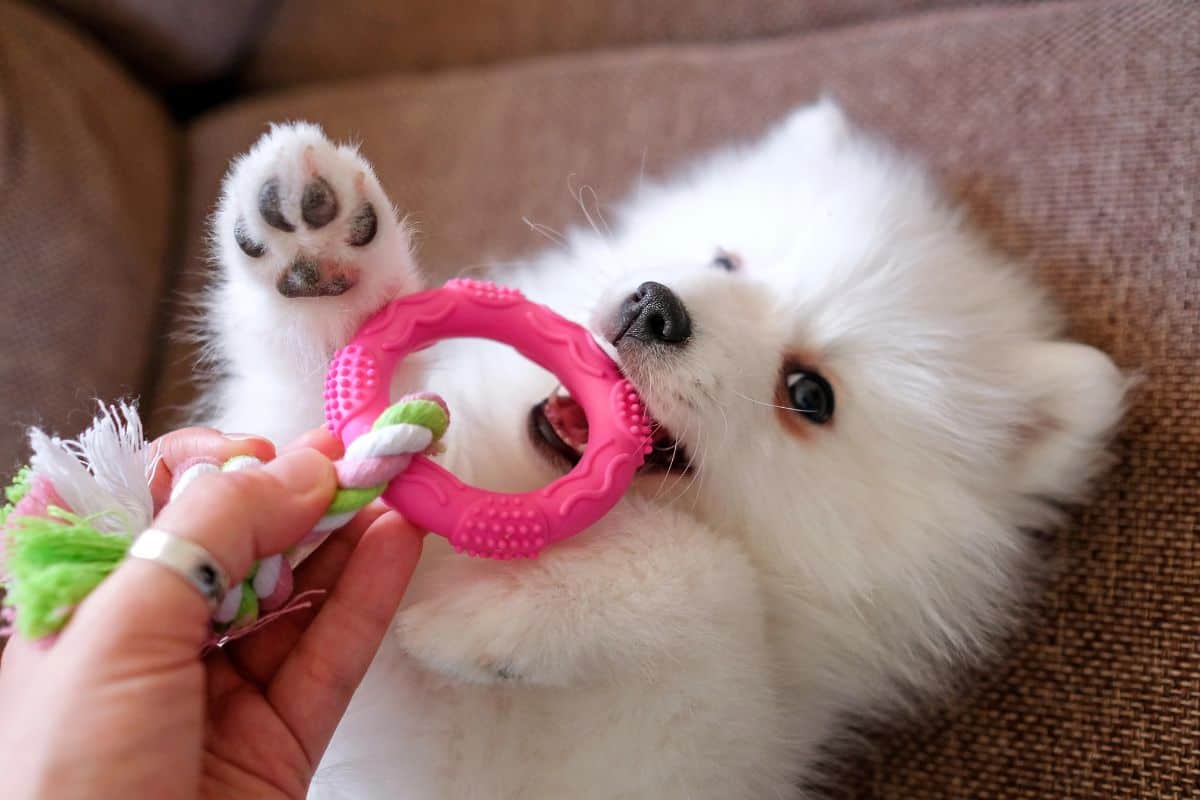
Have a tug toy or chew nearby. If your puppy bites, give them something appropriate to mouth instead of skin.
I’ve noticed that puppies learn faster when redirection is given calmly, not frantically.
Puppy Temper Tantrums Are Real
Sometimes biting isn’t about playing; it’s about overstimulation. A puppy's temper tantrum often looks like:
- Wild biting
- Zooming
- Ignoring cues
- Grabbing clothes or hands
This usually means your puppy is tired, not naughty. Puppies need frequent naps and quiet time, even when they appear to want to keep going.
Overtired puppies bite harder, faster, and with less control.
Teething and Pain-Based Biting
Between 3–6 months, puppies lose baby teeth and adult teeth come in. During this stage, puppy biting can temporarily increase.
Helpful tips during teething:
- Offer safe chew toys
- Rotate textures (rubber, rope, frozen items)
- Avoid encouraging hand play
Teething doesn’t excuse biting, but it does explain why puppies struggle more during this phase.
Positive Reinforcement Works Best
One of the fastest ways to stop biting is by reinforcing what you want instead.
Use positive reinforcement to reward:
- Gentle play
- Calm behavior
- Choosing toys instead of hands
Praise, treats, and calm attention go a long way. Puppies repeat behaviors that earn good outcomes.
I love how puppies light up when they realize they’re doing something right. It’s one of the most rewarding parts of training.
What Not to Do When Puppies Bite
Some reactions actually make puppy bites worse:
- Yelling or shouting
- Smacking or physical corrections
- Holding the mouth shut
- Encouraging hand wrestling
These methods can confuse puppies or increase anxiety, which leads to more biting, not less.
When to Get Professional Help
If biting feels extreme, intense, or continues well past the teething stage, it’s okay to seek help. A professional dog trainer or qualified professional can:
- Observe your puppy’s behavior
- Identify triggers
- Create a clear training plan
Getting guidance early doesn’t mean you failed; it means you care.
How Long Until It Gets Better?
Most puppies improve significantly with consistent training. You’ll likely notice:
- Softer, playful mouthing first
- Fewer bite attempts
- Better self-control during play
By adolescence, most dogs have learned to regulate their mouths, especially if they were taught calmly and consistently.
Final Thoughts
So, when do puppies stop biting? The honest answer is when they’re taught, guided, and given time to mature.
Puppy biting is frustrating, but it’s temporary. This stage, as hard as it is, builds patience and communication for both humans and dogs. With clear boundaries, gentle training, and plenty of rest, your puppy learns that human skin is not a chew toy.
One day, you’ll realize the biting has faded without you noticing. Those sharp little moments will become a story you tell with a smile.
FAQ
Most puppies begin to reduce biting between 4 and 6 months old, especially as teething ends and bite inhibition improves. Consistent training and calm responses make a big difference.
Puppy biting is completely normal. Puppies bite to explore, play, and learn boundaries. It becomes a concern only if it persists and worsens over time.
When your puppy bites, instantly stop moving, end play briefly, and redirect their attention to a toy. This helps your puppy learn bite inhibition without fear or punishment.
Yes. During teething, sore gums can increase puppy biting. Offering appropriate chew toys and extra quiet time can help reduce frustration.
No. Harsh corrections can increase anxiety and make biting worse. Positive reinforcement and clear, calm boundaries are far more effective for teaching gentle behavior.
If biting feels extreme, aggressive, or doesn’t improve after teething, a qualified professional or professional dog trainer can help assess your puppy’s behavior and guide training safely.




Leave a Reply