
Training a dog is one of those little joys that sneaks up on you. I love how even the simplest moment, like a sit, a stay, or a happy tail wag, can feel like a tiny win when you’re working together. Over time, I’ve noticed that the secret to successful dog training often comes down to one simple thing: the right treat.
Jump to:
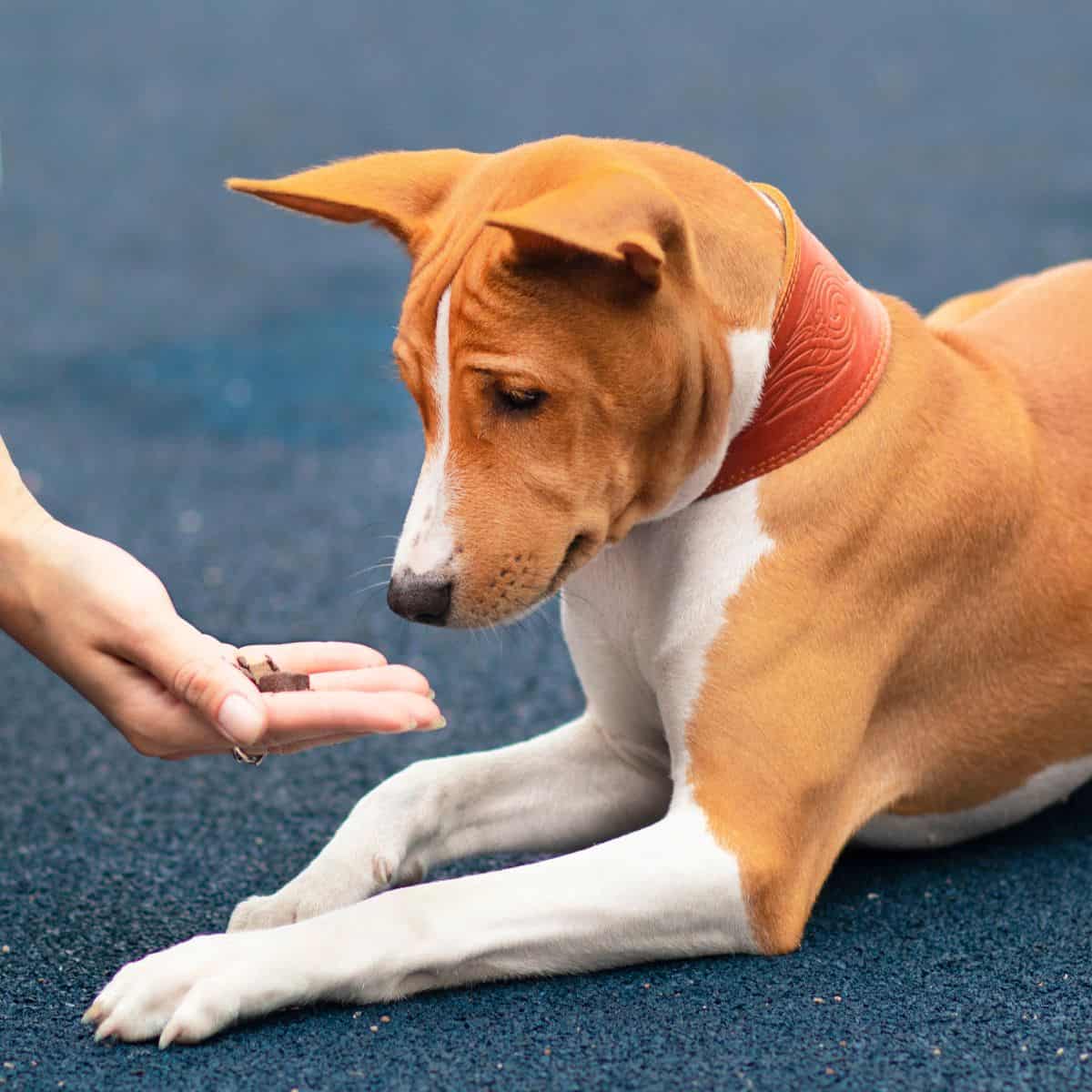
Good training treats can turn practice time into something your dog actually looks forward to. When there’s a tasty reward involved, dogs tend to pay attention and try harder.
Let’s talk about what makes a great training treat and how to find the perfect one for your pup.
Why Training Treats Matter
Dogs learn best through positive rewards. When you give your dog a tasty treat for good behavior, they connect the action with something they love.
I’ve noticed that even shy or stubborn dogs suddenly light up when a favorite treat is involved. It turns training into a game instead of a chore. That’s why choosing high-quality dog training treats is so important; they help your dog stay motivated and eager to learn.
What Makes the Best Dog Treats for Training?
I’ve learned that some treats make training easier than others, and it usually comes down to a few key things.
Small Size
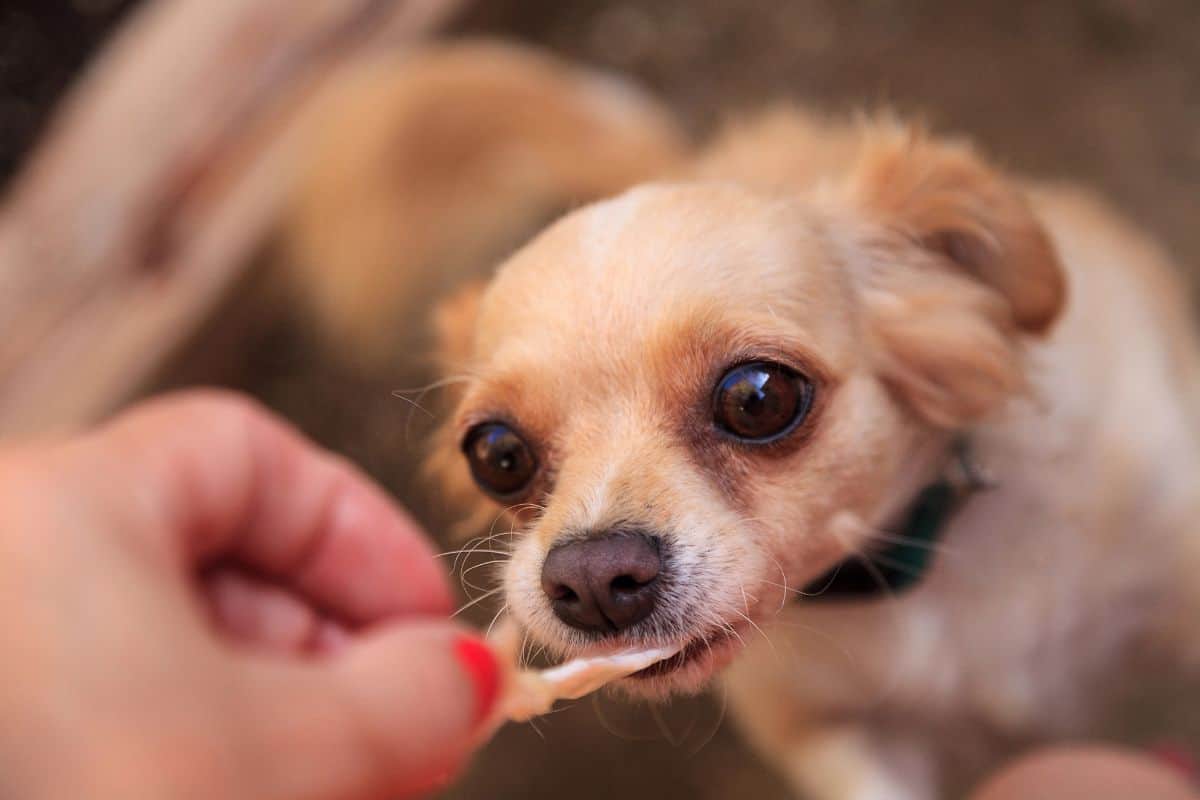
Training treats should be small. You’ll be giving lots of treats during a session, and tiny bites prevent overfeeding while keeping your dog satisfied.
Soft Texture
A soft dog treat is easy to chew and quick to swallow. This keeps the training session moving smoothly without long chewing breaks.
High Value
High-value treats smell good and taste even better. These are the ones your dog will work hardest for, especially when learning something new.
Best Treats for Puppy Training
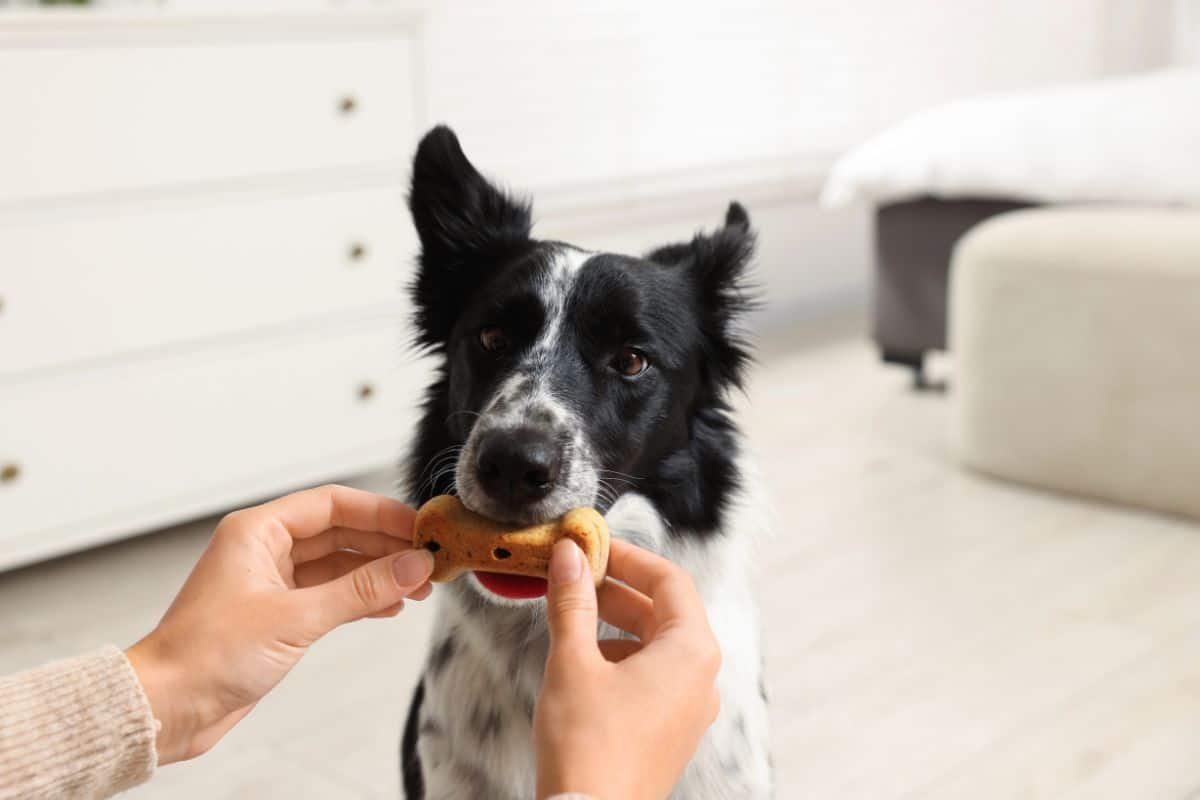
Puppies have short attention spans, so using the right training treats is especially important. I love how quickly puppies respond to a soft, flavorful treat.
Look for treats made with simple, real-food ingredients. These are gentle on tiny stomachs and help keep puppy training positive and fun.
Soft treats that can be broken into even smaller pieces are perfect for little mouths.
Training Treats for Adult Dogs
Adult dogs need the same encouragement as puppies, even if they already know a few commands. A high-value dog treat can help reinforce good behavior and improve focus.
I’ve noticed that switching up treats from time to time keeps dogs interested. Using a mix of flavors and textures prevents boredom and keeps training exciting.
How Many Treats Should You Use?
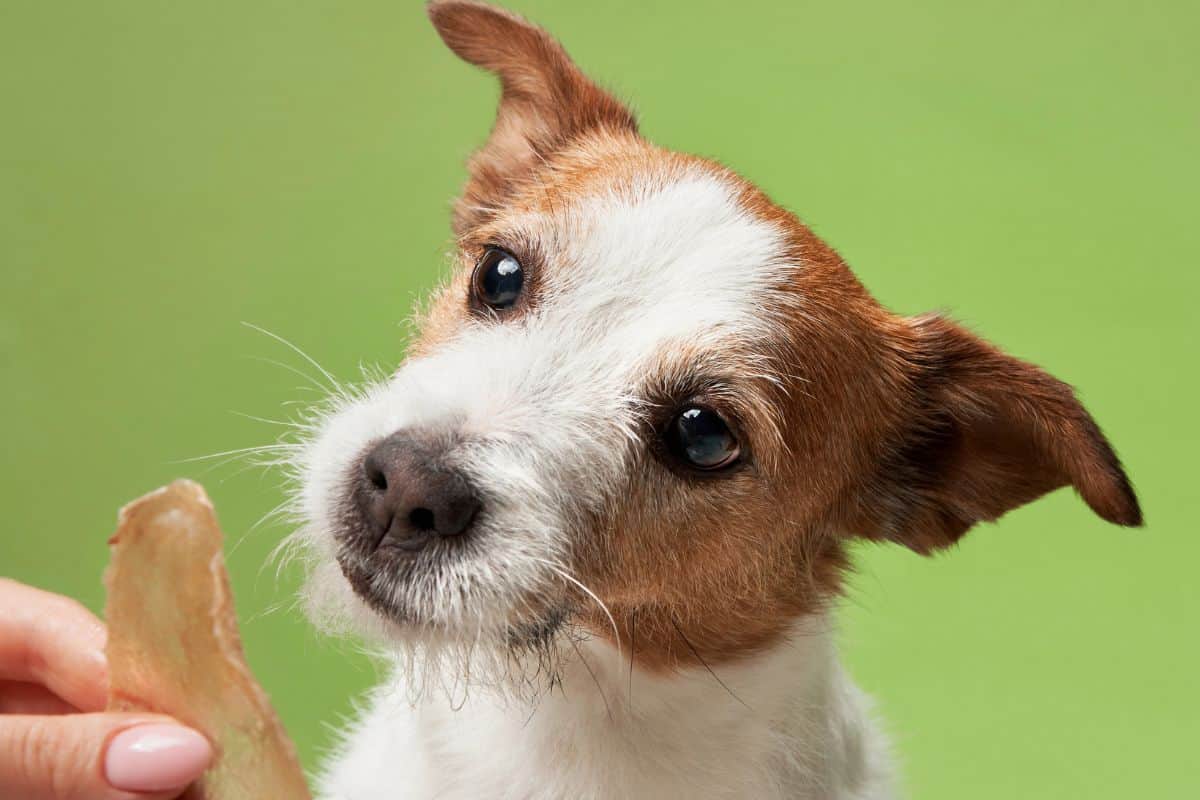
It’s easy to go overboard with treats, especially when your dog is doing great. The key is to use small pieces and keep portions balanced with your dog’s daily food.
Treats should make up only a small part of your dog’s diet. Think of them as special rewards, not full meals.
Homemade vs Store-Bought Treats
Some dog owners love making their own training treats at home. This can be a fun and simple way to control ingredients and avoid fillers.
Store-bought dog training treats are also great, especially when you choose ones made with real food and no unnecessary additives.
Both options can work well; the right choice is what your dog enjoys and tolerates best.
When to Give Training Treats
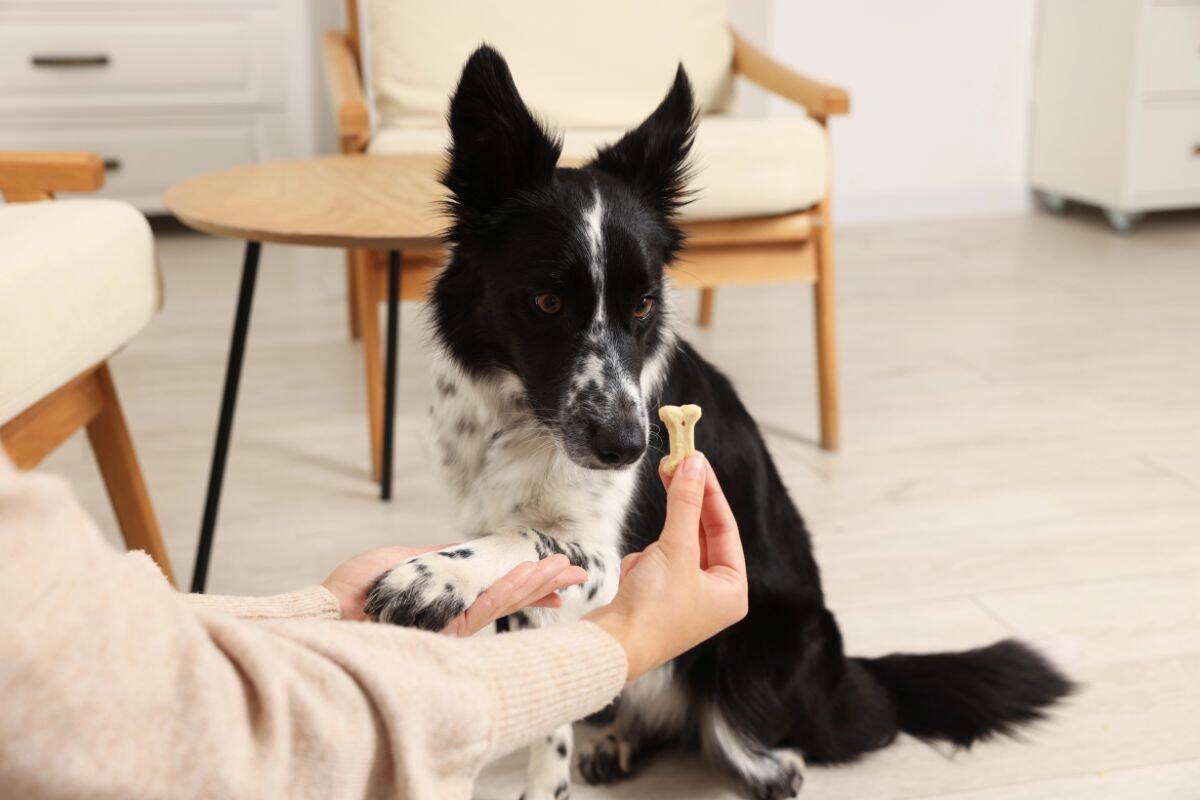
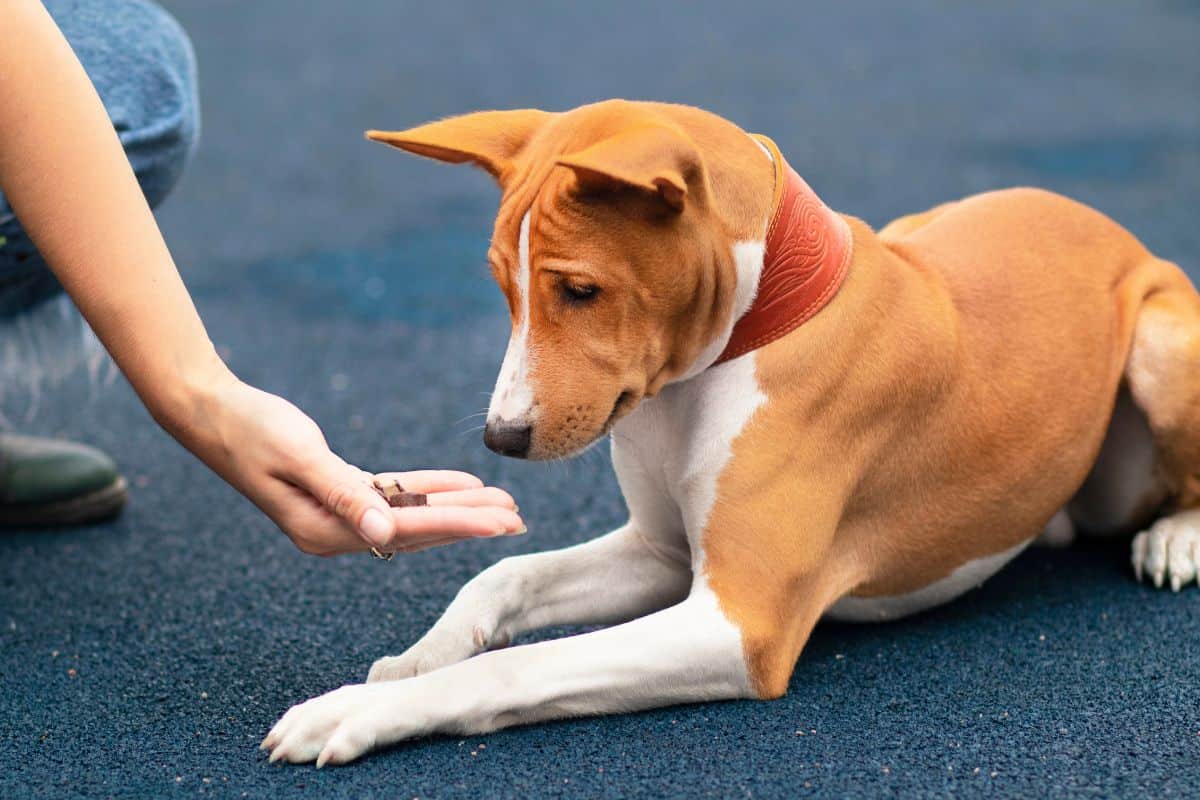
Dogs learn faster when treats come at the right moment. Hand it over as soon as your dog does the behavior you want.
I love how fast dogs catch on when the timing is perfect. A quick treat paired with praise makes learning feel natural and joyful.
How to Keep Training Fun
Mixing things up keeps training fresh. Try different dog treats, practice in new places, or add short play breaks.
I’ve noticed dogs stay more engaged when sessions are short, positive, and filled with little rewards along the way.
Final Thoughts
Good training treats do more than reward good behavior; they help your dog feel safe, confident, and connected to you. I love how something so small can turn everyday training into a positive, shared experience.
Whether you’re guiding a curious puppy or working with an experienced dog, the right treats can make training feel easier and more enjoyable for both of you. With patience, love, and a pocket full of tasty rewards, training becomes less about perfection and more about growing together. 🐾
FAQ
The best dog training treats are small, soft, and high-value treats that dogs love. These are easy to chew quickly and help keep dogs focused during training sessions.
Yes, puppies can use training treats as long as they are soft and made with simple, gentle ingredients. Small treats work best for puppy training.
Training treats should be used in small amounts. It’s best to give tiny pieces and adjust your dog’s regular food to avoid overfeeding.
Yes, soft treats are ideal because dogs can chew and swallow them quickly, allowing training to continue without long pauses.
Some dogs will happily work for kibble, but most respond better to higher-value treats, especially when learning new commands.


Leave a Reply