
When people ask what dog breeds are the smartest, they’re usually really asking one thing: Which dogs are easiest to train and live with day to day? I’ve noticed that intelligence in dogs isn’t just about learning tricks fast. It’s about communication, focus, curiosity, and how well a dog fits into family life.
Jump to:
- What Makes a Dog “Smart”?
- Border Collie: The Gold Standard of Canine Intelligence
- German Shepherd: Intelligent, Loyal, and Versatile
- Golden Retriever: Smart, Gentle, and Family-Friendly
- Australian Cattle Dog: Sharp, Independent, and Driven
- English Springer Spaniel: Eager, Smart, and Joyful
- Miniature Schnauzer: Small Size, Big Brain
- German Shorthaired Pointer: Athletic and Intelligent
- Why Smart Dogs Need Mental Stimulation
- Final Thoughts
- FAQ
- YOU MAY ALSO LIKE
Some dogs seem to understand you before you finish a sentence. Others need a little more patience, time, and repetition. Over the years, trainers, researchers, and pet parents have noticed clear patterns in canine intelligence, especially in obedience, problem-solving, and learning new commands.
This guide offers a warm, honest look at smart dogs, why certain breeds consistently rank high, and what makes them easier to train.
I love how learning about a dog’s background helps explain their behavior today. Many of the smartest breeds were originally bred for demanding jobs, and that working past still shapes how they think, learn, and bond with people.
What Makes a Dog “Smart”?
Dog intelligence isn’t one single trait. It’s usually a mix of how quickly a dog can learn, how well they retain information over time, and how eager they are to work with humans. Some dogs excel at problem-solving, while others shine in obedience or social awareness.
Psychologist and researcher Stanley Coren helped popularize the idea of ranking dog breeds based on how quickly they learn commands and how consistently they obey. His work is often referenced when people talk about the smartest dog breeds today.
From my own experience, the most intelligent dog isn’t always the calmest or easiest as a pup. Many smart breeds need structure, mental stimulation, and clear leadership to truly thrive.
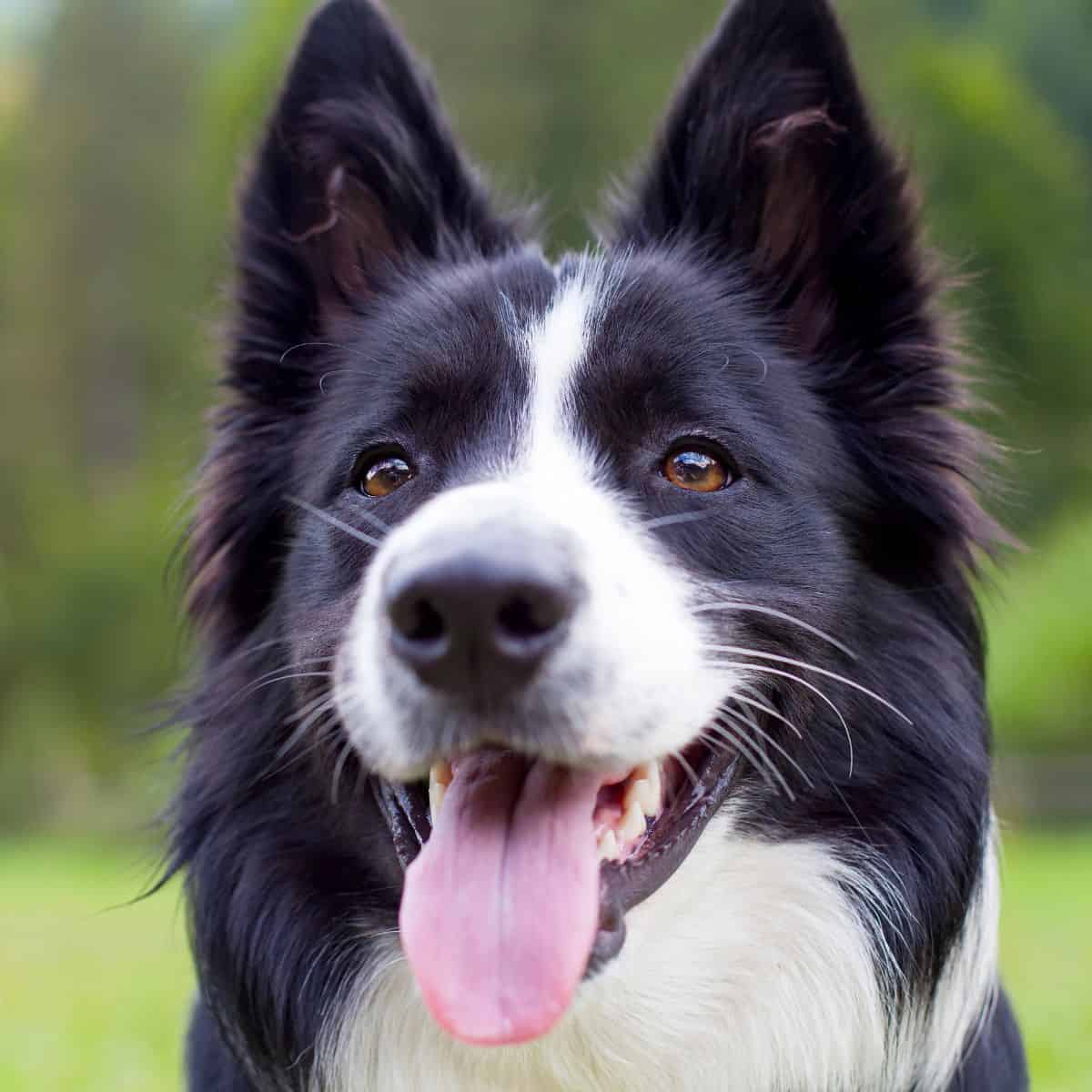
Border Collie: The Gold Standard of Canine Intelligence
The Border Collie is often considered one of the smartest dog breeds. Since they were bred to herd sheep, staying focused and picking things up quickly just comes naturally to them.
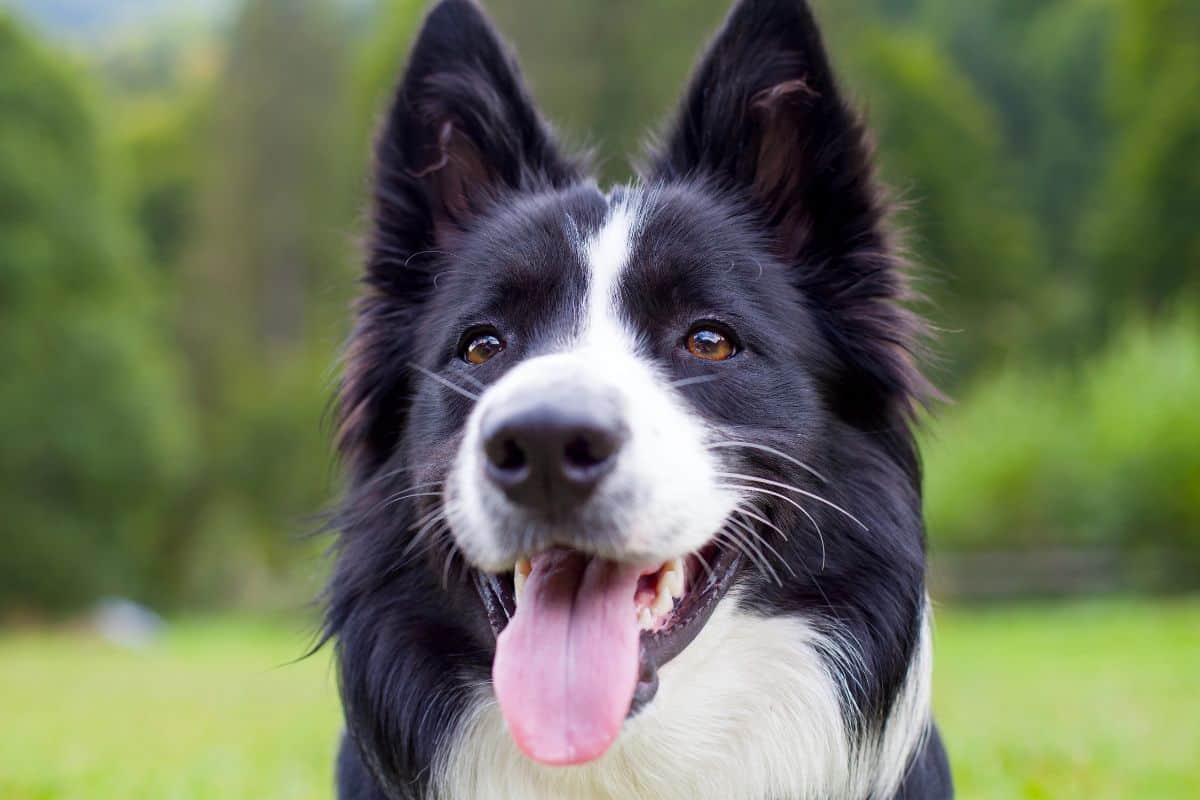
Border Collies are great at problem-solving and dog sports like agility and obedience. I’ve noticed they don’t just follow commands; they seem to know what’s coming next.
I used to have a border collie named Gandolf, and that awareness showed up in everything he did. That kind of intelligence makes training feel easy, but it also means they need plenty of mental challenges to stay happy.
Without enough activity or puzzle toys, a collie can easily become bored. For active pet parents with the time and energy, though, this breed is a dream.
German Shepherd: Intelligent, Loyal, and Versatile
The German Shepherd is one of the most well-known working dogs in the world. Bred for guarding and herding, this breed combines intelligence, loyalty, and courage.
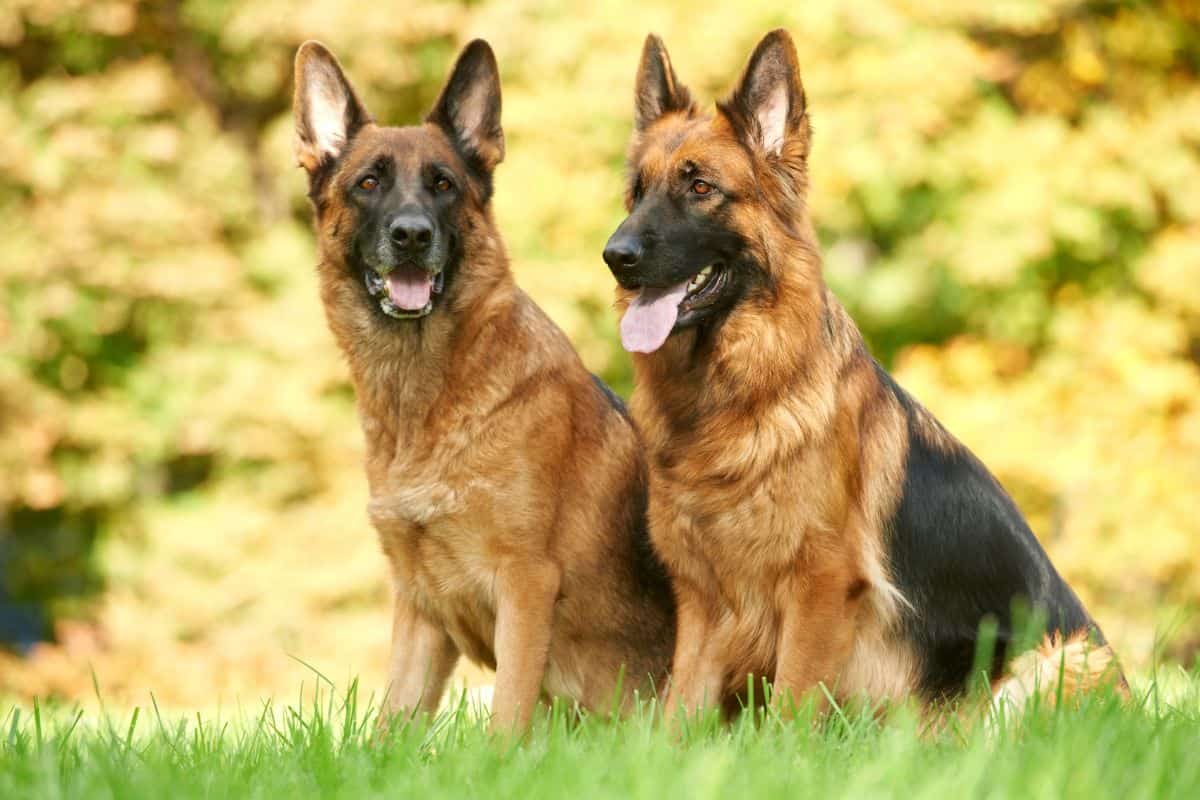
German shepherds are quick to learn, highly responsive to training, and deeply bonded to their family. They’re often used in police work, search and rescue, and service roles because they make smart decisions under pressure.
I love how German Shepherds seem to read emotions so well. With consistent training, they grow into confident, reliable family pets who take their role seriously.
Golden Retriever: Smart, Gentle, and Family-Friendly
Golden Retrievers prove that intelligence and kindness go hand in hand. Originally bred as hunting companions, this retriever breed is eager to please and incredibly people-focused.

Golden Retrievers learn commands quickly, respond well to positive reinforcement, and adapt easily to different lifestyles. I’ve noticed they seem happiest when they’re part of daily life, whether that’s training sessions, walks, or simply lying at your feet.
Because of their patience and emotional intelligence, Golden Retrievers are excellent therapy dogs and wonderful around kids. Their intelligence is evident in how naturally they fit into a family.
Australian Cattle Dog: Sharp, Independent, and Driven
The Australian Cattle Dog, sometimes called a Cattle Dog, was bred for endurance, decision-making, and the tough working conditions of cattle ranches. These dogs are extremely smart and very independent thinkers.
They learn commands quickly but prefer having a purpose. I’ve noticed this breed does best when training feels like a job, not just repetition. They thrive on structure, problem-solving, and active routines.
For experienced pet parents who enjoy training challenges, Australian Cattle Dogs are incredibly rewarding and deeply loyal.
English Springer Spaniel: Eager, Smart, and Joyful
The English Springer Spaniel is often overlooked in discussions of intelligence, but this breed is bright, enthusiastic, and highly trainable. Originally bred for flushing game, they are alert and responsive.
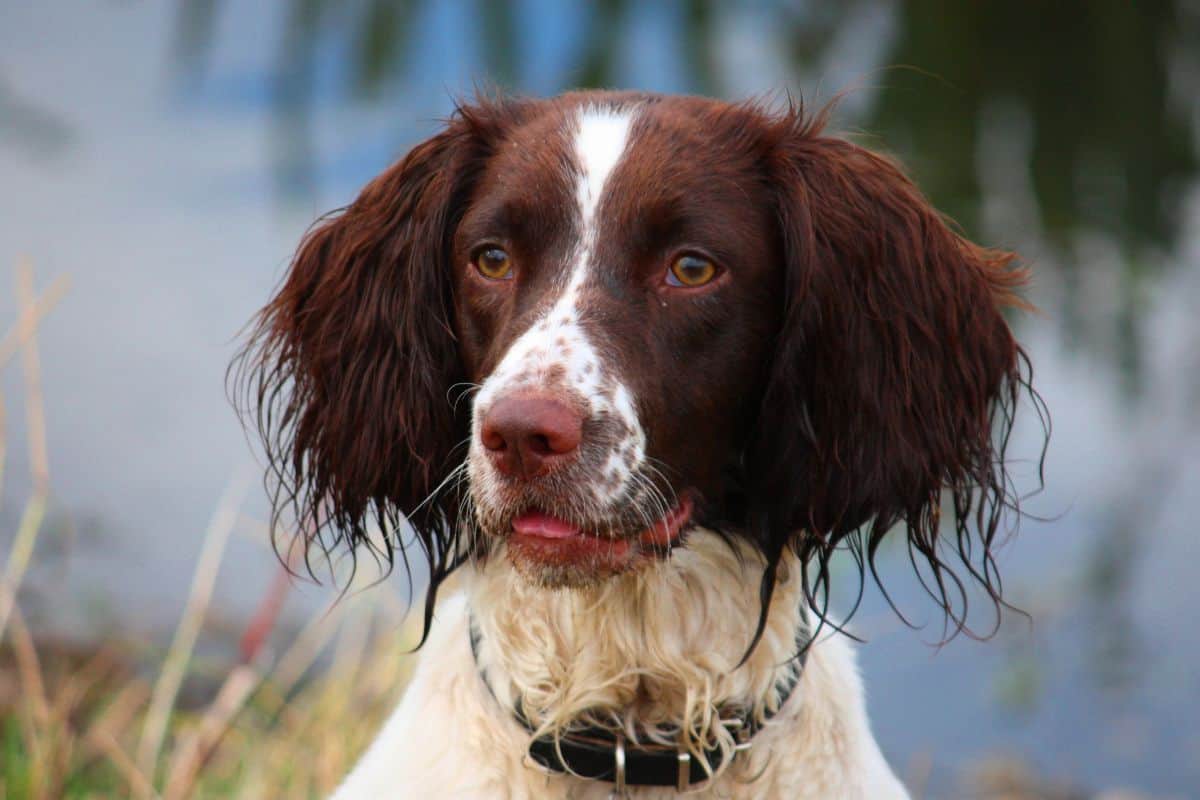
Springer Spaniels love learning new commands, especially when training includes play and praise. I love how joyful they are during sessions, with their tails wagging the entire time.
They make great family pets, especially for families who enjoy being active, spending time outdoors, and training together.
Miniature Schnauzer: Small Size, Big Brain
The Miniature Schnauzer proves that smart dogs don’t have to be large. Bred as alert farm dogs, schnauzers are curious, quick learners, and highly observant.
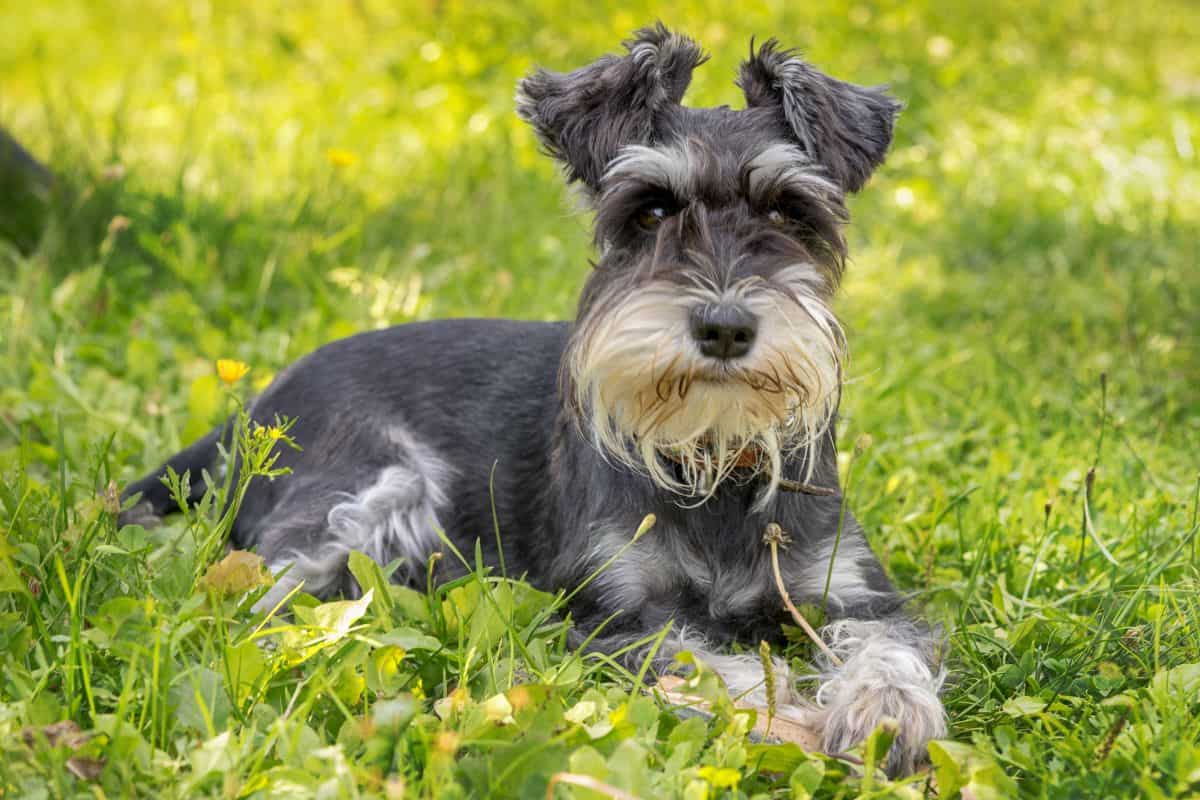
They excel at obedience training and often enjoy mastering tricks and routines. I’ve noticed they’re especially good at reading household patterns and learning rules fast.
Because they’re intelligent and alert, Miniature Schnauzers benefit from early training and regular mental engagement to keep their sharp minds busy.
German Shorthaired Pointer: Athletic and Intelligent
The German Shorthaired Pointer is another breed originally bred for demanding work. These dogs combine athleticism with strong problem-solving skills.

They learn quickly but need consistent training and activity to stay focused. I’ve noticed that when their energy is well managed, they become attentive, responsive, and deeply bonded companions.
This breed is a great match for active families who enjoy outdoor adventures and structured routines.
Why Smart Dogs Need Mental Stimulation
Owning one of the smartest breeds means understanding that intelligence comes with responsibility. Smart dogs need more than physical exercise. They need mental stimulation, variety, and challenges.
Things like training games, scent work, and puzzle toys help prevent boredom and unwanted behaviors. I’ve noticed that when intelligent dogs are mentally fulfilled, they’re calmer, happier, and more balanced overall.
Training isn’t just about obedience. It’s about giving smart pups a way to use their brains every day.
Final Thoughts
When it comes to the smartest dog breeds, there isn’t a single perfect answer. Intelligence shows up in many ways, from quick learning to emotional awareness and adaptability.
I love how smart dogs connect so deeply with their people. With patience and consistent training, they don’t just learn commands; they grow into loyal partners who become part of everyday life.
FAQ
Usually, yes. Smart dogs often pick up new commands faster, but they still need consistent training and patience.
Yes. Intelligent dogs need mental stimulation, like puzzle toys and training games, to stay happy and calm.
They can be great family pets when they get enough time, training, and attention. With the right care, they fit well into everyday family life.
Often, yes. Many smart dogs have higher energy levels and do best with regular exercise paired with mental stimulation. I’ve noticed that a good walk or play session makes training and everyday life much smoother.



Leave a Reply