
The short answer to whether dogs have belly buttons is yes, just like humans; they have them because they are part of a group called placental mammals. This means that before birth, a puppy develops inside the mother, connected by an umbilical cord.

Jump to:
This cord plays a vital role during development, delivering nutrients and oxygen. Once the puppy is born, the umbilical cord is no longer needed. It’s either chewed off by the mother or safely managed if humans are assisting the birth.
What remains afterward is a tiny scar, which is the dog's belly button.
Unlike a human belly, where the belly button is often more pronounced, a dog’s version is usually very subtle. I’ve noticed that even attentive pet owners sometimes never spot it at all.
What Do Dog Belly Buttons Look Like?
When people search for "do dogs have belly buttons?", they’re often surprised by how understated the answer is. A dog's belly button typically looks like the following:
- A small, flat spot;
- A thin line or faint scar, and
- Located along the midline of the dog's belly
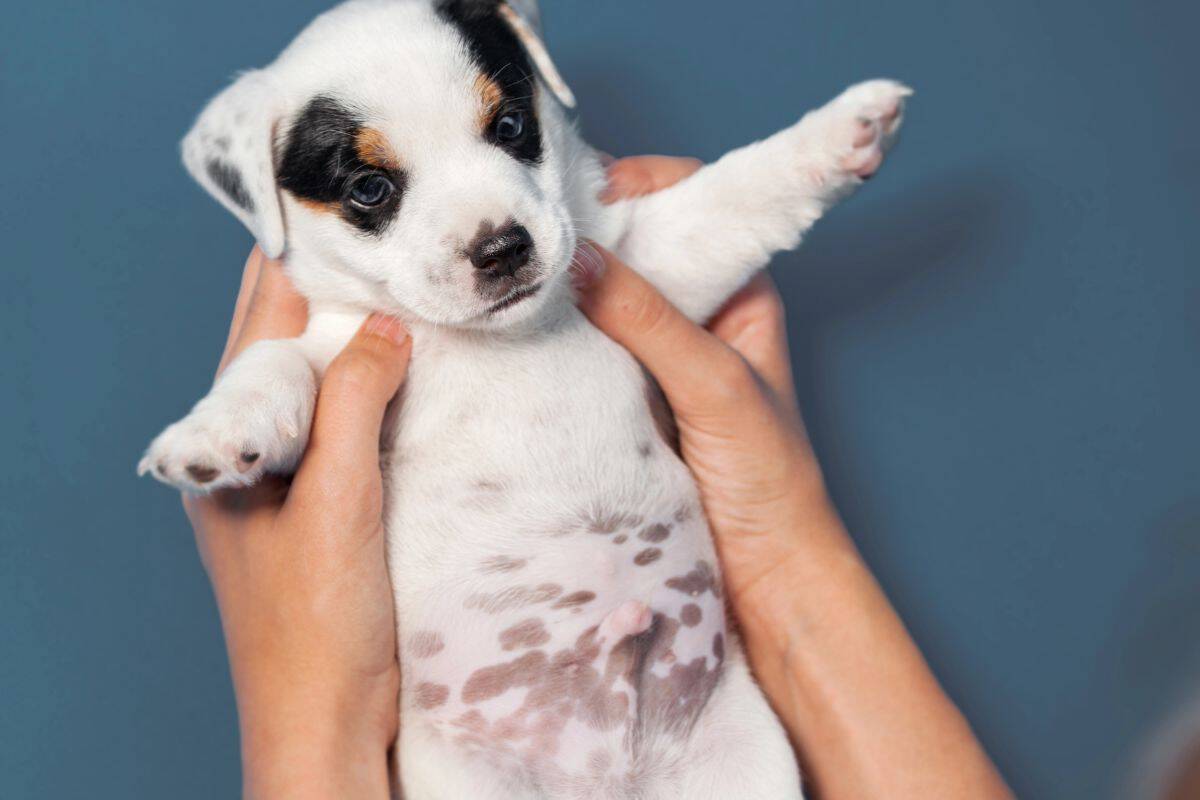
In my experience, it can look like a tiny wrinkle or a slightly different patch of skin. It doesn’t form the familiar “innie” or “outie” shape that we associate with a human belly button.
Because of this, many owners assume their dog simply doesn’t have one. But it’s there, just very subtle.

Do Puppies Have Belly Buttons?
A common variation of this question is do puppies have belly buttons, or do newborn puppies have umbilical cords. The answer is yes to both.
At birth, every puppy has an umbilical cord attached. This is part of the natural process for all placental mammals. After delivery, the cord is removed, leaving behind that small healing area that becomes the puppy's belly button.
In most cases, the healing happens quickly and cleanly. The result is a tiny scar that blends into the puppy’s skin as they grow.
I’ve noticed that when puppies are very young, this area can be slightly easier to find, especially before their fur thickens.
Do All Mammals Have Belly Buttons?
This leads to a broader question: do all mammals have belly buttons, or do animals have umbilical cords?
The answer depends on the type of animal. Placental mammals, including dogs, cats, and humans, all have umbilical cords and therefore develop a belly button after birth.
However, not all mammals follow this pattern. For example, animals like kangaroos (marsupials) develop differently and don’t have the same kind of visible belly button.
So if you’re wondering, do cats and dogs have belly buttons? The answer is yes, both do, though they’re equally subtle.

Can a Dog’s Belly Button Cause Health Concerns?
Most of the time, a dog's belly button is simply a harmless scar. However, there is one condition worth gently understanding: an umbilical hernia.
An umbilical hernia happens when the area where the umbilical cord was attached doesn’t fully close after birth. This can create a small bulge on the dog’s belly.
In my experience, these are often:
- Small
- Soft to the touch
- Not painful
Some umbilical hernias resolve on their own, while others may require veterinary attention. If you ever notice a lump or swelling around your dog’s belly button, it’s always a good idea to have it checked for peace of mind.
Why Dog Belly Buttons Are Hard to Find
Many people searching for "do dogs have belly buttons that stick out" are expecting something obvious. But unlike a human belly button, a dog's belly button is rarely raised or prominent.
There are a few reasons for this:
- Dogs heal differently after the umbilical cord detaches
- Their skin tends to lie flatter across the belly
- Fur often covers the area
I love how this subtlety reflects the natural simplicity of a dog’s body. It’s a small detail, but one that connects them to all placental mammals, including us.
Belly Rubs and Your Dog’s Belly Button
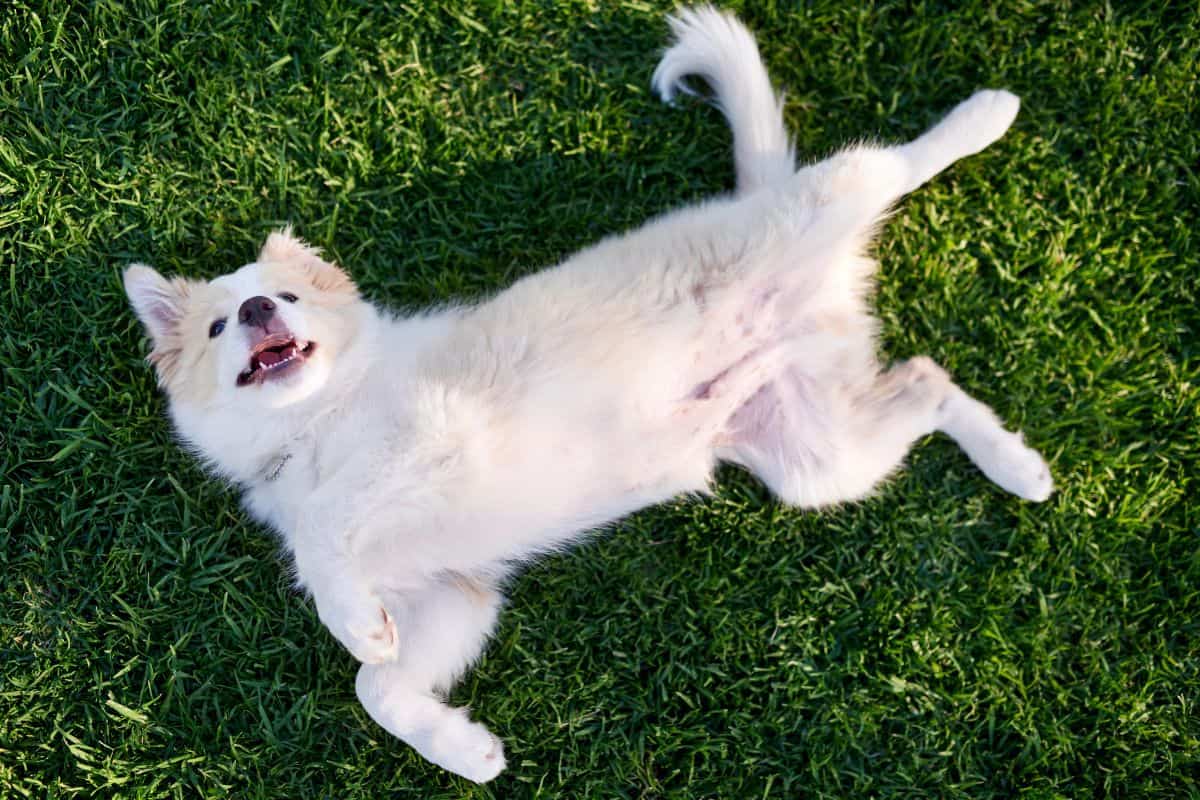
If your dog enjoys belly rubs, you might already be very familiar with their dog belly, even if you didn’t realize you were near their belly button.
In my experience, dogs don’t feel anything special at the site of their belly button. It’s just part of their body, with no unique sensitivity.
That said, gentle observation during relaxed moments can sometimes help you spot that tiny spot or faint scar. It becomes a quiet reminder of your dog’s earliest beginnings.
When to Pay Closer Attention
While most dog belly buttons are completely normal, there are a few situations where you might want to look a little closer:
- If there’s a noticeable lump (possible umbilical hernia)
- If the area appears swollen or irritated
- If a puppy's umbilical cord infection is suspected early in life
In these cases, a quick visit to a veterinarian can provide reassurance and guidance. It’s always better to check when something seems unusual.
Final Thoughts
Every dog begins life connected by an umbilical cord, and the tiny scar left behind becomes their version of a belly button, even if it’s often hard to spot beneath all that fur.
I’ve always found this to be a surprisingly comforting detail. It’s a quiet reminder that dogs and humans share a common ancestry as placental mammals, despite all our differences.
Next time you’re giving your dog a calm belly rub, you might pause and take a closer look. You may just notice that tiny mark, a small sign of where their story first began.
FAQ
Yes, dogs have belly buttons throughout their lives. However, they often become less noticeable as the dog grows and fur covers the area.
Usually no. Most dog belly buttons are flat and look like a small scar, not an “outie” like some humans have.
Yes, both male and female dogs have belly buttons. It’s a natural result of the umbilical cord from birth.
Yes, cats are also placental mammals, so they have belly buttons, though they are just as subtle as in dogs.
A lump near the dog's belly button could be an umbilical hernia. It’s best to have a veterinarian take a look to ensure everything is healthy.


Leave a Reply