
When you notice a dog's nail bleeding, it can feel alarming. Many pet parents experience this moment during routine nail trimming, after a long walk on rough surfaces, or when a dog accidentally breaks a nail. In most cases, a bleeding dog nail looks worse than it is, and the bleeding usually stops with calm, simple first aid at home.
Jump to:
I’ve noticed that even experienced dog owners sometimes feel unsure when they see blood from their dog’s nail. Because dog nails contain sensitive tissue called the quick, cutting too short or dealing with a broken dog nail can cause unexpected nail bleeding. Understanding why it happens and knowing how to respond can help you care for your dog confidently and keep them comfortable.
In this gentle guide, we’ll walk through the common causes of dog toenail bleeding, how to stop the bleeding safely, and when it may be time to seek veterinary care.
Common Causes of Dog Nail Bleeding
Dog nail bleeding can happen for several reasons, and many of them are quite common in everyday life with dogs.
One of the most frequent causes occurs during nail trimming. If a nail clipper cuts into the quick, the area containing small blood vessels, the nail may begin bleeding. This situation often happens when trimming dark nails, where the quick is harder to see.
Another common cause is nail injuries. Active dogs may catch a nail on carpet, rocks, or other rough surfaces, which can cause the nail to split, crack, or partially tear. When a dog's broken nail bleeds, the exposed nail bed may bleed and cause temporary discomfort.
Sometimes, pet parents notice their dog's nail bleeding after a walk, especially if a nail was already weakened or split. Long or brittle nails may also break during play, leading to bleeding toenails.
Occasionally, a nail may break closer to the base. If a dog's nail is bleeding at the base, the injury can involve more sensitive tissue and may need closer observation or veterinary care.
In my experience, most nail issues happen unexpectedly during normal activities, which is why knowing how to respond calmly can make such a difference.
Signs Your Dog May Have a Broken or Bleeding Nail
A bleeding nail is usually easy to notice, but there are a few other signs that may help you recognize the issue quickly.
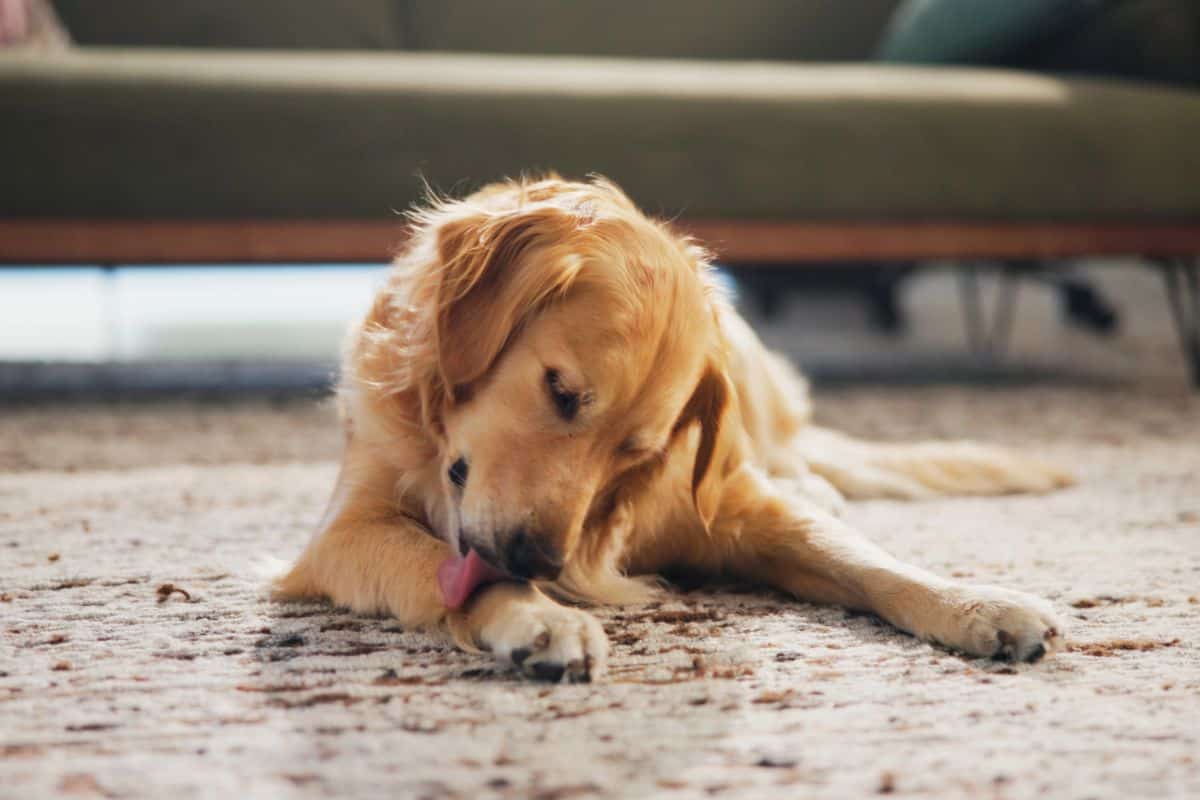
You might see small drops of blood on the floor or on your dog’s paw. Some dogs lick the affected paw repeatedly because of mild pain or irritation. If your dog broke his nail, it appears split, cracked, or hanging slightly away from the paw.
Dogs may also limp briefly or hold up a paw. This doesn’t always mean severe injury; sometimes the sensation simply surprises them.
If your dog's nail is bleeding, it may slow or stop after a few minutes with proper first aid. However, if the nail looks severely broken or if bleeding doesn't seem to slow down, it may be time to seek veterinary guidance.
How to Stop a Bleeding Dog Nail at Home
When dog nails bleed, staying calm helps both you and your dog. Most cases can be handled with simple home care.
The most widely recommended method involves styptic powder. This product is designed to help stop nail bleeding quickly. Gently apply a small amount of styptic to the bleeding nail and press lightly for a few seconds. The powder helps the blood clot, so the bleeding stops.
If you don’t have styptic powder, applying gentle pressure with a clean cloth can sometimes slow the bleeding until clotting begins.
While helping your dog, try to keep the paw as still as possible. Many dogs calm down if they are comforted or gently held.
Once the bleeding has stopped, gently clean the area and monitor the nail. Keeping the paw dry for a while can help reduce the chance of infection.
I love how resilient dogs can be. After the initial surprise, many dogs return to their normal activities fairly quickly.
Dog Broken Nail Bleeding: When Extra Care Is Needed
Sometimes, a broken dog nail bleeding is more than a minor trim accident.
If my dog's nail is bleeding because the nail is deeply broken, torn, or partially pulled away, the injury may involve the nail bed. These cases can be uncomfortable and sometimes require pain management or protective bandaging.
If the nail appears severely damaged or has come off, it’s usually best to seek veterinary care. A veterinarian may trim the damaged portion, clean the area carefully, and provide medication if needed.
Situations that may require urgent care include heavy bleeding that continues for more than several minutes, swelling around the nail, or signs that your dog is experiencing ongoing pain.
Professional veterinary care helps ensure their paw heals properly and reduces the risk of complications.
Preventing Dog Nail Injuries and Bleeding
Although dog nail bleeding sometimes happens unexpectedly, a few habits can help prevent many common issues.
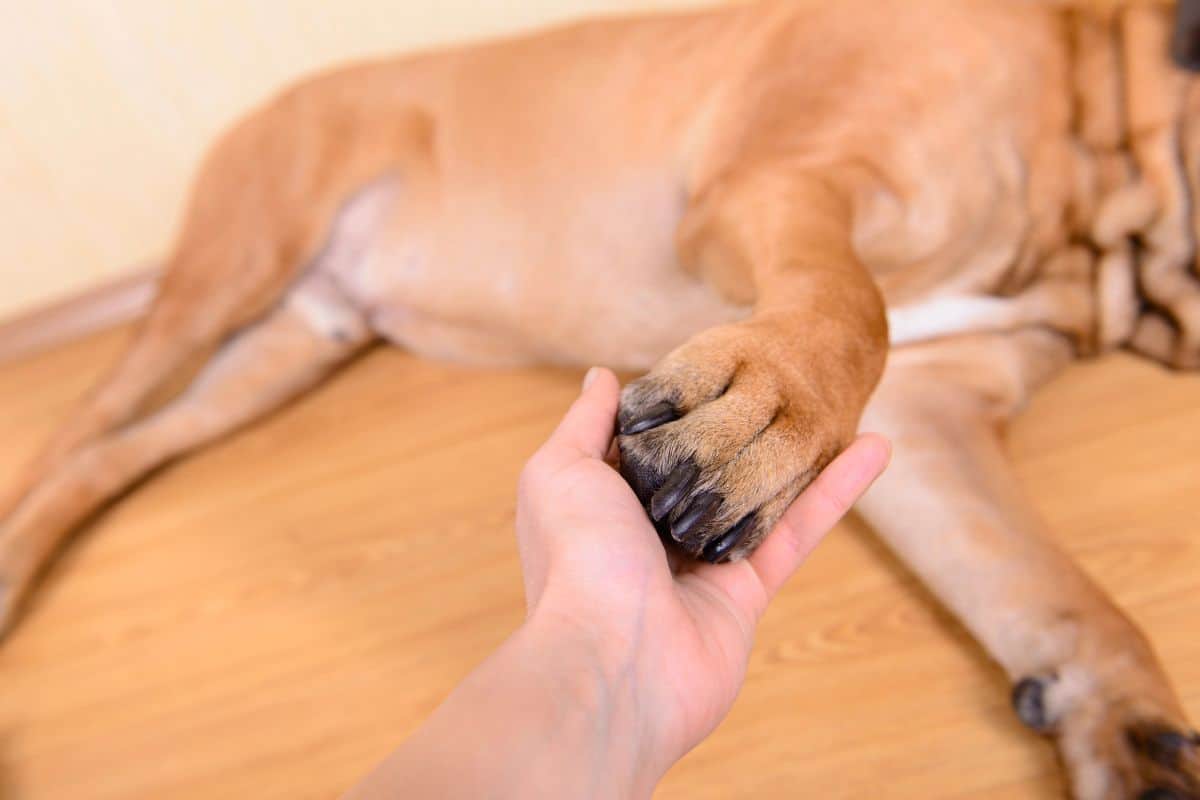
Keeping dog nails trimmed to a healthy length is one of the best ways to reduce the chance of a dog's cracked nail, no bleeding, turning into a painful break later. Shorter nails are less likely to catch on objects or rough surfaces.
Using a good-quality nail clipper and trimming gradually can also help you avoid cutting into the quick. Many pet parents find that trimming small amounts regularly works better than waiting until nails become very long.
If your dog enjoys running on sidewalks or rocky trails, checking the paws afterward can help you spot early signs of split nails.
In my experience, gentle grooming routines often make dogs more comfortable with paw handling, which makes nail care easier for everyone.
Final Thoughts
Caring for your dog’s paws is an important part of their overall well-being. With a little preparation and a calm approach, most minor nail injuries can be handled at home. Keeping an eye on your dog as they heal helps ensure they stay comfortable and ready for their next adventure.
FAQ
To stop a bleeding dog nail, apply styptic powder directly to the nail and hold gentle pressure for several seconds. This helps the blood clot and allows the bleeding to stop quickly.
If a dog's nail bleeds after a walk, check the nail for cracks or a split. Clean the area and apply styptic powder if needed. If the nail appears deeply broken, consider contacting a veterinarian.
Some minor broken dog nail injuries heal naturally once the bleeding stops and the nail begins to grow out. However, severe breaks or exposed nail bed injuries may require veterinary care.
You should seek veterinary care if bleeding continues for more than several minutes, the nail is severely split, or your dog shows signs of persistent pain. A veterinarian can safely treat the injury and help prevent infection.
The most reliable home remedy for dog nail bleeding is styptic powder, which helps stop the bleeding quickly. Keeping the paw clean and limiting activity for a short time afterward can also support healing.




Leave a Reply