
When you bring a dog into your life, you’re really inviting them into your everyday routine, your quiet mornings, and your big milestones. I’ve noticed that one of the first questions many pet parents quietly wonder about is how long their dog might live. It’s not about numbers alone, but about imagining years of walks, shared snacks, and sleepy evenings by the window.
Jump to:
Some dog breeds are simply known for living longer, often staying active and healthy well into their senior years. This guide looks at the longest-living dog breeds, what helps them thrive, and how thoughtful care can make a real difference throughout a dog’s lifespan.
What Determines a Dog’s Life Expectancy?
A dog’s life expectancy depends on several factors working together. Genetics plays a big role, which is why certain breeds are known to live longer than others. Size matters too.
In general, small dogs tend to outlive large dogs, sometimes by many years. Lifestyle also counts. Good dog food, regular activity, routine vet visits, and a low-stress home environment all help dogs live longer.
I love how dogs don’t measure life in years the way we do. They focus on the moment, whether that’s a short walk or a favorite meal. Still, understanding lifespan trends can help pet parents plan better care and enjoy those years to the fullest.
Longest Living Dog Breeds
Some dog breeds are known to live longer than others due to genetics, size, and overall health. With proper care, these dogs often enjoy many active, healthy years alongside their families.
Jack Russell Terrier: Small, Spirited, and Long-Living
The Jack Russell Terrier often appears on lists of the longest living dog breeds, and it’s easy to see why. These small, energetic dogs are known for their sharp minds and active style. Many Jack Russells live well into their mid to late teens, and some even longer.
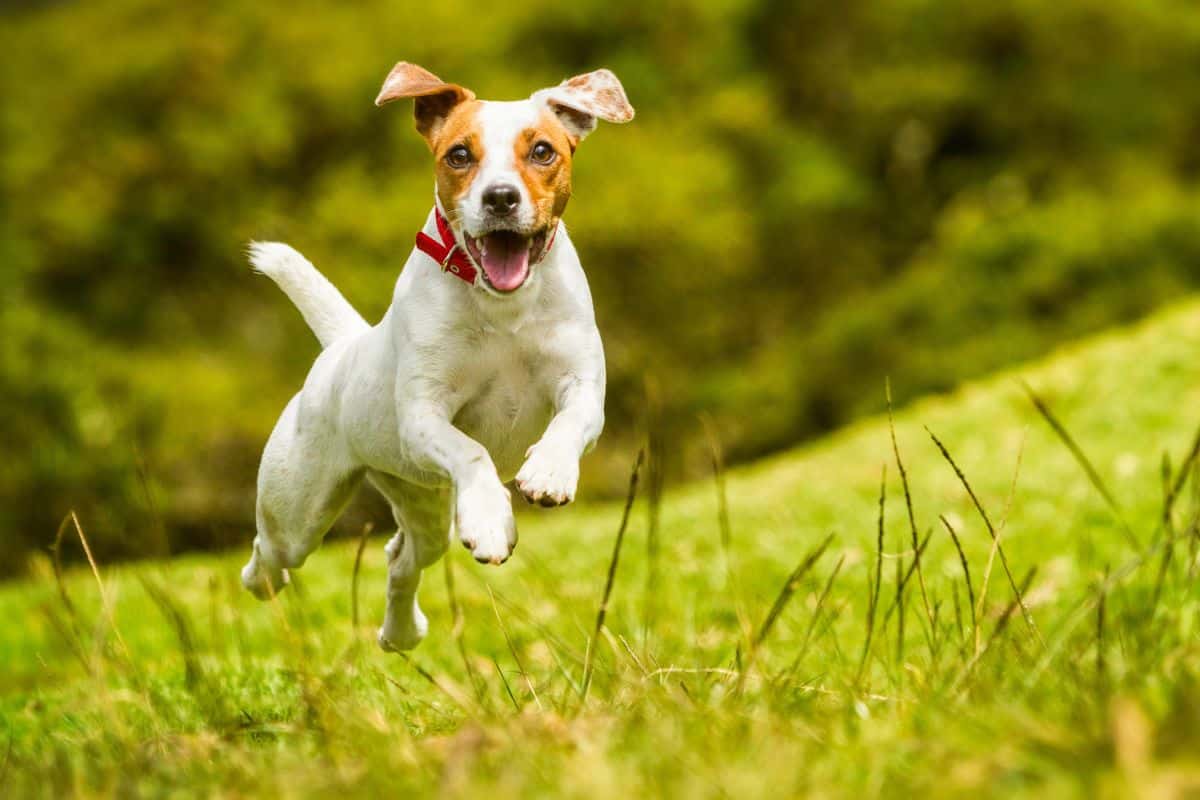
One famous Jack Russell once held a Guinness World Record for being the oldest dog, which helped draw attention to the breed’s impressive longevity. Their small size and high activity level support a longer lifespan, though they can be prone to conditions such as patellar luxation or progressive retinal atrophy. With regular care and attention to health issues, many Jack Russells continue to enjoy life at an old age.
Australian Cattle Dog: Built for a Long Working Life
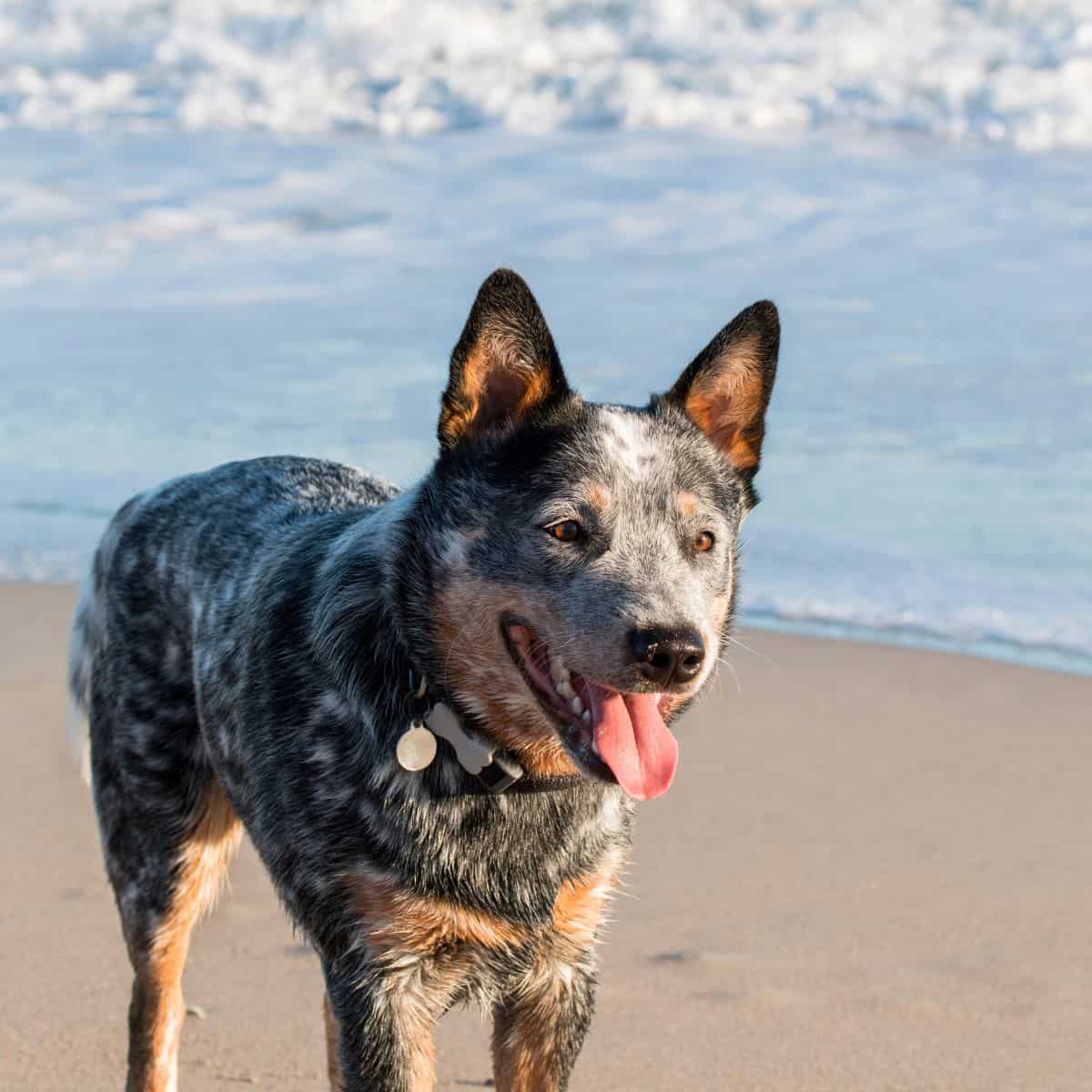
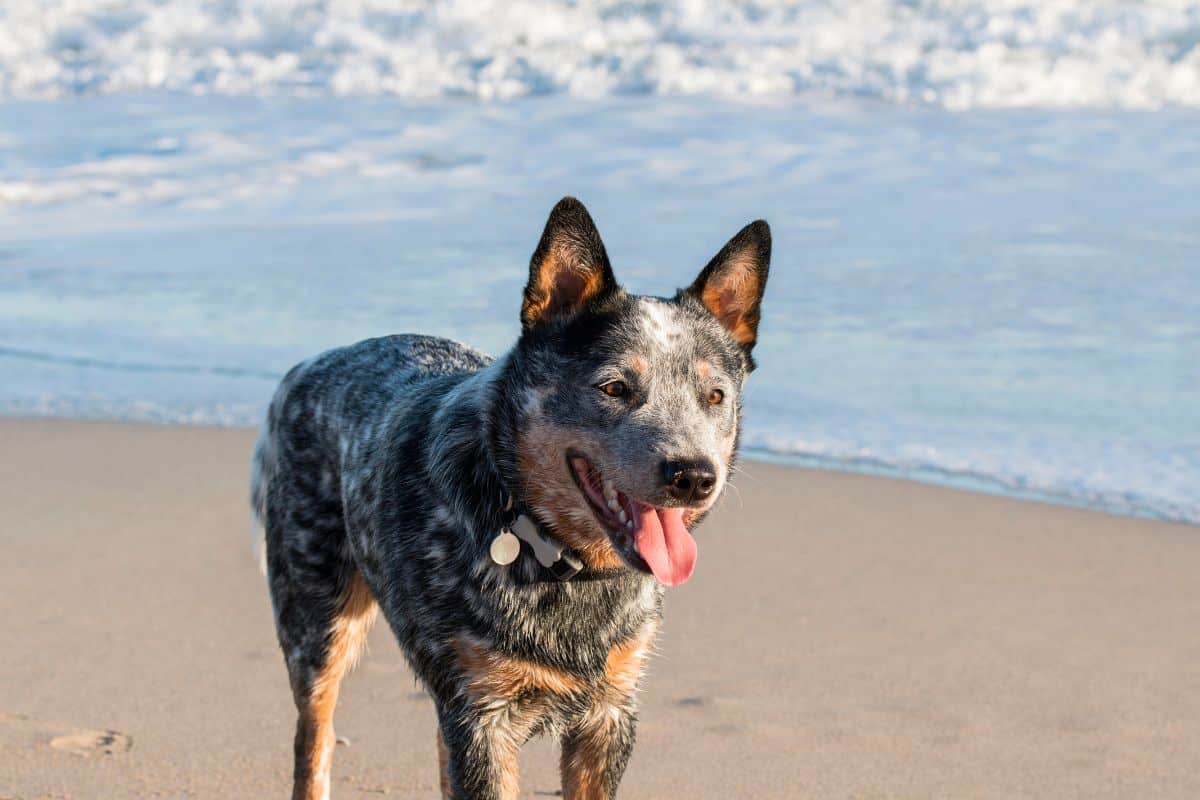
The Australian Cattle Dog, sometimes simply called a cattle dog, is another standout in terms of longevity. Originally bred for herding, this breed thrives on staying busy. I’ve noticed that dogs with jobs, or at least daily mental challenges, often seem to age more gracefully.
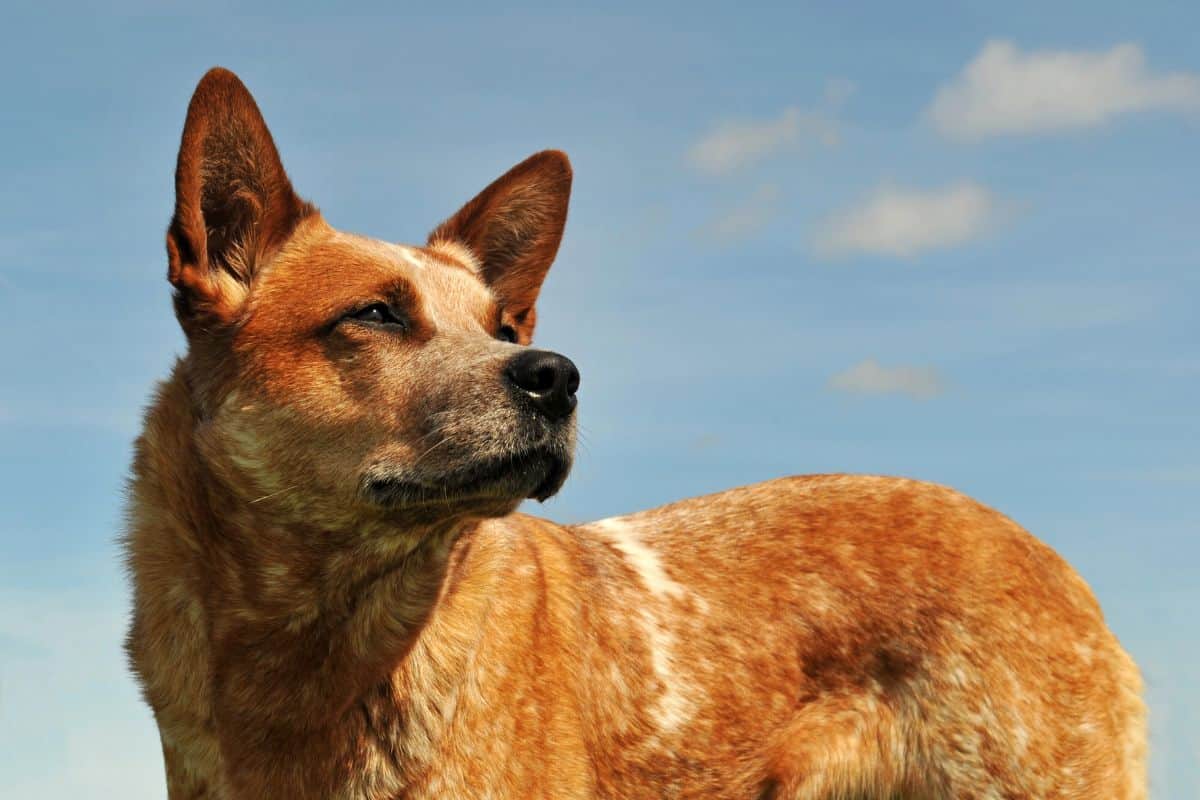
An Australian Cattle Dog named Bluey famously lived to age 29, earning a place in Guinness World Records and setting a benchmark for the longest-lived dogs. While not every cattle dog will reach that age, many live well into their teens. Their active nature and strong build help them stay healthy longer, especially when paired with balanced food and consistent care.
Shih Tzu: Gentle Companions with Long Lifespans
The Shih Tzu may look delicate, but this small breed often enjoys a long life. Many Shih Tzus live 14 to 16 years or more. Their calm temperament and manageable size support longevity, though they can face breed-specific health issues, such as breathing and eye problems.
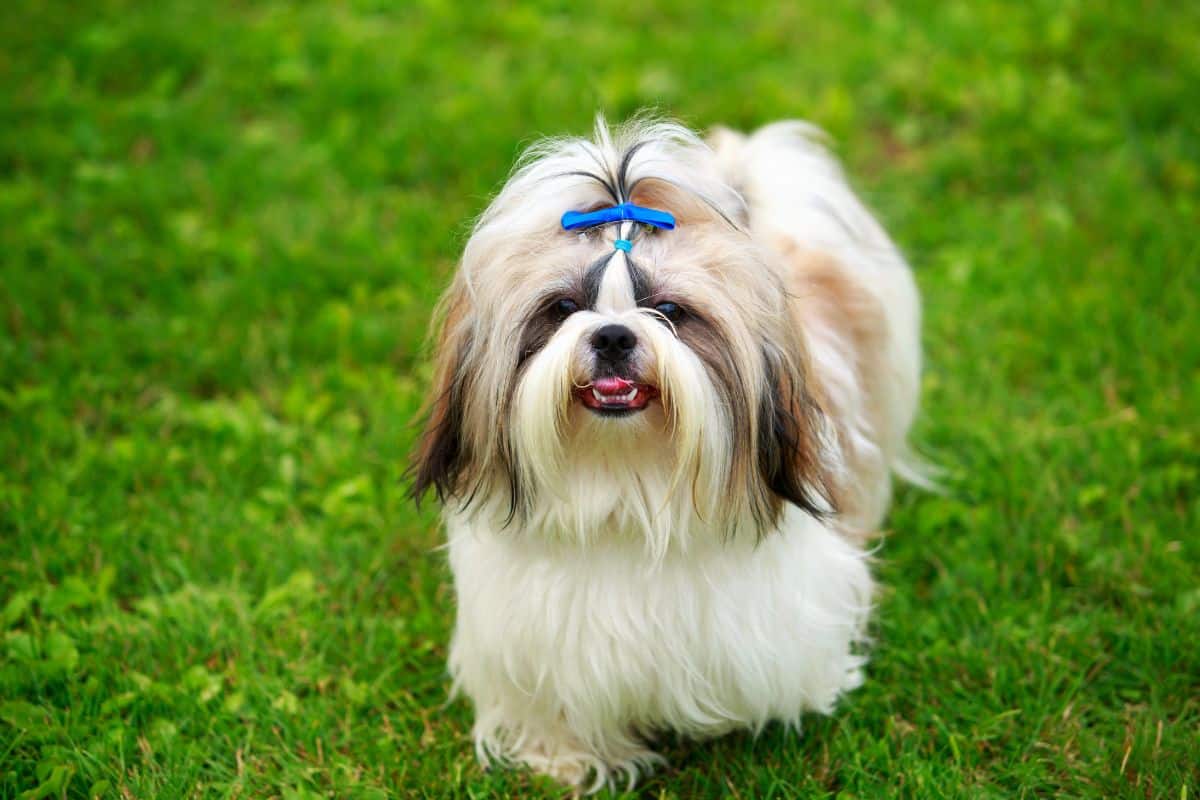
I love how Shih Tzus age with a certain quiet grace. They tend to adjust their activity level naturally over the years, which helps them stay comfortable and content. Regular grooming, quality dog food, and gentle exercise go a long way for this breed.
Border Collie: Intelligent and Surprisingly Long-Lived
The Border Collie is often associated with intelligence and energy, but it’s also known for a relatively long lifespan compared to other medium-sized breeds. Many live 12 to 15 years, which is impressive for such an active dog.
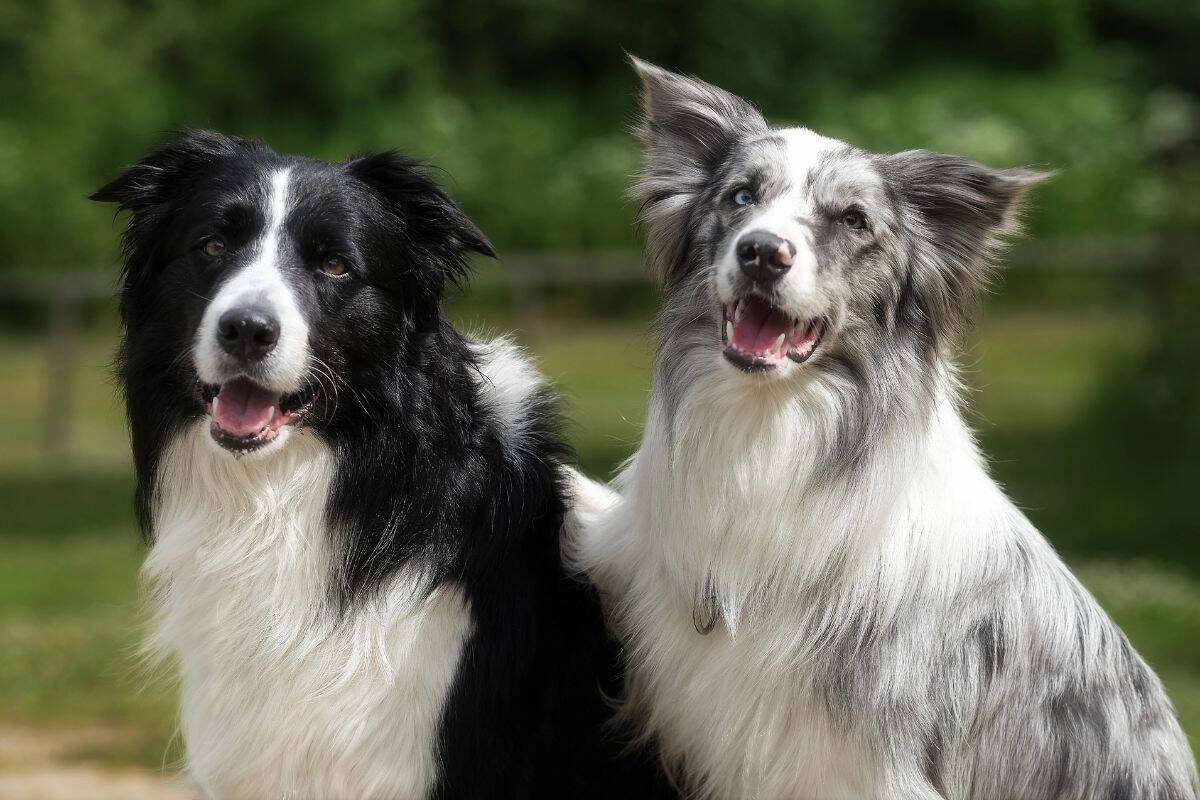
Border Collies are very smart, so they need activities that keep their minds busy. Without that, they can get bored or stressed, which isn’t good for their health.
When they get enough attention and mental exercise, they often stay sharp and active even as they age. Some have even been recognized in the Guinness World Records for their skills and longevity, showing how well they perform with proper care.
Golden Retriever: Shorter Lifespan, But Not Short on Love
While Golden Retrievers don’t top the list for longest lifespan, they deserve an honest mention. Their average life expectancy is shorter than that of many small breeds, often around 10 to 12 years. That said, some Golden Retrievers do live longer, especially when health issues are addressed early.
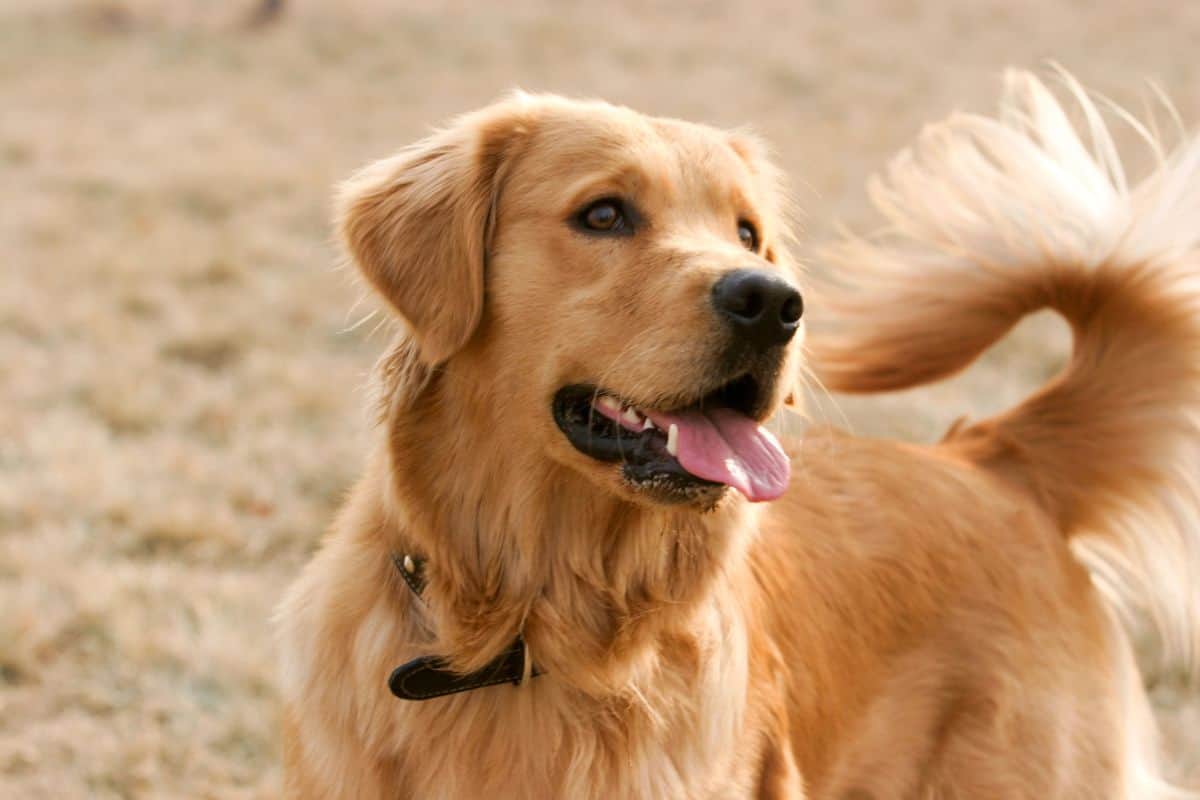
I’ve noticed that Golden Retrievers often live fully, even if not as long. Their friendly nature and strong bond with pet parents mean their years are packed with joy. Focusing on healthy food, weight management, and early screening for common conditions can help them live longer, healthier lives.
Common Health Issues That Affect Longevity
Even the longest living dog breeds can face health challenges. Conditions like progressive retinal atrophy, joint issues, and heart concerns can impact quality of life if left unaddressed. Smaller dogs may deal with dental problems, while active breeds may face joint wear over time.
Regular vet visits help catch issues early. Addressing health issues promptly often adds not just years to a dog’s life, but comfort to those years. I’ve noticed that dogs receiving consistent care tend to stay more active and engaged as they age.
How Food, Care, and Lifestyle Help Dogs Live Longer
What you feed your dog and how you care for them daily matter more than many people realize. Balanced dog food supports organ health, joint strength, and energy levels. Portion control is just as important as ingredients, since maintaining a healthy weight reduces stress on the body.
Daily routines also shape longevity. Moderate exercise, mental enrichment, and a calm home environment all support long-term health. Pet parents who adjust care as dogs age often see their dogs remain happy and active for longer.
Why Small Dogs Often Live Longer
Data consistently shows that small dogs tend to live longer than large breeds. Their bodies age more slowly, and they often experience fewer severe structural health issues. This doesn’t mean that large dogs can’t live long, healthy lives, but it does explain why small breeds dominate lists of the longest-living dogs.
Watching a small dog reach 15 or even 18 years old can feel almost magical. Each extra year becomes a gift, filled with familiar routines and deepened bonds.
Final Thoughts
Learning about the longest-living dog breeds isn’t really about numbers or records. It’s about understanding how breed traits, daily habits, and thoughtful care shape a dog’s life. Dogs have a way of reminding us to focus on quality, not just time.
Whether your dog is a Jack Russell, a Cattle Dog, or a Golden Retriever, consistent care makes a real difference. Good food, regular checkups, and genuine attention help dogs stay healthier as they age. In the end, it’s the shared routines and quiet moments that define a life well lived together.
FAQ
Small, active breeds like the Jack Russell Terrier and Australian Cattle Dog are often known for longer lifespans, with many reaching their mid to late teens. Genetics matter, but daily care and lifestyle play a big role too.
Smaller dogs usually age more slowly and place less strain on their joints and organs over time. This often leads to fewer serious health issues as they age than in larger breeds.
Consistent routines, balanced dog food, regular activity, and routine vet care all support long-term health. I’ve noticed dogs with steady schedules and healthy habits often stay more energetic well into their senior years.



Leave a Reply