
Few things test a dog parent’s patience like finding a wet spot on the carpet first thing in the morning. I’ve noticed that even the sweetest dogs can have accidents, and when it keeps happening, it can make your whole home feel stressful.
That’s why so many people search for a natural way to stop a dog from peeing in the house. We love our dogs, but we also love a clean, fresh-smelling house.
Jump to:
- Why Dogs Pee in the House
- Rule Out Medical Issues First
- Clean the Right Way to Stop Repeat Accidents
- Natural Dog Repellent for Problem Spots
- Positive Reinforcement Works Best
- Stick to a Potty Schedule
- Manage Marking and Stress
- Dealing With Pet Odor
- When to Consider Extra Help
- Final Thoughts
- FAQ
- YOU MAY ALSO LIKE
Whether you have a new dog, an older pup, or one dealing with anxiety, indoor peeing can happen for many reasons. The good news is that with the right mix of training, gentle cleaning, and understanding what’s behind the behavior, you can find a solution that works without harsh chemicals or punishment.
Why Dogs Pee in the House
Before you can stop dog accidents, it helps to understand why dogs pee inside in the first place. Sometimes it’s simple, and sometimes it’s a little more complicated.
Common reasons include:
- Some dogs pee a little when they’re scared or overly excited, especially around new people or situations.
- Anxiety or stress
- Marking territory
- Incomplete potty training
- Medical issues, such as a urinary tract infection
- Not going outside often enough
I love how learning the “why” behind the behavior makes it easier to address it with kindness rather than frustration.
Rule Out Medical Issues First
If your dog suddenly starts peeing inside, especially after being well-trained, it’s important to consider medical issues. Problems like a urinary tract infection can cause frequent or painful urination, leading to more accidents.
Signs to watch for include:
- Straining to pee
- Blood in the urine
- Increased thirst
- Strong urine smell
A quick vet visit can rule this out and give you peace of mind before you move on to behavioral training.
Clean the Right Way to Stop Repeat Accidents
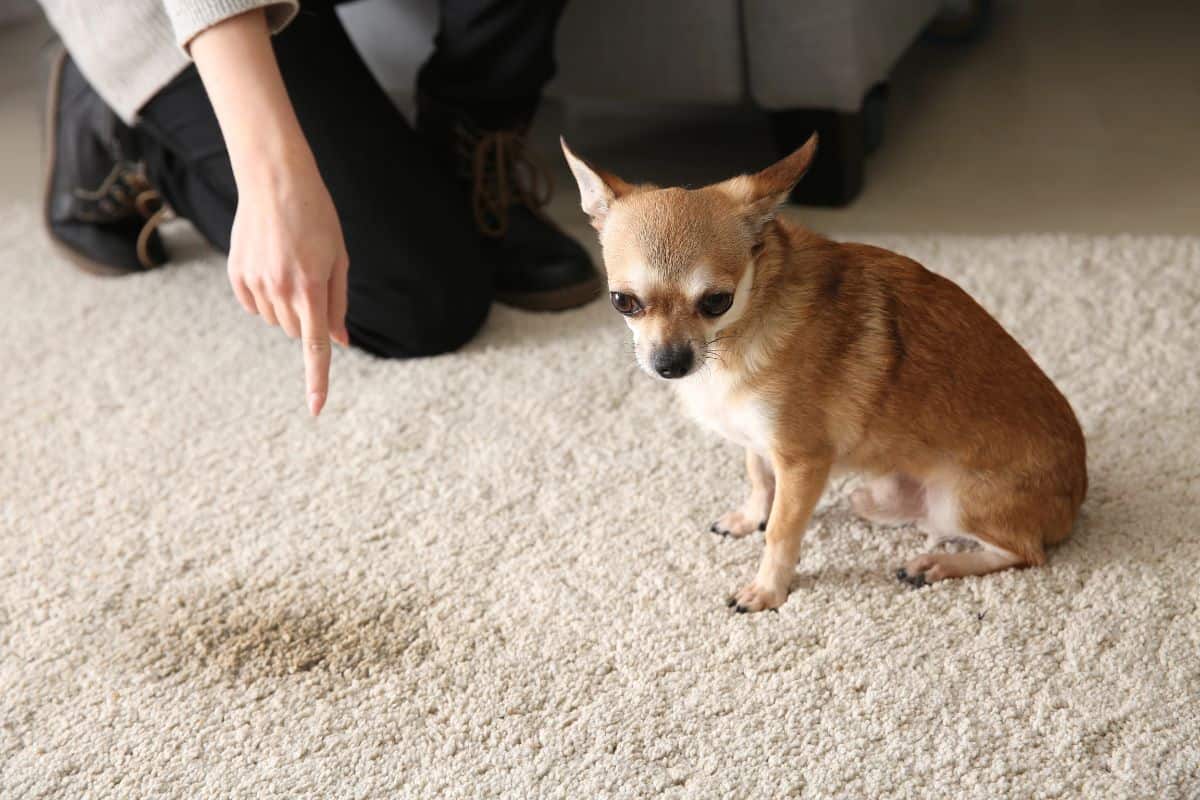
One of the most important steps in stopping dog peeing indoors is proper cleaning. Regular soap or even vinegar won’t fully remove the dog urine smell that dogs can still detect.
An enzymatic cleaner works by breaking down what’s left behind in dog urine, helping eliminate the smell that makes dogs want to pee there again.
I’ve noticed that once the urine smell is truly gone, repeat accidents in the same areas often stop.
Natural Dog Repellent for Problem Spots
If your dog keeps returning to the same corner or rug, a natural dog repellent can help.
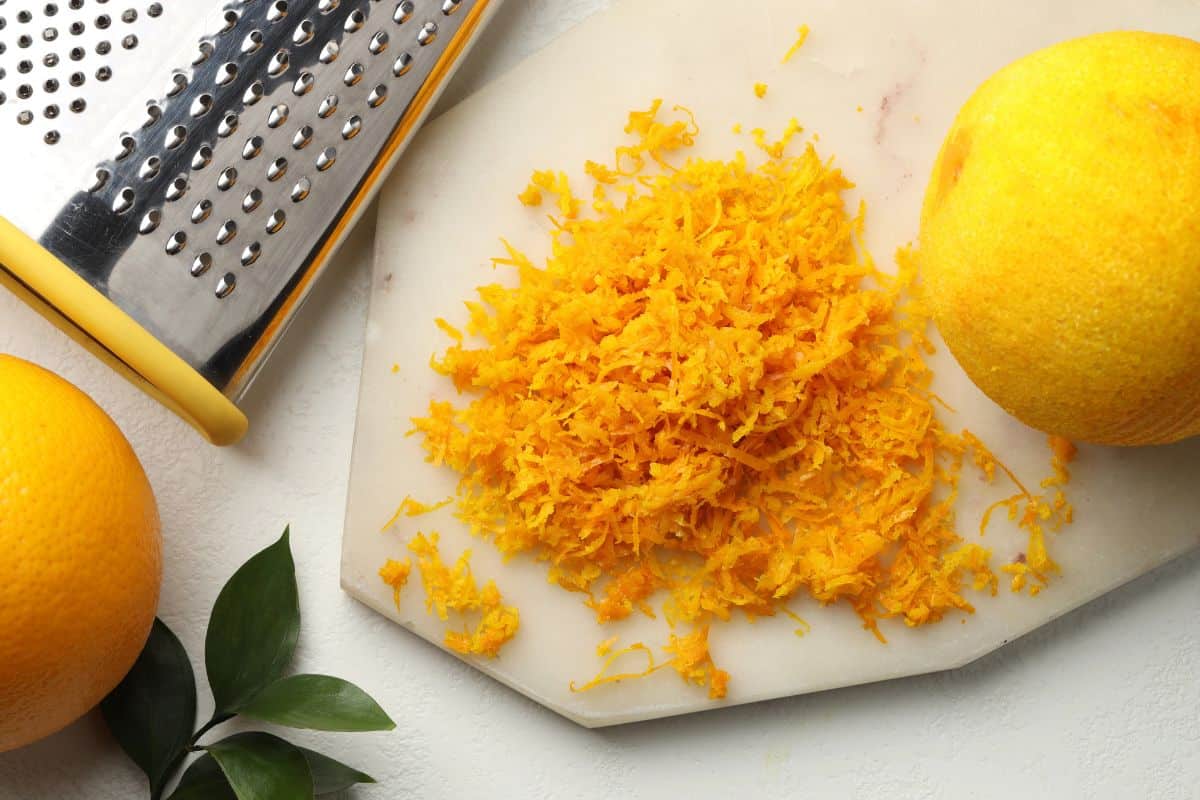
You can make a simple homemade dog repellent using:
- Vinegar
- Citrus peels
- Water
Put the mixture into a spray bottle and lightly spray the areas your dog keeps going back to. The scent helps make those spots less appealing.
This is a gentle, natural way to discourage marking or repeated peeing.
Positive Reinforcement Works Best
When it comes to training, nothing beats positive reinforcement. Every time your dog goes outside to pee, reward them with praise, treats, or play.
I love how this builds confidence and trust. Instead of fearing mistakes, your dog learns exactly what you want them to do.
Avoid punishment for accidents, as it can increase anxiety and lead to more peeing inside.
Stick to a Potty Schedule
A predictable routine is one of the easiest ways to stop dog accidents. Take your dog out:
- First thing in the morning
- After meals
- After naps
- Before bed
This helps regulate their urine and builds strong potty training habits. I’ve noticed that dogs thrive when they know what to expect.
Manage Marking and Stress
Some dogs don’t just pee; they mark. This is more common in unneutered males or when a new dog enters the home.
To reduce marking:
- Clean with an enzymatic cleaner
- Use a natural dog repellent spray
- Limit access to problem areas
- Provide calm routines to lower anxiety
A relaxed dog is less likely to leave little “messages” around the house.
Dealing With Pet Odor
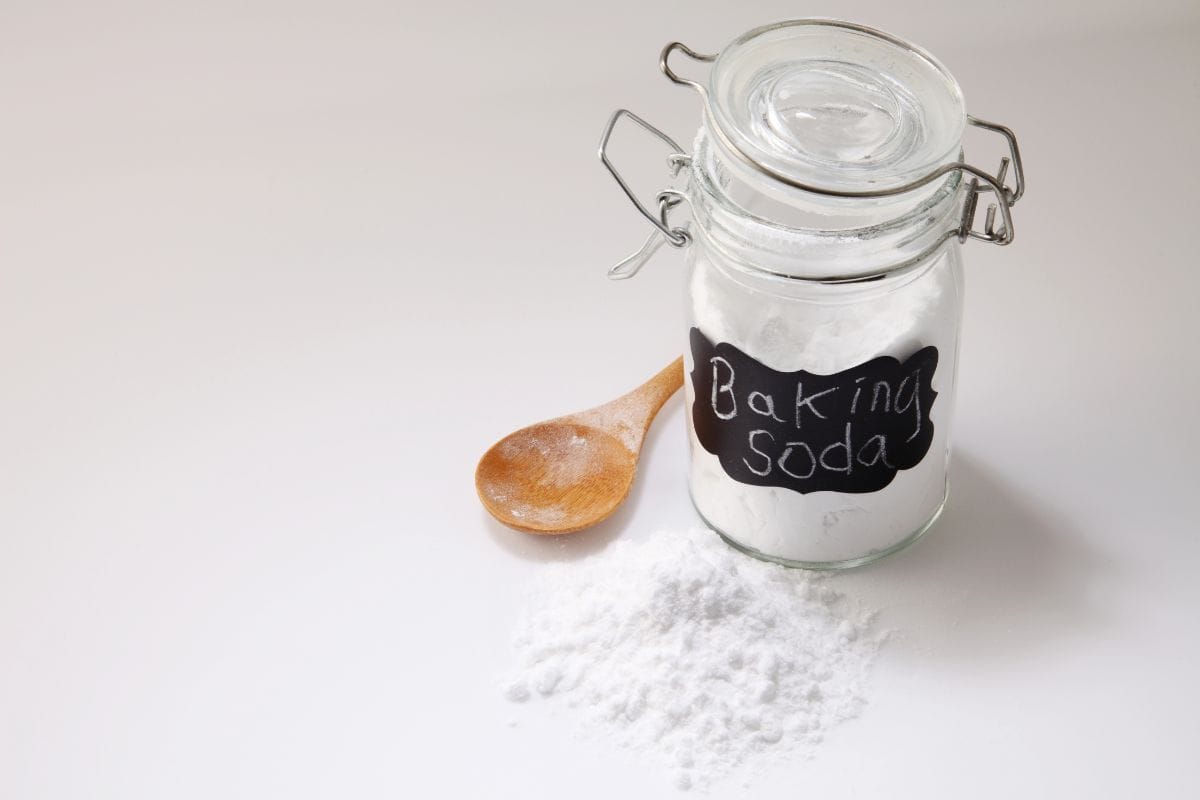
Persistent pet odor can linger even after cleaning. Along with enzymatic products, opening windows, using baking soda on carpets, and washing pet bedding help keep the smell fresh.
I’ve noticed that a fresh-smelling home makes everyone, humans and animals, feel calmer and happier.
When to Consider Extra Help
If you’ve tried everything and your dog still has frequent accidents, a professional trainer or behaviorist can help. Sometimes training needs a little extra guidance, especially with long-standing habits or deep-rooted anxiety.
Final Thoughts
Finding a natural way to stop a dog from peeing in the house takes patience, but it’s absolutely possible. With proper cleaning, positive reinforcement, gentle repellents, and a consistent routine, most dogs can learn better habits over time.
I love how small adjustments, like using the right spray, setting a clearer schedule, or offering more reassurance, can lead to real, lasting change. A fresh, clean home and a confident, happy dog go hand in hand, and when you finally stop stepping on damp carpet, you’ll know all that effort was worth it.🐾
FAQ
Dogs may pee inside due to anxiety, incomplete potty training, marking, or medical issues like a urinary tract infection.
Vinegar removes odors but does not fully eliminate the scent of dog urine. An enzymatic cleaner is most effective at preventing repeat accidents.
Citrus-based sprays and vinegar mixtures are safe, natural ways to discourage dogs from peeing in certain areas.
No. Punishment increases anxiety and can cause more accidents. Positive reinforcement is the most effective solution.
With consistent cleaning and training, most dogs improve within 1–3 weeks.



Leave a Reply