
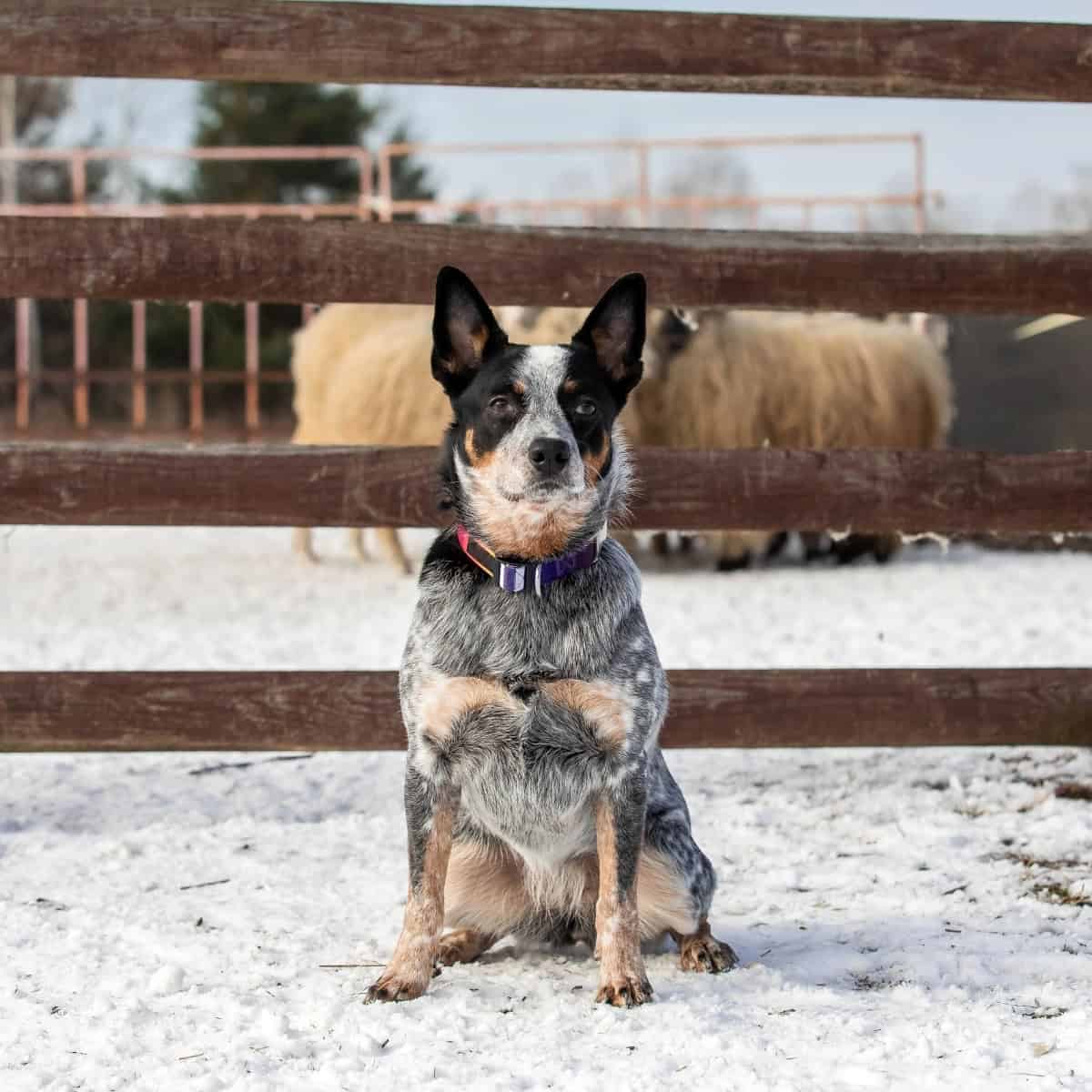
A cattle dog Chihuahua mix combines two very different breeds in one small-to-medium package. The Australian Cattle Dog is known for being athletic, alert, and highly driven, while the Chihuahua is tiny, devoted, and often surprisingly bold. When these personalities meet, the result can be an energetic, clever companion with plenty of character.
Jump to:
- What Is a Cattle Dog Chihuahua Mix?
- Cattle Dog Chihuahua Mix Size and Appearance
- Australian Cattle Dog Chihuahua Mix Temperament
- Exercise and Mental Stimulation for a Chihuahua Heeler Mix
- Training a Blue Heeler Chihuahua Mix
- Grooming and Everyday Care
- Feeding a Chihuahua and Blue Heeler Mix
- Blue Heeler Chihuahua Mix Lifespan and Health
- Finding a Blue Heeler Chihuahua Mix for Adoption
- Is a Cattle Dog Chihuahua Mix Right for You?
- Final Thoughts
- FAQ
- You May Also Like
You may also hear this mix called an Australian Cattle Dog Chihuahua mix, blue heeler Chihuahua mix, or simply a Chihuahua heeler mix. Because mixed-breed dogs can inherit traits from either parent in different amounts, there isn't one exact appearance, size, or personality you can expect.
I've noticed that this unpredictability is part of what makes mixed breeds so interesting. Still, understanding both parent breeds can give you a much clearer idea of what life with a cattle dog and Chihuahua mix might look like.
What Is a Cattle Dog Chihuahua Mix?
A cattle dog Chihuahua mix is a cross between an Australian Cattle Dog and a Chihuahua. Australian Cattle Dogs are also commonly called blue heelers or red heelers depending on their coloring, which explains names such as blue heeler cross Chihuahua, red heeler Chihuahua mix, and Chihuahua blue heeler mix.
This is an unusual pairing because the parent breeds are so different in size. As a result, these dogs aren't as predictable as an established breed with a detailed breed standard.
One puppy might strongly resemble a compact Australian Cattle Dog, while another could have the finer features and smaller frame of a Chihuahua. Coat colors, ear shape, body proportions, and temperament can all vary, even among puppies from the same litter.
Cattle Dog Chihuahua Mix Size and Appearance
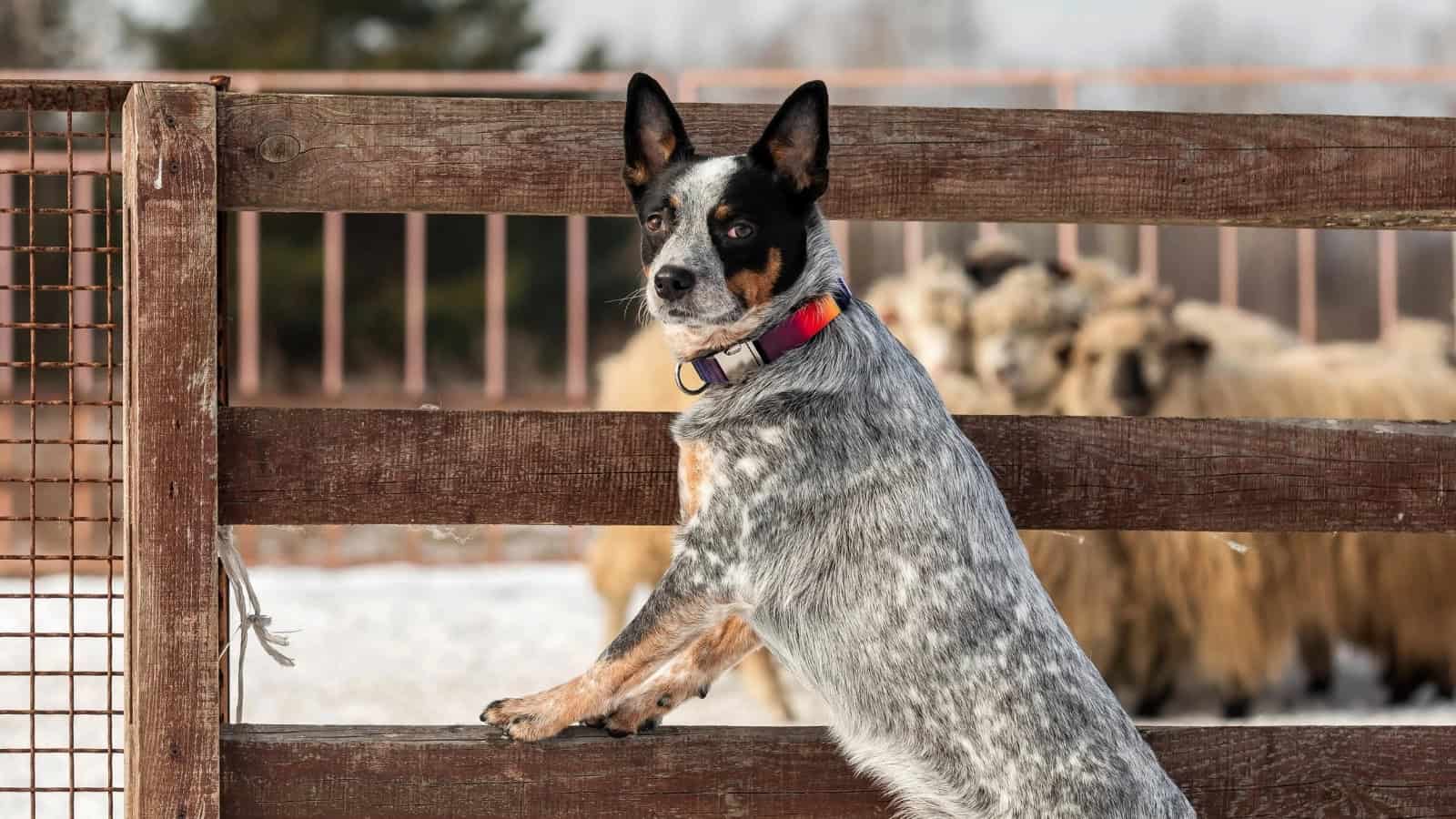
One of the biggest questions owners have is about Australian Cattle Dog Chihuahua mix size. There's no single answer because the parents sit at very different ends of the size spectrum.
A Chihuahua is a toy breed, while an Australian Cattle Dog is a sturdy, medium-sized working dog. A Blue Heeler Chihuahua mix, full-grown, will generally fall somewhere between its parents, but genetics don't always produce a neat halfway point.
The parents' size can therefore be more useful than relying on a general estimate. If you're considering a puppy, ask about both parents and, when possible, their adult weights and builds.
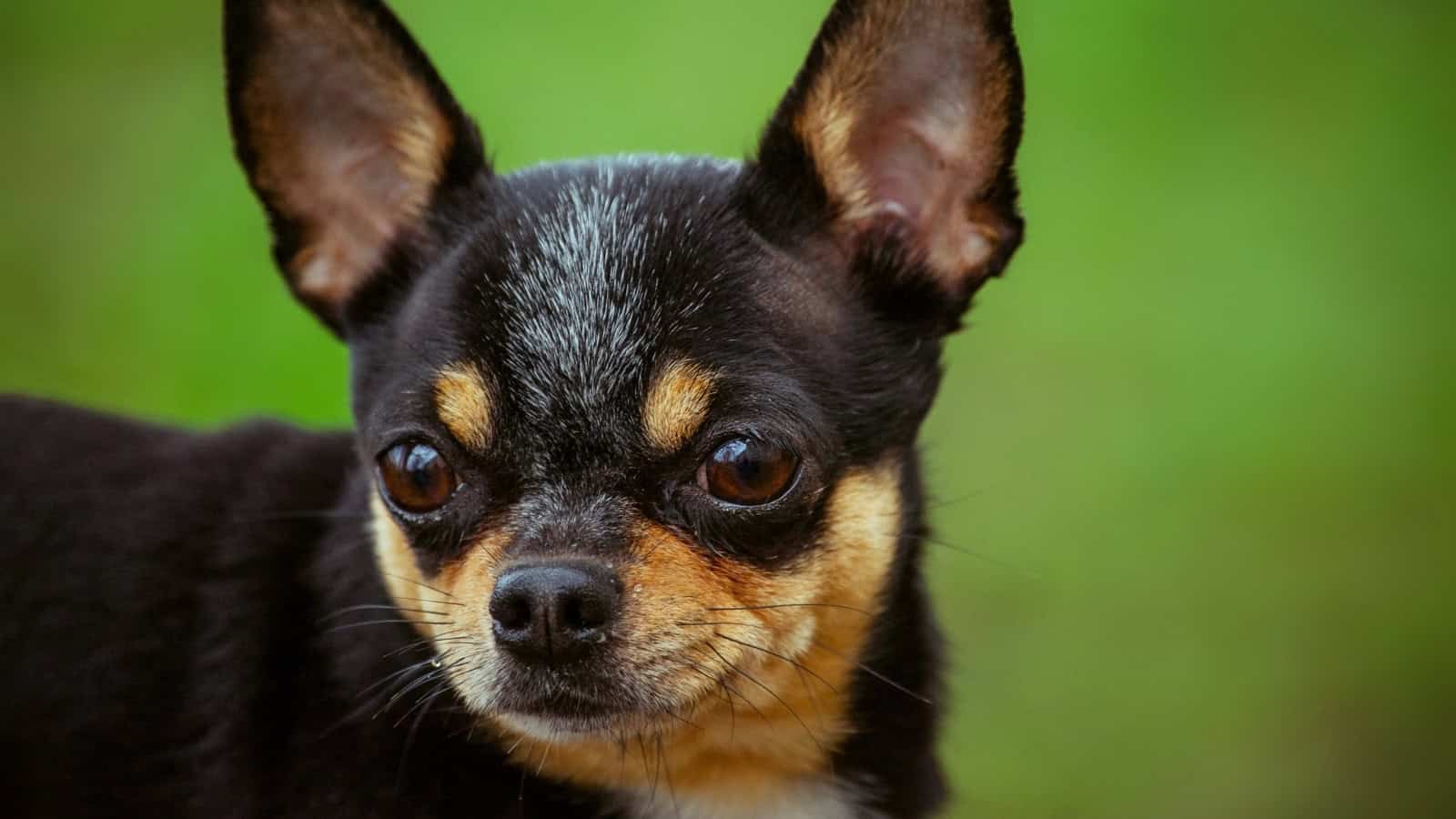
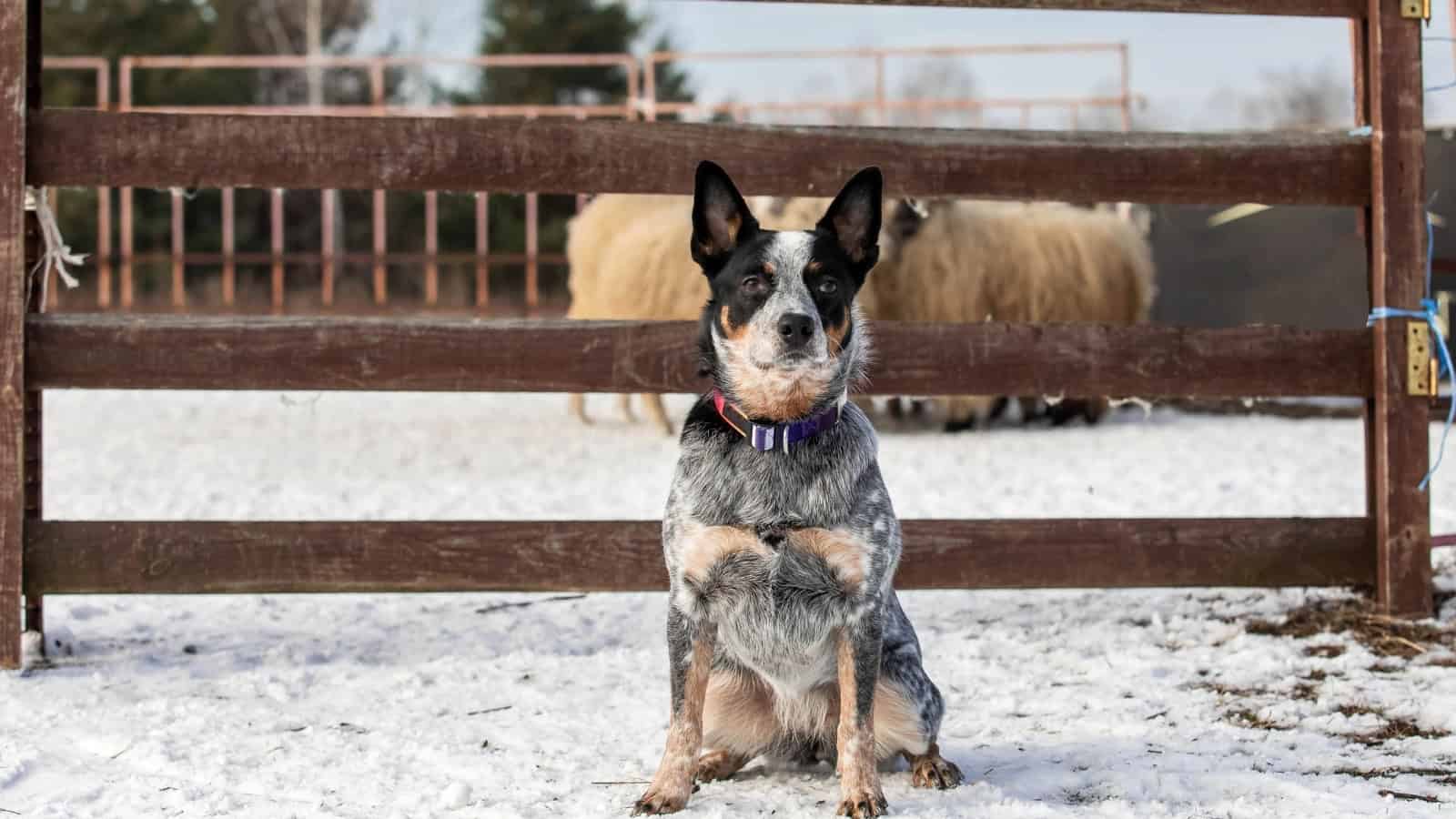
Appearance is equally variable. A Chihuahua and cattle dog mix may have upright ears, an alert expression, and a compact but athletic body. Coats can be short or slightly fuller, and colors may include white, black, tan, brown, red, blue-gray, or combinations and speckled patterns associated with cattle dogs.
I love how difficult these mixes can be to describe at a glance. Some look like miniature heelers, while others clearly show much more Chihuahua influence.
Australian Cattle Dog Chihuahua Mix Temperament
Both parent breeds can be incredibly devoted to their people, so a Chihuahua Australian Cattle Dog mix may form strong attachments to its family.
Australian Cattle Dogs were developed to work and are typically intelligent, energetic, and observant. Chihuahuas are companion dogs, but their small size shouldn't be mistaken for a lack of confidence. Many are lively, watchful, and deeply interested in whatever their favorite person is doing.
A cattle dog Chihuahua mix may therefore be bright, affectionate, energetic, and alert. Some can be cautious around unfamiliar people or situations, particularly when they lack plenty of positive early experiences.
There can also be herding tendencies inherited from the cattle dog side. A dog might become interested in chasing movement or attempting to control where people or other animals go. Not every mix will display these behaviors, but they're worth understanding before bringing one home.
Exercise and Mental Stimulation for a Chihuahua Heeler Mix
Don't assume that a smaller dog automatically means a low-energy dog. A heeler Chihuahua mix can inherit considerable drive from its Australian Cattle Dog parent.
Daily walks are helpful, but mental exercise can be just as important. Short training sessions, sniffing games, food puzzles, and opportunities to explore safely can give an intelligent dog something productive to do.
The amount of exercise should fit the individual dog's age, size, fitness, and personality. An Australian Cattle Dog Chihuahua mix puppy, for example, has different exercise needs than a healthy adult.
Pay attention to the dog in front of you rather than trying to match a fixed exercise target. A smaller Chihuahua cattle dog mix may tire sooner than a larger, cattle-dog-like sibling.
Training a Blue Heeler Chihuahua Mix
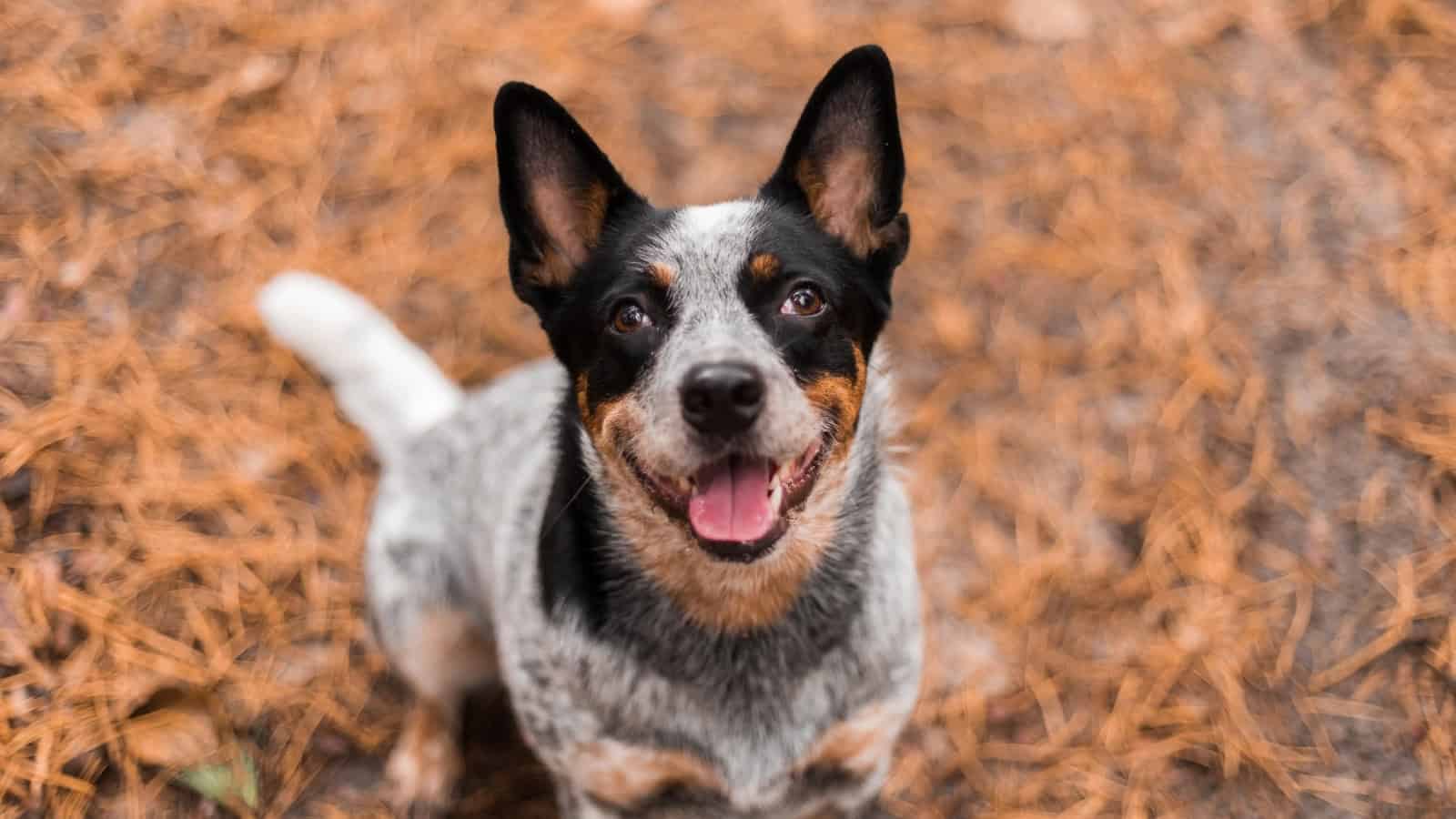
Training can be especially rewarding with this mix because both parent breeds can be attentive and quick to learn.
Keep sessions positive, clear, and relatively short. Rewarding the behaviors you want with treats, toys, praise, or another reward your dog enjoys can make learning feel worthwhile.
Early socialization also matters. Calm, positive exposure to different people, friendly dogs, household sounds, surfaces, handling, and everyday environments can help a puppy learn that new experiences don't have to be intimidating.
Avoid overwhelming a puppy in the name of socialization. Quality matters more than quantity. A few comfortable experiences can be much more useful than forcing a nervous puppy into a busy situation.
Recall and leash skills deserve particular attention because a blue heeler mixed with Chihuahua may be curious, quick, and interested in chasing movement.
Grooming and Everyday Care
Grooming needs will depend largely on the coat your dog inherits. Many cattle dog Chihuahua mixes have relatively manageable coats that benefit from regular brushing to remove loose hair and keep the skin and coat comfortable.
Shedding can still be noticeable, particularly if the dog inherits the Australian Cattle Dog's coat. Dogs with thicker undercoats may shed more heavily at certain times of year.
Routine care should also include nail trims, dental care, and occasional checks of the ears, paws, skin, and coat. Getting puppies comfortable with gentle handling early can make these everyday tasks much easier later.
Dental care is particularly important to discuss with your veterinarian because smaller dogs can have different dental needs than larger dogs.
Feeding a Chihuahua and Blue Heeler Mix
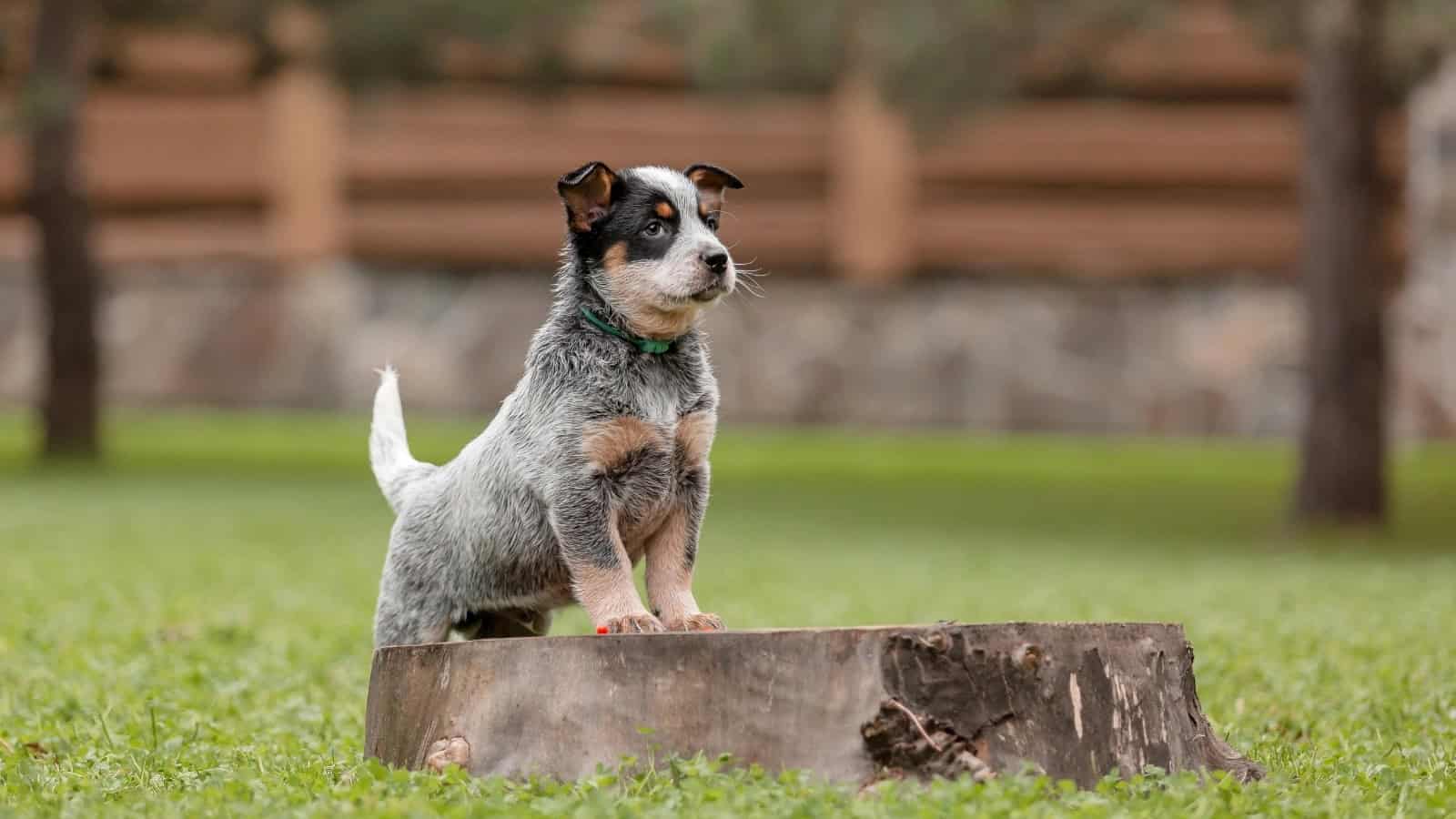
Choose a complete and balanced dog food appropriate for your dog's life stage and individual needs. Portion size should be based on the actual dog rather than assumptions about the mix.
This is particularly important when two parent breeds differ significantly in size. A small Chihuahua cattle dog mix and a larger, highly active dog from the same type of cross may have very different calorie needs.
Treats are useful for training, but they still contribute to daily calorie intake. Your veterinarian can help you determine an appropriate diet and body condition if you're uncertain about how much your dog should eat.
Blue Heeler Chihuahua Mix Lifespan and Health
It's difficult to predict an exact lifespan for a Blue Heeler Chihuahua mix because mixed-breed dogs vary considerably. Genetics, preventive veterinary care, nutrition, exercise, environment, and individual health all play a role in longevity.
Rather than assuming that crossing two breeds automatically prevents health concerns, it's better to learn about health issues seen in both parent breeds.
If you're considering an Australian Cattle Dog Chihuahua mix puppy from a breeder, ask about the health and temperament of both parents and what health screening has been performed. For an adopted adult dog, a veterinary examination can help establish a useful baseline for future care.
Contact your veterinarian whenever your dog develops symptoms that are severe, persistent, worsening, or that cause you concern.
Finding a Blue Heeler Chihuahua Mix for Adoption
If you're searching for a blue heeler Chihuahua mix for adoption, shelters and rescue organizations are good places to start. Because mixed breeds aren't always labeled consistently, search for several descriptions rather than relying on a single breed name.
For example, the same dog could be listed as an Australian Cattle Dog mix, a Chihuahua mix, a heeler mix, or a cattle dog mix.
If you're searching for an Australian Cattle Dog Chihuahua mix puppy for sale, take your time evaluating the breeder. Responsible breeding should prioritize the health, temperament, and welfare of the dogs rather than simply producing an unusual mix. Be cautious of sellers who can't provide useful information about the parents, living conditions, or veterinary care.
Is a Cattle Dog Chihuahua Mix Right for You?
The right home for this mix depends much more on the individual dog than the label attached to it.
A blue heeler and Chihuahua mix may suit someone who enjoys training, interactive play, walks, and having an alert little companion involved in everyday life. A household expecting a consistently quiet lap dog may be surprised if the puppy inherits the cattle dog's energy and working instincts.
Families with children or other pets should consider the temperament, size, social history, and behavior of the individual dog. Supervision and respectful interactions are especially important when a smaller dog is involved.
Final Thoughts
A cattle dog Chihuahua mix can be an intelligent, lively, affectionate companion with traits drawn from two very different breeds. Some dogs lean heavily toward the Australian Cattle Dog side, while others look and behave much more like a Chihuahua.
That's why getting to know the individual dog matters more than expecting a particular personality based on the mix alone.
With positive training, appropriate exercise, regular veterinary care, good nutrition, and plenty of opportunities to use that clever brain, a Chihuahua and blue heeler mix can become a wonderfully engaging member of the family.
FAQ
Adult size varies because Australian Cattle Dogs and Chihuahuas differ significantly in size. Looking at the size and build of both parents can provide a better clue, although it still can't guarantee exactly how large a puppy will become.
It can be. Temperament varies between individual dogs, and some may inherit high energy, herding behaviors, or cautiousness around unfamiliar people. Positive training, socialization, appropriate exercise, and supervised interactions can help create a comfortable family environment.
Some can be quite energetic, especially when they inherit the Australian Cattle Dog's drive. Others may have more moderate exercise needs. Daily physical activity, combined with training, sniffing, and other forms of mental enrichment, is a good starting point.
Appearance varies widely. A red heeler and Chihuahua mix might inherit reddish or speckled coloring from the cattle dog side along with upright ears or a smaller frame influenced by the Chihuahua. There's no standard appearance for this cross.
They can be enthusiastic learners, particularly when training is positive and rewarding. Consistency is helpful, and short sessions often work well. Because individual temperament varies, some dogs may require more patience with distractions, unfamiliar situations, or impulse control.


Leave a Reply