
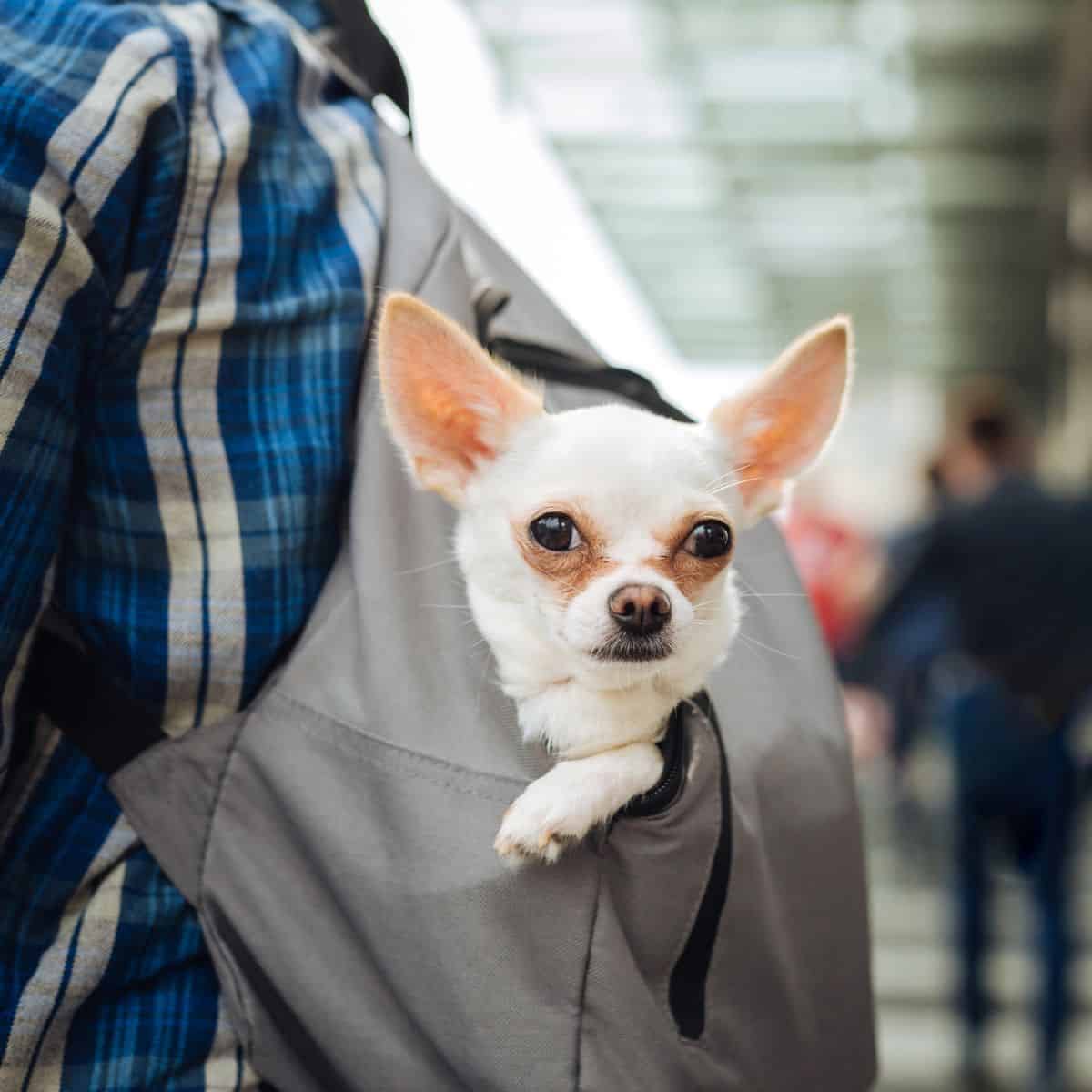
Finding the right dog backpack carrier feels a little like finding that one trusty tote you reach for every day, the one that just works. I love how a good carrier can turn a “maybe we should head home” moment into “let’s keep going,” especially when you’ve got a tired small dog who still wants to be part of the adventure.
Jump to:
- Why Dog Parents Love Dog Backpack Carriers
- What to Look For in a Backpack Carrier
- Picking the Right Size for Your Dog
- Comfort Features That Make a Big Difference
- Style, Colors, and Real-Life Practicality
- Popular Picks Dog Parents Mention Often
- Shopping Tips: Price, Deals, and Checkout Details
- Using a Dog Backpack Carrier in Everyday Life
- Final Thoughts
- FAQ
- YOU MAY ALSO LIKE
I’ve noticed that once dog parents try dog carrier backpacks, it’s hard to go back to juggling leashes, bags, and a squirmy pup in your arms. A cozy pet carrier backpack gives you freedom, keeps your dog close, and makes everyday life, walks, errands, and quick trips feel smoother and more fun.
Whether you’re in a busy city or a quiet neighborhood, a well-made backpack carrier can make the difference between staying home and enjoying your day out.
Why Dog Parents Love Dog Backpack Carriers
A great dog carrier isn’t only about convenience, it’s about comfort and connection. I love how dogs often settle in when they’re snug against you, like they can borrow your calm. And from the human side, having your hands free is priceless. Carrier backpacks distribute weight better than hand-held carriers, and that matters if you’re walking longer distances or navigating crowds.
I’ve seen that dog backpacks tend to fall into two categories: quick, everyday options (great for errands and short trips) and sturdier packs designed for real travel or hikes. Either way, a solid carrier backpack makes outings feel less stressful and more “we’ve got this.”
What to Look For in a Backpack Carrier
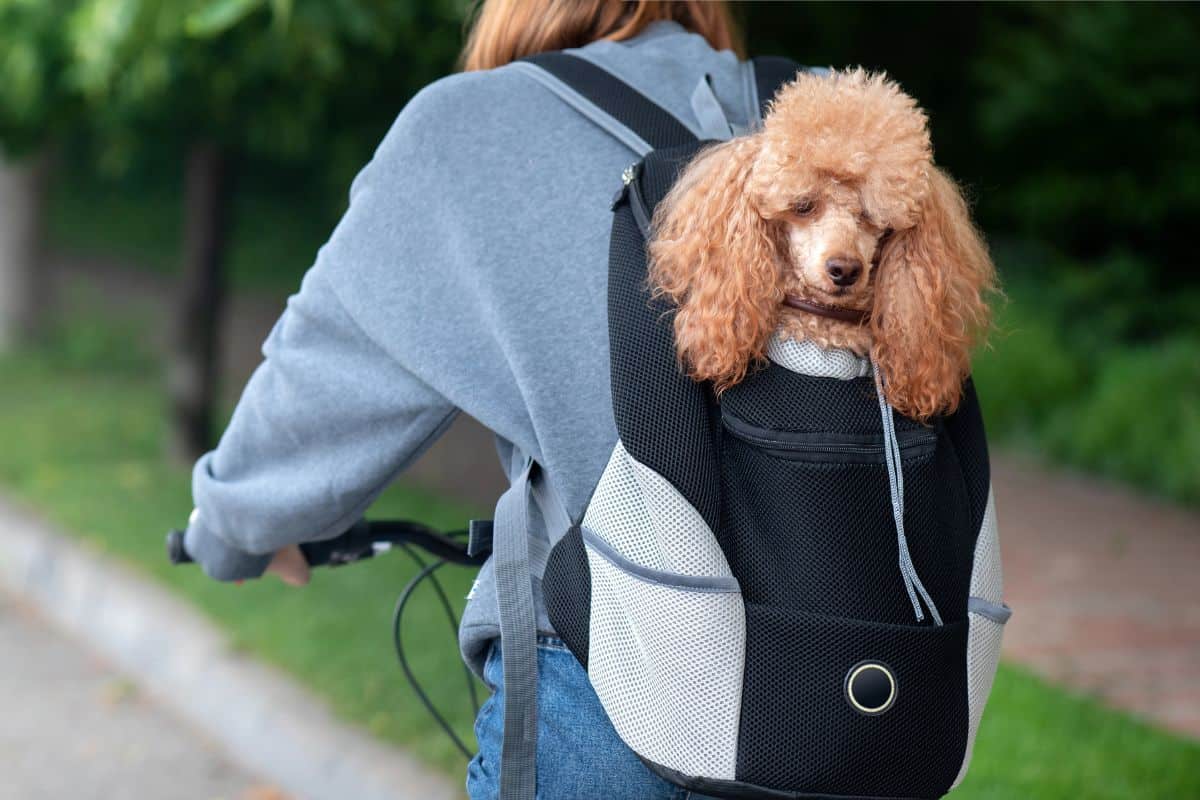
When you’re comparing carrier backpacks, focus on comfort first. A supportive hip belt can be a game-changer, especially if your dog is on the heavier side of “small.” The belt helps shift the load off your shoulders, so your back doesn’t feel wrecked after 20 minutes. Look for padded straps, breathable panels, and a structured base that keeps your dog stable instead of slumping.
Ventilation matters too. Your dog should have airflow and enough space to adjust its position. I’ve seen many owners overlook this step and focus only on style. But a comfortable dog is a calm dog, and a calm dog makes the whole experience better.
Picking the Right Size for Your Dog
Sizing is where people often get tripped up. A small dog may still need a roomy interior, depending on body shape, coat, and how they prefer to sit. For a large dog, most standard dog backpack designs won’t work safely, even if the listing makes it look possible. Always check weight limits and interior measurements, then compare them to your dog’s actual size, not just their “typical breed weight.”
If you’re new to this, an entry-level pet model can be a good starting point for short outings. But if you already know you’ll use this often, it’s worth choosing a sturdier pack with more support so it holds up long-term.
Comfort Features That Make a Big Difference
A few design details separate “fine” from “I’m so glad I bought this.” I love how the best carrier backpacks include adjustable strap systems so you can dial in fit for your height and build. A good hip belt helps with posture, and a stable bottom keeps your dog from sliding.
Also, pay attention to how easy it is to load your dog. Some carriers open from the top, others from the side. If your dog is wiggly, a side entry can help them feel calmer. If your dog is relaxed and easygoing, top loading can be quick and convenient.

Style, Colors, and Real-Life Practicality
Let’s be honest, style matters. I love how modern backpacks don’t look like clunky pet gear anymore. You’ll see sleek designs in black, neutral gray, soft light gray, and even cheerful blue. If you’re someone who likes your gear to match your vibe, you’ve got options.
But real-life practicality matters more than color. Lighter colors, such as light gray, show dirt more quickly, while black tends to hide scuffs and everyday wear. Gray sits right in the middle and often looks clean and modern. If you’re choosing between “cute” and “easy to wipe down,” I’d pick easy-to-clean every time.
Popular Picks Dog Parents Mention Often
A few names pop up repeatedly in reviews, and Sport Sack is one you’ll see frequently when people talk about active lifestyles and hiking-friendly fits. Some dog parents love structured carriers that feel like real hiking packs, while others prefer simpler carrier backpacks that feel light and minimal.
I’ve noticed the “best” choice depends on how you’ll use it. If your dog only rides occasionally, you may not need the most rugged design. If your dog rides often, you’ll appreciate better support, sturdier materials, and smart storage pockets.

Shopping Tips: Price, Deals, and Checkout Details
When it’s time to shop, approach it as if you’re buying a pair of shoes you’ll wear constantly. Compare the regular price across a few listings, then watch for a sale price that actually looks like a real discount. Sometimes the “deal” is just marketing, so it’s worth taking a second look.
If you’re browsing online, I recommend reviewing the size chart, weight limit, and return policy before adding items to your cart. The right carrier should feel like an upgrade, not a gamble. And yes, small things like free shipping can make a difference, especially when comparing similar options.
Checkout can be smoother when stores offer multiple payment options, including cards and digital wallets. You may see options like Apple Pay, American Express, or Amazon American Express at checkout. If a page feels laggy or buttons don’t respond, a quick full-page refresh often resolves temporary checkout glitches.
Using a Dog Backpack Carrier in Everyday Life
Once you find the right dog backpack carrier, it becomes part of your routine faster than you’d expect. I love how it makes “quick errands” possible without turning them into a big production. Your dog can come along comfortably, and you can move through your day without constantly managing a leash and a tired pup.
For travel, a good backpack carrier can also be a lifesaver. Airports, busy sidewalks, and crowded places can be overwhelming. Keeping your dog safe and contained in a pet carrier gives you both a little extra peace of mind. And for dogs that get anxious, staying close to you can feel reassuring in a way a stroller or crate sometimes doesn’t.

Final Thoughts
Finding a good dog backpack carrier comes down to what works for your daily routine. When the fit is right, it keeps your dog close and comfortable whether you’re on a coffee run, a long walk, or a short trip. With so many thoughtful designs available, it’s easier than ever to choose one that suits you both.
If you’re comparing options, remember this: the best dog backpack carrier is the one you’ll actually use. When it fits well, feels supportive, and keeps your pup calm and cozy, it stops being gear and becomes an easy part of everyday life.

FAQ
For a small dog, the best dog backpack carrier is one that matches your dog’s weight and body length, not just their breed. Always check the brand’s sizing chart and interior measurements, then compare them to your dog’s back length and current weight so your pup can sit comfortably without being cramped.
Most dog carrier backpacks are designed for small to medium dogs, and weight limits vary by brand and model. Look for a carrier that supports your dog’s weight with a little breathing room, and prioritize structured designs with a supportive hip belt if your pup is on the heavier side.
If you plan to wear your backpack carrier for more than a quick trip, a hip belt helps a lot. It shifts the load from your shoulders to your hips, which feels more stable and comfortable, especially if you’ll be walking, sightseeing, or traveling.
A pet carrier backpack can be safe for puppies if the carrier fits properly and keeps them secure. Choose one with a sturdy base and a safety clip, and keep your trips short at first. I’ve seen puppies do best when they can settle in and feel supported, rather than sliding around in the carrier.
Some carriers are flight-friendly, but airline size rules vary. Always check the current requirements and compare them to the carrier’s dimensions.
An entry pet carrier is usually simpler and more budget-friendly, great for short errands and casual use. Premium carrier backpacks typically offer better padding, stronger support, and more durable materials, making them a good choice if you’ll use it frequently or for longer outings.
Most carriers don’t need deep cleaning. Light spot care is usually enough, and washable liners make upkeep easier. Color can matter too; darker tones often hide marks better than lighter ones.




Leave a Reply