
If you’ve ever fallen down a dachshund rabbit hole (I definitely have), you’ve probably seen people debating toy dachshund vs. miniature dachshund and wondered if there’s actually a real difference. I remember scrolling through photos, thinking, They’re all tiny. How much smaller can one really be?

Jump to:
- Understanding Dachshund Sizes
- Toy Dachshund vs. Miniature Dachshund: Size Differences
- Temperament and Personality
- Training and Everyday Behavior
- Health Considerations
- Coat Type and Grooming Needs
- Living at Home: Space and Lifestyle
- Cost, Care, and Long-Term Commitment
- Which One Is Best for You?
- Final Thoughts
- FAQ
- YOU MAY ALSO LIKE
Dachshunds have a way of pulling people in with their long bodies, expressive eyes, and surprisingly big personalities. Whether you’re a first-time dog owner or already a lifelong dachshund fan, choosing between a toy dachshund and a miniature dachshund can feel confusing. The names are often used interchangeably, which doesn’t help.
This guide breaks things down in a calm, honest way, looking at size, temperament, health, care, and everyday life at home, so you can decide which one truly fits your lifestyle.
Understanding Dachshund Sizes
Before comparing toy dachshunds and miniature dachshunds, it helps to understand how dachshunds are officially categorized.
The recognized sizes are standard dachshund and miniature dachshund. A standard dachshund usually weighs between 16 and 32 pounds, while miniature dachshunds typically weigh under 11 pounds as adults.
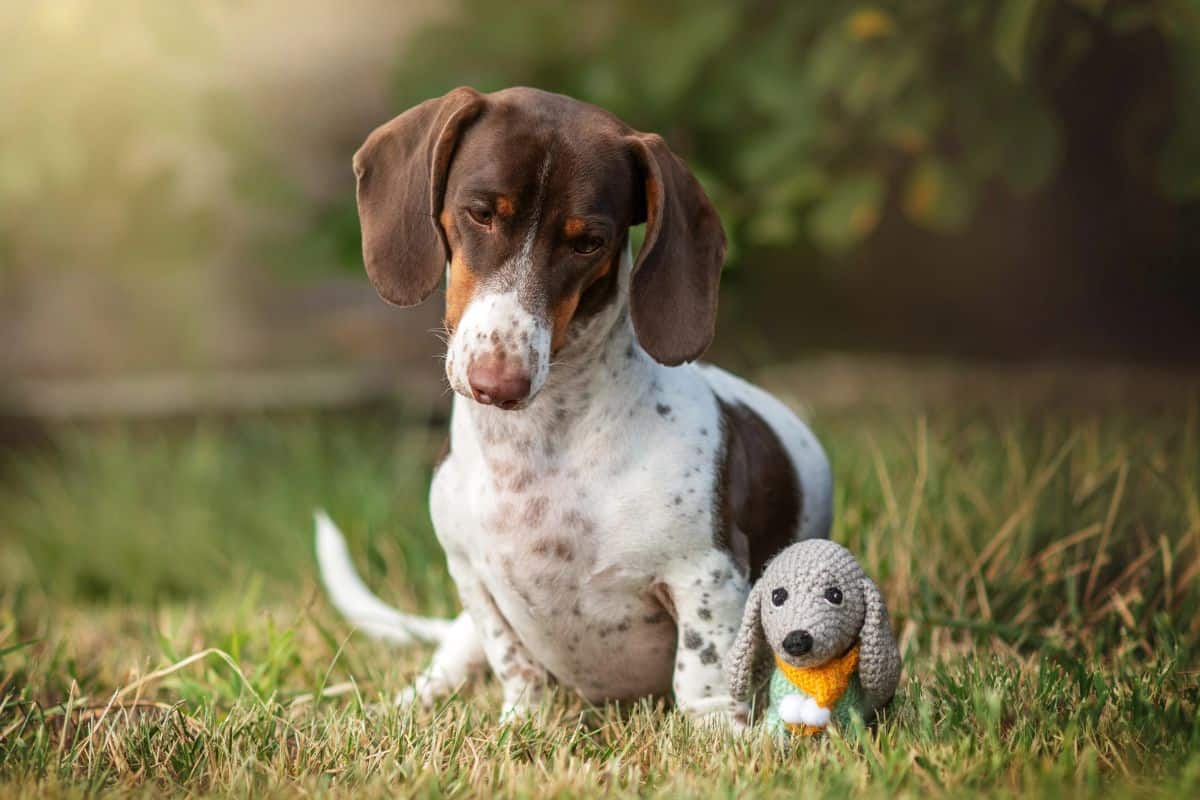
A toy dachshund isn’t an officially recognized size. Instead, it’s a term breeders and owners use to describe especially small miniature dachshunds. I’ve noticed that many people use “toy” simply because it sounds cuter, or because the puppy is extra tiny.
So, when comparing toy dachshund vs. miniature dachshund, you’re really looking at smaller minis versus standard minis.

Toy Dachshund vs. Miniature Dachshund: Size Differences
Size is usually the first thing people care about.
A miniature dachshund typically weighs between 8 and 11 pounds and stands around 5 to 7 inches tall at the shoulder. They’re small but sturdy, with that classic dachshund build.
A toy dachshund, on the other hand, often weighs between 5 and 7 pounds. Some are even smaller. I’ve noticed these dogs tend to feel more delicate when you pick them up, especially as puppies.
That size difference may not sound huge on paper, but in real life, it affects everything—from how easily they’re injured to how confident they are around larger dogs.

Temperament and Personality
No matter the size, dachshunds are known for their bold personalities. These dogs were bred to hunt, and that bravery didn’t disappear just because they got smaller.
Miniature dachshunds tend to be confident, curious, and surprisingly stubborn. They love being close to their owners and often follow them from room to room. I love how they act like tiny shadows, always wanting to be involved.
Toy dachshunds often share the same personality traits, but I’ve noticed they can be a bit more sensitive. Because they’re smaller, they may be more cautious around loud noises, big dogs, or rough play.
Both sizes are affectionate, loyal, and deeply attached to their people. Neither is a “hands-off” dog—they want connection, comfort, and attention.

Training and Everyday Behavior
Training a dachshund can feel like a mix of small wins and head-scratching moments. They’re clearly smart, but they also like to do things their own way—and they’re not shy about showing it.
Mini dachshunds often handle training a bit better simply because they’re sturdier and more confident. They respond well to positive reinforcement, short sessions, and lots of patience.
Toy dachshunds can absolutely be trained, but consistency is even more important. I’ve noticed that owners sometimes baby them too much, which can lead to bad habits. Just because a dog is tiny doesn’t mean training should be skipped.
House training, in particular, can take time for both sizes. Their small bladders and stubborn streak mean routines really matter.
Health Considerations
Health is a big part of the toy dachshund vs. miniature dachshund discussion.
All dachshunds are prone to back issues due to their long spine, especially intervertebral disc disease. Maintaining a healthy weight and limiting jumping is crucial.
Toy dachshunds may face additional health concerns simply because of their smaller size. Fragile bones, dental issues, and low blood sugar can be more common. I’ve noticed that these dogs often require extra monitoring, especially as puppies.
Miniature dachshunds are generally more resilient, though they still need careful handling and proper care.
No matter the size, choosing a responsible breeder and focusing on long-term health over extreme smallness makes a huge difference.
Coat Type and Grooming Needs
Dachshunds come in three main coat types: smooth, long-haired, and wire-haired.
Coat type matters more than size when it comes to grooming. A smooth-coated dachshund is fairly low maintenance, while long-haired and wire-haired dogs require more regular brushing.
Toy dachshunds and miniature dachshunds can have any of these coat types. I’ve noticed that longer coats can make a tiny dog look even smaller, which is probably why people fall in love so fast.
Regular grooming, nail trims, and dental care are part of life with either size. It’s just one of those routines that keeps them comfortable, healthy, and feeling their best.
Living at Home: Space and Lifestyle
One reason dachshunds are so popular is how well they adapt to different homes.
Both toy dachshunds and miniature dachshunds do well in apartments, condos, and smaller homes. They don’t need a huge yard, but they do need daily activity and mental stimulation.
Toy dachshunds may be better suited for quieter households without young children, simply because they’re more fragile. Mini dachshunds tend to handle busy homes a bit better.
I’ve noticed that both sizes thrive when they feel included—curling up on the couch, following their owners around, and settling into familiar routines.
Cost, Care, and Long-Term Commitment
Smaller dogs don’t always mean lower costs.
Toy dachshunds can sometimes cost more upfront because of their size and demand. Vet care, special diets, and protective gear like ramps or stairs can add up.
Miniature dachshunds are often a bit more affordable in the long run, though both sizes require consistent care, quality food, and regular vet visits.
Shopping for supplies like harnesses, beds, and crates can also be trickier for toy dachshunds due to their extra-small size.

Which One Is Best for You?
So, toy dachshund vs. miniature dachshund, how do you choose?
If you want a slightly sturdier dog that still fits comfortably in a small home, a miniature dachshund is often the better choice. They’re adaptable, confident, and a bit more forgiving.
If you’re drawn to the tiniest version and have a calm home environment, a toy dachshund can be a wonderful companion—but they do require extra care and attention.
I’ve noticed that the happiest owners are the ones who choose based on lifestyle, not just size.
Final Thoughts
At the end of the day, both toy dachshunds and miniature dachshunds bring the same loving, stubborn, hilarious energy into a home. The difference comes down to size, sensitivity, and how much extra care you’re willing to provide.
I love how dachshunds, no matter how small, carry themselves like much bigger dogs. Whether you choose a toy or a mini, you’re getting a loyal companion who will quickly become part of your daily life.
If you’re deciding between the two, take your time, ask questions, and picture what life will look like years from now—not just when the puppy is tiny. That’s usually where the right answer shows up.
FAQ
No, a toy dachshund isn’t an official size category. It’s usually a smaller-than-average miniature dachshund. I’ve noticed the term “toy” is often used by breeders or owners to describe extra-tiny pups rather than a separate breed.
Yes, most toy dachshunds stay very small into adulthood, often weighing just a few pounds less than typical miniature dachshunds. That said, puppy size doesn’t always guarantee adult size, which is something I always keep in mind when looking at tiny pups.
They can be. Since toy dachshunds are so tiny and delicate, you usually have to be more mindful about how you handle them, how much they jump, and even little daily routines. Miniature dachshunds are still small, but they’re often a bit sturdier and easier to manage day to day.
Many first-time owners find miniature dachshunds easier to manage because they’re sturdier and a little more confident. Toy dachshunds can still be wonderful companions, but they often do best with owners who are extra mindful.

Leave a Reply