
Living in an apartment or a small home doesn’t mean you have to give up the dream of having a dog. I love how even the tiniest spaces can feel warm and full of life when there’s a happy pup curled up nearby.
Over the years, I’ve found that the right dog breed makes all the difference when space is limited. That’s why learning about the best dog breeds for apartments is so helpful for modern pet owners.
Jump to:
Some dogs are perfectly content with short walks, cozy naps, and quiet evenings at home, while others need big yards and constant activity. Choosing wisely helps both you and your dog feel more relaxed and happy.
In this guide, we’ll look at breeds that thrive in small spaces, along with simple tips for keeping your pets safe, healthy, and comfortable, from exercise to avoiding toxic plants indoors.
What Makes a Dog Good for Apartment Living?
Not every dog struggles in a small space. In fact, many dogs prefer calm, predictable environments. The best dog breeds for apartments usually share a few key traits:
- Lower energy levels
- Quiet or low barking
- Friendly with neighbors and cats
- Easy to train
- Comfortable being indoors
I’ve noticed that dogs who love lounging on the couch and following you from room to room tend to do especially well in apartments. They don’t need acres of space; they just want to be near their people.
Best Dog Breeds for Apartments
Here are some of the most popular breeds that do well in small homes.
French Bulldog
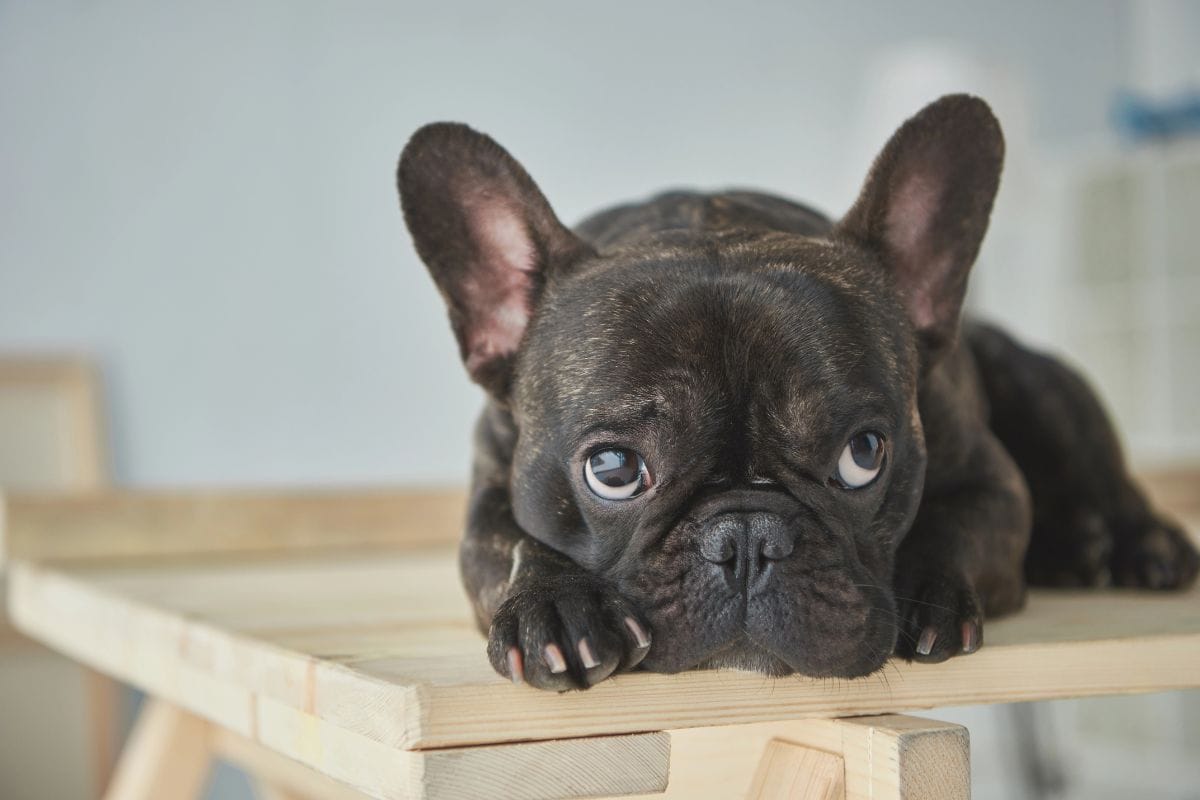
Frenchies are small, sturdy, and very relaxed. They don’t need much exercise and are happy spending time indoors. I love how their goofy personalities make even the smallest home feel lively.
Cavalier King Charles Spaniel
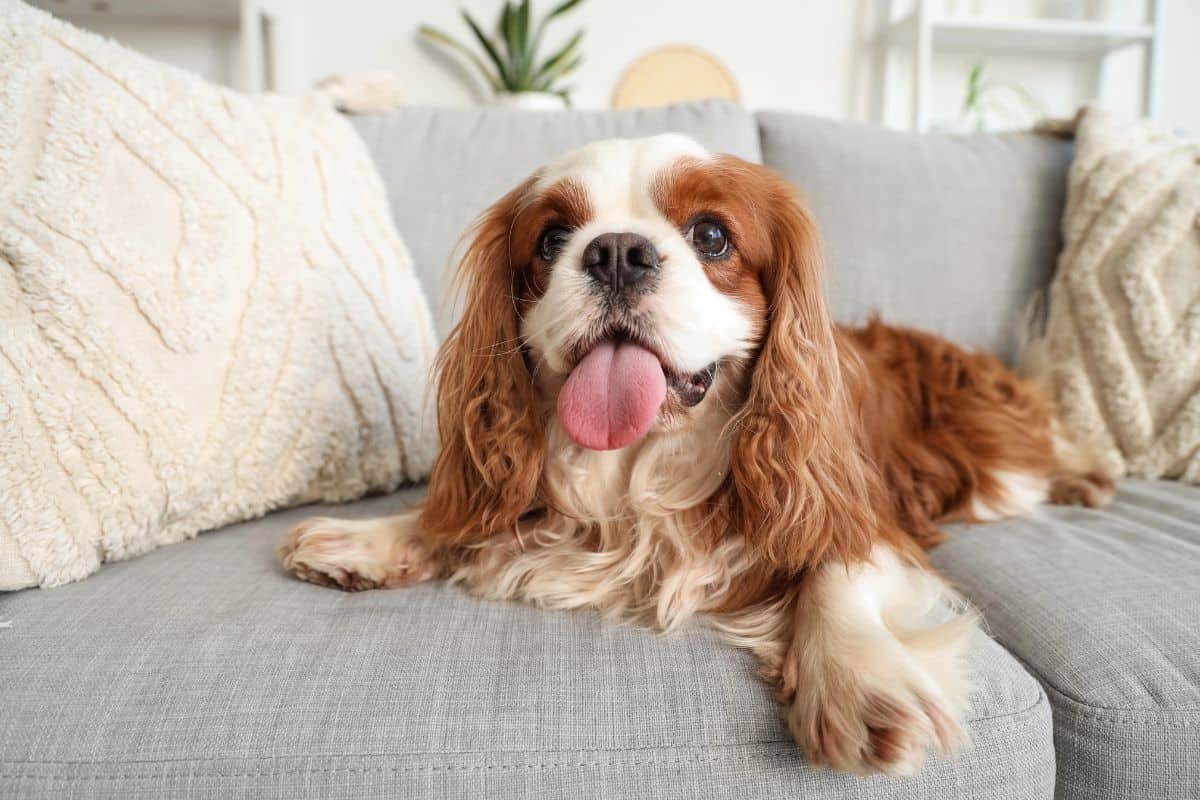
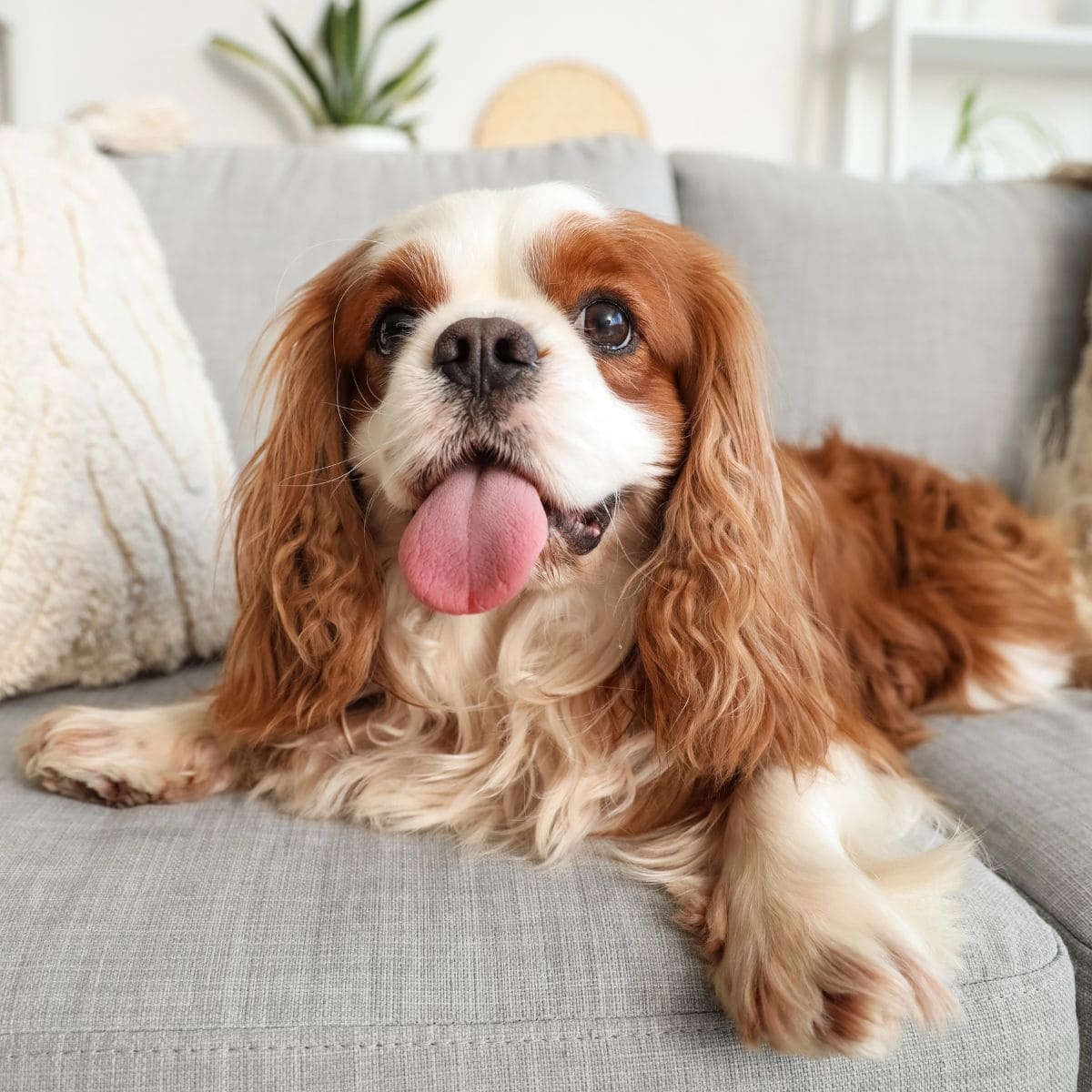
These gentle dogs are friendly, quiet, and great with pets and people. They enjoy walks but are just as happy cuddling on the couch.
Shih Tzu

Shih Tzus were bred to live indoors. They’re calm, affectionate, and perfect for apartment life. They don’t need a yard, just love and daily care.
Pug

Pugs are playful but low-energy. They adapt easily to apartment living and don’t bark much, which is always a plus with neighbors.
Greyhound

It might surprise people, but greyhounds are amazing apartment dogs. They love short bursts of exercise followed by long naps. I’ve noticed they’re basically oversized couch potatoes.
Keeping Apartment Dogs Safe at Home
Small spaces mean everything is closer, including things that can be harmful. That’s where plant safety and poison control come in.
Many decorative plants are toxic to dogs. Some plants poisonous to pets include sago palm, lily, aloe, and ivy. A single toxic plant can cause serious problems if chewed or swallowed.
Plants toxic to dogs may lead to:
- Vomiting
- Diarrhea
- Drooling
- Stomach upset
- Lethargy or weakness
If you ever notice these symptoms, it’s important to act quickly.
What to Do if Your Dog Eats a Toxic Plant
If your dog chews on a poisonous plant, call your vet, poison control, or the ASPCA Animal Poison Control Center right away. They’ll ask what plant was eaten and what symptoms your dog is showing.
Don’t wait to see if things get better. Some toxic plants can cause serious internal damage that requires fast veterinary care.
I love how having these numbers saved on my phone brings peace of mind — just in case something ever happens.
Creating a Pet-Friendly Apartment
Living in a small space means being a little more mindful. Here’s how to make your apartment safer and happier for your dog:
- Search all houseplants before bringing them home
- Remove any toxic or poisonous greenery
- Choose pet-safe plants
- Store cleaners, pills, and other chemicals where your dog can’t get to them.
- Provide cozy beds and quiet corners
A safe space helps your dog feel calm and secure, even without a big yard.
Exercise and Mental Stimulation
Even the best apartment-friendly dog breeds need daily activity. Walks, puzzle toys, and short play sessions help prevent boredom. I’ve noticed that a mentally stimulated dog is a happy, well-behaved dog, especially in smaller homes.
Short walks a few times a day are often enough, along with indoor games and training time.
Final Thoughts
Choosing from the best dog breeds for apartments is about more than just size; it’s about personality, energy, and how well a dog fits into your lifestyle. I love how the right dog can turn even the smallest apartment into a cozy, joyful home.
By picking a breed that enjoys quiet time and being mindful of your home environment, you’re setting your dog up for a happy, safe life indoors.
Small spaces can still hold big love, and the perfect apartment dog will remind you of that every single day 🐾
FAQ
Most apartments allow dogs, but many have size, breed, or weight limits. I’ve noticed that smaller, quieter breeds are usually easier to get approved and cause fewer issues with neighbors.
Breeds like the French Bulldog, Cavalier King Charles Spaniel, Shih Tzu, and Greyhound are known for being calmer and less vocal. These dogs tend to do better in apartments where noise travels easily.
Yes, some large dogs can thrive in apartments if their energy level is low. Greyhounds are a great example; they enjoy short walks but spend most of the day resting.
Most apartment dogs do well with two or three short walks a day, plus some indoor play or mental stimulation. I’ve noticed that a tired dog is a happy, well-behaved dog in small spaces.
Not always. Some small breeds bark a lot or have very high energy. The best apartment dogs are calm, adaptable, and comfortable spending time indoors, regardless of size.
Remove toxic plants, keep cleaning products out of reach, and give your dog cozy spots to relax. Small changes can make a big difference in a small home.



Leave a Reply