
Nail trimming is one of those dog-care tasks that sounds simple… until you’re holding the clippers and your dog suddenly has very strong opinions. I’ve been there. I love how something so small, literally a few millimeters of nail, can feel so intimidating at first. But once you understand how often to cut dog nails, it becomes just another calm, routine part of caring for your dog.
Jump to:
- Why Nail Trimming Matters More Than You Think
- How Often to Cut Dog Nails for Puppies and Adults
- Signs Your Dog’s Nails Are Too Long
- Puppies vs Adults: What’s Different?
- Does Walking on Pavement Replace Nail Trimming?
- How Short Is Too Short?
- Creating a Calm Nail-Trimming Routine
- What If My Dog Hates Nail Trims?
- Clippers vs Grinders: Does It Matter?
- When to Ask for Help
- How Nail Care Changes Over Time
- Final Thoughts
- FAQ
- YOU MAY ALSO LIKE
Whether you’re dealing with tiny puppy nails or thicker adult claws, the goal is the same: keep your dog comfortable, healthy, and moving easily. This guide walks you through timing, signs to watch for, and how nail care changes from puppyhood to adulthood, without pressure or perfection.
Why Nail Trimming Matters More Than You Think
Long nails aren’t just a cosmetic issue. When dog nails grow too long, they can:
- Affect posture and how your dog walks
- Cause slipping on floors
- Put pressure on the toe joints
- Increase the risk of painful breaks or splits
I’ve noticed that dogs with properly trimmed nails tend to move more confidently, especially on hard surfaces. Nail care is quite maintenance, but it makes a real difference in everyday comfort.
How Often to Cut Dog Nails for Puppies and Adults
This is the question most people ask, and the answer depends on a few factors, but there is a helpful general guideline.
Puppy Nail Trim Frequency
Puppy nails grow fast and are often sharp. Most puppies benefit from nail trims:
- Every 1–2 weeks
Early trimming helps puppies get used to the process. I love how starting young often turns nail care into a non-event later in life. Short, frequent trims are easier than waiting too long.
Adult Dog Nail Trim Frequency
Adult dogs usually need nail trims:
- Every 3–4 weeks
Some dogs may need more frequent trims, others slightly less. The key is watching your dog, not just the calendar.

Signs Your Dog’s Nails Are Too Long
Instead of guessing, look for these signs:
- You hear clicking on hard floors
- You can see your dog’s nails making contact with the ground while they stand.
- Your dog slips more than usual
- Nails curve or hook downward
I’ve noticed the clicking sound is often the first clue people catch. If you hear nails tapping across the kitchen floor, it’s usually time for a trim.
Puppies vs Adults: What’s Different?
Puppy Nail Care Approach
Puppy nails are thinner and softer, which makes trimming easier, but also easier to overcut if you’re rushing. The quick (the sensitive inner part) is closer to the tip in puppies, so slow and steady is best.
Helpful puppy tips:
- Trim a tiny amount at a time
- Keep sessions short and positive
- Pair trimming with treats or calm praise

Adult Dog Nail Care Approach
Adult nails are thicker and sometimes darker, making it harder to see the quick. This can feel intimidating at first, but routine trims help the quick gradually recede over time.
Consistency matters more than perfection.
Does Walking on Pavement Replace Nail Trimming?
This is a common question. Regular walks on pavement can help wear nails down naturally, but it’s rarely enough on its own.
Factors that affect natural wear:
- Your dog’s gait
- Nail shape
- How often and how far you walk
- Surface type
I’ve noticed that even very active dogs usually still need occasional trims, especially for dewclaws, which don’t touch the ground.
How Short Is Too Short?
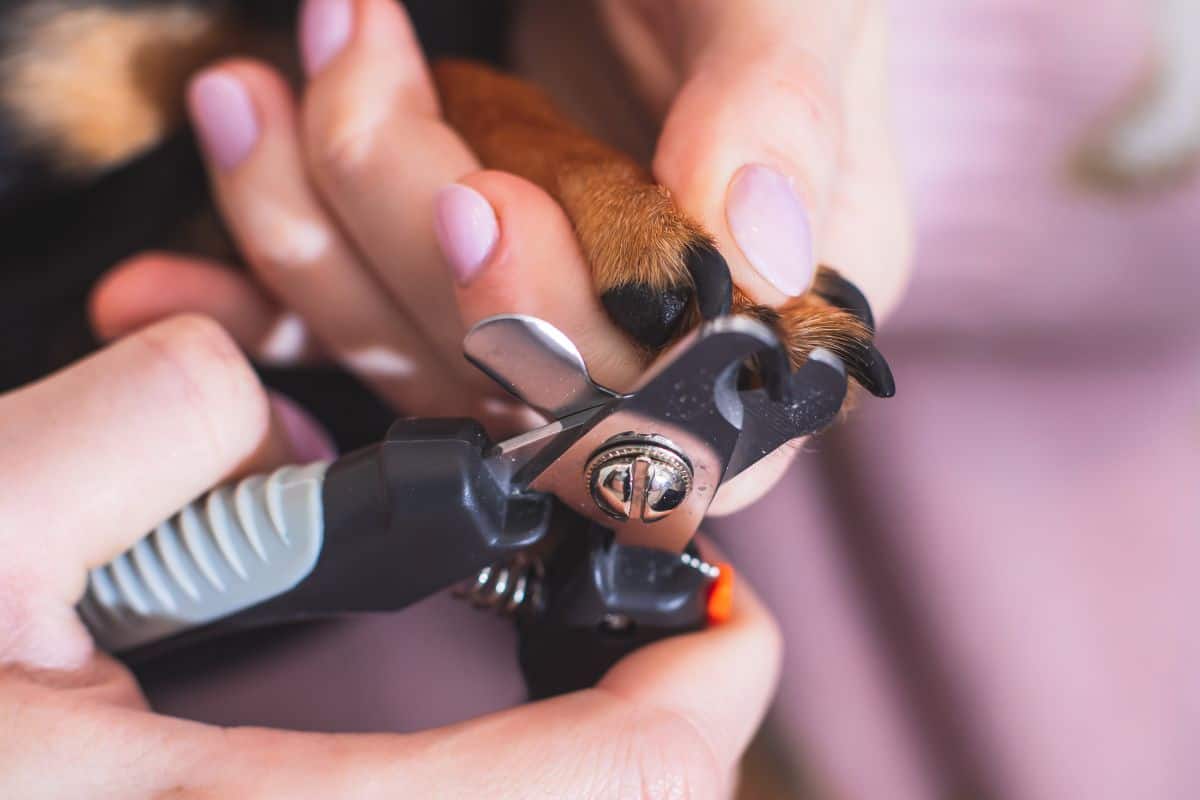
One of the biggest fears around nail trimming is cutting too far. Ideally:
- Nails should sit just above the ground when standing
- The quick should not be exposed
If you’re unsure, it’s always okay to trim less and trim more often. Small, frequent trims are safer than long gaps followed by big cuts.
Creating a Calm Nail-Trimming Routine
Dogs are very aware of our moods, and staying calm makes things easier for everyone.
Try this:
- Trim after exercise, when your dog is relaxed
- Use the same quiet spot each time
- Keep tools ready so you don’t rush
I love how routines make dogs feel secure. When nail trimming becomes predictable, resistance often fades.

What If My Dog Hates Nail Trims?
You’re not alone. Many dogs dislike nail trims at first, especially if they’ve had a bad experience.
Helpful tips:
- Go slow and reward often
- Touch paws gently, even when not trimming
- Trim one or two nails at a time if needed
Progress doesn’t have to be fast. I’ve noticed that patience often works better than pushing through stress.
Clippers vs Grinders: Does It Matter?
Both tools can work well.
Nail Clippers
- Quick and efficient
- Familiar to many owners
- Requires careful angle and control
Nail Grinders
- Gradual shortening
- Smoother edges
- Can feel less risky for beginners
The “best” option is the one you and your dog tolerate most calmly. Comfort matters more than technique.
When to Ask for Help
If nail trimming feels overwhelming, it’s okay to get help.
Consider:
- A groomer at your local grooming place for regular trims
- A vet visit, if nails are severely overgrown
- Guidance if your dog shows pain or fear
There’s no rule that says you must do it all yourself. I’ve noticed many dogs are more relaxed with professionals, and that’s okay.
How Nail Care Changes Over Time
As dogs age:
- Activity levels change
- Nail growth patterns shift
- Arthritis or joint sensitivity may develop
Senior dogs may need more frequent, gentle trims to stay comfortable. Paying attention and adjusting as your dog grows is part of good care.
Final Thoughts
Knowing how often to trim dog nails for puppies and adults isn’t about strict rules; it’s about gentle routines, consistency, and care. Puppies benefit from early exposure, while adult dogs thrive with calm, regular handling.
Over time, nail trims often become less stressful and more routine than you might expect. Take it slow, watch your dog, and focus on comfort and trust.

FAQ
Even if nails don’t visibly touch the floor, they can still be too long. I’ve noticed most dogs still need trims every few weeks to stay comfortable, especially the dewclaws.
It happens to almost everyone at least once. While it can bleed and feel scary, it’s usually not dangerous if handled calmly. Apply gentle pressure and stay calm; your dog will often recover faster than you expect.
Yes. Puppy nails grow quickly and are very sharp. Frequent, small trims help them become accustomed to the process early, making nail care much easier as they grow.
Absolutely. Nail trimming doesn’t have to be done all at once. I love how breaking it into small sessions often reduces stress for both dogs and people.
Walking helps, but it usually isn’t enough on its own. Most dogs still need regular trims, especially for nails that don’t wear down evenly.
Both work. Clippers are quick, while grinders allow for slower, more controlled trimming. The best choice is the one your dog tolerates most comfortably.
If your dog’s nails are very overgrown, your dog is fearful, or you’re unsure where to cut, professional help is a great option. Getting help doesn’t mean you’ve failed; it means you’re prioritizing your dog’s comfort.




Leave a Reply