
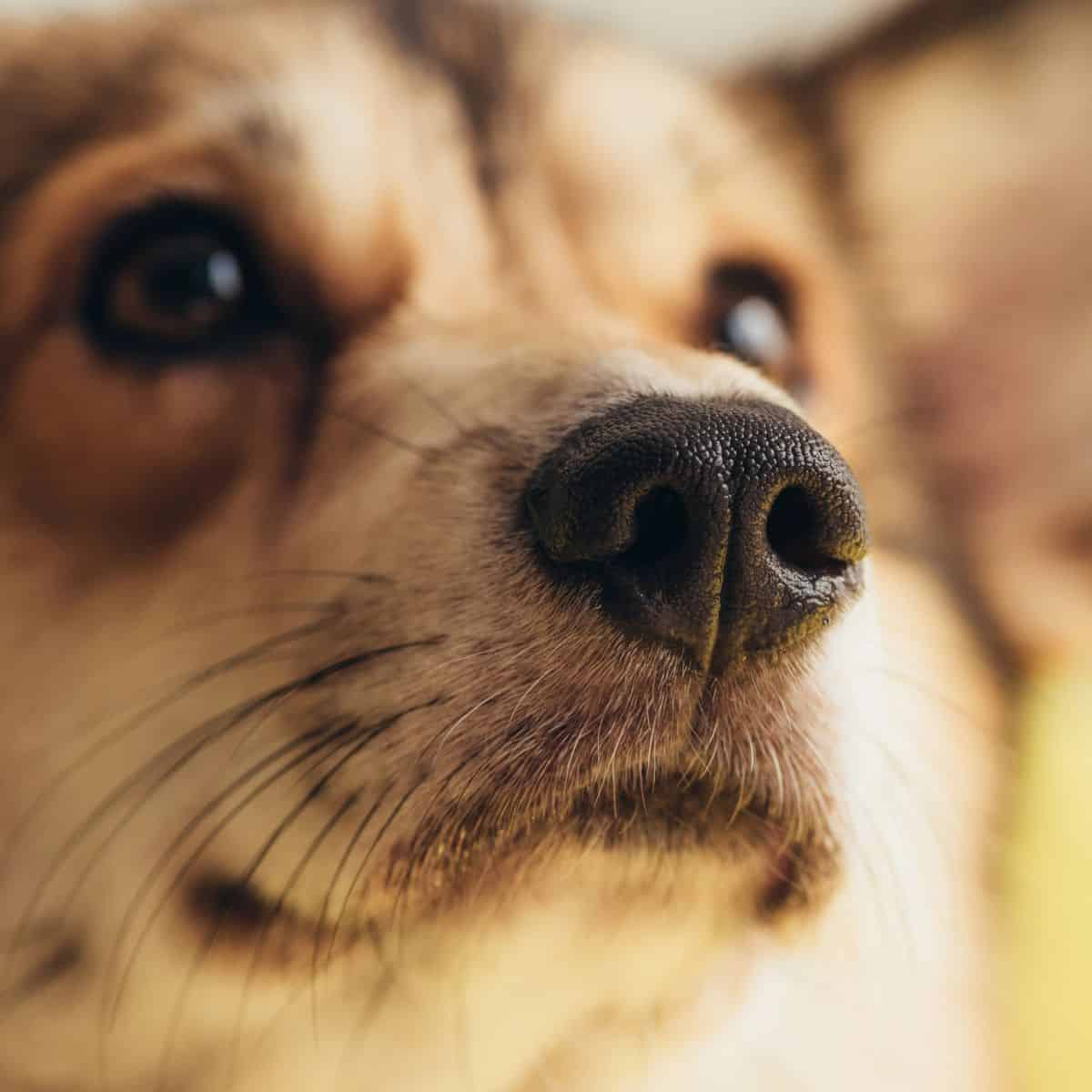
If you’ve ever looked closely at your dog’s face, you’ve probably noticed the stiff, slightly longer hairs around the muzzle and above the eyes. Many pet owners wonder why dogs have whiskers and whether they serve a real purpose. These special hairs are much more than a cute feature. In fact, dog whiskers play an important role in how dogs understand and navigate their surroundings.
Jump to:
- What Are Dog Whiskers and How Do They Work?
- Why Do Dogs Have Whiskers on Their Face?
- Why Do Dogs Have Whiskers Above Their Eyes?
- Do All Dogs Have Whiskers?
- Can You Cut a Dog’s Whiskers?
- What Are Dog Whiskers Made Of and How Do They Work?
- Why Dogs Rely on Whiskers to Understand Their Environment
- Final Thoughts
- FAQ
- YOU MAY ALSO LIKE
Scientifically known as vibrissae, these specialized hairs help dogs collect subtle signals from their environment. They are designed to detect movement, sense nearby objects, and respond to air currents that humans might never notice.
I’ve noticed that once you start paying attention to your dog’s whiskers, it becomes clear how often they quietly assist with everyday activities like exploring a room, moving through narrow spaces, or reacting to nearby motion.
Many dog owners also ask questions like: Are dog whiskers important? What do dog whiskers do? Or even, can you cut a dog’s whiskers?
Understanding the purpose of these unique hairs can help you better appreciate the thoughtful design behind your dog’s senses and why these whiskers should be treated with care.

What Are Dog Whiskers and How Do They Work?
Dog whiskers are not ordinary strands of hair. These thicker, stiffer hairs are deeply rooted in the skin and surrounded by sensitive nerve endings. Each dog whisker connects to nerves that send detailed information to a dog’s brain about the nearby environment.
Because they are so sensitive, whiskers can detect tiny movements in air currents. This allows dogs to sense when something is close to their face, even if they cannot see it clearly. I love how nature gives dogs these subtle tools that help them stay aware of the world around them.
These whiskers are called vibrissae, and they act almost like miniature sensory antennas. When air moves around nearby objects, the whiskers pick up those currents and relay the signals to the brain. This means whiskers help dogs understand distances and movement without relying entirely on their eyes.
In many ways, whiskers serve as an additional sense that complements sight, smell, and hearing.
Why Do Dogs Have Whiskers on Their Face?
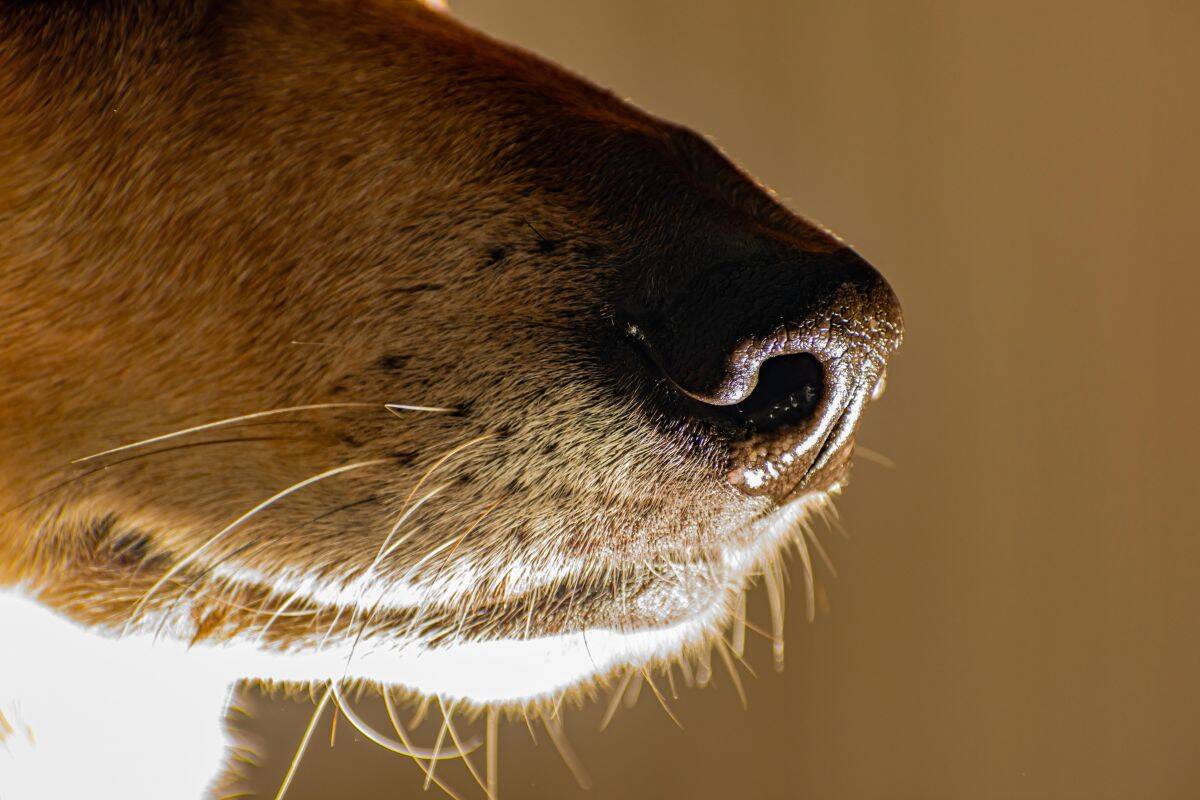
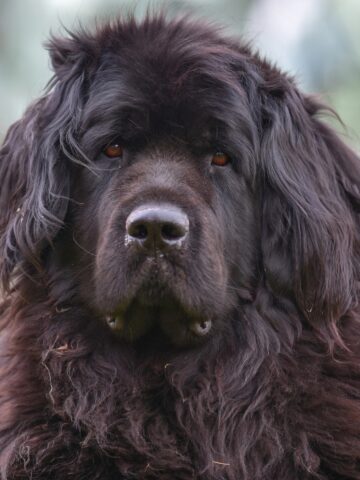
One of the most noticeable places for whiskers is along the muzzle, where they help dogs sense nearby objects. These whiskers help dogs judge whether they can fit through tight spaces or avoid bumping into something.
Dogs also have whiskers on different parts of the face, each with its own helpful purpose. You may notice whiskers on the cheeks, along the muzzle, and even above the eyes. These placements allow whiskers to collect information from multiple directions at once.
For example, whiskers on the cheeks help dogs detect nearby movement along the sides of their face. Whiskers along the muzzle help them explore surfaces or objects directly in front of them. This sensory network allows dogs to safely move through unfamiliar environments.
In my experience, watching a curious dog explore a new space shows just how useful whiskers are. As they move their nose close to things, those whiskers are quietly gathering details about the world around them.

Why Do Dogs Have Whiskers Above Their Eyes?
The whiskers above a dog’s eyes are sometimes called dog eye whiskers or supraorbital whiskers. These whiskers play an important protective role.
When something comes close to a dog’s eyes, the whiskers can detect the movement and trigger a blink reflex. This helps protect the eyes from dust, debris, or unexpected contact.
These eyebrow whiskers are especially helpful when dogs move through tall grass, bushes, or unfamiliar areas. The whiskers detect motion before anything actually touches the eye.
It’s one of those small but fascinating details about how dogs are designed to interact safely with their surroundings.
Do All Dogs Have Whiskers?
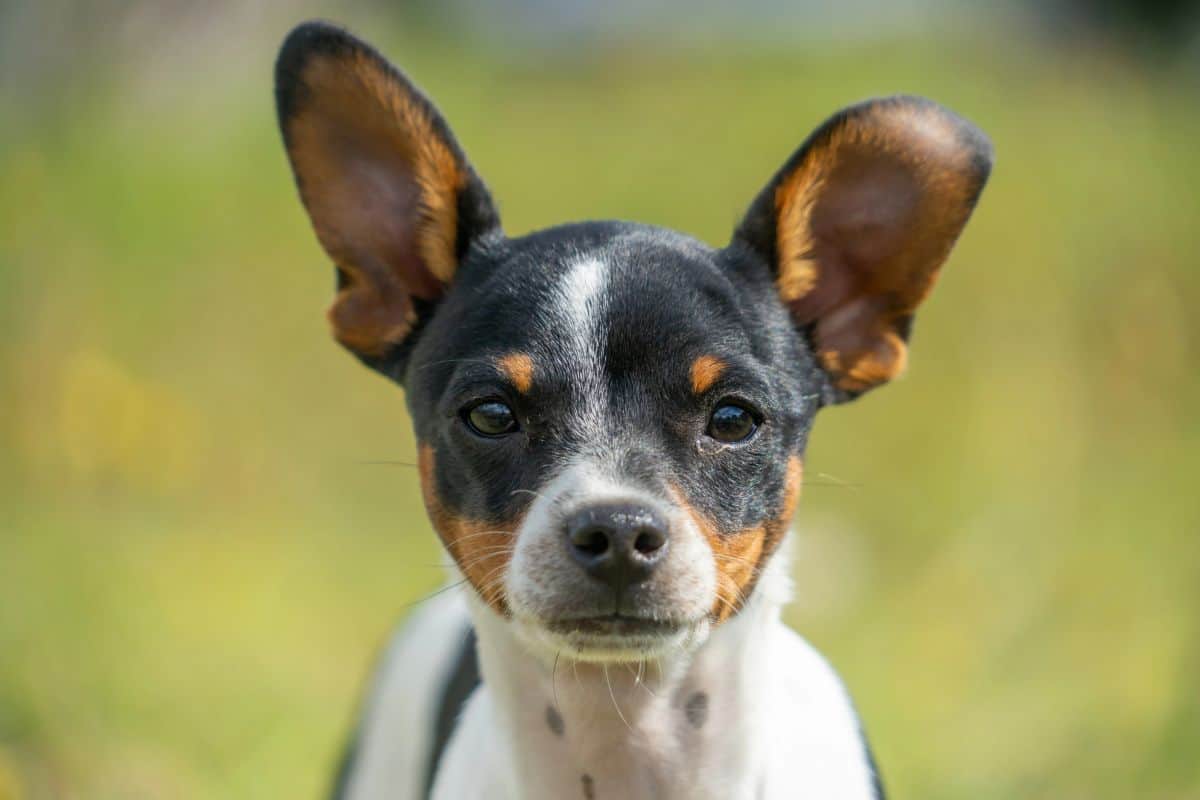
Yes, do all dogs have whiskers? The answer is yes. Nearly every dog has whiskers, although the length and thickness can vary depending on the breed.
Some dogs with long whiskers may have very noticeable vibrissae that extend far from the muzzle. Other breeds may have shorter, less obvious whiskers that are still just as functional.
No matter the length, whiskers always provide sensory feedback. Even a short whisker can detect air movement and nearby objects.
Different breeds may also have slightly different whisker placements or densities, but the overall means of sensing the environment remains the same.
Can You Cut a Dog’s Whiskers?
Many dog owners eventually ask: Can you cut a dog's whiskers, or should you cut a dog's whiskers during grooming?
Technically, whiskers can be trimmed because they are made of keratin, the same material as normal hair. However, cutting dog whiskers removes an important sensory tool that dogs naturally rely on.
While trimming whiskers does not usually cause pain, it can temporarily reduce a dog’s ability to sense nearby objects or subtle air movement. Some dogs may feel slightly disoriented until the whiskers grow back.
I’ve noticed that many dogs seem more confident when their whiskers are left intact. Because whiskers play such an important role in spatial awareness, many veterinarians and groomers recommend leaving them alone whenever possible.
If whiskers are accidentally trimmed, there’s usually no need to worry. In most cases, dog whiskers grow back naturally over time.
What Are Dog Whiskers Made Of and How Do They Work?
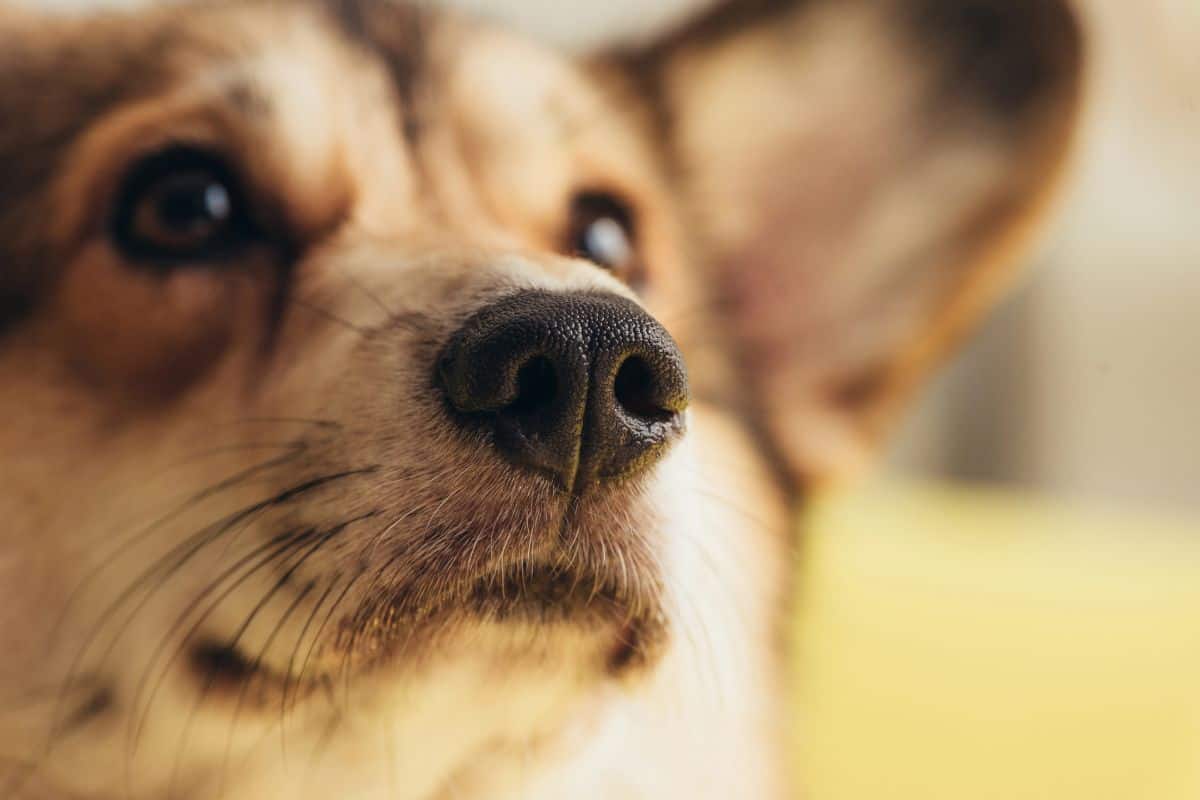
You might wonder what dog whiskers are made of. Structurally, they are made from keratin, just like regular hair. However, the difference lies in their thickness and how deeply they are rooted in the skin.
Each whisker sits inside a follicle that contains a rich supply of nerves and blood vessels. This special structure allows whiskers to detect tiny changes in the environment and send signals to the brain.
Because of this design, whiskers function almost like highly sensitive touch sensors. They are incredibly responsive to movement, pressure, and changes in airflow.
It’s a fascinating example of how a simple feature like a whisker can serve such an important purpose.
Why Dogs Rely on Whiskers to Understand Their Environment
Dogs gather information about the world in many ways, but whiskers offer a unique advantage. They allow dogs to detect things extremely close to their faces, where their vision may be less effective.
For example, when a dog explores in low light or searches through tight spaces, whiskers can detect nearby objects before contact happens. The whiskers sense small air movements created by those objects.
This ability is especially helpful during nighttime activity, when dogs rely more heavily on non-visual senses.
Whiskers also help dogs interpret subtle changes in their surroundings. Moving air, nearby motion, and shifting objects can all create tiny currents that whiskers easily detect.
Final Thoughts
So, why do dogs have whiskers? These specialized hairs help dogs sense their surroundings, detect movement, and stay aware of nearby objects.
Even though they may seem small, whiskers play an important role in how dogs navigate the world with confidence and safety. Keeping them intact allows dogs to rely on this natural sensory system just as nature intended.
FAQ
Yes, dog whiskers are very important. They help dogs detect air currents, sense nearby objects, and gather information about their environment.
Yes. If whiskers are accidentally trimmed or fall out naturally, they usually grow back over time just like normal hair.
Whiskers themselves do not contain pain receptors, so cutting them typically doesn’t hurt. However, removing them can temporarily reduce a dog’s ability to sense nearby objects.
Whiskers under the chin help dogs detect surfaces or objects below their muzzle. This can be useful when eating, sniffing, or exploring close to the ground.
Whiskers on the cheeks and eyebrows help detect movement around the face and protect the eyes from nearby objects or debris. These whiskers help dogs react quickly to changes in their surroundings.



Leave a Reply